
astonish
US /əˈstɑnɪʃ/
UK /ə'stɒnɪʃ/
- Transitive Verb
- To cause someone to feel great wonder or surprise
A2Moreat least
US /æt list/
UK /æt li:st/
- Adverb
- As a minimum
- Not less than
- Phrase
- No less than; at the minimum
- Used to indicate that something is positive in a bad situation.
C2Moreaudience
US /ˈɔdiəns/
UK /ˈɔ:diəns/
- Noun (Countable/Uncountable)
- Group of people attending a play, movie etc.
A2TOEICMoreauthor
US /ˈɔθɚ/
UK /'ɔ:θə(r)/
- Noun (Countable/Uncountable)
- Person who writes books, plays, poems etc.
- Transitive Verb
- To write book or articles
B1Morebaseball
US /ˈbesˌbɔl/
UK /'beɪsbɔ:l/
- Countable Noun
- Small ball used in the game of baseball
- Two teams of nine players hit a ball to score runs
A2Morebowler
US /ˈbolɚ/
UK /'bəʊlə(r)/
- Countable Noun
- Cricketer who delivers the ball to the batsman
A2Morecapture
US /ˈkæptʃɚ/
UK /'kæptʃə(r)/
- Transitive Verb
- To attract and hold e.g. interest, attention
- To record, tape, or film something
- Noun
- The act of seizing or taking control of something.
B1Morecatcher
US /ˈkætʃɚ, ˈkɛtʃ-/
UK /ˈkætʃə(r)/
- Countable Noun
- Person catching the ball behind the batter
A2Morecommunication
US /kəˌmjunɪˈkeʃən/
UK /kəˌmju:nɪ'keɪʃn/
- Noun (Countable/Uncountable)
- Talking to people; giving information to people
- The process of conveying information, ideas, or feelings through language or other means.
A2Moreconceive
US /kənˈsiv/
UK /kənˈsi:v/
- Verb (Transitive/Intransitive)
- To become pregnant
- To think of, create new (ideas, thought, plans)
B1Moreconcern
US /kənˈsɚn/
UK /kənˈsɜ:n/
- Verb (Transitive/Intransitive)
- To be about a particular topic
- To have a direct impact on someone
- Noun (Countable/Uncountable)
- Company, firm or business
- Feeling of worry or anxiety
A2TOEICMoreconsiderably
US /kənˈsɪdərəblɪ/
UK /kənˈsɪdərəbli/
- Adverb
- Quite a lot; to a large degree
- To a large amount or quantity.
B1Moreconvey
US /kənˈve/
UK /kən'veɪ/
- Transitive Verb
- To carry or transport something
- To make aware or tell others information
B1Morecricket
US /ˈkrɪkɪt/
UK /'krɪkɪt/
- Noun
- Sport played by two teams hitting a ball with bats
- Brown or black insect that makes short loud noises
B1Moredimensional
US /dɪˈmɛnʃənl:/
UK /dɪ'menʃənəl/
- Adjective
- Concerning how many planes an object exists in
B1Moredozen
US /ˈdʌzən/
UK /ˈdʌzn/
- Countable Noun
- 12 people or things
A2Morefigure out
US /ˈfɪɡjɚ aʊt/
UK /ˈfiɡə aut/
- Phrasal Verb
- To understand the behavior of someone
- To think through logically to find a solution
- Verb (Transitive/Intransitive)
- To understand or find an answer to something.
- To find a solution to a problem or understand something.
A1Morefundamentally
US /ˌfʌndəˈmɛntl:ɪ/
UK /ˌfʌndəˈmentəli/
- Adverb
- In a basic and important way
- In a complete and thorough way
B1Morehave to
US /hæv tu/
UK /ˈhæv tə/
- Auxiliary Verb
- Must do
A1Moreignorant
US /ˈɪɡnərənt/
UK /ˈɪgnərənt/
- Adjective
- Lacking knowledge, awareness or information
B1Morein the first place
US
UK
- Phrase
- To begin with; as the first point or consideration.
- From the beginning; initially.
A1Morekeeper
US /ˈkipɚ/
UK /ˈki:pə(r)/
- Noun
- Person taking care of animals
B1Morelook at
US /lʊk æt/
UK /luk æt/
- Phrasal Verb
- To use your eyes to focus on something
- To focus your eyes on something carefully
A1Moreobject
US /ˈɑbdʒɪkt/
UK /'ɒbdʒɪkt/
- Noun (Countable/Uncountable)
- Something you can see or touch, but is not alive
- Goal or purpose of a particular plan or activity
- Verb (Transitive/Intransitive)
- To disagree; to protest against an idea or plan
- To state one's reason for disagreement
A2TOEICMorepassive
US /ˈpæsɪv/
UK /ˈpæsɪv/
- Adjective
- Allowing things to happen with quiet acceptance
- With sentence's subject being what verb acts on
- Noun
- A person who is passive; one who does not actively participate or resist.
B1Moreperception
US /pɚˈsɛpʃən/
UK /pəˈsepʃn/
- Noun (Countable/Uncountable)
- Way in which one sees or understands something
- The ability to see, hear, or become aware of something through the senses.
B1Morepitcher
US /ˈpɪtʃɚ/
UK /ˈpɪtʃə(r)/
- Countable Noun
- Person who throws the ball during a baseball game
- Jug to hold and pour liquids
B1Moreplatypus
US /ˈplætɪpəs/
UK /ˈplætɪpəs/
- Countable Noun
- Small Australian aquatic animal with a broad tail
C2Morerequire
US /rɪˈkwaɪr/
UK /rɪ'kwaɪə(r)/
- Transitive Verb
- To demand that someone does something
- To need to do something, to make it necessary
A2TOEICMoretalking about
US
UK
- Phrasal Verb
- To discuss a particular topic.
- To be constantly mentioning or bringing up a subject.
A1Morethink of
US /θɪŋk ʌv/
UK /θiŋk ɔv/
- Phrasal Verb
- To look on as (being something specific); consider
- To consider or remember something.
- Verb (Transitive/Intransitive)
- To imagine or call something to mind
A1Moreto that end
US
UK
- Phrase
- In order to achieve that aim or purpose.
A1Morevariety
US /vəˈraɪɪti/
UK /və'raɪətɪ/
- Noun
- Particular type of thing or person
- The quality or state of being different or diverse; the absence of uniformity, sameness, or monotony.
A2TOEICMore
Vocabulary
- think of: To look on as (being something specific); consider
- look at: To use your eyes to focus on something
- to that end: In order to achieve that aim or purpose.
- at least: As a minimum
- in the first place: To begin with; as the first point or consideration.
- talking about: To discuss a particular topic.
- figure out: To understand the behavior of someone
- have to: Must do
- perception: Way in which one sees or understands something
- figure: To appear in a game, play or event
- situation: Place, position or area that something is in
- completely: In every way or as much as possible
- audience: Group of people attending a play, movie etc.
- variety: Particular type of thing or person
- bit: Device put in a horse's mouth to control it
- exist: To be present, alive or real
- convey: To carry or transport something
- passive: Allowing things to happen with quiet acceptance
- concern: To be about a particular topic
- require: To demand that someone does something
- capture: To attract and hold e.g. interest, attention
- throw: To use your arm to make something fly in the air
- object: Something you can see or touch, but is not alive
- fundamentally: In a basic and important way
- author: Person who writes books, plays, poems etc.
- receive: To get something someone has given or sent to you
- activity: An action or task, e.g. sports, washing clothes
- conceive: To become pregnant
- communication: Talking to people; giving information to people
- place: To put someone in a particular type of situation
- hit: To have a negative impact on a person/place/thing
- kind: In a caring and helpful manner
- learn: To get knowledge or skills by study or experience
- act: To behave in a certain way
- catch: Amount of something that has been caught
- active: Moving around a lot or doing many things
- ignorant: Lacking knowledge, awareness or information
- dozen: 12 people or things
- cricket: Sport played by two teams hitting a ball with bats
- dimensional: Concerning how many planes an object exists in
- considerably: Quite a lot; to a large degree
- pitcher: Person who throws the ball during a baseball game
- platypus: Small Australian aquatic animal with a broad tail
- astonish: To cause someone to feel great wonder or surprise
- keeper: Person taking care of animals
- baseball: Small ball used in the game of baseball
- catcher: Person catching the ball behind the batter
- bowler: Cricketer who delivers the ball to the batsman
Get the full experience in the app
Learn anywhere with detailed sentence and usage analysis
01:03
She took a brave step forward, leaving behind her comfort zone to chase her dreams.
Vocabulary
- brave
adj. Having courage
- comfort zone
phr. A familiar situation where one feels safe
Explanation
a brave step is a noun phrase, where brave is an adjective modifying the noun step, meaning "a courageous step".
forward is an adverb modifying step, meaning "ahead".
The whole phrase serves as the object, answering the "what" of took (verb) — she took a brave step forward.
Get the full experience in the app
Look up words anytime with pronunciation, part of speech, and usage
brave
US/brev/
UK/breɪv/
adj.Brave
v.t.To bravely face
A2 Elementary
Get the full experience in the app
Practice speaking anytime and get instant pronunciation feedback
Try this speaking exercise.
Try practicing with this sentence.
80
0
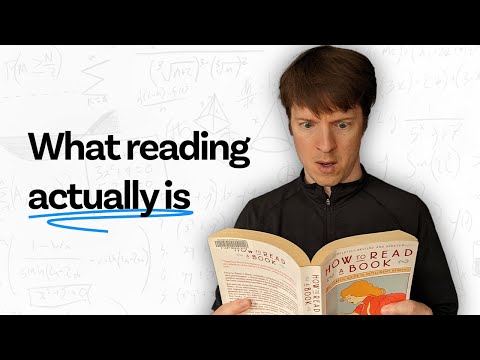
VoiceTube posted on 2025/08/10Ever thought reading was just staring at words? Think again! This video reveals the astonishing active strategies good readers use to truly understand texts, helping you boost your critical thinking and pick up some advanced vocabulary along the way.
Learn this video on the APP!
The VoiceTube App has more in-depth practice for videos!