
annotation
US /ˌænə'teɪʃn/
UK /ˌænə'teɪʃn/
- Noun
- Adding a note to a document; such a note
C2Moreapplication
US /ˌæplɪˈkeʃən/
UK /ˌæplɪˈkeɪʃn/
- Noun (Countable/Uncountable)
- Software program, e.g. for smart phone
- Process of spreading a substance over a surface
A2TOEICMoreconsole
US /kənˈsol/
UK /kən'səʊl/
- Transitive Verb
- To make someone feel better in times of distress
B2TOEICMoredefine
US /dɪˈfaɪn/
UK /dɪ'faɪn/
- Transitive Verb
- To explain the meaning of words
- To set or mark the limits of something
A2TOEICMoredread
US /drɛd/
UK /dred/
- Verb (Transitive/Intransitive)
- To await with great fear
B2Moreentity
US /ˈɛntɪti/
UK /'entətɪ/
- Noun (Countable/Uncountable)
- Something that exists by itself and is real
- A thing with distinct and independent existence.
B1Moreequation
US /ɪˈkweʒən, -ʃən/
UK /ɪˈkweɪʒn/
- Noun (Countable/Uncountable)
- Mathematical statement showing things to be equal
- Complex set of different facts, ideas or issues
B1Morefigure out
US /ˈfɪɡjɚ aʊt/
UK /ˈfiɡə aut/
- Phrasal Verb
- To understand the behavior of someone
- To think through logically to find a solution
- Verb (Transitive/Intransitive)
- To understand or find an answer to something.
- To find a solution to a problem or understand something.
A1Moregenerate
US /ˈdʒɛnəˌret/
UK /ˈdʒenəreɪt/
- Transitive Verb
- To create or be produced or bring into existence
- To create electricity, heat, energy and power
A2TOEICMoregraphical
US /ˈɡræfɪkl/
UK /ˈgræfɪkl/
- Adjective
- Detailed so something is very clear
B2Morehave to
US /hæv tu/
UK /ˈhæv tə/
- Auxiliary Verb
- Must do
A1Moreimplement
US /ˈɪmpləmənt/
UK /ˈɪmplɪment/
- Transitive Verb
- To start to do something you plan to do
- Noun (Countable/Uncountable)
- A tool
B1TOEICMorein action
US
UK
- Phrase
- Actively doing something; performing a task or duty.
incorrectly
US /ˌɪnkə'rektlɪ/
UK /ˌɪnkə'rektlɪ/
- Adverb
- In a way that is incorrect or wrong
B1Moreindicate
US /ˈɪndɪˌket/
UK /ˈɪndɪkeɪt/
- Transitive Verb
- To show something; direct attention to; point out
- To represent something using a symbol or sign
A2TOEICMoreinterface
US /ˈɪntərfeɪs/
UK /ˈɪntəfeɪs/
- Noun
- Place where things come together to communicate
- Verb (Transitive/Intransitive)
- To make two different elements interact
B1Moreinternal
US /ɪnˈtɚnəl/
UK /inˈtə:nəl/
- Adjective
- Being or happening in the body
- Being, happening in a country, state, organization
B1TOEICMoreinvolve
US /ɪnˈvɑlv/
UK /ɪn'vɒlv/
- Transitive Verb
- To have or be included as a part of something
- To cause (a person or group) to take part in an event or activity.
A2TOEICMoreissue
US /ˈɪʃu/
UK /'ɪʃu:/
- Transitive Verb
- To make something available to be used or sold
- To deliver a statement, etc. in an official manner
- Noun (Countable/Uncountable)
- Important topic discussed, debated or argued over
- Single edition of a magazine
A2TOEICMorelead to
US /lid tu/
UK /li:d tu:/
- Phrasal Verb
- To result in some action
- Verb (Transitive/Intransitive)
- To have something as a consequence or result.
A1Morelog
US /lɔ:g/
UK /lɒg/
- Verb (Transitive/Intransitive)
- To move a certain distance or speed, as recorded
- To leave a website or computer account
- Noun (Countable/Uncountable)
- Detailed account of events and progress on journey
- Piece of a tree that has fallen or been cut
B1Morelook at
US /lʊk æt/
UK /luk æt/
- Phrasal Verb
- To use your eyes to focus on something
- To focus your eyes on something carefully
A1Moremethod
US /ˈmɛθəd/
UK /'meθəd/
- Noun (Countable/Uncountable)
- (Organized and planned) way of doing something
- Orderliness of thought, arrangement, or behavior.
A2TOEICMorenth
US /ɛnθ/
UK /enθ/
- Number
- Last or greatest in an indefinitely large series
- Adjective
- Occurring at a high or unspecified number in a series.
- Relating to the power to which a number or expression is raised.
C2Moreobject
US /ˈɑbdʒɪkt/
UK /'ɒbdʒɪkt/
- Noun (Countable/Uncountable)
- Something you can see or touch, but is not alive
- Goal or purpose of a particular plan or activity
- Verb (Transitive/Intransitive)
- To disagree; to protest against an idea or plan
- To state one's reason for disagreement
A2TOEICMoreof course
US /ʌv kɔː(r)s/
UK /ɔv kɔː(r)s/
- Adverb
- Sure ; Certainly
- Phrase
- For sure; certainly
A2Moreoverflow
US /ˌovɚˈflo/
UK /ˌəʊvə'fləʊ/
- Intransitive Verb
- (Liquid) to flow over the edge of something
- Noun
- Place where liquids flow over or out
- An excess of something; an amount beyond what can be held.
B2Moreparameter
US /pəˈræmɪtɚ/
UK /pəˈræmɪtə(r)/
- Noun
- A characteristic or constant factor; a limit
B1TOEICMorepostman
US /ˈpoʊstmən/
UK /ˈpəʊstmən/
- Countable Noun
- Man who delivers the mail
B2Moreprecede
US /prɪˈsid/
UK /prɪ'si:d/
- Verb (Transitive/Intransitive)
- To happen or come before something
- To go somewhere before a person/thing
B1TOEICMoreprevent
US /prɪˈvɛnt/
UK /prɪ'vent/
- Transitive Verb
- To stop something from happening or existing
A2TOEICMorerepeatedly
US /rɪ'pi:tɪdlɪ/
UK /rɪ'pi:tɪdlɪ/
- Adverb
- (Said, done) many times; over and over
B2Morerequest
US /rɪˈkwɛst/
UK /rɪ'kwest/
- Transitive Verb
- To ask for, usually politely and formally
- Noun
- Thing that has been asked for
- A signal to a computer system or program to perform a task.
A2TOEICMoreresponse
US /rɪˈspɑns/
UK /riˈspɔns/
- Noun
- Something said/written as an answer to something
- Reaction to something that has occurred
A2TOEICMorerestart
US /ˌri:ˈstɑ:rt/
UK /ˌri:ˈstɑ:t/
- Verb (Transitive/Intransitive)
- To begin working again after it has stopped
B1Moresee in
US /si ɪn/
UK /si: in/
- Phrasal Verb
- To accompany someone to the entrance of a building or room.
A1Moresequence
US /ˈsikwəns, -ˌkwɛns/
UK /'si:kwəns/
- Noun
- Part of a movie showing one part of the story
- A particular order in which related events, movements, or things follow each other.
- Transitive Verb
- To arrange things in an order they should happen
A2TOEICMoreset to
US /sɛt tu/
UK /set tu:/
- Phrasal Verb
- To energetically begin to do, e.g. making a fire
A1Moreslash
US /slæʃ/
UK /slæʃ/
- Noun (Countable/Uncountable)
- Line ( / ) used in writing
- Long, deep cut, caused by a sharp object
- Transitive Verb
- To cut violently with a sharp object
- To decrease something by a large amount
B2TOEICMorespecifically
US /spəˈsɪfɪkli/
UK /spəˈsɪfɪkli/
- Adverb
- As regards a particular thing; closely related to
- In a definite and clear manner.
A2Morestack
US /stæk/
UK /stæk/
- Noun (Countable/Uncountable)
- A large number or amount of something
- Large tube through which smoke exits a building
- Transitive Verb
- To arrange cards in a certain order, to cheat
- To put one thing on top of another, e.g. boxes
B1TOEICMorestatement
US / ˈstetmənt/
UK /ˈsteɪtmənt/
- Noun (Countable/Uncountable)
- Record of activity in a bank account over time
- Act or process of saying something formally
A2TOEICMorestatus
US /ˈstetəs, ˈstætəs/
UK /'steɪtəs/
- Uncountable Noun
- Position or rank relative to others in a society
- Legal position of a person or thing
A2TOEICMoresubset
US /ˈsʌbˌsɛt/
UK /ˈsʌbset/
- Noun
- A small set which is part of a larger set
B1Moretrace
US /tres/
UK /treɪs/
- Transitive Verb
- To make an outline to determine a shape
- To find someone or something that has disappeared
- Uncountable Noun
- Very small quantity of something
- A mark or other sign of the former presence or passage of something.
B1Moretrigger
US /ˈtrɪɡɚ/
UK /'trɪɡə(r)/
- Noun
- Lever on a gun that you pull to fire
- Device that starts a process
- Transitive Verb
- To start a process off e.g. a memory
- To cause something to begin or happen.
B1Morevirtual
US /ˈvɚtʃuəl/
UK /ˈvɜ:tʃuəl/
- Adjective
- Existing only on the internet or on a computer
- Existing only in a digital world
B1TOEICMore
Vocabulary
- lead to: To result in some action
- look at: To use your eyes to focus on something
- in action: Actively doing something; performing a task or duty.
- set to: To energetically begin to do, e.g. making a fire
- see in: To accompany someone to the entrance of a building or room.
- of course: Sure ; Certainly
- figure out: To understand the behavior of someone
- have to: Must do
- trigger: Lever on a gun that you pull to fire
- specifically: As regards a particular thing; closely related to
- dread: To await with great fear
- expect: To believe something is probably going to happen
- position: Person's opinion or attitude about something
- method: (Organized and planned) way of doing something
- prevent: To stop something from happening or existing
- implement: To start to do something you plan to do
- exist: To be present, alive or real
- statement: Record of activity in a bank account over time
- status: Position or rank relative to others in a society
- issue: To make something available to be used or sold
- series: Set of stories or articles on a particular subject
- stack: A large number or amount of something
- response: Something said/written as an answer to something
- virtual: Existing only on the internet or on a computer
- private: Being away from others and quiet
- sequence: Part of a movie showing one part of the story
- define: To explain the meaning of words
- indicate: To show something; direct attention to; point out
- generate: To create or be produced or bring into existence
- involve: To have or be included as a part of something
- introduce: To open an essay to set the scene
- create: To make, cause, or bring into existence
- console: To make someone feel better in times of distress
- equal: Same in shape, size, or number
- throw: To use your arm to make something fly in the air
- rest: Time when one relaxes, sleeps, or is inactive
- lead: Wire for electricity, computer, etc.; cable
- application: Software program, e.g. for smart phone
- equation: Mathematical statement showing things to be equal
- internal: Being or happening in the body
- slash: Line ( / ) used in writing
- request: To ask for, usually politely and formally
- object: Something you can see or touch, but is not alive
- trace: To make an outline to determine a shape
- log: To move a certain distance or speed, as recorded
- prefer: To like something better than something else
- point: An item to be discussed
- find: To become aware of something that is happening
- mistake: Something done wrong/calculated wrong; error
- entity: Something that exists by itself and is real
- repeatedly: (Said, done) many times; over and over
- interface: Place where things come together to communicate
- precede: To happen or come before something
- incorrectly: In a way that is incorrect or wrong
- parameter: A characteristic or constant factor; a limit
- overflow: (Liquid) to flow over the edge of something
- subset: A small set which is part of a larger set
- annotation: Adding a note to a document; such a note
- graphical: Detailed so something is very clear
- restart: To begin working again after it has stopped
- postman: Man who delivers the mail
- nth: Last or greatest in an indefinitely large series
Get the full experience in the app
Learn anywhere with detailed sentence and usage analysis
01:03
She took a brave step forward, leaving behind her comfort zone to chase her dreams.
Vocabulary
- brave
adj. Having courage
- comfort zone
phr. A familiar situation where one feels safe
Explanation
a brave step is a noun phrase, where brave is an adjective modifying the noun step, meaning "a courageous step".
forward is an adverb modifying step, meaning "ahead".
The whole phrase serves as the object, answering the "what" of took (verb) — she took a brave step forward.
Get the full experience in the app
Look up words anytime with pronunciation, part of speech, and usage
brave
US/brev/
UK/breɪv/
adj.Brave
v.t.To bravely face
A2 Elementary
Get the full experience in the app
Practice speaking anytime and get instant pronunciation feedback
Try this speaking exercise.
Try practicing with this sentence.
80
0
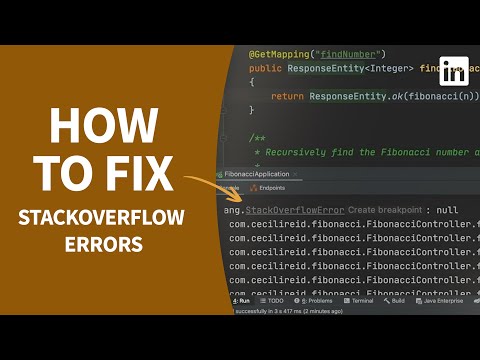
林宜悉 posted on 2025/08/08Ever run into a pesky StackOverflowError while coding in Java? This video dives deep into fixing those frustrating errors in Spring Boot, showing you exactly how to tackle recursion and base case issues. You'll pick up some seriously useful technical vocabulary along the way!
Learn this video on the APP!
The VoiceTube App has more in-depth practice for videos!