
a couple hundred
US
UK
- Determiner
- Approximately two hundred.
- Phrase
- A small number of hundreds; more than one hundred but not many.
A2Moreabundant in
US
UK
- Adjective
- Present in great quantity; plentiful in.
- Well-supplied with something.
along with
US /əˈlɔŋ wɪð/
UK /əˈlɔŋ wið/
- Preposition
- In addition to; together with.
- Adverb
- In company or together with someone or something.
- Including; in addition to.
A2Moreasteroid
US /ˈæstəˌrɔɪd/
UK /ˈæstərɔɪd/
- Noun
- Very small planets that move around the sun
B2Moreat least
US /æt list/
UK /æt li:st/
- Adverb
- As a minimum
- Not less than
- Phrase
- No less than; at the minimum
- Used to indicate that something is positive in a bad situation.
C2Moreat that time
US /æt ðæt taɪm/
UK /æt ðæt taim/
- Phrase
- During a specific point in the past.
A1Moreatmosphere
US /ˈætməˌsfɪr/
UK /'ætməsfɪə(r)/
- Noun (Countable/Uncountable)
- Air around us
- Feeling or mood of a place
A2Moreback down
US /bæk daʊn/
UK /bæk daun/
- Phrasal Verb
- To admit you were wrong; stop claiming
A1Morebiological
US /ˌbaɪəˈlɑdʒɪkəl/
UK /ˌbaɪəˈlɒdʒɪkl/
- Adjective
- Being related to life and living things
- A substance, such as a detergent, that contains enzymes.
B1Moreblast
US /blæst/
UK /blɑ:st/
- Transitive Verb
- To attack someone with words
- To destroy something with explosives
- Noun (Countable/Uncountable)
- Destructive wave of air from an explosion
- Strong current of wind
B1Moreblock out
US /blɑk aʊt/
UK /blɔk aut/
- Phrasal Verb
- To cover so something cannot be seen or heard
- To push back terrible memories to forget them
A2Moreby chance
US /baɪ tʃæns/
UK /bai tʃɑ:ns/
- Adverb
- Accidentally; without planning.
- Phrase
- Accidentally; without planning.
B1Morecatalyst
US /ˈkætlɪst/
UK /ˈkætəlɪst/
- Noun (Countable/Uncountable)
- Person/thing causing a change or event to happen
- Substance causing a chemical reaction to speed up
B2TOEICMoreclimate
US /ˈklaɪmɪt/
UK /ˈklaɪmət/
- Noun (Countable/Uncountable)
- Typical weather conditions in a particular place
- The general attitudes, feelings, or opinions that people have at a particular time.
A2Morecollision
US /kəˈlɪʒən/
UK /kəˈlɪʒn/
- Noun
- Act of crashing into someone or something else
- A clash of opposing ideas or interests.
B2Morecommunity
US /kəˈmjunɪti/
UK /kə'mju:nətɪ/
- Noun (Countable/Uncountable)
- Group of people who share a common idea or area
- A feeling of fellowship with others, as a result of sharing common attitudes, interests, and goals.
- Adjective
- Relating to or shared by the people in a particular area.
- Shared or participated in by all members of a group
A2Morecomplex
US /kəmˈplɛks, ˈkɑmˌplɛks/
UK /'kɒmpleks/
- Countable Noun
- Group of buildings all used for the same purpose
- Adjective
- Not being simple; having many parts or aspects
A2Morecontinent
US /ˈkɑntənənt/
UK /ˈkɒntɪnənt/
- Noun (Countable/Uncountable)
- Very large piece of land, e.g. Africa or Asia
- Adjective
- Able to control excretory functions (bowel and bladder).
B1Moredioxide
US /daɪˈɑksaɪd/
UK /daɪˈɒksaɪd/
- Noun
- An oxide containing two oxides per molecule
B2Moredrop into
US
UK
- Phrasal Verb
- To visit someone or some place casually and often briefly.
- To descend or fall into a state or condition.
B1Moreenormous
US /ɪˈnɔrməs/
UK /iˈnɔ:məs/
- Adjective
- Huge; very big; very important
- Very great in size, amount, or degree.
A2Moreerase
US /ɪˈreɪs/
UK /ɪˈreɪz/
- Transitive Verb
- To remove data in computer memory, tape, etc.
- To remove written information by mistake
B2TOEICMoreessentially
US /ɪˈsenʃəli/
UK /ɪˈsenʃəli/
- Adverb
- Basically; (said when stating the basic facts)
- Used to emphasize the basic truth or fact of a situation.
A2Moreeventually
US /ɪˈvɛntʃuəli/
UK /ɪˈventʃuəli/
- Adverb
- After a long time; after many attempts; in the end
- At some later time; in the future
A2Moreevolve
US /ɪˈvɑlv/
UK /ɪ'vɒlv/
- Verb (Transitive/Intransitive)
- To develop certain features
- To develop or change slowly over time
B1Morefallout
US /ˈfɔlˌaʊt/
UK /'fɔ:laʊt/
- Noun (Countable/Uncountable)
- Radioactive particles after a nuclear explosion
- The adverse results of a situation or action.
C2Morefor example
US
UK
- Phrase
- As an illustration or instance.
for life
US /fɔr laɪf/
UK /fɔ: laif/
- Phrase
- For the duration of one's life; permanently.
- To support someone for the duration of their life.
- Adjective
- Being a member for the entirety of one's life.
A1Morefor sure
US /fɔr ʃʊr/
UK /fɔ: ʃuə/
- Adverb
- Definitely; certainly; without a doubt.
- Used to emphasize a statement.
- Interjection
- An expression of strong agreement or affirmation.
A2Morefor the world
US /fɚ ðə wɝld/
UK /fə ðə wɜ:ld/
- other
- Used to emphasize something would never happen.
B2Morefossil
US /ˈfɑsəl/
UK /'fɒsl/
- Noun (Countable/Uncountable)
- Plant or animal that became rock after many years
- A person or thing that is outdated or no longer useful.
- Adjective
- Relating to or resembling a fossil.
- Relating to or denoting energy generated from fossil fuels.
B1Morego around
US /ɡo əˈraʊnd/
UK /ɡəu əˈraund/
- Phrasal Verb
- (Of news, gossip) to be known; circulate
- To go here and there, from place to place; wander
A1Moregoing on
US /ˈɡoɪŋ ɑn/
UK /ˈgəʊɪŋ ɔn/
- Phrasal Verb
- To continue doing something
- To happen (usually negative)
A1Moregot to
US /ɡɑt tu/
UK /gɔt tu:/
- Verb (Transitive/Intransitive)
- To arrive at some place
- To have the opportunity or permission to do something
- Phrasal Verb
- To appeal to the emotions of; move
- To finally begin to start something after a delay
A1Morehappen by
US /ˈhæpən baɪ/
UK /ˈhæpən baɪ/
- other
- To visit a place casually or unexpectedly.
B2Morehas over
US
UK
- Phrasal Verb
- To invite someone to your house.
- To have more than a certain number or amount.
A1Morehave to
US /hæv tu/
UK /ˈhæv tə/
- Auxiliary Verb
- Must do
A1Morehemisphere
US /ˈhɛmɪˌsfɪr/
UK /ˈhemɪsfɪə(r)/
- Noun (Countable/Uncountable)
- One half of a rounded, ball-like object
- One of the two masses forming the brain
B2Moreimpact
US /ˈɪmˌpækt/
UK /'ɪmpækt/
- Noun
- A striking effect or result to hit with force
- Act or force of one thing hitting something else
- Verb (Transitive/Intransitive)
- To hit or strike someone or something with force
- To have a strong effect on someone or something.
A2TOEICMorein a minute
US
UK
- Phrase
- Very soon; in a short amount of time.
- Within the duration of one minute.
A1Morein general
US /ɪn ˈdʒɛnərəl/
UK /in ˈdʒenərəl/
- Phrase
- Typically; usually; on the whole.
- Not specific or detailed; broadly.
- Adjective
- Not detailed or specific; overall.
C2Morein motion
US /ɪn ˈmoʃən/
UK /in ˈməuʃən/
- Phrase
- Moving; not stationary.
C2Morein places
US
UK
- Phrase
- In some locations but not others
A1Morein terms of
US
UK
- Phrase
- With regard to; concerning a particular aspect.
A1Moreknow about
US /noʊ əˈbaʊt/
UK /nəʊ əˈbaut/
- Phrasal Verb
- To have information or understanding of a subject or situation.
layer
US /ˈleɚ/
UK /ˈleiə/
- Noun (Countable/Uncountable)
- One of several sheets of a material or object
- A covering of something spread over a surface.
- Transitive Verb
- To put things one on top of another
B1TOEICMorelikelihood
US /ˈlaɪkliˌhʊd/
UK /ˈlaɪklihʊd/
- Uncountable Noun
- Chance that something might happen
B1TOEICMorelook at
US /lʊk æt/
UK /luk æt/
- Phrasal Verb
- To use your eyes to focus on something
- To focus your eyes on something carefully
A1Moremass
US /mæs/
UK /mæs/
- Noun (Countable/Uncountable)
- Religious ceremony in some Christian churches
- Large amount or number of something
- Transitive Verb
- To gather people or things into a large group
B1Morematerial
US /məˈtɪriəl/
UK /məˈtɪəriəl/
- Noun (Countable/Uncountable)
- Cloth; fabric
- Supplies or data needed to do a certain thing
- Adjective
- Relevant; (of evidence) important or significant
- Belonging to the world of physical things
A2Moreminor
US /ˈmaɪnɚ/
UK /'maɪnə(r)/
- Adjective
- Not so large in size; not important or valuable
- An interval a half tone smaller than its major
- Noun
- Subject studied in college, but not the main one
- Someone too young to be legally responsible
B1Moremurky
US /ˈmɜrki/
UK /ˈmɜ:ki:/
- Adjective
- Being dark, unclear, and difficult to see through
B2Morenecessarily
US /ˌnɛsɪˈsɛrəli, -ˈsɛr-/
UK /ˌnesəˈserəli/
- Adverb
- In a way that is needed/required/is unavoidable
A2TOEICMoreodd
US /ɑd/
UK /ɒd/
- Adjective
- Being unmatched with someone or something
- Being a number not able to be divided by two
A2Moreof course
US /ʌv kɔː(r)s/
UK /ɔv kɔː(r)s/
- Adverb
- Sure ; Certainly
- Phrase
- For sure; certainly
A2Moreon earth
US /ɑn ɚθ/
UK /ɔn ə:θ/
- Phrase
- Used to emphasize a question expressing surprise or anger.
- Used to emphasize that something is not possible or will not happen.
A1Moreon the surface
US /ɑn ði ˈsɚfəs/
UK /ɔn ðə ˈsə:fis/
- Phrase
- Appearing to be true or real until examined more closely.
- Located on the outer part or uppermost layer of something.
B2Moreout there
US /aʊt ðɛr/
UK /aut ðɛə/
- Adverb
- In or to a place that is far away
- Existing in the universe
- Adjective
- Unconventional; strange; avant-garde
- Existing or available.
A1Morepattern
US /ˈpætən/
UK /'pætn/
- Noun (Countable/Uncountable)
- Model to follow in making or doing something
- Colors or shapes which are repeated on objects
- Transitive Verb
- To copy the way something else is made
- To decorate with a pattern.
A2TOEICMorepeninsula
US /pəˈnɪnsjələ, -sələ/
UK /pə'nɪnsjələ/
- Noun
- Narrow strip of land projecting into a sea or lake
B2Moreprevious
US /ˈpriviəs/
UK /ˈpri:viəs/
- Adjective
- Existing or happening before the present time
- Existing or occurring immediately before in time or order.
- Noun
- A button or link that allows navigation to a preceding item or page.
A2TOEICMoreprior
US /ˈpraɪɚ/
UK /'praɪə(r)/
- Adjective
- Existing or coming earlier in time
- (Of a claim, etc.) more important than another one
- Noun
- Monk or priest in charge of a monastery
B1TOEICMoreprior to
US /ˈpraɪɚ tu/
UK /ˈpraiə tu:/
- Preposition
- Before a particular time or event.
C1Moreprofound
US /prəˈfaʊnd, pro-/
UK /prə'faʊnd/
- Adjective
- Requiring deep thought; difficult to understand
- Showing a lot of deep thought or understanding
B1Morerandom
US /ˈrændəm/
UK /'rændəm/
- Adjective
- Chosen, done without a particular plan or pattern
B1Morerapidly
US /ˈræpɪdlɪ/
UK /'ræpɪdlɪ/
- Adverb
- With great speed; quickly
B1TOEICMorered hot
US /rɛd hɑt/
UK /red hɔt/
- Adjective
- Extremely hot; heated to a point of glowing red.
- Very exciting, popular, or successful.
A1Moreremarkable
US /rɪˈmɑrkəbəl/
UK /rɪˈmɑ:kəbl/
- Adjective
- Interesting and unexpected, worthy of notice
- Worthy of attention; striking.
A2TOEICMorereset
US /riˈsɛt/
UK /ˌri:'set/
- Transitive Verb
- To return to the original start or formation
- Verb (Transitive/Intransitive)
- To return to the original start or formation
C1Moreright for
US
UK
- Adjective
- Suitable or appropriate for a particular person, purpose, or situation.
- Correct or most appropriate.
A1Morescale
US /skel/
UK /skeɪl/
- Noun (Countable/Uncountable)
- Size, level, or amount when compared
- Small hard plates that cover the body of fish
- Verb (Transitive/Intransitive)
- To change the size of but keep the proportions
- To climb something large (e.g. a mountain)
A2TOEICMoresee in
US /si ɪn/
UK /si: in/
- Phrasal Verb
- To accompany someone to the entrance of a building or room.
A1Moreset off
US /sɛt ɔf/
UK /set ɒf/
- Phrasal Verb
- To start a journey
- To cause something to explode or start working.
- Transitive Verb
- To cause to explode.
A1Moreset up
US /sɛt ʌp/
UK /set ʌp/
- Phrasal Verb
- To make arrangements for something; establish
- Verb (Transitive/Intransitive)
- To arrange or prepare something for use.
- To start a business, organization, etc.
A1Moreshut down
US /ʃʌt daʊn/
UK /ʃʌt daun/
- Phrasal Verb
- To close an operating system, e.g. on a computer
- To stop a factory/machine from operating
- Transitive Verb
- To deactivate a nuclear reactor.
- To turn off a computer or other electronic device.
A2Moresignature
US /ˈsɪɡnətʃɚ/
UK /ˈsɪgnətʃə(r)/
- Adjective
- Something that represents a person's work or style
- Noun (Countable/Uncountable)
- Person's name written in their handwriting
- The key in which a piece of music is written, indicated by sharps or flats at the beginning of the stave.
B1Moreslam
US /slæm/
UK /slæm/
- Transitive Verb
- To criticize sharply
- To shut with a lot of force, making a loud noise
- Noun
- Act or sound of closing a door, etc. violently
B1Moretake out
US /tek aʊt/
UK /teik aut/
- Phrasal Verb
- To apply for and get a license
- To take someone on a date
- Uncountable Noun
- Food purchased at a restaurant to eat elsewhere.
A1Morethink about
US /θɪŋk əˈbaʊt/
UK /θiŋk əˈbaut/
- Phrasal Verb
- To consider something carefully.
- To remember or call to mind.
A1Morethink of
US /θɪŋk ʌv/
UK /θiŋk ɔv/
- Phrasal Verb
- To look on as (being something specific); consider
- To consider or remember something.
- Verb (Transitive/Intransitive)
- To imagine or call something to mind
A1Moreto do with
US
UK
- Phrasal Verb
- To be about something; concern
A1Moreuniverse
US /ˈjunəˌvɚs/
UK /ˈju:nɪvɜ:s/
- Noun (Countable/Uncountable)
- All of space that contains planets and stars
- Things surrounding a person, affecting their life
B2Moreused to
US /juzd tu/
UK /ˈju:st tə/
- Adjective
- Did regularly before, but don't do now
- Auxiliary Verb
- Have done before, but do not do now
A1Morewalk through
US /wɔk θru/
UK /wɔ:k θru:/
- Phrasal Verb
- To show someone carefully how to do something
A1Morewith it
US /wɪð ɪt/
UK /wið it/
- Adjective
- Intelligent, alert, and up-to-date.
- Understanding and knowledgeable about current trends or information.
A1Morewith respect to
US /wɪð rɪˈspɛkt tu/
UK /wið risˈpekt tu:/
- Preposition
- In relation to; regarding.
- Phrase
- In relation to; concerning.
A1More
Vocabulary
- on earth: Used to emphasize a question expressing surprise or anger.
- think about: To consider something carefully.
- for example: As an illustration or instance.
- going on: To continue doing something
- know about: To have information or understanding of a subject or situation.
- at least: As a minimum
- in terms of
- of course: Sure ; Certainly
- got to: To arrive at some place
- red hot: Extremely hot; heated to a point of glowing red.
- used to: Did regularly before, but don't do now
- abundant in: Present in great quantity; plentiful in.
- out there: In or to a place that is far away
- think of: To look on as (being something specific); consider
- go around: (Of news, gossip) to be known; circulate
- right for: Suitable or appropriate for a particular person, purpose, or situation.
- walk through: To show someone carefully how to do something
- with it: Intelligent, alert, and up-to-date.
- along with: In addition to; together with.
- by chance: Accidentally; without planning.
- happen by: To visit a place casually or unexpectedly.
- for sure: Definitely; certainly; without a doubt.
- for life: For the duration of one's life; permanently.
- for the world: Used to emphasize something would never happen.
- with respect to: In relation to; regarding.
- drop into: To visit someone or some place casually and often briefly.
- prior to: Before a particular time or event.
- a couple hundred: Approximately two hundred.
- at that time: During a specific point in the past.
- in motion: Moving; not stationary.
- in a minute: Very soon; in a short amount of time.
- on the surface: Appearing to be true or real until examined more closely.
- has over: To invite someone to your house.
- in general: Typically; usually; on the whole.
- to do with: To be about something; concern
- have to: Must do
- in places: In some locations but not others
- set up
- back down: To admit you were wrong; stop claiming
- set off: To start a journey
- block out: To cover so something cannot be seen or heard
- shut down: To close an operating system, e.g. on a computer
- take out: To apply for and get a license
- look at: To use your eyes to focus on something
- see in: To accompany someone to the entrance of a building or room.
- sort: To organize things by putting them into groups
- essentially: Basically; (said when stating the basic facts)
- eventually: After a long time; after many attempts; in the end
- enormous: Huge; very big; very important
- material: Cloth; fabric
- profound: Requiring deep thought; difficult to understand
- pattern: Model to follow in making or doing something
- period: Set amount of time during which events take place
- scale: Size, level, or amount when compared
- impact: A striking effect or result to hit with force
- evolve: To develop certain features
- necessarily: In a way that is needed/required/is unavoidable
- community: Group of people who share a common idea or area
- random: Chosen, done without a particular plan or pattern
- atmosphere: Air around us
- complex: Group of buildings all used for the same purpose
- previous: Existing or happening before the present time
- climate: Typical weather conditions in a particular place
- imagine: To think creatively about; form mental picture of
- continent: Very large piece of land, e.g. Africa or Asia
- exist: To be present, alive or real
- odd: Being unmatched with someone or something
- brain: To strike someone forcefully on the head
- draw: To attract attention to someone or something
- blast: To attack someone with words
- series: Set of stories or articles on a particular subject
- universe: All of space that contains planets and stars
- signature: Something that represents a person's work or style
- remarkable: Interesting and unexpected, worthy of notice
- rapidly: With great speed; quickly
- hemisphere: One half of a rounded, ball-like object
- create: To make, cause, or bring into existence
- mass: Religious ceremony in some Christian churches
- prior: Existing or coming earlier in time
- likelihood: Chance that something might happen
- record: Highest or most extreme level achieved
- layer: One of several sheets of a material or object
- slam: To criticize sharply
- minor: Not so large in size; not important or valuable
- fossil: Plant or animal that became rock after many years
- collision: Act of crashing into someone or something else
- dioxide: An oxide containing two oxides per molecule
- biological: Being related to life and living things
- lot: What happens to a person in life from chance; fate
- hit: To have a negative impact on a person/place/thing
- peninsula: Narrow strip of land projecting into a sea or lake
- asteroid: Very small planets that move around the sun
- catalyst: Person/thing causing a change or event to happen
- murky: Being dark, unclear, and difficult to see through
- change: To exchange one set of clothes for another
- land: Region or country
- hard: Difficult to do; difficult to understand
- make: To arrange or prepare something e.g. dinner
- erase: To remove data in computer memory, tape, etc.
- fallout: Radioactive particles after a nuclear explosion
- reset: To return to the original start or formation
Get the full experience in the app
Learn anywhere with detailed sentence and usage analysis
01:03
She took a brave step forward, leaving behind her comfort zone to chase her dreams.
Vocabulary
- brave
adj. Having courage
- comfort zone
phr. A familiar situation where one feels safe
Explanation
a brave step is a noun phrase, where brave is an adjective modifying the noun step, meaning "a courageous step".
forward is an adverb modifying step, meaning "ahead".
The whole phrase serves as the object, answering the "what" of took (verb) — she took a brave step forward.
Get the full experience in the app
Look up words anytime with pronunciation, part of speech, and usage
brave
US/brev/
UK/breɪv/
adj.Brave
v.t.To bravely face
A2 Elementary
Get the full experience in the app
Practice speaking anytime and get instant pronunciation feedback
Try this speaking exercise.
Try practicing with this sentence.
80
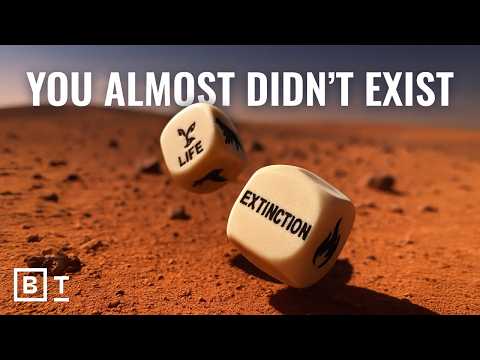
How 2 freak accidents shaped human evolution | Sean B. Carroll Segment
0
林宜悉 posted on 2025/08/07Ever wonder if life beyond Earth is likely? This fascinating clip explores the incredible odds and a series of 'freak accidents' that led to complex life, including us, on our planet! You'll pick up some great vocabulary about evolution, mass extinctions, and the cosmic 'chance and catastrophe' that shaped our world.
Learn this video on the APP!
The VoiceTube App has more in-depth practice for videos!