
absolutely
US /ˈæbsəˌlutli, ˌæbsəˈlutli/
UK /ˈæbsəlu:tli/
- Adverb
- Completely; totally; very
- Considered independently and without relation to other things; viewed abstractly; as, quantity absolutely considered.
A2Moreartificially
US /ˌɑrtəˈfɪʃəlɪ/
UK /ˌɑ:tɪ'fɪʃəlɪ/
- Adverb
- Not naturally; made by people
B1Moreas long as
US /æz lɔŋ æz/
UK /æz lɔŋ æz/
- Conjunction
- For the period that; provided that.
- For the length of time that
- Preposition
- On the condition that; providing that.
- Having the same length as.
A1Moreat best
US /æt bɛst/
UK /æt best/
- Phrase
- Under the most optimistic or favorable circumstances; the most that can be hoped for.
A1Moreat its peak
US
UK
- Phrase
- At the highest point of achievement, intensity, or development.
A1Moreback out
US /bæk aʊt/
UK /bæk aut/
- Phrasal Verb
- To say you will now not do something you promised
A1Morebankrupt
US /ˈbæŋkˌrʌpt, -rəpt/
UK /ˈbæŋkrʌpt/
- Adjective
- Unable to pay debts
- Lacking in moral qualities; morally deficient.
- Transitive Verb
- To cause to not be able to pay debts
- To ruin or destroy something.
B2TOEICMoreborrow
US /ˈbɑ:roʊ/
UK /ˈbɒrəʊ/
- Transitive Verb
- To take and later return something from another
- To carry one number to another column when adding
A2TOEICMorebubble
US /ˈbʌbəl/
UK /ˈbʌbl/
- Countable Noun
- A small ball of air inside of a liquid
- Intransitive Verb
- (Of a liquid) to produce bubbles, as when boiling
- To show intense emotion, e.g. excitement, anger
B1TOEICMorecollapse
US /kəˈlæps/
UK /kə'læps/
- Verb (Transitive/Intransitive)
- To fold (e.g. a stroller) down to make it smaller
- To suddenly fall down or break apart into pieces
- Noun
- The sudden failure of a structure or system.
- The sudden failure of a bodily organ or function.
B1Morecongress
US /ˈkɑŋɡrɪs/
UK /'kɒŋɡres/
- Noun (Countable/Uncountable)
- Meeting of elected or appointed representatives
- Proper Noun
- American governing body of elected representatives
B1Morecorrect
US /kəˈrɛkt/
UK /kə'rekt/
- Adjective
- Being suitable and appropriate for an occasion
- True or accurate
- Transitive Verb
- To fix a problem
- To write marks on a piece of work to show mistakes
A2Morecrisis
US /ˈkraɪsɪs/
UK /'kraɪsɪs/
- Noun (Countable/Uncountable)
- Unstable situation of extreme danger or difficulty
- A turning point in a disease.
B1Moredeal with
US /dil wɪð/
UK /di:l wið/
- Verb (Transitive/Intransitive)
- To buy or sell goods or services.
- Phrasal Verb
- To take action to solve a problem or manage a situation.
- To be about; concern.
A1Moredepression
US /dɪˈprɛʃən/
UK /dɪ'preʃn/
- Noun (Countable/Uncountable)
- Medical condition of a lack of vitality
- Period of unemployment and low economic activity
B2Moredramatically
US /drəˈmætɪkl:ɪ/
UK /drə'mætɪklɪ/
- Adverb
- In a sudden or extreme manner
- In a theatrical or exaggerated manner.
B1Moreeconomic
US /ˌɛkəˈnɑmɪk, ˌikə-/
UK /ˌi:kəˈnɒmɪk/
- Adjective
- Concerning trade, industry, and money
- Financially worthwhile; profitable.
- Noun
- A system relating to economics
- A factor relating to economics
A2Moreend up with
US
UK
- Phrasal Verb
- To have something as a result.
A1Moreentire
US /ɛnˈtaɪr/
UK /ɪn'taɪə(r)/
- Adjective
- Complete or full; with no part left out; whole
- Undivided; not shared or distributed.
A2TOEICMoreexact
US /ɪɡˈzækt/
UK /ɪɡ'zækt/
- Adjective
- Completely correct; accurate; specific
- Transitive Verb
- To get something, sometimes using force
A2TOEICMorefinancial
US /faɪˈnænʃ(ə)l/
UK /faɪˈnænʃl/
- Adjective
- Involving money
- Relating to investments.
- Countable Noun
- A person who provides advice on financial matters.
A2TOEICMorefold down
US
UK
- Phrasal Verb
- To collapse or flatten something by bending it over.
- To reduce the size of something by folding it.
A1Morefor example
US
UK
- Phrase
- As an illustration or instance.
freak out
US /frik aʊt/
UK /fri:k aut/
- Phrasal Verb
- To react or behave in a wild or irrational way
- To become very anxious, upset, or afraid; to panic.
- Intransitive Verb
- To experience or display extreme emotions, such as fear or panic.
- To have a very disturbing and frightening experience caused by taking drugs.
B2Moreget out of
US /ɡɛt aʊt ʌv/
UK /ɡet aut ɔv/
- Phrasal Verb
- To leave or escape responsibilities, troubles
- To leave a small, enclosed vehicle
A1Moreglobe
US /gloʊb/
UK /gləʊb/
- Noun (Countable/Uncountable)
- A round object, e.g. like the earth; sphere
B1TOEICMorego out
US /ɡo aʊt/
UK /ɡəu aut/
- Phrase
- To leave a building (e.g. a house)
- Phrasal Verb
- (Of a fire) to burn out; be extinguished
- Go out of fashion to stop being fashionable
A1Morehave to
US /hæv tu/
UK /ˈhæv tə/
- Auxiliary Verb
- Must do
A1Moreimpose
US /ɪmˈpoʊz/
UK /ɪmˈpəʊz/
- Transitive Verb
- To make someone to do or endure something
A2TOEICMorein fact
US /ɪn fækt/
UK /in fækt/
- Adverb
- Used to emphasize the truth of a statement, especially one that contrasts with or contradicts something else.
- Used to introduce a more detailed or surprising piece of information.
- Phrase
- Used to emphasize the truth of a statement, especially one that is surprising or contrary to what might be expected.
C1Morein the first place
US
UK
- Phrase
- To begin with; as the first point or consideration.
- From the beginning; initially.
A1Morein the past
US
UK
- Phrase
- During a former period of time; previously.
A1Morein theory
US /ɪn ˈθiəri/
UK /in ˈθiəri/
- Adverb
- According to the stated ideas or principles
- Phrase
- According to the theoretical possibilities rather than actual practice.
B2Moreinefficient
US /ˌɪnɪˈfɪʃənt/
UK /ˌɪnɪˈfɪʃnt/
- Adjective
- Unable to act in a way that saves resources
B1Moreinvest
US /ɪnˈvɛst/
UK /ɪn'vest/
- Transitive Verb
- To use resources to build for the future
A2TOEICMorelead to
US /lid tu/
UK /li:d tu:/
- Phrasal Verb
- To result in some action
- Verb (Transitive/Intransitive)
- To have something as a consequence or result.
A1Morelook at
US /lʊk æt/
UK /luk æt/
- Phrasal Verb
- To use your eyes to focus on something
- To focus your eyes on something carefully
A1Moremade with
US
UK
- Phrase
- Containing a particular ingredient or material.
- Created or produced using a specific tool, method, or process.
- Phrasal Verb
- To offer or provide something, often quickly or unexpectedly.
A1Moremargin
US /ˈmɑ:rdʒən/
UK /ˈmɑ:dʒɪn/
- Noun (Countable/Uncountable)
- Edge of an area
- Edge or border of a page on above, below
B1TOEICMoreof course
US /ʌv kɔː(r)s/
UK /ɔv kɔː(r)s/
- Adverb
- Sure ; Certainly
- Phrase
- For sure; certainly
A2Moreon the brink of
US /ɑːn ðiː brɪŋk ɑːv/
UK
- Phrase
- Very near to experiencing something, usually something unpleasant.
- About to happen; imminent.
A1Moreout of nowhere
US
UK
- Phrase
- Suddenly and unexpectedly; from an unknown place or source.
pay back
US /pe bæk/
UK /pei bæk/
- Phrasal Verb
- To return money or a favor
- To take revenge on someone for doing something bad
A1Morepeak
US /pik/
UK /pi:k/
- Noun
- Part of a cap that sticks out over your eyes
- The very top of a mountain
- Intransitive Verb
- To reach the highest or best point
B1Morepresident
US /ˈprɛzɪdənt,-ˌdɛnt/
UK /ˈprezɪdənt/
- Noun
- Person in charge of a country, or organization
- The highest-ranking executive in a corporation or organization.
A2TOEICMorerecession
US /rɪˈsɛʃən/
UK /rɪˈseʃn/
- Uncountable Noun
- Act of moving backward gradually
- Decreased business activity, when work is scarce
B2TOEICMoresit down
US /sit daʊn/
UK /sit daun/
- Phrasal Verb
- To take a seat
A1Morestock
US /stɑk/
UK /stɒk/
- Noun (Countable/Uncountable)
- Animals such as cattle kept for breeding
- Merchandise; goods kept by a business for sale
- Uncountable Noun
- Tasty liquid added to stews, soups etc.
B2TOEICMoresuch as
US /sʌtʃ æz/
UK /sʌtʃ æz/
- Preposition
- For example; like
A1Moresuffer
US / ˈsʌfɚ/
UK /'sʌfə(r)/
- Verb (Transitive/Intransitive)
- To experience pain, illness, or injury
- To allow or permit something, especially something unpleasant.
A2Moresuppose
US /səˈpoʊz/
UK /sə'pəʊz/
- Verb (Transitive/Intransitive)
- To imagine or guess what might happen
- Conjunction
- What if
A2TOEICMoretariff
US /ˈtærɪf/
UK /'tærɪf/
- Noun (Countable/Uncountable)
- List of fixed prices at hotel
- Tax that a government collects on imported goods
B2Moreto let
US /tu lɛt/
UK /tu let/
- Preposition
- Indicates that a property is available for rent.
A2Moreto the point
US /tu ði pɔɪnt/
UK /tu: ðə pɔint/
- Adjective
- Expressing something directly and without unnecessary detail.
- Phrase
- Relevant and pertinent to the matter at hand.
A2Moretrade
US /treid/
UK /treɪd/
- Noun (Countable/Uncountable)
- A specific industry, e.g. shoe making
- Action of buying and selling things in business
- Transitive Verb
- To buy, sell and exchange goods in business
- To give something in return for something else
A2TOEICMoreturn into
US /tɚn ˈɪntu/
UK /tə:n ˈɪntuː/
- Phrasal Verb
- To change to become something else
- To change your direction to go into a place
A1Moreunemployment
US /ˌʌnɛmˈplɔɪmənt,-ɪm-/
UK /ˌʌnɪmˈplɔɪmənt/
- Uncountable Noun
- Number of people without jobs in a country
- State of not having a job
B1Moreunion
US /ˈjunjən/
UK /'ju:nɪən/
- Noun (Countable/Uncountable)
- Act of joining two or more things into one
- Marriage
- Proper Noun
- The United States of America, especially during the Civil War.
A2TOEICMoreused to
US /juzd tu/
UK /ˈju:st tə/
- Adjective
- Did regularly before, but don't do now
- Auxiliary Verb
- Have done before, but do not do now
A1Morewhatsoever
US /ˌhwɑtsoˈɛvɚ,ˌhwʌt-,ˌwɑt,ˌwʌt-/
UK /ˌwɒtsəʊ'evə/
- Determiner
- Used to add emphasis to an idea being expressed
B2Moreworth
US /wɚθ/
UK /wɜ:θ/
- Noun (Countable/Uncountable)
- the financial, practical or moral value of somebody/something
- having a particular value, especially in money
- Adjective
- Having a specified value.
A2More
Vocabulary
- look at: To use your eyes to focus on something
- in the first place: To begin with; as the first point or consideration.
- in the past: During a former period of time; previously.
- get out of: To leave or escape responsibilities, troubles
- for example: As an illustration or instance.
- to let: Indicates that a property is available for rent.
- have to: Must do
- lead to: To result in some action
- of course: Sure ; Certainly
- back out: To say you will now not do something you promised
- in fact: Used to emphasize the truth of a statement, especially one that contrasts with or contradicts something else.
- end up with: To have something as a result.
- freak out: To react or behave in a wild or irrational way
- fold down: To collapse or flatten something by bending it over.
- sit down: To take a seat
- to the point: Expressing something directly and without unnecessary detail.
- in theory: According to the stated ideas or principles
- as long as: For the period that; provided that.
- turn into: To change to become something else
- go out: To leave a building (e.g. a house)
- at best: Under the most optimistic or favorable circumstances; the most that can be hoped for.
- pay back: To return money or a favor
- such as: For example; like
- used to: Did regularly before, but don't do now
- at its peak: At the highest point of achievement, intensity, or development.
- on the brink of: Very near to experiencing something, usually something unpleasant.
- out of nowhere: Suddenly and unexpectedly; from an unknown place or source.
- made with: Containing a particular ingredient or material.
- deal with
- entire: Complete or full; with no part left out; whole
- absolutely: Completely; totally; very
- depression: Medical condition of a lack of vitality
- crisis: Unstable situation of extreme danger or difficulty
- exact: Completely correct; accurate; specific
- imagine: To think creatively about; form mental picture of
- suppose: To imagine or guess what might happen
- financial: Involving money
- worth: the financial, practical or moral value of somebody/something
- recession: Act of moving backward gradually
- collapse: To fold (e.g. a stroller) down to make it smaller
- suffer: To experience pain, illness, or injury
- deal: To cope with something - usually troubles
- dramatically: In a sudden or extreme manner
- simply: In an easy or clear manner
- congress: Meeting of elected or appointed representatives
- stock: Animals such as cattle kept for breeding
- raise: To increase a bet above another when playing cards
- suddenly: In an unexpected or very quick manner
- rest: Time when one relaxes, sleeps, or is inactive
- rate: To assess something or consider its qualities
- lead: Wire for electricity, computer, etc.; cable
- invest: To use resources to build for the future
- trade: A specific industry, e.g. shoe making
- economy: Using money, resources in a careful, effective way
- fall: Season after summer and before winter; Autumn
- correct: Being suitable and appropriate for an occasion
- peak: Part of a cap that sticks out over your eyes
- normal: Standard or regular way of doing something
- tariff: List of fixed prices at hotel
- lot: What happens to a person in life from chance; fate
- margin: Edge of an area
- century: Period of 100 years
- whatsoever: Used to add emphasis to an idea being expressed
- impose: To make someone to do or endure something
- president: Person in charge of a country, or organization
- fact: Something that is known or proved to be true
- simple: Not hard to understand or do; not complex
- economic: Concerning trade, industry, and money
- union: Act of joining two or more things into one
- borrow: To take and later return something from another
- bubble: A small ball of air inside of a liquid
- globe: A round object, e.g. like the earth; sphere
- unemployment: Number of people without jobs in a country
- inefficient: Unable to act in a way that saves resources
- bankrupt: Unable to pay debts
- artificially: Not naturally; made by people
Get the full experience in the app
Learn anywhere with detailed sentence and usage analysis
01:03
She took a brave step forward, leaving behind her comfort zone to chase her dreams.
Vocabulary
- brave
adj. Having courage
- comfort zone
phr. A familiar situation where one feels safe
Explanation
a brave step is a noun phrase, where brave is an adjective modifying the noun step, meaning "a courageous step".
forward is an adverb modifying step, meaning "ahead".
The whole phrase serves as the object, answering the "what" of took (verb) — she took a brave step forward.
Get the full experience in the app
Look up words anytime with pronunciation, part of speech, and usage
brave
US/brev/
UK/breɪv/
adj.Brave
v.t.To bravely face
A2 Elementary
Get the full experience in the app
Practice speaking anytime and get instant pronunciation feedback
Try this speaking exercise.
Try practicing with this sentence.
80
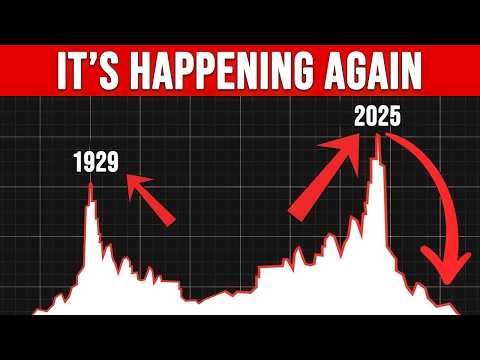
The Last Time This Happened… US Economy Collapsed
0
林宜悉 posted on 2025/08/05Ever wondered what causes economic collapses? This video dives deep into the 1929 Great Depression, exploring factors like economic bubbles and tariffs, and you'll pick up some advanced vocabulary along the way! It's a fantastic chance to boost your understanding of US history and economics while expanding your word power.
Learn this video on the APP!
The VoiceTube App has more in-depth practice for videos!