
advance
US /ædˈvæns/
UK /əd'vɑ:ns/
- Noun
- Forward movement by an army
- An attempt to seduce someone
- Verb (Transitive/Intransitive)
- (Of an army) to move forward
- To change or improve
A2TOEICMoreaffect
US /əˈfɛkt/
UK /ə'fekt/
- Transitive Verb
- To cause a change in something else
- To pretend to have or feel (something).
- Noun
- (Psychology) Emotion or feeling.
A2TOEICMoreaid
US /ed/
UK /eɪd/
- Transitive Verb
- To help others and provide things
- Noun (Countable/Uncountable)
- Action of giving help to others
- Money or help given to those who need it
A2TOEICMorealert
US /əˈlɚt/
UK /ə'lɜ:t/
- Adjective
- Being aware and able to respond quickly
- Transitive Verb
- To warn someone so they can respond to it
B1TOEICMoreat risk
US
UK
- Phrase
- In danger; likely to be harmed
attention
US /əˈtɛnʃən/
UK /əˈtenʃn/
- Noun (Countable/Uncountable)
- Taking notice of someone or something
- Noun
- (Soldiers) Standing with straight backs
A2TOEICMorebrace
US /bres/
UK /breɪs/
- Noun
- Structure that strengthens a joint
- Verb (Transitive/Intransitive)
- To prepare yourself for a struggle/difficult time
B2Morebury
US /ˈbɛri/
UK /'berɪ/
- Transitive Verb
- To put something into the ground and cover it
B1Morecatastrophic
US /ˌkætəˈstrɑfɪk/
UK /ˌkætə'strɒfɪk/
- Adjective
- Causing a lot of damage or suffering
B2Morecause
US /kɔz/
UK /kɔ:z/
- Noun
- Belief, goal or organization that people support
- Reason for
- Transitive Verb
- To make something happen; create effect or result
A2Moreclose by
US /kloz baɪ/
UK /kləuz bai/
- Adverb
- Near in distance; nearby.
- Phrase
- In a position or location that is near.
A2Morecollapse
US /kəˈlæps/
UK /kə'læps/
- Verb (Transitive/Intransitive)
- To fold (e.g. a stroller) down to make it smaller
- To suddenly fall down or break apart into pieces
- Noun
- The sudden failure of a structure or system.
- The sudden failure of a bodily organ or function.
B1Moreconsume
US /kənˈsum/
UK /kən'sju:m/
- Transitive Verb
- To eat, drink, buy or use up something
- To take all your energy; focus the attention
A2TOEICMorecrack
US /kræk/
UK /kræk/
- Noun (Countable/Uncountable)
- Attempt to achieve a goal or objective
- Unexpected and hard hit to the body
- Verb (Transitive/Intransitive)
- To attempt to achieve a goal or objective
- To hit someone or something hard and unexpectedly
B1Morecreep
US /krip/
UK /kri:p/
- Intransitive Verb
- To move quietly so as not to be seen
- Countable Noun
- Scary or disliked person
B1Morecurl
US /kɚrl/
UK /kɜ:l/
- Transitive Verb
- To form something into a round or curved shape
- Noun
- Something that has the shape of a curve or ring
B2Morecurl up
US /kɚrl ʌp/
UK /kə:l ʌp/
- Phrasal Verb
- To lie or sit with your legs bent close to your body.
A1Moredebris
US /dəˈbri, de-, ˈdeˌbri/
UK /dəˈbri:, deɪ-, ˈdeɪˌbri:/
- Uncountable Noun
- Remains of something broken or destroyed
- Accumulated fragments of rock.
B2TOEICMoredevastating
US
UK
- Transitive Verb
- To cause extensive destruction or ruin utterly
- Adjective
- Destroying everything; very shocking
- Causing great emotional pain or shock.
B1Moreenormous
US /ɪˈnɔrməs/
UK /iˈnɔ:məs/
- Adjective
- Huge; very big; very important
- Very great in size, amount, or degree.
A2Moreepisode
US /ˈɛpɪˌsod/
UK /'epɪsəʊd/
- Noun
- One separate event in a series of events
- Show which is part of a larger story
B1TOEICMoreevacuate
US /ɪˈvækjuˌet/
UK /ɪ'vækjʊeɪt/
- Transitive Verb
- To move people from dangerous to a safe places
B2Moreevacuation
US /ɪˌvækjuˈeʃən/
UK /ɪˌvækjʊ'eɪʃn/
- Noun (Countable/Uncountable)
- Sending to a safer place because of danger
- The process of removing people from a dangerous place.
B2Morefurniture
US /ˈfɚnɪtʃɚ/
UK /ˈfɜ:nɪtʃə(r)/
- Uncountable Noun
- Items such as tables, chairs, beds or closets
A2TOEICMoreget out of
US /ɡɛt aʊt ʌv/
UK /ɡet aut ɔv/
- Phrasal Verb
- To leave or escape responsibilities, troubles
- To leave a small, enclosed vehicle
A1Morehalt
US /hɔlt/
UK /hɔ:lt/
- Verb (Transitive/Intransitive)
- To stop, or cause something, e.g. a car, to stop
- Noun
- A temporary or final stop.
B1TOEICMorehide behind
US /haɪd bɪˈhaɪnd/
UK /haɪd bɪˈhaɪnd/
- other
- To avoid responsibility or truth by using something as an excuse.
- To put oneself out of sight by staying at the back of something.
B1Moreidentify
US /aɪˈdɛntəˌfaɪ/
UK /aɪ'dentɪfaɪ/
- Transitive Verb
- To indicate who or what someone or something is
- To say exactly what something is
B1TOEICMorein advance
US /ɪn ædˈvæns/
UK /in ədˈvɑ:ns/
- Phrase
- Ahead of time; before something happens
- Noun
- A payment made before it is due, especially for work to be done
A2Morein danger
US /ɪn ˈdendʒɚ/
UK /in ˈdeindʒə/
- Phrase
- Exposed to the risk of harm, injury, or loss.
- At risk of experiencing something negative or harmful.
A1Morein sight
US /ɪn saɪt/
UK /in sait/
- Phrase
- Visible; able to be seen.
- Near to being achieved; imminent.
in the wind
US /ɪn ðə wɪnd/
UK /ɪn ðə wɪnd/
- other
- Something likely to happen or be revealed soon.
B2Moreinhale
US /ɪnˈhel/
UK /ɪnˈheɪl/
- Verb (Transitive/Intransitive)
- To breathe in something like air or smoke
- To eat or drink something extremely fast
B2Morelandslide
US /ˈlændˌslaɪd/
UK /ˈlændslaɪd/
- Noun (Countable/Uncountable)
- Slide of dirt and rock down a mountain or cliff
- A very big win (in an election)
B2Morelook for
US /lʊk fɔr/
UK /luk fɔ:/
- Phrasal Verb
- To try to find a thing or person that is lost
- To expect or anticipate something.
A1Moremining
US /ˈmaɪnɪŋ/
UK /ˈmaɪnɪŋ/
- Transitive Verb
- To place a bomb in the ground or the sea
- To dig into the earth or sea to obtain minerals
- Uncountable Noun
- Act of digging to get coal, gold, silver etc.
B2Moreoccur
US /əˈkɚ/
UK /əˈkɜ:(r)/
- Intransitive Verb
- To come to pass or to happen
- To be found to exist; to be present.
A2TOEICMoreof a sudden
US
UK
- Phrase
- Quickly and unexpectedly; suddenly.
B2Moreon the alert
US /ɑn ðə əˈlɝt/
UK /ɒn ðə əˈlɜ:t/
- other
- Being watchful and ready to react immediately.
A2Moreoutrun
US /aʊtˈrʌn/
UK /ˌaʊtˈrʌn/
- Transitive Verb
- To run faster than
C1Morepath
US /pæθ, pɑθ/
UK /pɑ:θ/
- Noun
- Method of living leading to a particular result
- Track made with stones, by walking over the ground
A2TOEICMoreresort
US /rɪ'zɔ:rt/
UK /rɪ'zɔ:t/
- Noun
- Act of choosing something to help with a problem
- Vacation hotel or complex; area for holidays
B1TOEICMorerumble
US /ˈrʌmbəl/
UK /ˈrʌmbl/
- Noun
- Low, heavy continuous sound or series of sounds
- Intransitive Verb
- To make low, heavy continuous sounds
B2Moresaturate
US /ˈsætʃəˌret/
UK /ˈsætʃəreɪt/
- Transitive Verb
- To cause a liquid to not be able to absorb more
- To try to fill up e.g. a market
B2Moreseparate
US /'sepəreɪt/
UK /'sepəreɪt/
- Adjective
- Being different from or unrelated to another
- Not connected; different.
- Transitive Verb
- To divide two things by being in between them
- To move things away from each other
A2TOEICMoresettle
US /ˈsɛtl/
UK /'setl/
- Transitive Verb
- To make (a child, etc.) feel calm/ready for sleep
- To complete or finalize e.g. a contract or debt
- Intransitive Verb
- To become accustomed to a new environment
- (Of liquids) to move to the bottom of a container
A2Moreshelter
US /ˈʃɛltɚ/
UK /'ʃeltə(r)/
- Noun (Countable/Uncountable)
- Place to protect people/animals from abuse
- Structure that covers or protects things
- Transitive Verb
- To give animals, people a place away from abuse
- To find protection from danger/bad weather
B1Moresludge
US /slʌdʒ/
UK /slʌdʒ/
- Uncountable Noun
- Very thick type of mud, usually caused by rain
- Transitive Verb
- To cover with sludge.
B2Moresoak
US /sok/
UK /səʊk/
- Transitive Verb
- To make something completely wet
- To place something in liquid for a period of time
- Noun
- Placement in liquid for a period of time
B1Moresoil
US /sɔɪl/
UK /sɔɪl/
- Uncountable Noun
- Conditions in which something develops
- Mix of natural material in which plants grow
- Transitive Verb
- To get or become dirty
B1Morespot
US /spɑt/
UK /spɒt/
- Noun
- A certain place or area
- A difficult time; awkward situation
- Transitive Verb
- To see someone or something by chance
A2TOEICMoresteep
US /stip/
UK /sti:p/
- Adjective
- Very expensive
- Rising or falling very sharply, as a cliff or hill
- Transitive Verb
- To fill with a certain quality, e.g. history
- To put a thing in a liquid for some time
B1TOEICMorestunning
US /ˈstʌnɪŋ/
UK /ˈstʌnɪŋ/
- Adjective
- Causing amazement, e.g. because so very good
- Verb (Transitive/Intransitive)
- To greatly shock or surprise; totally amaze
- To incapacitate using a special gun
B2Moresturdy
US /ˈstɜ:rdi/
UK /ˈstɜ:di/
- Adjective
- Substantially made or built; strong
C2Moresurvive
US /sɚˈvaɪv/
UK /sə'vaɪv/
- Intransitive Verb
- To continue to live despite illness or trouble
A2TOEICMoreswallow
US /ˈswɑː.loʊ/
UK /'swɒləʊ/
- Transitive Verb
- To believe (something that is not true)
- To make food go from your mouth to your stomach
- Countable Noun
- Small northern bird with downward-pointing wings
A2Moresway
US /swe/
UK /sweɪ/
- Uncountable Noun
- Power or influence to control a person or group
- Action of moving slowly from side to side
- Verb (Transitive/Intransitive)
- To change your opinion or position often
- To influence a person's thoughts/opinion; persuade
B2TOEICMoreteeny
US /ˈtini/
UK /'ti:nɪ/
- Adjective
- Very small
C2Moreterrain
US /təˈren/
UK /təˈreɪn/
- Uncountable Noun
- Characteristics (e.g. rough) of a piece of land
- An area of activity or knowledge.
B1Morethink about
US /θɪŋk əˈbaʊt/
UK /θiŋk əˈbaut/
- Phrasal Verb
- To consider something carefully.
- To remember or call to mind.
A1Moretilt
US /tɪlt/
UK /tɪlt/
- Verb (Transitive/Intransitive)
- To change to a newly preferred idea or opinion
- To move something away from the upright
- Noun
- Position in which one side is above the other
B2Moretumble down
US
UK
- Phrasal Verb
- To fall quickly and in a chaotic way.
A1Moreupstairs
US /ˌʌpˈsterz/
UK /ˌʌpˈsteəz/
- Adverb
- On a floor above
- Noun
- The floor above you in a building
C1Morewith it
US /wɪð ɪt/
UK /wið it/
- Adjective
- Intelligent, alert, and up-to-date.
- Understanding and knowledgeable about current trends or information.
A1More
Vocabulary
- of a sudden: Quickly and unexpectedly; suddenly.
- in the wind: Something likely to happen or be revealed soon.
- in sight: Visible; able to be seen.
- tumble down: To fall quickly and in a chaotic way.
- in advance: Ahead of time; before something happens
- get out of: To leave or escape responsibilities, troubles
- at risk: In danger; likely to be harmed
- look for: To try to find a thing or person that is lost
- think about: To consider something carefully.
- on the alert: Being watchful and ready to react immediately.
- hide behind: To avoid responsibility or truth by using something as an excuse.
- close by: Near in distance; nearby.
- with it: Intelligent, alert, and up-to-date.
- curl up: To lie or sit with your legs bent close to your body.
- in danger: Exposed to the risk of harm, injury, or loss.
- episode: One separate event in a series of events
- enormous: Huge; very big; very important
- devastating: To cause extensive destruction or ruin utterly
- spot: A certain place or area
- consume: To eat, drink, buy or use up something
- identify: To indicate who or what someone or something is
- catastrophic: Causing a lot of damage or suffering
- separate: Being different from or unrelated to another
- crack: Attempt to achieve a goal or objective
- stunning: Causing amazement, e.g. because so very good
- alert: Being aware and able to respond quickly
- collapse: To fold (e.g. a stroller) down to make it smaller
- affect: To cause a change in something else
- occur: To come to pass or to happen
- shelter: Place to protect people/animals from abuse
- path: Method of living leading to a particular result
- settle: To make (a child, etc.) feel calm/ready for sleep
- cause: Belief, goal or organization that people support
- attention: Taking notice of someone or something
- debris: Remains of something broken or destroyed
- advance: Forward movement by an army
- aid: To help others and provide things
- survive: To continue to live despite illness or trouble
- create: To make, cause, or bring into existence
- terrain: Characteristics (e.g. rough) of a piece of land
- resort: Act of choosing something to help with a problem
- brace: Structure that strengthens a joint
- halt: To stop, or cause something, e.g. a car, to stop
- risk: To do something potentially dangerous or foolish
- swallow: To believe (something that is not true)
- ground: To break (coffee, etc.) into tiny bits with machine
- furniture: Items such as tables, chairs, beds or closets
- soak: To make something completely wet
- steep: Very expensive
- sturdy: Substantially made or built; strong
- inhale: To breathe in something like air or smoke
- fall: Season after summer and before winter; Autumn
- soil: Conditions in which something develops
- tilt: To change to a newly preferred idea or opinion
- bury: To put something into the ground and cover it
- activity: An action or task, e.g. sports, washing clothes
- creep: To move quietly so as not to be seen
- evacuation: Sending to a safer place because of danger
- evacuate: To move people from dangerous to a safe places
- storm: To act violently or angrily
- catch: Amount of something that has been caught
- chance: The way something happens without planning
- head: To hit a ball with your head in a game
- protect: To defend someone or something from harm or danger
- curl: To form something into a round or curved shape
- step: Movement done as part of a particular dance
- sway: Power or influence to control a person or group
- hide: To go to, or put a thing where it can't be found
- prepare: To make something ready for use
- wind: A current of air moving approximately horizontally, especially one strong enough to be felt
- mining: To place a bomb in the ground or the sea
- carry: To have a child, be pregnant
- teeny: Very small
- saturate: To cause a liquid to not be able to absorb more
- sludge: Very thick type of mud, usually caused by rain
- rumble: Low, heavy continuous sound or series of sounds
- landslide: Slide of dirt and rock down a mountain or cliff
- outrun: To run faster than
- upstairs: On a floor above
Get the full experience in the app
Learn anywhere with detailed sentence and usage analysis
01:03
She took a brave step forward, leaving behind her comfort zone to chase her dreams.
Vocabulary
- brave
adj. Having courage
- comfort zone
phr. A familiar situation where one feels safe
Explanation
a brave step is a noun phrase, where brave is an adjective modifying the noun step, meaning "a courageous step".
forward is an adverb modifying step, meaning "ahead".
The whole phrase serves as the object, answering the "what" of took (verb) — she took a brave step forward.
Get the full experience in the app
Look up words anytime with pronunciation, part of speech, and usage
brave
US/brev/
UK/breɪv/
adj.Brave
v.t.To bravely face
A2 Elementary
Get the full experience in the app
Practice speaking anytime and get instant pronunciation feedback
Try this speaking exercise.
Try practicing with this sentence.
80
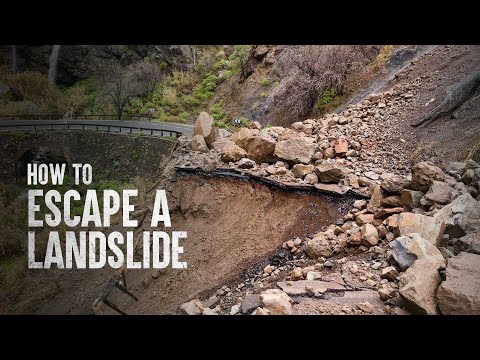
How to Survive a Landslide
0
VoiceTube posted on 2025/08/02Ever wondered how to stay safe if a landslide strikes? This video is packed with essential survival tips, from knowing when to evacuate to the best brace position, and you'll pick up some fantastic vocabulary for emergency situations along the way!
Learn this video on the APP!
The VoiceTube App has more in-depth practice for videos!