
absorb
US /əbˈsɔrb, -ˈzɔrb/
UK /əb'sɔ:b/
- Transitive Verb
- To take up all attention / energy of something
- To take in a liquid; soak up
B1TOEICMoreadolescent
US /ˌædə'lesnt/
UK /ˌædəˈlesnt/
- Noun
- Teenager developing into an adult
- Adjective
- Of the period between childhood and adulthood
B2Moreadore
US /əˈdɔr, əˈdor/
UK /ə'dɔ:(r)/
- Transitive Verb
- To love very much; to give honor to
B2Moreagenda
US /əˈdʒɛndə/
UK /ə'dʒendə/
- Noun (Countable/Uncountable)
- Plan or policy to achieve your goal or intentions
- Outcome you want to happen but do not reveal
B1TOEICMorealong with
US /əˈlɔŋ wɪð/
UK /əˈlɔŋ wið/
- Preposition
- In addition to; together with.
- Adverb
- In company or together with someone or something.
- Including; in addition to.
A2Morearbitrary
US /ˈɑrbɪˌtrɛri/
UK /ˈɑ:bitrəri/
- Adjective
- (Of decisions) unsupported; without any evidence
- Based on random choice or personal whim, rather than any reason or system.
B1TOEICMoreat risk
US
UK
- Phrase
- In danger; likely to be harmed
at some point
US /æt sʌm pɔɪnt/
UK /æt sʌm pɔint/
- Phrase
- At an unspecified time, usually in the future.
A1Morecandid
US /ˈkændɪd/
UK /ˈkændɪd/
- Adjective
- Saying what you think openly and honestly
B2TOEICMoreconcern
US /kənˈsɚn/
UK /kənˈsɜ:n/
- Verb (Transitive/Intransitive)
- To be about a particular topic
- To have a direct impact on someone
- Noun (Countable/Uncountable)
- Company, firm or business
- Feeling of worry or anxiety
A2TOEICMorecope
US /koʊp/
UK /kəʊp/
- Verb (Transitive/Intransitive)
- To deal with something in spite of difficulties
A2Morecope with
US /kop wɪð/
UK /kəup wið/
- Phrasal Verb
- To deal successfully with a difficult situation.
A1Morecrowd
US /kraʊd/
UK /kraʊd/
- Verb (Transitive/Intransitive)
- To force too many things, people into
- (Lots of people) to meet together in one place
- Noun (Countable/Uncountable)
- Large group of people together in one place
A2Moredisdain
US /dɪsˈden/
UK /dɪs'deɪn/
- Uncountable Noun
- Lack of respect because you think you are better
- Transitive Verb
- To show contempt for (and so refuse to do)
B2TOEICMoreeerie
US /ˈɪri/
UK /ˈɪəri/
- Adjective
- Strange, mysterious and frightening
B1Moreelusive
US /ɪˈlusɪv/
UK /iˈlu:sɪv/
- Adjective
- Difficult to find or catch
- Difficult to understand or define
B2Moreemerge
US /ɪˈmɚdʒ/
UK /ɪ'mɜ:dʒ/
- Intransitive Verb
- To rise or appear out of some background
- To become known or apparent.
A2TOEICMoreexpression
US /ɪkˈsprɛʃən/
UK /ɪk'spreʃn/
- Noun (Countable/Uncountable)
- Act of making your thoughts and feelings known
- Group of words that have a specific meaning
A2TOEICMoreextraordinary
US /ɪkˈstrɔ:rdəneri/
UK /ɪkˈstrɔ:dnri/
- Adjective
- Beyond what is ordinary; very unusual; remarkable
- Additional to or different from what is usual or regular.
B1TOEICMorefacilitate
US /fəˈsɪlɪˌtet/
UK /fə'sɪlɪteɪt/
- Transitive Verb
- To make an action or process easier
B1TOEICMorefragile
US /ˈfrædʒəl, -ˌaɪl/
UK /'frædʒaɪl/
- Adjective
- Easily affected, broken, or harmed
- Weak or delicate; easily damaged in health
B2TOEICMorego along with
US /ɡo əˈlɔŋ wɪð/
UK /ɡəu əˈlɔŋ wið/
- Phrasal Verb
- To agree to do something
A1Morehang out
US /hæŋ aʊt/
UK /hæŋ aut/
- Phrasal Verb
- To spend time with your friends
- To spend times with friends or relax doing nothing
A2Morehave to
US /hæv tu/
UK /ˈhæv tə/
- Auxiliary Verb
- Must do
A1Moreidentity
US /aɪˈdɛntɪti/
UK /aɪ'dentətɪ/
- Noun (Countable/Uncountable)
- Collection of qualities that makes a person
- Who someone is; the name of a person
B1Morein fact
US /ɪn fækt/
UK /in fækt/
- Adverb
- Used to emphasize the truth of a statement, especially one that contrasts with or contradicts something else.
- Used to introduce a more detailed or surprising piece of information.
- Phrase
- Used to emphasize the truth of a statement, especially one that is surprising or contrary to what might be expected.
C1Morein love with
US //ɪn lʌv wɪð//
UK
- Adjective
- Feeling romantic love for someone.
- Extremely enthusiastic about or fond of something.
A1Morein on
US
UK
- Phrase
- To be involved in a secret or plan.
- To be aware of something that is secret or not generally known.
A1Morein turn
US
UK
- Adverb
- One after the other in a sequence or rotation.
A1Moreindulgence
US /ɪnˈdʌldʒəns/
UK /ɪnˈdʌldʒəns/
- Uncountable Noun
- Act of letting someone do what he or she wants
- Treat that you allow yourself to have occasionally
B2TOEICMoreironically
US /aɪ'rɒnɪklɪ/
UK /aɪ'rɒnɪklɪ/
- Adverb
- Contrary to plan or expectation
B2Morekeen
US /kin/
UK /ki:n/
- Adjective
- Being eager or excited for something to happen
- Liking something; wanting to do or have; desiring
- Intransitive Verb
- To make a loud sad cry, as because someone died
B1TOEICMorelack
US /læk/
UK /læk/
- Verb (Transitive/Intransitive)
- To not have, or not have enough, of something
- Uncountable Noun
- The state of not having or not having enough of
A2TOEICMoremarvellous
US /ˈmɑːrvələs/
UK /ˈmɑ:vələs/
- Adjective
- Extraordinarily good or great
B2Moremoral
US /ˈmɔrəl, ˈmɑr-/
UK /ˈmɒrəl/
- Adjective
- In a way considered proper and good by most people
- Uncountable Noun
- In a way considered proper and good by most people
A2TOEICMoreopinion
US /əˈpɪnjən/
UK /əˈpɪnjən/
- Noun
- Court judge's statement why a decision was made
- A person's thoughts on a topic
A2TOEICMorepredetermine
US /ˌpri:dɪˈtɜ:rmɪn/
UK /ˌpri:dɪˈtɜ:mɪn/
- Transitive Verb
- To decide or determine ahead of time
C2Morepretend
US /prɪˈtɛnd/
UK /prɪ'tend/
- Verb (Transitive/Intransitive)
- To act as if something is true when it is not
- Adjective
- Not real; imaginary.
A2TOEICMoreprevent
US /prɪˈvɛnt/
UK /prɪ'vent/
- Transitive Verb
- To stop something from happening or existing
A2TOEICMoreprofoundly
US /prəˈfaʊndlɪ/
UK /prəˈfaʊndli/
- Adverb
- With a great depth psychologically
- To a very great extent; deeply or intensely.
B1Moreproperly
US /ˈprɑːpərli/
UK /ˈprɔpəlɪ/
- Adverb
- In an appropriate or correct manner
- In a way that is suitable or appropriate.
A2Moreradically
US /ˈrædɪkl:ɪ/
UK /'rædɪklɪ/
- Adverb
- Completely or extremely
B1Morerage
US /reɪdʒ/
UK /reɪdʒ/
- Uncountable Noun
- Strong or violent anger
- Intransitive Verb
- To act or speak with strong or violent anger
- To move violently, like a storm
B1Morerepulsive
US /rɪˈpʌlsɪv/
UK /rɪˈpʌlsɪv/
- Adjective
- Very unpleasant; that almost makes you feel sick
C1TOEICMorerevere
US /rɪˈvɪr/
UK /riˈviə/
- Transitive Verb
- To give someone great respect and loyalty
B2TOEICMoreridiculous
US /rɪˈdɪkjələs/
UK /rɪˈdɪkjələs/
- Adjective
- Funny or foolish; deserving to be laughed at
A2Moreright for
US
UK
- Adjective
- Suitable or appropriate for a particular person, purpose, or situation.
- Correct or most appropriate.
A1Moresacrifice
US /ˈsækrəˌfaɪs/
UK /'sækrɪfaɪs/
- Noun
- Person/animal killed in a sacrifice (to a god)
- Person/animal killed to please a god
- Transitive Verb
- To kill an animal or human to please a god
- To give up your life for others, for a cause etc.
B1Morescorn
US /skɔ:rn/
UK /skɔ:n/
- Uncountable Noun
- Feeling that something is not worthy of respect
- Transitive Verb
- To show someone is not worthy of your respect
B2Moreseek out
US /sik aʊt/
UK /si:k aut/
- Phrasal Verb
- To look for and find someone or something, especially when it is not easy to find.
B2Moresettle
US /ˈsɛtl/
UK /'setl/
- Transitive Verb
- To make (a child, etc.) feel calm/ready for sleep
- To complete or finalize e.g. a contract or debt
- Intransitive Verb
- To become accustomed to a new environment
- (Of liquids) to move to the bottom of a container
A2Moresignificant
US /sɪɡˈnɪfɪkənt/
UK /sɪgˈnɪfɪkənt/
- Adjective
- Large enough to be noticed or have an effect
- Having meaning; important; noticeable
A2TOEICMoresuperior
US /sʊˈpɪriɚ/
UK /su:'pɪərɪə(r)/
- Adjective
- Better; higher quality
- Higher in rank, status, or quality.
- Noun
- The senior person in a monastic community
- Person of higher rank than you
B1TOEICMoresuspicious
US /səˈspɪʃəs/
UK /səˈspɪʃəs/
- Adjective
- Doubtful about someone's honesty
- Feeling that something is wrong; causing suspicion
B1Moretrap
US /træp/
UK /træp/
- Countable Noun
- Device used for catching animals
- Vehicle pulled by a single horse
- Transitive Verb
- To use a device to catch animals or people
- To hold, e.g. a nerve, so that it cannot move
A2Moreventure
US /ˈvɛntʃɚ/
UK /'ventʃə(r)/
- Noun (Countable/Uncountable)
- (Business) activity involving calculated risks
- A risky or daring journey or undertaking.
- Verb (Transitive/Intransitive)
- To risk something, such as money
- To face the dangers, take the risk of something
B1TOEICMorevet
US /vɛt/
UK /vet/
- Noun
- Short for 'veterinarian' or 'veterinary surgeon'
- Transitive Verb
- To make a careful and critical examination
B2Morework out
US /wɚk aʊt/
UK /wə:k aut/
- Phrasal Verb
- To find a way to do something, by thinking
A1More
Vocabulary
- work out
- in fact: Used to emphasize the truth of a statement, especially one that contrasts with or contradicts something else.
- have to: Must do
- in turn: One after the other in a sequence or rotation.
- cope with: To deal successfully with a difficult situation.
- in on: To be involved in a secret or plan.
- along with: In addition to; together with.
- seek out: To look for and find someone or something, especially when it is not easy to find.
- go along with: To agree to do something
- in love with: Feeling romantic love for someone.
- at risk: In danger; likely to be harmed
- at some point: At an unspecified time, usually in the future.
- hang out: To spend time with your friends
- right for: Suitable or appropriate for a particular person, purpose, or situation.
- extraordinary: Beyond what is ordinary; very unusual; remarkable
- significant: Large enough to be noticed or have an effect
- ridiculous: Funny or foolish; deserving to be laughed at
- pretend: To act as if something is true when it is not
- properly: In an appropriate or correct manner
- expression: Act of making your thoughts and feelings known
- fragile: Easily affected, broken, or harmed
- arbitrary: (Of decisions) unsupported; without any evidence
- sense: Certain mental feeling or emotion
- develop: To explain something in steps and in detail
- opinion: Court judge's statement why a decision was made
- suspicious: Doubtful about someone's honesty
- sacrifice: Person/animal killed in a sacrifice (to a god)
- prevent: To stop something from happening or existing
- lack: To not have, or not have enough, of something
- exist: To be present, alive or real
- cope: To deal with something in spite of difficulties
- elusive: Difficult to find or catch
- absorb: To take up all attention / energy of something
- keen: Being eager or excited for something to happen
- rage: Strong or violent anger
- concern: To be about a particular topic
- draw: To attract attention to someone or something
- crowd: To force too many things, people into
- moral: In a way considered proper and good by most people
- settle: To make (a child, etc.) feel calm/ready for sleep
- venture: (Business) activity involving calculated risks
- emerge: To rise or appear out of some background
- simply: In an easy or clear manner
- superior: Better; higher quality
- trap: Device used for catching animals
- eerie: Strange, mysterious and frightening
- identity: Collection of qualities that makes a person
- subject: The person, thing, or idea that is being discussed, described, or studied.
- agenda: Plan or policy to achieve your goal or intentions
- facilitate: To make an action or process easier
- ironically: Contrary to plan or expectation
- radically: Completely or extremely
- profoundly: With a great depth psychologically
- indulgence: Act of letting someone do what he or she wants
- control: A device designed to operate a machine
- allow: To admit the validity or truth of something
- repulsive: Very unpleasant; that almost makes you feel sick
- program: To make someone act or think in a certain way
- find: To become aware of something that is happening
- laugh: To make a happy sound when something is funny
- adore: To love very much; to give honor to
- adolescent: Teenager developing into an adult
- feel: To be aware of or experience an emotion, sensation
- problem: Something difficult to deal with or causes trouble
- work: The product of some artistic or literary endeavor
- vet: Short for 'veterinarian' or 'veterinary surgeon'
- candid: Saying what you think openly and honestly
- people: Persons sharing culture, country, background, etc.
- revere: To give someone great respect and loyalty
- disdain: Lack of respect because you think you are better
- marvellous: Extraordinarily good or great
- scorn: Feeling that something is not worthy of respect
- predetermine: To decide or determine ahead of time
Get the full experience in the app
Learn anywhere with detailed sentence and usage analysis
01:03
She took a brave step forward, leaving behind her comfort zone to chase her dreams.
Vocabulary
- brave
adj. Having courage
- comfort zone
phr. A familiar situation where one feels safe
Explanation
a brave step is a noun phrase, where brave is an adjective modifying the noun step, meaning "a courageous step".
forward is an adverb modifying step, meaning "ahead".
The whole phrase serves as the object, answering the "what" of took (verb) — she took a brave step forward.
Get the full experience in the app
Look up words anytime with pronunciation, part of speech, and usage
brave
US/brev/
UK/breɪv/
adj.Brave
v.t.To bravely face
A2 Elementary
Get the full experience in the app
Practice speaking anytime and get instant pronunciation feedback
Try this speaking exercise.
Try practicing with this sentence.
80
0
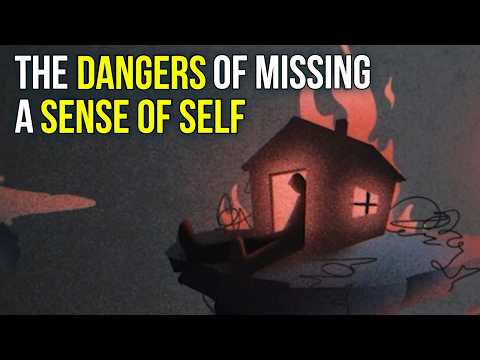
林宜悉 posted on 2025/07/30Ever feel like a social chameleon, constantly adapting to others? This video dives deep into the fascinating topic of identity diffusion and why a lack of self can stem from childhood experiences like emotional neglect or narcissistic parenting. You'll pick up advanced vocabulary and gain insights into complex sentence structures while exploring the roots of people-pleasing behavior!
Learn this video on the APP!
The VoiceTube App has more in-depth practice for videos!