
access
US /ˈæksɛs/
UK /'ækses/
- Noun (Countable/Uncountable)
- Way to enter a place, e.g. a station or stadium
- The opportunity or right to use something or to see someone.
- Transitive Verb
- To be able to use or have permission to use
A2TOEICMoreaid
US /ed/
UK /eɪd/
- Transitive Verb
- To help others and provide things
- Noun (Countable/Uncountable)
- Action of giving help to others
- Money or help given to those who need it
A2TOEICMoreamir
US /əˈmɪr, eˈmɪr/
UK /əˈmiə/
- Proper Noun
- Islamic ruler in Africa or Arabia; emir
C2Morearound the world
US /əˈraʊnd ði wɜrld/
UK /əˈraund ðə wɜː(r)ld/
- Phrase
- In or to many countries.
- In various places throughout the world.
A2Moreat home
US /æt hom/
UK /æt həum/
- Phrase
- In one's own residence or country.
- Adjective
- Feeling comfortable and relaxed.
at least
US /æt list/
UK /æt li:st/
- Adverb
- As a minimum
- Not less than
- Phrase
- No less than; at the minimum
- Used to indicate that something is positive in a bad situation.
C2Moreat the moment
US
UK
- Adverb
- At this time; now
A1Moreceasefire
US
UK
- Noun
- Agreement by two sides in a war to stop fighting
C2Moreclassify
US /ˈklæsəˌfaɪ/
UK /'klæsɪfaɪ/
- Transitive Verb
- To arrange things into groups of similar items
- To keep some information secret from the public
B2Morecome after
US /kʌm ˈæftɚ/
UK /kʌm ˈɑ:ftə/
- Phrasal Verb
- To follow someone in order to threaten them
A1Moreconvoy
US /ˈkɑ:nvɔɪ/
UK /ˈkɒnvɔɪ/
- Countable Noun
- Group of moving vehicles, e.g. of an army/navy
B2Morecorrespondent
US /ˌkɔrɪˈspɑndənt, ˌkɑr-/
UK /ˌkɒrəˈspɒndənt/
- Countable Noun
- Journalist, as one reporting from other countries
B1Morecrescent
US /ˈkrɛsənt/
UK /ˈkresnt/
- Adjective
- Curved in shape with narrow ends and wider middle
- Increasing or growing.
- Noun (Countable/Uncountable)
- Curved shape with pointed ends and a wider middle
- A street or row of buildings in a curved shape.
B2Morecrisis
US /ˈkraɪsɪs/
UK /'kraɪsɪs/
- Noun (Countable/Uncountable)
- Unstable situation of extreme danger or difficulty
- A turning point in a disease.
B1Morecrowd
US /kraʊd/
UK /kraʊd/
- Verb (Transitive/Intransitive)
- To force too many things, people into
- (Lots of people) to meet together in one place
- Noun (Countable/Uncountable)
- Large group of people together in one place
A2Moredeliver
US /dɪˈlɪvɚ/
UK /dɪ'lɪvə(r)/
- Transitive Verb
- To give birth to a child; help a woman give birth
- To save someone from a problem or crisis
A2TOEICMoredensely
US /ˈdɛnslɪ/
UK /denslɪ/
- Adverb
- Thickly (filled or covered)
B1Moredire
US /daɪr/
UK /ˈdaɪə(r)/
- Adjective
- (E.g. of consequences) very serious
B2Moredue to
US /du tu/
UK /dju: tu:/
- Preposition
- Because of; owing to
- Adjective
- Attributable to; caused by.
A1Morefootage
US /ˈfʊtɪdʒ/
UK /ˈfʊtɪdʒ/
- Uncountable Noun
- A certain amount of film or video of something
- The length or amount of something measured in feet.
B2Morefor the sake of
US /fɔr ði sek ʌv/
UK /fɔ: ðə seik ɔv/
- Phrase
- For the purpose of; in the interest of.
A1Morefrom hunger
US /frəm ˈhʌŋɡɚ/
UK /frəm ˈhʌŋgə/
- other
- Motivated or caused by a state of hunger.
A2Morego out
US /ɡo aʊt/
UK /ɡəu aut/
- Phrase
- To leave a building (e.g. a house)
- Phrasal Verb
- (Of a fire) to burn out; be extinguished
- Go out of fashion to stop being fashionable
A1Morehold in
US /hold ɪn/
UK /həuld in/
- Phrasal Verb
- To hide your emotions and not let them show
A1Morehuge
US /hjudʒ/
UK /hju:dʒ/
- Adjective
- Very very large
A2Morehumanitarian
US /hju:ˌmænɪˈteriən/
UK /hju:ˌmænɪˈteəriən/
- Noun
- Person who tries to help those in a crisis
- Adjective
- Concerned with or seeking to promote human welfare.
B2Morehunger
US /ˈhʌŋɡɚ/
UK /ˈhʌŋgə(r)/
- Noun (Countable/Uncountable)
- Strong desire or need
- Need for food; a severe lack of food
- Intransitive Verb
- To feel hunger; to suffer from a lack of food.
B2Morehungry
US /ˈhʌŋɡri/
UK /ˈhʌŋgri/
- Adjective
- Feeling a need or want to eat food
- Feeling a need or want to eat food
B2Morein need
US /ɪn nid/
UK /in ni:d/
- Phrase
- Not having the necessary things, such as food
A1Morein order to
US /ɪn ˈɔrdɚ tu/
UK /in ˈɔ:də tu:/
- Preposition
- For the purpose of; with the aim of.
- Phrase
- In a specific sequence or arrangement.
- With the aim of; for the purpose of.
C1Moreknow about
US /noʊ əˈbaʊt/
UK /nəʊ əˈbaut/
- Phrasal Verb
- To have information or understanding of a subject or situation.
loosen
US /ˈlusən/
UK /'lu:sn/
- Transitive Verb
- To make something less tight
B1Moremass
US /mæs/
UK /mæs/
- Noun (Countable/Uncountable)
- Religious ceremony in some Christian churches
- Large amount or number of something
- Transitive Verb
- To gather people or things into a large group
B1Moremilitary
US /ˈmɪlɪˌtɛri/
UK /'mɪlətrɪ/
- Noun
- Army or armed forces
- Adjective
- Concerning the army or navy
B1Morenumber of people
US /ˈnʌmbɚ ʌv ˈpipəl/
UK /ˈnʌmbə ɔv ˈpi:pl/
- Phrase
- The total count of individuals within a group or gathering.
- A statistical figure representing the population size or a subset thereof.
A1Moreof course
US /ʌv kɔː(r)s/
UK /ɔv kɔː(r)s/
- Adverb
- Sure ; Certainly
- Phrase
- For sure; certainly
A2Moreon the street
US /ɑn ði strit/
UK /ɔn ðə stri:t/
- Phrase
- Located on or along a public road in a town or city.
- Available or circulating, especially illegally or unofficially.
A1Morepause
US /pɔz/
UK /pɔ:z/
- Verb (Transitive/Intransitive)
- To stop doing for a while before continuing
- To temporarily interrupt the execution of a program or process.
- Noun (Countable/Uncountable)
- A temporary break before continuing
- Function on a device to stop and restart it
A2Morepermission
US /pɚˈmɪʃən/
UK /pəˈmɪʃn/
- Noun (Countable/Uncountable)
- Right to do something as allowed by another
- Formal authorization from an authority.
A2Morepopulation
US /ˌpɑpjəˈleʃən/
UK /ˌpɒpjuˈleɪʃn/
- Noun (Countable/Uncountable)
- Number of people who live in a country, area etc.
- A group of individuals of one species living in a particular area.
A2TOEICMorepressure
US /ˈprɛʃɚ/
UK /'preʃə(r)/
- Noun (Countable/Uncountable)
- Anxiety caused by difficult problems
- Force, weight when pressing against a thing
- Transitive Verb
- To apply force to something
- To persuade or force someone to do something
A2TOEICMorequeue
US /kju/
UK /kju:/
- Noun (Countable/Uncountable)
- Line of people or cars waiting for something
- A list of data items, jobs, etc., stored so as to be retrievable in a definite order, usually the order of insertion.
- Intransitive Verb
- To wait in a line.
B1Morereach
US /ritʃ/
UK /ri:tʃ/
- Verb (Transitive/Intransitive)
- To come to or arrive at a goal or destination
- To be long enough to get to a certain place
- Uncountable Noun
- Power or control someone has over something
A2TOEICMorerelease
US /rɪ'li:s/
UK /rɪ'li:s/
- Transitive Verb
- To free someone from a responsibility or burden
- To allow a film, music etc. to be sold/distributed
- Noun
- Act of freeing someone from a duty or burden
- Introduction of a new product, film, book, etc.
A2TOEICMorerun by
US
UK
- Phrasal Verb
- To be managed or controlled by someone or a group.
- To show or tell something to someone briefly to get their opinion or approval.
A1Moresecurity
US /sɪˈkjʊrɪti/sə'kjurətɪ/
UK /sɪ'kjʊərətɪ/
- Noun
- Department in a company in charge of protection
- Financial document, like stocks, bonds and notes
A2TOEICMoreseize
US /siz/
UK /si:z/
- Transitive Verb
- To take a place with force, as by military action
- To arrest or catch someone
B1Moresignificant
US /sɪɡˈnɪfɪkənt/
UK /sɪgˈnɪfɪkənt/
- Adjective
- Large enough to be noticed or have an effect
- Having meaning; important; noticeable
A2TOEICMorespeak to
US /spik tu/
UK /spi:k tu:/
- Verb (Transitive/Intransitive)
- To address or communicate with someone.
- To indicate or suggest something; to be relevant to.
A1Morespokesman
US /ˈspoksmən/
UK /ˈspəʊksmən/
- Countable Noun
- Advocate who represents another’s policy/purpose
B1Morestarvation
US /stɑ:rˈveɪʃn/
UK /stɑ:ˈveɪʃn/
- Uncountable Noun
- Extreme hunger; death from lack of food
B1Morestatement
US / ˈstetmənt/
UK /ˈsteɪtmənt/
- Noun (Countable/Uncountable)
- Record of activity in a bank account over time
- Act or process of saying something formally
A2TOEICMoresuffer
US / ˈsʌfɚ/
UK /'sʌfə(r)/
- Verb (Transitive/Intransitive)
- To experience pain, illness, or injury
- To allow or permit something, especially something unpleasant.
A2Moresuffer from
US /ˈsʌfɚ frʌm/
UK /ˈsʌfə frɔm/
- Intransitive Verb
- To experience pain or distress; to be badly affected by.
A1Moretactical
US /ˈtæktɪkəl/
UK /ˈtæktɪkl/
- Adjective
- Doing things to get the result you want; planned
- Relating to or constituting actions carefully planned to gain a specific military or political end.
B2Moreterritory
US /ˈtɛrɪˌtɔri, -ˌtori/
UK /'terətrɪ/
- Noun (Countable/Uncountable)
- Area of land defended by an animal
- Area of particular knowledge or experience
B1TOEICMoreto death
US /tu dɛθ/
UK /tu: deθ/
- Phrase
- Extremely; to a great degree
- Until death
B1More
Vocabulary
- at least: As a minimum
- speak to: To address or communicate with someone.
- in order to: For the purpose of; with the aim of.
- in need: Not having the necessary things, such as food
- come after: To follow someone in order to threaten them
- hold in: To hide your emotions and not let them show
- on the street: Located on or along a public road in a town or city.
- for the sake of: For the purpose of; in the interest of.
- go out: To leave a building (e.g. a house)
- from hunger: Motivated or caused by a state of hunger.
- to death: Extremely; to a great degree
- around the world: In or to many countries.
- know about: To have information or understanding of a subject or situation.
- at the moment: At this time; now
- of course: Sure ; Certainly
- due to: Because of; owing to
- number of people: The total count of individuals within a group or gathering.
- suffer from: To experience pain or distress; to be badly affected by.
- run by: To be managed or controlled by someone or a group.
- at home: In one's own residence or country.
- significant: Large enough to be noticed or have an effect
- access: Way to enter a place, e.g. a station or stadium
- situation: Place, position or area that something is in
- crisis: Unstable situation of extreme danger or difficulty
- territory: Area of land defended by an animal
- pressure: Anxiety caused by difficult problems
- permission: Right to do something as allowed by another
- bit: Device put in a horse's mouth to control it
- statement: Record of activity in a bank account over time
- military: Army or armed forces
- reach: To come to or arrive at a goal or destination
- suffer: To experience pain, illness, or injury
- crowd: To force too many things, people into
- address: Exact street location of a place
- huge: Very very large
- population: Number of people who live in a country, area etc.
- security: Department in a company in charge of protection
- release: To free someone from a responsibility or burden
- pause: To stop doing for a while before continuing
- footage: A certain amount of film or video of something
- aid: To help others and provide things
- deliver: To give birth to a child; help a woman give birth
- drop: Distance between a higher and a lower level
- mass: Religious ceremony in some Christian churches
- correspondent: Journalist, as one reporting from other countries
- dire: (E.g. of consequences) very serious
- queue: Line of people or cars waiting for something
- lot: What happens to a person in life from chance; fate
- kind: In a caring and helpful manner
- hit: To have a negative impact on a person/place/thing
- seize: To take a place with force, as by military action
- manage: To survive hardships and difficulties; to cope
- control: A device designed to operate a machine
- allow: To admit the validity or truth of something
- piece: A counter in a board game
- humanitarian: Person who tries to help those in a crisis
- densely: Thickly (filled or covered)
- land: Region or country
- difficult: Hard; not easy; you need to work hard to do it
- start: First time or place that a thing exists; beginning
- problem: Something difficult to deal with or causes trouble
- classify: To arrange things into groups of similar items
- tactical: Doing things to get the result you want; planned
- starvation: Extreme hunger; death from lack of food
- ceasefire: Agreement by two sides in a war to stop fighting
- crescent: Curved in shape with narrow ends and wider middle
- convoy: Group of moving vehicles, e.g. of an army/navy
- hunger: Strong desire or need
- hungry: Feeling a need or want to eat food
- loosen: To make something less tight
- spokesman: Advocate who represents another’s policy/purpose
- amir: Islamic ruler in Africa or Arabia; emir
Get the full experience in the app
Learn anywhere with detailed sentence and usage analysis
01:03
She took a brave step forward, leaving behind her comfort zone to chase her dreams.
Vocabulary
- brave
adj. Having courage
- comfort zone
phr. A familiar situation where one feels safe
Explanation
a brave step is a noun phrase, where brave is an adjective modifying the noun step, meaning "a courageous step".
forward is an adverb modifying step, meaning "ahead".
The whole phrase serves as the object, answering the "what" of took (verb) — she took a brave step forward.
Get the full experience in the app
Look up words anytime with pronunciation, part of speech, and usage
brave
US/brev/
UK/breɪv/
adj.Brave
v.t.To bravely face
A2 Elementary
Get the full experience in the app
Practice speaking anytime and get instant pronunciation feedback
Try this speaking exercise.
Try practicing with this sentence.
80
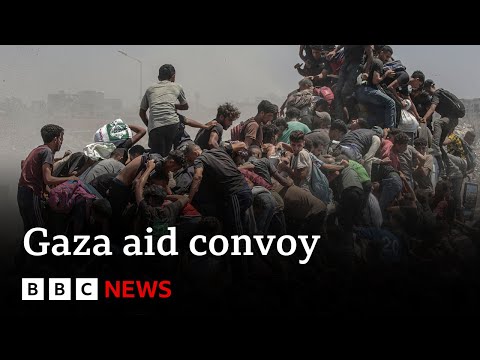
Jordan and UAE begin aid drops into Gaza after Israel announced aid measures | BBC News
0
林宜悉 posted on 2025/07/27Curious about how aid is reaching Gaza? This BBC News report dives into the complex logistics of airdrops and convoys, giving you a real-world look at the humanitarian crisis. You'll pick up advanced vocabulary related to international affairs and understand complex sentence structures used in serious news reporting.
Learn this video on the APP!
The VoiceTube App has more in-depth practice for videos!