
assume
US /əˈsum/
UK /ə'sju:m/
- Transitive Verb
- To act in a false manner to mislead others
- To believe, based on the evidence; suppose
A2TOEICMoreaxe
US /æks/
UK /æks/
- Countable Noun
- Tool with a sharp metal edge used to chop wood
- Transitive Verb
- To make someone lose their job
B1Morebreak down
US /brek daʊn/
UK /breik daun/
- Phrasal Verb
- To forcibly break, destroy or make collapse
- (Machine) to stop working or become weaker
A1Morebreak with
US /brek wɪð/
UK /breik wið/
- Phrasal Verb
- To end a relationship or association.
- To publicly disagree with or separate from a group or organization.
A2Morecalculate
US /ˈkælkjəˌlet/
UK /'kælkjʊleɪt/
- Transitive Verb
- To find an answer using mathematics
- To make an educated guess about something
B2Morecampaign
US /kæmˈpen/
UK /kæm'peɪn/
- Intransitive Verb
- To work in an organized, active way towards a goal
- Noun (Countable/Uncountable)
- Series of actions meant to achieve a goal
- A planned set of military activities intended to achieve a particular objective.
A2TOEICMorecause
US /kɔz/
UK /kɔ:z/
- Noun
- Belief, goal or organization that people support
- Reason for
- Transitive Verb
- To make something happen; create effect or result
A2Morecharge
US /tʃɑrdʒ/
UK /tʃɑ:dʒ/
- Verb (Transitive/Intransitive)
- To run quickly toward someone to attack them
- To ask for money as a price for a service or goods
- Noun (Countable/Uncountable)
- An attack by running quickly toward someone
- A price for a service or goods
A2Morecheck out
US /tʃɛk aʊt/
UK /tʃek aut/
- Phrase
- Phrasal Verb
- To find out information about something
- To take books out of a library
A1Morecome back
US /kʌm bæk/
UK /kʌm bæk/
- Phrasal Verb
- To reply to someone, often forcefully
- To be remembered
A1Morecompound
US /kɑmˈpaUnd/
UK /'kɒmpaʊnd/
- Noun (Countable/Uncountable)
- Series of buildings that are walled or fenced off
- Chemical made up of several others
- Transitive Verb
- To pay interest on a loan including the interest
- To make something from various parts or components
B1Moreconsequence
US /ˈkɑnsɪˌkwɛns,-kwəns/
UK /ˈkɔnsikwəns/
- Noun (Countable/Uncountable)
- Importance of a person or thing
- Outcome of an event; result
A2Morecut costs
US
UK
- Verb (Transitive/Intransitive)
- To reduce expenses or spending.
A2Moredefense
US /dɪˈfɛns/
UK /dɪ'fens/
- Noun (Countable/Uncountable)
- Argument in support of something
- The process of protecting something from attack
B1TOEICMoredistinct
US /dɪˈstɪŋkt/
UK /dɪˈstɪŋkt/
- Adjective
- Clearly different in nature from something else
- Clearly noticeable; easily perceived.
A2Moredo away with
US
UK
- Phrasal Verb
- To remove or take something away; to kill
- To get rid of; abolish; eliminate.
A1Moreeliminate
US /ɪˈlɪməˌnet/
UK /ɪ'lɪmɪneɪt/
- Transitive Verb
- To completely remove; to get rid of
- To remove from a contest by beating them
B1TOEICMoreentrepreneur
US /ˌɑntrəprəˈnɚ, -ˈnʊr/
UK /ˌɒntrəprə'nɜ:(r)/
- Noun (Countable/Uncountable)
- Businessperson who develops new businesses
- A person who identifies a need and starts a business to fill it.
B2Moreerect
US /ɪˈrɛkt/
UK /ɪ'rekt/
- Adjective
- Standing straight up
- Transitive Verb
- To put up a tower, statue or building; construct
B2Moreexpense
US /ɪkˈspɛns/
UK /ɪk'spens/
- Noun (Countable/Uncountable)
- Money you have to pay to do part of your job
- Paying money for something (big)
- Uncountable Noun
- When resources e.g. time is used to do something
- Expenditure of resources; spending
B1TOEICMoreextinction
US /ɪkˈstɪŋkʃən/
UK /ɪkˈstɪŋkʃn/
- Noun (Countable/Uncountable)
- When every example of animal, plant is dead
- The process of something ceasing to exist or be active.
B1Morefamine
US /ˈfæmɪn/
UK /ˈfæmɪn/
- Noun (Countable/Uncountable)
- Long-lasting period of little food in an area
- A drastic food shortage in a large area or country.
B2Morefence
US /fɛns/
UK /fens/
- Countable Noun
- Wood, metal structure enclosing an area, land
- The sport of fighting with swords, especially foils, épées, or sabres.
- Transitive Verb
- To enclose an area (with a wall or boundary)
B1TOEICMorefinancial
US /faɪˈnænʃ(ə)l/
UK /faɪˈnænʃl/
- Adjective
- Involving money
- Relating to investments.
- Countable Noun
- A person who provides advice on financial matters.
A2TOEICMorefirm
US /fɚm/
UK /fɜ:m/
- Countable Noun
- Company that sells goods or services
- Adjective
- Fairly hard or solid, not soft
- Unchanging and strong
A2TOEICMorefor the sake of
US /fɔr ði sek ʌv/
UK /fɔ: ðə seik ɔv/
- Phrase
- For the purpose of; in the interest of.
A1Morego away
US /ɡo əˈwe/
UK /ɡəu əˈwei/
- Phrasal Verb
- To go on vacation
- To leave; depart.
A1Moregrain
US /ɡren/
UK /greɪn/
- Noun (Countable/Uncountable)
- Seeds of plants used for food
- Natural pattern in something, e.g. wood
B1TOEICMorein the first place
US
UK
- Phrase
- To begin with; as the first point or consideration.
- From the beginning; initially.
A1Moreleap
US /lip/
UK /li:p/
- Verb (Transitive/Intransitive)
- To enter or start something eagerly
- (Of prices) to increase quickly by a large amount
- Noun
- (Of prices) a quick large increase
- A large forward step or jump
B1Morelocust
US /ˈloʊkəst/
UK /ˈləʊkəst/
- Countable Noun
- Insect similar to a grasshopper, that can swarm
C1Moreof course
US /ʌv kɔː(r)s/
UK /ɔv kɔː(r)s/
- Adverb
- Sure ; Certainly
- Phrase
- For sure; certainly
A2Moreofficer
US /ˈɔ:fɪsə(r)/
UK /ˈɒfɪsə(r)/
- Noun (Countable/Uncountable)
- Person of high position in an organization
- Person of high position in the military
B1Morephilosopher
US /fɪˈlɑsəfɚ/
UK /fəˈlɒsəfə(r)/
- Noun (Countable/Uncountable)
- Person studying the meaning of truth and life
- A person who is calm and wise; someone who lives by philosophical principles.
C1Morepoint out
US /pɔɪnt aʊt/
UK /pɔint aut/
- Phrasal Verb
- To make others aware of an idea
- To draw attention to something or someone
A1Morepopulation
US /ˌpɑpjəˈleʃən/
UK /ˌpɒpjuˈleɪʃn/
- Noun (Countable/Uncountable)
- Number of people who live in a country, area etc.
- A group of individuals of one species living in a particular area.
A2TOEICMoreprevent
US /prɪˈvɛnt/
UK /prɪ'vent/
- Transitive Verb
- To stop something from happening or existing
A2TOEICMoreprinciple
US /ˈprɪnsəpəl/
UK /ˈprɪnsəpl/
- Noun (Countable/Uncountable)
- Moral rule or belief governing a person's behavior
- Natural law that explains how things work
A2TOEICMoreproactive
US /ˌproʊˈæktɪv/
UK /ˌprəʊˈæktɪv/
- Adjective
- Acting to head off anticipated future problems
C1Morepurpose
US /ˈpɚpəs/
UK /'pɜ:pəs/
- Noun (Countable/Uncountable)
- Reason for which something is done; aim; goal
- A person's sense of resolve or determination.
- Adverb
- With clear intention or determination.
- Intentionally; deliberately.
A2TOEICMorequit
US /kwɪt/
UK /kwɪt/
- Verb (Transitive/Intransitive)
- To leave a job
- To leave a place
- Intransitive Verb
- To leave a school etc. without finishing
B1Morerecite
US /rɪˈsaɪt/
UK /rɪˈsaɪt/
- Verb (Transitive/Intransitive)
- To speak aloud a passage from memory
- To relate facts or information from memory
B2Moreresult
US /rɪˈzʌlt/
UK /rɪ'zʌlt/
- Noun
- Something produced through tests or experiments
- Final score of a competition, election or game
- Intransitive Verb
- To be the outcome of other causes and effects
- To happen or exist as a consequence of something.
A2Morerule of thumb
US /rul ʌv θʌm/
UK /ru:l ɔv θʌm/
- Noun (Countable/Uncountable)
- A practical and approximate way of doing or measuring something.
- A broadly accurate guide or principle, based on practice rather than theory.
A1Moresake
US /sek/
UK /seɪk/
- Uncountable Noun
- Japanese rice wine
- Noun
- Interest or benefit of someone or something
A2Moresimplicity
US /sɪmˈplɪsɪti/
UK /sɪm'plɪsətɪ/
- Uncountable Noun
- Being easy to understand or use
C1Moresparrow
US /ˈspæro/
UK /'spærəʊ/
- Countable Noun
- Small, very common bird with gray brown feathers
C1Moresuspect
US /səˈspɛkt/
UK /sə'spekt/
- Noun
- Person thought to have committed a crime
- Transitive Verb
- To consider someone is the one guilty of a crime
- To doubt or lack trust
A2TOEICMorethumb
US /θʌm/
UK /θʌm/
- Intransitive Verb
- To use your thumb to request a ride in a car
- Countable Noun
- Part of a glove that goes over the thumb
- The short, thick finger on the side of your hand
B1Moretoll
US /tol/
UK /təʊl/
- Noun (Countable/Uncountable)
- Sound that a big bell makes, when it is rung
- Number of people hurt or killed in a disaster
- Intransitive Verb
- (Bell) to ring in a slow, loud and repeated way
B2TOEICMoretradition
US /trəˈdɪʃən/
UK /trəˈdɪʃn/
- Noun (Countable/Uncountable)
- An event, custom or way common to a people or race
- Way of thinking or behaving used for a long time
B1TOEICMoretragic
US /ˈtrædʒɪk/
UK /ˈtrædʒɪk/
- Adjective
- (Of a play, movie, or book) with a sad ending
- Causing great sadness, e.g. due to untimely death
B1More
Vocabulary
- in the first place: To begin with; as the first point or consideration.
- do away with: To remove or take something away; to kill
- rule of thumb: A practical and approximate way of doing or measuring something.
- point out: To make others aware of an idea
- cut costs: To reduce expenses or spending.
- of course: Sure ; Certainly
- break with: To end a relationship or association.
- for the sake of: For the purpose of; in the interest of.
- go away: To go on vacation
- come back: To reply to someone, often forcefully
- break down: To forcibly break, destroy or make collapse
- check out
- assume: To act in a false manner to mislead others
- entrepreneur: Businessperson who develops new businesses
- eliminate: To completely remove; to get rid of
- matter: To be of great importance; to count
- campaign: To work in an organized, active way towards a goal
- consequence: Importance of a person or thing
- distinct: Clearly different in nature from something else
- purpose: Reason for which something is done; aim; goal
- firm: Company that sells goods or services
- compound: Series of buildings that are walled or fenced off
- prevent: To stop something from happening or existing
- financial: Involving money
- toll: Sound that a big bell makes, when it is rung
- suspect: Person thought to have committed a crime
- famine: Long-lasting period of little food in an area
- sake: Japanese rice wine
- cause: Belief, goal or organization that people support
- simply: In an easy or clear manner
- plain: Obvious; clearly so, true
- charge: To run quickly toward someone to attack them
- population: Number of people who live in a country, area etc.
- grain: Seeds of plants used for food
- principle: Moral rule or belief governing a person's behavior
- leap: To enter or start something eagerly
- result: Something produced through tests or experiments
- drop: Distance between a higher and a lower level
- proactive: Acting to head off anticipated future problems
- rest: Time when one relaxes, sleeps, or is inactive
- tragic: (Of a play, movie, or book) with a sad ending
- break: To create a new record e.g. running the 100m dash
- thumb: To use your thumb to request a ride in a car
- extinction: When every example of animal, plant is dead
- recite: To speak aloud a passage from memory
- suggest: To mention something that could be done; propose
- defense: Argument in support of something
- philosopher: Person studying the meaning of truth and life
- place: To put someone in a particular type of situation
- offer: Price you say you are willing to pay for something
- learn: To get knowledge or skills by study or experience
- fully: Completely or entirely
- simple: Not hard to understand or do; not complex
- staff: Employees of a company
- steal: A bargain; something bought very cheaply
- modern: Of the present time; up to date; contemporary
- expense: Money you have to pay to do part of your job
- simplicity: Being easy to understand or use
- quit: To leave a job
- fence: Wood, metal structure enclosing an area, land
- tradition: An event, custom or way common to a people or race
- erect: Standing straight up
- calculate: To find an answer using mathematics
- officer: Person of high position in an organization
- sparrow: Small, very common bird with gray brown feathers
- locust: Insect similar to a grasshopper, that can swarm
- axe: Tool with a sharp metal edge used to chop wood
Get the full experience in the app
Learn anywhere with detailed sentence and usage analysis
01:03
She took a brave step forward, leaving behind her comfort zone to chase her dreams.
Vocabulary
- brave
adj. Having courage
- comfort zone
phr. A familiar situation where one feels safe
Explanation
a brave step is a noun phrase, where brave is an adjective modifying the noun step, meaning "a courageous step".
forward is an adverb modifying step, meaning "ahead".
The whole phrase serves as the object, answering the "what" of took (verb) — she took a brave step forward.
Get the full experience in the app
Look up words anytime with pronunciation, part of speech, and usage
brave
US/brev/
UK/breɪv/
adj.Brave
v.t.To bravely face
A2 Elementary
Get the full experience in the app
Practice speaking anytime and get instant pronunciation feedback
Try this speaking exercise.
Try practicing with this sentence.
80
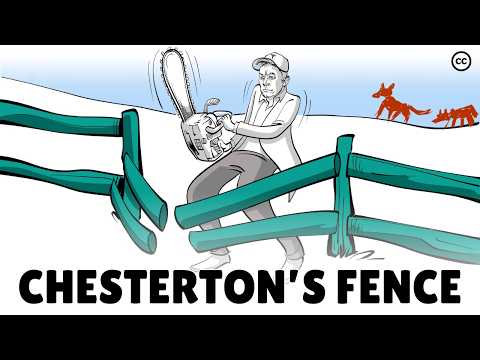
Chesterton Fence: Don’t Destroy What You Don’t Understand!
0
林宜悉 posted on 2025/07/26Ever wondered why some traditions stick around even if they seem outdated? This video dives into the 'Chesterton Fence' principle, showing you why it's super important to understand the history behind rules before you change them! You'll pick up some thought-provoking ideas perfect for educators and anyone interested in policy reform.
Learn this video on the APP!
The VoiceTube App has more in-depth practice for videos!