
acute
US /əˈkjut/
UK /əˈkju:t/
- Adjective
- (Of an angle in math) of less than 90 degrees
- Strong; very serious or severe
B1Moreaffect
US /əˈfɛkt/
UK /ə'fekt/
- Transitive Verb
- To cause a change in something else
- To pretend to have or feel (something).
- Noun
- (Psychology) Emotion or feeling.
A2TOEICMoreaggressive
US /əˈɡrɛsɪv/
UK /əˈgresɪv/
- Adjective
- Using energy and determination to achieve a goal
- Behaving in a hostile and threatening way
B1Morearthritis
US /ɑrˈθraɪtɪs/
UK /ɑ:ˈθraɪtɪs/
- Noun
- Diseases of the joints often with painful swelling
B2Moreat present
US /æt ˈprɛznt/
UK /æt ˈprezənt/
- Phrase
- Currently; now
A1Morebased on
US
UK
- Phrasal Verb
- To use something as the foundation or starting point for something else.
- Preposition
- Using something as the main idea or foundation.
- Relying on something as evidence or justification.
A1Morebreed
US /brid/
UK /bri:d/
- Noun
- Kind of / sort of
- Particular kind of animal, e.g. a Labrador dog
- Verb (Transitive/Intransitive)
- To create situations for a (bad) thing to happen
- To produce baby animals of specific kinds
A2Morechronic
US /ˈkrɑnɪk/
UK /'krɒnɪk/
- Adjective
- Always or often doing something, e.g. lying
- (Of disease) over a long time; serious
B1Moreclimate
US /ˈklaɪmɪt/
UK /ˈklaɪmət/
- Noun (Countable/Uncountable)
- Typical weather conditions in a particular place
- The general attitudes, feelings, or opinions that people have at a particular time.
A2Moreclinical
US /ˈklɪnɪkəl/
UK /ˈklɪnɪkl/
- Adjective
- Concerning the treatment or observing patients
- Using scientific techniques and precision
B1Morecritical to
US
UK
- Adjective
- Extremely important or essential.
- Of decisive importance with reference to the outcome of something; vital.
B2Moredistinguish
US /dɪˈstɪŋɡwɪʃ/
UK /dɪˈstɪŋgwɪʃ/
- Transitive Verb
- To make something clearly different from others
- To make noticeable or different; to set apart.
A2TOEICMoredrain
US /dren/
UK /dreɪn/
- Noun (Countable/Uncountable)
- Hole or pipe that water, waste etc. flows into
- Something that depletes resources or energy.
- Transitive Verb
- To empty or remove liquid from
- To use up the energy/ money/power of something
B1Moredue to
US /du tu/
UK /dju: tu:/
- Preposition
- Because of; owing to
- Adjective
- Attributable to; caused by.
A1Moreeliminate
US /ɪˈlɪməˌnet/
UK /ɪ'lɪmɪneɪt/
- Transitive Verb
- To completely remove; to get rid of
- To remove from a contest by beating them
B1TOEICMorefatal
US /ˈfetl/
UK /ˈfeɪtl/
- Adjective
- Causing death; having very bad consequences
- Causing negative results
B1Morefatigue
US /fəˈtiɡ/
UK /fəˈti:g/
- Uncountable Noun
- Breaking due to being moved or bent many times
- Being very tired
- Transitive Verb
- To cause someone or something to become very tired
B2Moregenus
US /ˈdʒinəs/
UK /ˈdʒi:nəs/
- Noun
- Category of particular animal or plant species
C1Moreheadache
US /ˈhed.eɪk/
UK /ˈhed.eɪk/
- Noun (Countable/Uncountable)
- Pain in the head
- Something that causes worry or annoyance.
B2Morehydration
US /haɪ'dreɪʃn/
UK /haɪ'dreɪʃn/
- Uncountable Noun
- Process of supplying or adding water to
C2Moreidentify
US /aɪˈdɛntəˌfaɪ/
UK /aɪ'dentɪfaɪ/
- Transitive Verb
- To indicate who or what someone or something is
- To say exactly what something is
B1TOEICMorein areas
US
UK
- Phrase
- Located or occurring within specific regions or locations.
- Relating to specific fields, subjects, or disciplines.
A1Moreincubation
US /ˌɪnkjəˈbeʃən, ˌɪŋ-/
UK /ˌɪŋkjuˈbeɪʃn/
- Uncountable Noun
- Development in a particular environment
- Keeping eggs warm until hatched
B2Moreinfection
US /ɪnˈfɛkʃən/
UK /ɪnˈfekʃn/
- Noun
- (Computers) Having a computer virus
- Making or becoming sick with a bacteria/virus
A2Moreinflammation
US /ˌɪnfləˈmeʃən/
UK /ˌɪnfləˈmeɪʃn/
- Noun (Countable/Uncountable)
- Painful swelling in the body due to illness
- A condition in which a part of the body becomes reddened, swollen, hot, and often painful, especially as a reaction to injury or infection.
B2Moreinflammatory
US /ɪnˈflæməˌtɔri, -ˌtori/
UK /ɪnˈflæmətri/
- Adjective
- Making or intended to make someone angry
B2TOEICMoreinvolve
US /ɪnˈvɑlv/
UK /ɪn'vɒlv/
- Transitive Verb
- To have or be included as a part of something
- To cause (a person or group) to take part in an event or activity.
A2TOEICMorelatin
US /ˈlætn/
UK /ˈlætɪn/
- Uncountable Noun
- Ancient Roman language affecting many languages
- Adjective
- Of or typical of a Spanish-speaking culture
C2Morelead to
US /lid tu/
UK /li:d tu:/
- Phrasal Verb
- To result in some action
- Verb (Transitive/Intransitive)
- To have something as a consequence or result.
A1Morelikelihood
US /ˈlaɪkliˌhʊd/
UK /ˈlaɪklihʊd/
- Uncountable Noun
- Chance that something might happen
B1TOEICMoreoccur
US /əˈkɚ/
UK /əˈkɜ:(r)/
- Intransitive Verb
- To come to pass or to happen
- To be found to exist; to be present.
A2TOEICMoreonset
US /ˈɑnˌsɛt, ˈɔn-/
UK /ˈɒnset/
- Noun
- When something, e.g. an illness, starts; beginning
B2TOEICMoreoutbreak
US /ˈaʊtˌbrek/
UK /ˈaʊtbreɪk/
- Noun (Countable/Uncountable)
- Sudden occurrence of illness, discontent etc.
- A sudden occurrence of something unwelcome, such as war or disease.
B2Morephase
US /fez/
UK /feɪz/
- Noun
- Different stages of the moon from new to full
- Distinct part or step in a process
- Transitive Verb
- To make happen in a gradual ordered way
A2Moreposture
US /ˈpɑstʃɚ/
UK /'pɒstʃə(r)/
- Noun
- Attitude someone adopts regarding a subject
- The position of the body when standing or sitting
- Intransitive Verb
- To be insincere in order to gain favor
B1TOEICMorepresentation
US /ˌprɛzənˈteʃən, ˌprizən-/
UK /ˌpreznˈteɪʃn/
- Noun (Countable/Uncountable)
- Act of giving a formal talk about something
- Way in which something is displayed or shown
A2Moreprevent
US /prɪˈvɛnt/
UK /prɪ'vent/
- Transitive Verb
- To stop something from happening or existing
A2TOEICMorepreviously
US /ˈprivɪəslɪ/
UK /'pri:vɪəslɪ/
- Adverb
- At an earlier time
- In the past; formerly.
B1TOEICMoreprimarily
US /praɪˈmɛrəli, -ˈmɛr-/
UK /praɪˈmerəli/
- Adverb
- In the most basic or important way
A2TOEICMorerash
US /ræʃ/
UK /ræʃ/
- Adjective
- Without much thought; done or acting too quickly
- Noun
- Series of many negative events in a short time
- Skin condition of raised red spots
B2Morerefer
US /rɪˈfɚ/
UK /rɪ'fɜ:(r)/
- Verb (Transitive/Intransitive)
- To talk about or write about something
- To give information about something
A2TOEICMorereverse
US /rɪˈvɚs/
UK /rɪ'vɜ:s/
- Noun
- Setting that makes the vehicle go backward
- Instance of a significant change, for the worse
- Verb (Transitive/Intransitive)
- To drive a vehicle backward
- To change to an opposite state, way or condition
B1TOEICMorerural
US /ˈrʊrəl/
UK /ˈruərəl/
- Adjective
- Concerning the country as opposed to the city
B1Moresevere
US /səˈvɪr/
UK /sɪ'vɪə(r)/
- Adjective
- Very bad; harsh
- (Of clothes, etc.) plain; simple; not decorated
A2TOEICMoresoutheast
US /saʊθˈist, saʊˈist/
UK /ˌsaʊθ'i:st/
- Noun
- Location in the southeastern part of an area
B2Morespread
US /sprɛd/
UK /spred/
- Noun (Countable/Uncountable)
- A big meal, often laid out as a buffet
- The distance between two things
- Verb (Transitive/Intransitive)
- To place over a large area; to cover a large area
- (Of ideas, gossip) to pass to and affect others
A2TOEICMoresuch as
US /sʌtʃ æz/
UK /sʌtʃ æz/
- Preposition
- For example; like
A1Moresuffer
US / ˈsʌfɚ/
UK /'sʌfə(r)/
- Verb (Transitive/Intransitive)
- To experience pain, illness, or injury
- To allow or permit something, especially something unpleasant.
A2Moretranscription
US /trænˈskrɪpʃən/
UK /trænˈskrɪpʃn/
- Noun
- Something written from spoken material
- The act or process of transcribing something.
B2Moretropical
US /ˈtrɑpɪkəl/
UK /ˈtrɒpɪkl/
- Adjective
- Hot and humid; near to the equator
- Very hot and humid
- Noun
- The tropical region of the earth
B1Moreurban
US /ˈɚbən/
UK /'ɜ:bən/
- Adjective
- Concerning a city; located in a city
- Relating to the style of dress and music popular in cities.
B1TOEICMoreused to
US /juzd tu/
UK /ˈju:st tə/
- Adjective
- Did regularly before, but don't do now
- Auxiliary Verb
- Have done before, but do not do now
A1Morevaccine
US /vækˈsin,ˈvækˌsin/
UK /'væksi:n/
- Noun (Countable/Uncountable)
- Shot using weak disease cells to stop same disease
- A preparation of weakened or killed microorganisms, or of antigenic proteins derived from them, used to induce protective immunity in animals.
B2Moreviral
US /ˈvaɪrəl/
UK /ˈvaɪrəl/
- Adjective
- Of or caused by a virus
- Becoming very popular by circulating quickly from person to person, especially through the Internet.
B2More
Vocabulary
- lead to: To result in some action
- due to: Because of; owing to
- such as: For example; like
- based on: To use something as the foundation or starting point for something else.
- used to: Did regularly before, but don't do now
- critical to: Extremely important or essential.
- in areas: Located or occurring within specific regions or locations.
- at present: Currently; now
- chronic: Always or often doing something, e.g. lying
- fatigue: Breaking due to being moved or bent many times
- eliminate: To completely remove; to get rid of
- severe: Very bad; harsh
- aggressive: Using energy and determination to achieve a goal
- identify: To indicate who or what someone or something is
- climate: Typical weather conditions in a particular place
- inflammation: Painful swelling in the body due to illness
- spread: A big meal, often laid out as a buffet
- viral: Of or caused by a virus
- prevent: To stop something from happening or existing
- drain: Hole or pipe that water, waste etc. flows into
- presentation: Act of giving a formal talk about something
- exist: To be present, alive or real
- reverse: Setting that makes the vehicle go backward
- affect: To cause a change in something else
- mean: Average of a set of numbers
- occur: To come to pass or to happen
- suffer: To experience pain, illness, or injury
- distinguish: To make something clearly different from others
- refer: To talk about or write about something
- inflammatory: Making or intended to make someone angry
- vaccine: Shot using weak disease cells to stop same disease
- fatal: Causing death; having very bad consequences
- involve: To have or be included as a part of something
- primarily: In the most basic or important way
- posture: Attitude someone adopts regarding a subject
- breed: Kind of / sort of
- lead: Wire for electricity, computer, etc.; cable
- clinical: Concerning the treatment or observing patients
- rural: Concerning the country as opposed to the city
- likelihood: Chance that something might happen
- outbreak: Sudden occurrence of illness, discontent etc.
- infection: (Computers) Having a computer virus
- acute: (Of an angle in math) of less than 90 degrees
- urban: Concerning a city; located in a city
- phase: Different stages of the moon from new to full
- tropical: Hot and humid; near to the equator
- previously: At an earlier time
- pain: Strong feeling of hurt or discomfort
- control: A device designed to operate a machine
- prefer: To like something better than something else
- arthritis: Diseases of the joints often with painful swelling
- stand: To be a candidate in an election
- active: Moving around a lot or doing many things
- onset: When something, e.g. an illness, starts; beginning
- last: Final; with nothing following; after all others
- include: To make someone, something part of a group
- rash: Without much thought; done or acting too quickly
- belong: To be a welcomed as a new member of a group
- people: Persons sharing culture, country, background, etc.
- headache: Pain in the head
- incubation: Development in a particular environment
- hydration: Process of supplying or adding water to
- dengue: Infectious disease of the tropics transmitted by mosquitoes and characterized by rash and aching head and joints
- transcription: Something written from spoken material
- africa: Continent between the Atlantic and Indian oceans
- latin: Ancient Roman language affecting many languages
- water: Clear liquid that forms the seas, rivers and rain
- southeast: Location in the southeastern part of an area
- genus: Category of particular animal or plant species
Get the full experience in the app
Learn anywhere with detailed sentence and usage analysis
01:03
She took a brave step forward, leaving behind her comfort zone to chase her dreams.
Vocabulary
- brave
adj. Having courage
- comfort zone
phr. A familiar situation where one feels safe
Explanation
a brave step is a noun phrase, where brave is an adjective modifying the noun step, meaning "a courageous step".
forward is an adverb modifying step, meaning "ahead".
The whole phrase serves as the object, answering the "what" of took (verb) — she took a brave step forward.
Get the full experience in the app
Look up words anytime with pronunciation, part of speech, and usage
brave
US/brev/
UK/breɪv/
adj.Brave
v.t.To bravely face
A2 Elementary
Get the full experience in the app
Practice speaking anytime and get instant pronunciation feedback
Try this speaking exercise.
Try practicing with this sentence.
80
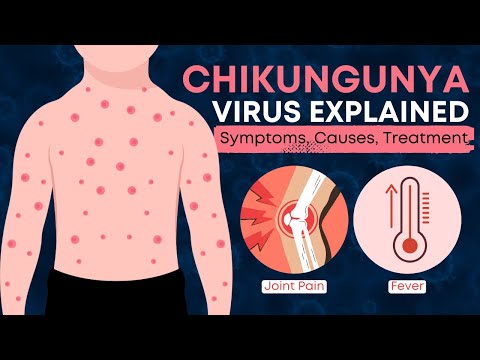
What is Chikungunya Virus? | All You Need to Know About Chikungunya Virus
0
VoiceTube posted on 2025/07/26Ever wondered about Chikungunya? This video dives deep into the virus, explaining how it spreads through mosquitoes like Aedes aegypti and offering practical prevention tips you can use right away! You'll also pick up some advanced vocabulary related to health and diagnostics, making it a super useful watch for learning and staying informed.
Learn this video on the APP!
The VoiceTube App has more in-depth practice for videos!