
adult
US / əˈdʌlt, ˈædʌlt/
UK /ˈædʌlt/
- Noun (Countable/Uncountable)
- Person or animal that is fully grown
- A fully grown animal.
- Adjective
- Being fully grown; mature; no longer a teenager
- Containing sexually explicit material.
A2TOEICMoreall the things
US
UK
- Pronoun
- Everything; all items or aspects
- Determiner
- Every item or object being considered or discussed.
A1Moreanalogous to
US
UK
- Adjective
- Comparable in certain respects, typically in a way that clarifies the nature of the things compared.
A1Moreas one
US
UK
- Adverb
- Acting or moving together at the same time.
- In complete agreement or unity.
- Phrase
- With a single voice or opinion; unanimously.
- In perfect harmony or unison.
A1Moreas well as
US /æz wɛl æz/
UK /æz wel æz/
- Adverb
- Also; in addition to
- Preposition
- In addition to; and also.
A1Moreat least
US /æt list/
UK /æt li:st/
- Adverb
- As a minimum
- Not less than
- Phrase
- No less than; at the minimum
- Used to indicate that something is positive in a bad situation.
C2Moreat random
US /æt ˈrændəm/
UK /æt ˈrændəm/
- Phrase
B1Moreat that time
US /æt ðæt taɪm/
UK /æt ðæt taim/
- Phrase
- During a specific point in the past.
A1Moreat work
US /æt wɚk/
UK /æt wə:k/
- Phrase
- Located at one's place of employment
A1Moreattention
US /əˈtɛnʃən/
UK /əˈtenʃn/
- Noun (Countable/Uncountable)
- Taking notice of someone or something
- Noun
- (Soldiers) Standing with straight backs
A2TOEICMoreaware
US /əˈwɛr/
UK /əˈwɛə/
- Adjective
- Knowing or feeling that something exists
A2TOEICMoreback into
US /bæk ˈɪntu/
UK /bæk ˈɪntuː/
- Phrasal Verb
- To drive a vehicle backwards into a space or area.
- To accidentally collide with something while moving backwards.
A1Morebased on
US
UK
- Phrasal Verb
- To use something as the foundation or starting point for something else.
- Preposition
- Using something as the main idea or foundation.
- Relying on something as evidence or justification.
A1Morebe with
US /bi wɪð/
UK /bi: wið/
- Phrasal Verb
- To accompany someone; to be in someone's presence.
- To support someone's opinion or cause.
A1Morebreak down
US /brek daʊn/
UK /breik daun/
- Phrasal Verb
- To forcibly break, destroy or make collapse
- (Machine) to stop working or become weaker
A1Morebreaks down
US
UK
- Phrasal Verb
- To forcibly break, destroy or make collapse
- (Machine) to stop working or become weaker
A1Morebuddha
US /ˈbudə, ˈbʊdə/
UK /ˈbʊdə/
- Proper Noun
- Someone achieving a state of perfect enlightenment
- Countable Noun
- A statue or image representing the Buddha.
C2Morebuddhism
US /ˈbuˌdɪzəm, ˈbʊdˌɪz-/
UK /'bʊdɪzəm/
- Uncountable Noun
- Religion devoted to the teaching of Buddha
C2Morecalm down
US /kɑm daʊn/
UK /kɑ:m daun/
- Phrasal Verb
- To make or become relaxed after being stressed
A2Morecare for
US /kɛr fɔr/
UK /kɛə fɔ:/
- Phrasal Verb
- To want or desire a thing
- To look after someone who is ill, old, or very young.
A1Morecare of
US /kɛr ʌv/
UK /kɛə ɔv/
- Preposition
- Used in an address to indicate the person who will receive the mail for someone else.
A2Morechronic
US /ˈkrɑnɪk/
UK /'krɒnɪk/
- Adjective
- Always or often doing something, e.g. lying
- (Of disease) over a long time; serious
B1Morecome along
US /kʌm əˈlɔŋ/
UK /kʌm əˈlɔŋ/
- Phrasal Verb
- To go with someone who takes the lead
- To make progress toward a goal
A1Morecome together
US /kʌm təˈɡɛðɚ/
UK /kʌm təˈɡeðə/
- Phrasal Verb
- To assemble or unite; to start working together.
- To form a close relationship or bond.
A1Moreconnect
US /kəˈnɛkt/
UK /kə'nekt/
- Transitive Verb
- To associate a thing with something else
- To join or attach things together
A2Moreconnected with
US
UK
- Phrase
- Related to; associated with.
- Involved with; having a relationship with.
- Phrasal Verb
- Was associated or linked to someone or something.
- Felt understanding or empathy with someone or something.
B1Morecount on
US /kaʊnt ɑn/
UK /kaunt ɔn/
- Phrasal Verb
- To depend on someone
- To be confident of and expect something
A2Moredevelopment
US /dɪˈvɛləpmənt/
UK /dɪ'veləpmənt/
- Noun (Countable/Uncountable)
- Act or process of growing bigger or more advanced
- A new event related to a previous event
A2TOEICMoredrain
US /dren/
UK /dreɪn/
- Noun (Countable/Uncountable)
- Hole or pipe that water, waste etc. flows into
- Something that depletes resources or energy.
- Transitive Verb
- To empty or remove liquid from
- To use up the energy/ money/power of something
B1Moreenergize
US /ˈɛnɚˌdʒaɪz/
UK /'enədʒaɪz/
- Transitive Verb
- To give more energy and power to someone
- To give energy or vitality to; invigorate.
B1Moreenergy
US /ˈɛnədʒi/
UK /'enədʒɪ/
- Noun (Countable/Uncountable)
- Physical or mental strength
- Enthusiasm and determination.
A2Moreenlighten
US /ɛnˈlaɪtn/
UK /ɪn'laɪtn/
- Transitive Verb
- To cause someone to understand
- To give light to; illuminate.
B2TOEICMoreenlightenment
US /ɛnˈlaɪtn:mənt/
UK /ɪnˈlaɪtnmənt/
- Uncountable Noun
- State of having a lot of knowledge and wisdom
- The state of having knowledge or understanding; the act of giving someone knowledge or understanding.
B2TOEICMoreequilibrium
US /ˌikwəˈlɪbriəm, ˌɛkwə-/
UK /ˌi:kwɪˈlɪbriəm/
- Noun (Countable/Uncountable)
- A state of balance or harmony
- Calm, quiet, undisturbed emotional state
C2TOEICMoreevolve
US /ɪˈvɑlv/
UK /ɪ'vɒlv/
- Verb (Transitive/Intransitive)
- To develop certain features
- To develop or change slowly over time
B1Moreexpert
US /ˈɛkˌspɚt/
UK /'ekspɜ:t/
- Countable Noun
- Skillful person with special knowledge
- Adjective
- Having special knowledge or skill
A2TOEICMorefall back on
US /fɔl bæk ɑn/
UK /fɔ:l bæk ɔn/
- Phrasal Verb
- To make use of, when you have no other options
A1Morefeel like
US
UK
- Intransitive Verb
- To have a desire or inclination for something.
- To have a particular quality or sensation; resemble.
A1Morefitness
US /ˈfɪtnɪs/
UK /ˈfɪtnəs/
- Uncountable Noun
- Good physical condition; being in shape
B1Morefollowed through
US
UK
- Phrasal Verb
- To fulfill a promise
- Intransitive Verb
- Continued the motion of a stroke after hitting the ball, especially in golf or tennis.
A1Morefor example
US
UK
- Phrase
- As an illustration or instance.
for long
US
UK
- Phrase
- For a considerable period of time.
- For a significant duration in the future.
A1Morefrequently
US /ˈfrikwəntlɪ/
UK /ˈfri:kwəntli/
- Adverb
- Often; regularly
- Repeatedly or many times.
A2TOEICMoreget a sense
US
UK
- Verb (Transitive/Intransitive)
- To understand or perceive something intuitively.
A1Moreget through
US /ɡɛt θru/
UK /ɡet θru:/
- Phrasal Verb
- To arrive at the end of or finish something
- To succeed in contacting someone by phone
A1Moregive off
US /ɡɪv ɔf/
UK /ɡiv ɔf/
- Phrasal Verb
- To produce a smell or gas; emit
A1Moregive up
US /ɡɪv ʌp/
UK /ɡiv ʌp/
- Phrasal Verb
- To lose hope or admit defeat
- To decide to not start to try solving a problem
- Verb Phrase
- to surrender an item; hand over an item
A1Moregloomy
US /ˈɡlumi/
UK /'ɡlu:mɪ/
- Adjective
- (E.g. of a room) dark; dim; poorly lit
- Feeling distressed or pessimistic.
B1Morego back to
US /ɡo bæk tu/
UK /ɡəu bæk tu:/
- Phrasal Verb
- To return to a starting point
A1Moregoing on
US /ˈɡoɪŋ ɑn/
UK /ˈgəʊɪŋ ɔn/
- Phrasal Verb
- To continue doing something
- To happen (usually negative)
A1Morehave at
US
UK
- Phrasal Verb
- To attack someone or something.
- To begin doing something with enthusiasm.
A1Morehave to
US /hæv tu/
UK /ˈhæv tə/
- Auxiliary Verb
- Must do
A1Morehold on
US /hold ɑn/
UK /həuld ɔn/
- Phrasal Verb
- To wait for someone (e.g. on a phone call)
- To wait for a short time.
A1Morehuman development
US /ˈhjumən dɪˈvɛləpmənt/
UK /ˈhju:mən diˈveləpmənt/
- Uncountable Noun
- The process of improvement in people's well-being and quality of life.
- The physical, intellectual, and emotional growth of a person from infancy to adulthood.
B1Morein fact
US /ɪn fækt/
UK /in fækt/
- Adverb
- Used to emphasize the truth of a statement, especially one that contrasts with or contradicts something else.
- Used to introduce a more detailed or surprising piece of information.
- Phrase
- Used to emphasize the truth of a statement, especially one that is surprising or contrary to what might be expected.
C1Morein other words
US
UK
- Phrase
- Stating something in a different way, often to make it clearer or more understandable.
in part
US /ɪn pɑrt/
UK /in pɑ:t/
- Adverb
- To some extent; partially.
A1Morein person
US /ɪn ˈpɜːrsn/
UK /in ˈpɜːsn/
- Adverb
- Physically present; not by proxy or remotely.
- Face-to-face; not through electronic communication.
A1Morein school
US /ɪn skul/
UK /ɪn sku:l/
- other
- Attending an educational institution.
A1Morein terms of
US
UK
- Phrase
- With regard to; concerning a particular aspect.
A1Morein the middle of
US
UK
- Phrase
- In the central part or point of something.
- Engaged or occupied with something.
A2Morein the process of
US /ɪn ði ˈprɑsˌɛs ʌv/
UK /in ðə ˈprəuses ɔv/
- Phrase
- During the course of; while something is happening or being done.
A1Morein the trenches
US /ɪn ðə ˈtrɛntʃɪz/
UK /ɪn ðə ˈtrentʃɪz/
- other
- Engaged directly and actively in difficult work or conflict.
B2Morein the way
US /ɪn ði we/
UK /in ðə wei/
- Phrase
- Obstructing someone or something; hindering progress.
- Stored or placed so as to be available or ready when needed.
A1Morein the world
US /ɪn ði wɜrld/
UK /in ðə wɜː(r)ld/
- Phrase
- Used to emphasize a question expressing surprise, confusion, disbelief
- Used to indicate the extent or degree of something, often in a superlative sense
A1Morein touch
US /ɪn tʌtʃ/
UK /in tʌtʃ/
- Adjective
- Having contact or communication with someone.
- Aware of or informed about something.
B1Morein with
US /ɪn wɪð/
UK /in wið/
- Phrase
- Fashionable or popular at the moment.
- Having influence or favor with someone.
- Phrasal Verb
- To introduce or bring something new into a system or organization.
A1Moreinflammation
US /ˌɪnfləˈmeʃən/
UK /ˌɪnfləˈmeɪʃn/
- Noun (Countable/Uncountable)
- Painful swelling in the body due to illness
- A condition in which a part of the body becomes reddened, swollen, hot, and often painful, especially as a reaction to injury or infection.
B2Moreinstead of
US /ɪnˈstɛd ʌv/
UK /inˈsted ɔv/
- Preposition
- When one thing is replaced by another
- Adverb
- As a substitute or alternative.
A1Moreinteract with
US /ˌɪntɚˈækt wɪð/
UK /ˌɪntərˈækt wið/
- Phrase
- Verb (Transitive/Intransitive)
- To engage in communication or action involving mutual or reciprocal influence.
- To use a computer interface to achieve a specific goal.
A2Moreisolate
US /ˈaɪsəˌlet/
UK /ˈaɪsəleɪt/
- Transitive Verb
- To identify, consider, or deal with separately
- To keep in a place or situation apart from others
B1Morekindness
US /ˈkaɪndnɪs/
UK /ˈkaɪndnəs/
- Uncountable Noun
- Quality of being warmhearted and helpful
- A kind or helpful act.
B1Moreknow about
US /noʊ əˈbaʊt/
UK /nəʊ əˈbaut/
- Phrasal Verb
- To have information or understanding of a subject or situation.
light up
US /laɪt ʌp/
UK /lait ʌp/
- Phrasal Verb
- To illuminate something; to make something brighter with light.
- To ignite a cigarette, cigar, or pipe for smoking.
A1Moreloneliness
US /ˈlonlɪnɪs/
UK /'ləʊnlɪnəs/
- Uncountable Noun
- State of feeling sad because you are alone
- A feeling of being isolated from others, even when surrounded by people.
B2Morelonely
US /ˈloʊnli/
UK /ˈləʊnli/
- Adjective
- Sad because apart from other people
- Being far away and rarely visited by people
B2Morelook at
US /lʊk æt/
UK /luk æt/
- Phrasal Verb
- To use your eyes to focus on something
- To focus your eyes on something carefully
A1Moremake for
US /mek fɔr/
UK /meik fɔ:/
- Phrasal Verb
- To go to or toward something/someone for a reason
- To result in; cause
A1Moremap out
US /mæp aʊt/
UK /mæp aut/
- Phrasal Verb
- To plan or arrange something in detail.
A2Moremeditation
US /ˌmɛdɪˈteʃən/
UK /ˌmedɪ'teɪʃn/
- Noun (Countable/Uncountable)
- Act of deep and quiet thinking
- The practice of focusing one's mind for a period of time.
B2Moremove back
US /muv bæk/
UK /mu:v bæk/
- Phrasal Verb
- To retreat or withdraw from a position.
- To reposition or shift something to a previous location.
A2Moreno matter
US
UK
- Conjunction
- Regardless of; it does not matter.
- Adverb
- Regardless of; it is not important
A1Morenumber of people
US /ˈnʌmbɚ ʌv ˈpipəl/
UK /ˈnʌmbə ɔv ˈpi:pl/
- Phrase
- The total count of individuals within a group or gathering.
- A statistical figure representing the population size or a subset thereof.
A1Moreof course
US /ʌv kɔː(r)s/
UK /ɔv kɔː(r)s/
- Adverb
- Sure ; Certainly
- Phrase
- For sure; certainly
A2Moreon board
US /ɑn bɔrd/
UK /ɔn bɔ:d/
- Phrase
- Being on a ship, plane, or other vehicle
- Adverb
- On or in a ship, aircraft, train, or other vehicle
A1Moreon the other hand
US
UK
- Phrase
- Considering a different aspect of the matter; alternatively.
A1Moreon the rise
US /ɑn ði raɪz/
UK /ɔn ðə raiz/
- Adjective
- Increasing; becoming more popular or common.
- Becoming more successful in a career or field.
- Phrase
- Increasing in popularity.
A1Moreon to
US /ɑn tu/
UK /ɔn tu:/
- Preposition
- Toward something; forward
- Aware of someone's activities.
- Adjective
- Aware of someone's deception or illegal activities.
A1Moreongoing
US /ˈɑ:ngoʊɪŋ/
UK /ˈɒngəʊɪŋ/
- Adjective
- Continuing to exist or be in progress
- Noun (Countable/Uncountable)
- A situation or process that is currently taking place or is in progress.
- A problem or difficulty that continues to exist or happen.
B1Moreout there
US /aʊt ðɛr/
UK /aut ðɛə/
- Adverb
- In or to a place that is far away
- Existing in the universe
- Adjective
- Unconventional; strange; avant-garde
- Existing or available.
A1Moreover time
US /ˈovɚ taɪm/
UK /ˈəuvə taim/
- Phrase
- Gradually; as time passes.
- During a long period.
- Adverb
- Gradually; as time passes.
B1Morepass on
US
UK
- Phrasal Verb
- A polite way of saying 'to die'
A1Morepay off
US /pe ɔf/
UK /pei ɔf/
- Phrasal Verb
- To give money to get person to do something; bribe
- To give money to settle a debt
- Transitive Verb
- To bribe someone.
- To pay a debt in full.
A1Morephysical
US /ˈfɪzɪkəl/
UK /ˈfɪzɪkl/
- Countable Noun
- Health check at the doctors' or hospital
- Adjective
- Concerning the body of a person
- Concerning things that can be seen or touched
A2Moreplay out
US
UK
- Phrasal Verb
- To use up or exhaust
- To develop or happen in a particular way.
A1Morepractice
US /ˈpræktɪs/
UK /'præktɪs/
- Noun
- The office and place for legal or medical work
- Doing something many times to become better at it
- Verb (Transitive/Intransitive)
- To work as a doctor or lawyer
- To live according to the teachings of a religion
A2TOEICMoreprocedure
US /prəˈsidʒɚ/
UK /prəˈsi:dʒə(r)/
- Noun
- A medical operation
- Usual or standard steps taken to do something
B1TOEICMorepsychiatrist
US /saɪ'kaɪətrɪst/
UK /saɪˈkaɪətrɪst/
- Countable Noun
- Doctor who treats psychological disorders
- Doctor who treats psychological disorders
B2Morepsychiatry
US /sɪˈkaɪətri, saɪ-/
UK /saɪˈkaɪətri/
- Uncountable Noun
- Study and treatment of mental illness
B2Morepursue
US /pɚˈsu/
UK /pə'sju:/
- Transitive Verb
- To follow and try to catch, or to reach a goal
- To try to achieve or get something over time
B1TOEICMorerather than
US
UK
- Adverb
- More exactly; more correctly
- Preferably; instead
- Preposition
- Instead of
A1Morerelationship
US /rɪˈleʃənˌʃɪp/
UK /rɪˈleɪʃnʃɪp/
- Noun (Countable/Uncountable)
- Connection between two or more people or things
- Way people interact or live with each other
A2TOEICMoreresearch
US /rɪˈsɚtʃ, ˈriˌsɚtʃ/
UK /rɪ'sɜ:tʃ/
- Verb (Transitive/Intransitive)
- To study in order to discover new ideas and facts
- To study the market relating to marketing products and services.
- Noun (Countable/Uncountable)
- Study done to discover new ideas and facts
- A particular area or topic of study.
A2TOEICMoreright for
US
UK
- Adjective
- Suitable or appropriate for a particular person, purpose, or situation.
- Correct or most appropriate.
A1Moreset out
US /sɛt aʊt/
UK /set aut/
- Phrasal Verb
- To arrange something in an orderly fashion
- To give in detail in writing
A1Moreshow up
US /ʃo ʌp/
UK /ʃəu ʌp/
- Phrasal Verb
- To arrive or be seen at a place, e.g. a party
- To be noticeably better than (someone else)
A1Morestay in
US /ste ɪn/
UK /stei in/
- Phrasal Verb
- To remain inside one's home.
- Intransitive Verb
- To remain as an inpatient in a hospital.
stress
US / strɛs/
UK /stres/
- Transitive Verb
- To emphasize one or more parts of a word, sentence
- To put pressure on something or someone
- Noun (Countable/Uncountable)
- Emphasis on part of a word or sentence
- Pressure on something or someone
A2TOEICMorestressful
US /ˈstrɛsfəl/
UK /ˈstresfl/
- Adjective
- Worrying; causing tension
A2Morestring together
US /strɪŋ təˈɡɛðɚ/
UK /strɪŋ təˈɡeðə/
- other
- To connect words or ideas coherently.
B2Moresuffer
US / ˈsʌfɚ/
UK /'sʌfə(r)/
- Verb (Transitive/Intransitive)
- To experience pain, illness, or injury
- To allow or permit something, especially something unpleasant.
A2Moretake away from
US /tek əˈwe frʌm/
UK /teik əˈwei frɔm/
- Phrasal Verb
- To reduce the positive effect or value of something.
- To remove or detract from a particular quality or fact.
A1Morethink about
US /θɪŋk əˈbaʊt/
UK /θiŋk əˈbaut/
- Phrasal Verb
- To consider something carefully.
- To remember or call to mind.
A1Morethink of
US /θɪŋk ʌv/
UK /θiŋk ɔv/
- Phrasal Verb
- To look on as (being something specific); consider
- To consider or remember something.
- Verb (Transitive/Intransitive)
- To imagine or call something to mind
A1Moreto do with
US
UK
- Phrasal Verb
- To be about something; concern
A1Moretogether with
US /təˈɡɛðɚ wɪð/
UK /təˈɡeðə wið/
- Preposition
- In addition to; along with.
- Including; as well as.
A1Moreturn out
US /tɚn aʊt/
UK /tə:n aut/
- Phrasal Verb
- To arrive for a public event or entertainment
- To happen to be in the end
A1Moreturn to
US /tɚn tu/
UK /tə:n tu:/
- Phrasal Verb
- To go to someone for help, advice, or information.
- To start doing or using something, often something bad or undesirable.
A1Moreunhappiness
US
UK
- Uncountable Noun
- Feeling of sadness
B1Moreunhappy
US /ʌnˈhæpi/
UK /ʌn'hæpɪ/
- Adjective
- Not feeling happy; sad or worried
B1Moreunusual
US /ʌnˈjuʒuəl/
UK /ʌnˈju:ʒuəl/
- Adjective
- Being rare or uncommon; not ordinary; strange
- Remarkable or interesting because different from or better than others.
B1Morevolunteer
US /ˌvɑlənˈtɪr/
UK /ˌvɒlən'tɪə(r)/
- Adjective
- Working willingly without pay to help others
- Countable Noun
- Person who helps others without being paid
- A person who enters military service voluntarily.
B2TOEICMorewant in
US
UK
- Intransitive Verb
- To desire to participate or be included in something.
A1Morewear away
US
UK
- Phrasal Verb
- To erode or diminish by friction or long use.
- To gradually weaken or diminish something.
A2Morewith it
US /wɪð ɪt/
UK /wið it/
- Adjective
- Intelligent, alert, and up-to-date.
- Understanding and knowledgeable about current trends or information.
A1Morework on
US /wɚk ɑn/
UK /wə:k ɔn/
- Phrasal Verb
- To devote effort to improve or develop something
- To try to persuade or influence someone.
A1Morework out
US /wɚk aʊt/
UK /wə:k aut/
- Phrasal Verb
- To find a way to do something, by thinking
A1More
Vocabulary
- think about: To consider something carefully.
- in fact: Used to emphasize the truth of a statement, especially one that contrasts with or contradicts something else.
- in the world: Used to emphasize a question expressing surprise, confusion, disbelief
- feel like: To have a desire or inclination for something.
- going on: To continue doing something
- for example: As an illustration or instance.
- in with: Fashionable or popular at the moment.
- no matter: Regardless of; it does not matter.
- work on: To devote effort to improve or develop something
- in terms of
- have to: Must do
- know about: To have information or understanding of a subject or situation.
- over time: Gradually; as time passes.
- think of: To look on as (being something specific); consider
- look at: To use your eyes to focus on something
- rather than: More exactly; more correctly
- break down: To forcibly break, destroy or make collapse
- to do with: To be about something; concern
- based on: To use something as the foundation or starting point for something else.
- come along: To go with someone who takes the lead
- connected with: Related to; associated with.
- out there: In or to a place that is far away
- stay in: To remain inside one's home.
- on the other hand : Considering a different aspect of the matter; alternatively.
- work out
- on to: Toward something; forward
- hold on: To wait for someone (e.g. on a phone call)
- be with: To accompany someone; to be in someone's presence.
- show up: To arrive or be seen at a place, e.g. a party
- with it: Intelligent, alert, and up-to-date.
- instead of: When one thing is replaced by another
- set out: To arrange something in an orderly fashion
- human development: The process of improvement in people's well-being and quality of life.
- of course: Sure ; Certainly
- at that time: During a specific point in the past.
- followed through: To fulfill a promise
- on board: Being on a ship, plane, or other vehicle
- light up: To illuminate something; to make something brighter with light.
- as one: Acting or moving together at the same time.
- make for: To go to or toward something/someone for a reason
- care of: Used in an address to indicate the person who will receive the mail for someone else.
- count on: To depend on someone
- get through: To arrive at the end of or finish something
- in the trenches: Engaged directly and actively in difficult work or conflict.
- turn out: To arrive for a public event or entertainment
- pass on: A polite way of saying 'to die'
- as well as: Also; in addition to
- calm down: To make or become relaxed after being stressed
- wear away: To erode or diminish by friction or long use.
- breaks down: To forcibly break, destroy or make collapse
- analogous to: Comparable in certain respects, typically in a way that clarifies the nature of the things compared.
- pay off: To give money to get person to do something; bribe
- in person: Physically present; not by proxy or remotely.
- in touch: Having contact or communication with someone.
- map out: To plan or arrange something in detail.
- all the things: Everything; all items or aspects
- right for: Suitable or appropriate for a particular person, purpose, or situation.
- number of people: The total count of individuals within a group or gathering.
- turn to: To go to someone for help, advice, or information.
- play out: To use up or exhaust
- care for: To want or desire a thing
- take away from: To reduce the positive effect or value of something.
- in the process of: During the course of; while something is happening or being done.
- for long: For a considerable period of time.
- fall back on: To make use of, when you have no other options
- in the middle of: In the central part or point of something.
- give up: To lose hope or admit defeat
- in other words: Stating something in a different way, often to make it clearer or more understandable.
- in the way: Obstructing someone or something; hindering progress.
- interact with
- go back to: To return to a starting point
- move back: To retreat or withdraw from a position.
- back into: To drive a vehicle backwards into a space or area.
- string together: To connect words or ideas coherently.
- in part: To some extent; partially.
- at least: As a minimum
- on the rise: Increasing; becoming more popular or common.
- want in: To desire to participate or be included in something.
- have at: To attack someone or something.
- get a sense: To understand or perceive something intuitively.
- at work: Located at one's place of employment
- at random
- come together: To assemble or unite; to start working together.
- together with: In addition to; along with.
- in school: Attending an educational institution.
- give off: To produce a smell or gas; emit
- chronic: Always or often doing something, e.g. lying
- meditation: Act of deep and quiet thinking
- physical: Health check at the doctors' or hospital
- practice: The office and place for legal or medical work
- matter: To be of great importance; to count
- experience: Thing a person has done or that happened to them
- pursue: To follow and try to catch, or to reach a goal
- evolve: To develop certain features
- aware: Knowing or feeling that something exists
- stress: To emphasize one or more parts of a word, sentence
- inflammation: Painful swelling in the body due to illness
- research: To study in order to discover new ideas and facts
- relationship: Connection between two or more people or things
- drain: Hole or pipe that water, waste etc. flows into
- expert: Skillful person with special knowledge
- mean: Average of a set of numbers
- suffer: To experience pain, illness, or injury
- attention: Taking notice of someone or something
- frequently: Often; regularly
- mind: To be bothered or upset by something
- mindfulness: Paying attention to your responsibilities
- energy: Physical or mental strength
- social: Involving activity with people, e.g. in free time
- development: Act or process of growing bigger or more advanced
- normal: Standard or regular way of doing something
- enlightenment: State of having a lot of knowledge and wisdom
- activity: An action or task, e.g. sports, washing clothes
- stressful: Worrying; causing tension
- notice: To become aware by sight, touch, or hearing
- moment: Very short or brief period of time
- lot: What happens to a person in life from chance; fate
- place: To put someone in a particular type of situation
- kind: In a caring and helpful manner
- pain: Strong feeling of hurt or discomfort
- ongoing: Continuing to exist or be in progress
- learn: To get knowledge or skills by study or experience
- procedure: A medical operation
- adult: Person or animal that is fully grown
- connect: To associate a thing with something else
- volunteer: Working willingly without pay to help others
- gloomy: (E.g. of a room) dark; dim; poorly lit
- loneliness: State of feeling sad because you are alone
- fitness: Good physical condition; being in shape
- equilibrium: A state of balance or harmony
- isolate: To identify, consider, or deal with separately
- unusual: Being rare or uncommon; not ordinary; strange
- psychiatrist: Doctor who treats psychological disorders
- enlighten: To cause someone to understand
- kindness: Quality of being warmhearted and helpful
- energize: To give more energy and power to someone
- lonely: Sad because apart from other people
- psychiatry: Study and treatment of mental illness
- buddha: Someone achieving a state of perfect enlightenment
- buddhism: Religion devoted to the teaching of Buddha
- unhappy: Not feeling happy; sad or worried
- unhappiness: Feeling of sadness
Get the full experience in the app
Learn anywhere with detailed sentence and usage analysis
01:03
She took a brave step forward, leaving behind her comfort zone to chase her dreams.
Vocabulary
- brave
adj. Having courage
- comfort zone
phr. A familiar situation where one feels safe
Explanation
a brave step is a noun phrase, where brave is an adjective modifying the noun step, meaning "a courageous step".
forward is an adverb modifying step, meaning "ahead".
The whole phrase serves as the object, answering the "what" of took (verb) — she took a brave step forward.
Get the full experience in the app
Look up words anytime with pronunciation, part of speech, and usage
brave
US/brev/
UK/breɪv/
adj.Brave
v.t.To bravely face
A2 Elementary
Get the full experience in the app
Practice speaking anytime and get instant pronunciation feedback
Try this speaking exercise.
Try practicing with this sentence.
80
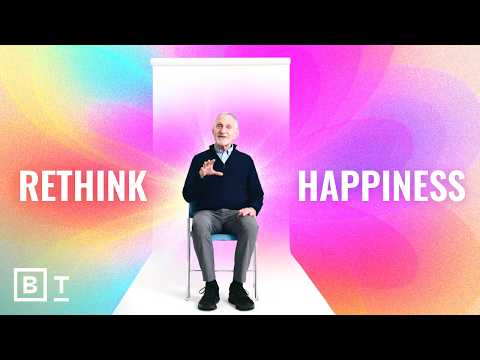
What 85 years of research says is the real key to happiness | Robert Waldinger: Full Interview
0
林宜悉 posted on 2025/07/25Ever wonder what *really* makes people happy? This fascinating interview dives into 85 years of research from Harvard Medical School to uncover the surprising keys to well-being and longevity. You'll pick up advanced vocabulary related to adult development and social fitness, perfect for understanding complex sentence structures and boosting your daily practical English!
Learn this video on the APP!
The VoiceTube App has more in-depth practice for videos!