
acronym
US /'ækrənɪm/
UK /'ækrənɪm/
- Acronym
- A word made from the first letters of other words
C1TOEICMoreadministration
US / ædˌmɪnɪˈstreʃən/
UK /ədˌmɪnɪˈstreɪʃn/
- Uncountable Noun
- Act of giving e.g. medicine to a patient
- The work of running something, e.g. a business
B1TOEICMorealong with
US /əˈlɔŋ wɪð/
UK /əˈlɔŋ wið/
- Preposition
- In addition to; together with.
- Adverb
- In company or together with someone or something.
- Including; in addition to.
A2Moreanti
US /ˈæntaɪ, -ti/
UK /'æntɪ/
- Adjective
- A prefix meaning 'against' or 'opposed'
B2Morebe with
US /bi wɪð/
UK /bi: wið/
- Phrasal Verb
- To accompany someone; to be in someone's presence.
- To support someone's opinion or cause.
A1Morebuild up
US /bɪld ʌp/
UK /bild ʌp/
- Phrasal Verb
- To increase the amount; collect something
- To develop or increase something in stages
- Verb (Transitive/Intransitive)
- To increase or develop something gradually.
- To praise or encourage someone.
A1Morebuildup
US /'bɪldˌʌp/
UK /'bɪldˌʌp/
- Noun
- Making people feel excited about some new event
C2Morecompetition
US /ˌkɑmpɪˈtɪʃən/
UK /ˌkɒmpəˈtɪʃn/
- Noun (Countable/Uncountable)
- Fighting against others to win something
- A situation in which people or organizations compete with each other for something that not everyone can have.
A2Moreconsolidate
US /kənˈsɑ:lɪdeɪt/
UK /kənˈsɒlɪdeɪt/
- Transitive Verb
- To combine into one; make bigger or stronger
B1Moreconvince
US /kənˈvɪns/
UK /kən'vɪns/
- Transitive Verb
- To persuade someone, or make them feel sure
A2TOEICMorecorruption
US /kəˈrʌpʃən/
UK /kəˈrʌpʃn/
- Uncountable Noun
- State of being damaged or spoiled
- Illegal, immoral dishonesty
B1Morecrack down
US /kræk daʊn/
UK /kræk daun/
- Phrasal Verb
- To act forcefully in order to reduce crime, etc.
B1Moredirect
US /dɪˈrɛkt, daɪ-/
UK /də'rekt/
- Transitive Verb
- To tell someone in a very clear way to do something
- To show the way by conducting or leading
- Adverb
- Coming straight from something
A2TOEICMoredissent
US /dɪˈsɛnt/
UK /dɪ'sent/
- Uncountable Noun
- Difference of opinion; a disagreement
- Intransitive Verb
- To differ in opinion
B2TOEICMoredraft
US /dræft/
UK /drɑ:ft/
- Noun (Countable/Uncountable)
- Withdrawal of money from the bank
- System for selecting people to join the military
- Transitive Verb
- To order people to join the army in time of war
- To select people for a task or team
B1TOEICMoreeffort
US /ˈɛfət/
UK /ˈefət/
- Uncountable Noun
- Amount of work used trying to do something
- A conscious exertion of power; a try.
A2TOEICMoreessentially
US /ɪˈsenʃəli/
UK /ɪˈsenʃəli/
- Adverb
- Basically; (said when stating the basic facts)
- Used to emphasize the basic truth or fact of a situation.
A2Morefudge
US /fʌdʒ/
UK /fʌdʒ/
- Uncountable Noun
- Soft sweet made from butter and milk
- Verb (Transitive/Intransitive)
- To avoid dealing with an issue, problem
C1Morefundamentally
US /ˌfʌndəˈmɛntl:ɪ/
UK /ˌfʌndəˈmentəli/
- Adverb
- In a basic and important way
- In a complete and thorough way
B1Moregoing on
US /ˈɡoɪŋ ɑn/
UK /ˈgəʊɪŋ ɔn/
- Phrasal Verb
- To continue doing something
- To happen (usually negative)
A1Moregovernance
US /ˈɡʌvənəns/
UK /ˈgʌvənəns/
- Uncountable Noun
- Way a government is run; function of a government
B2Morehave to
US /hæv tu/
UK /ˈhæv tə/
- Auxiliary Verb
- Must do
A1Moreimpulse
US /ˈɪmˌpʌls/
UK /'ɪmpʌls/
- Noun
- Sudden desire to do something that is not planned
- A brief electrical signal transmitted along a nerve fiber or muscle fiber
B1TOEICMorein fact
US /ɪn fækt/
UK /in fækt/
- Adverb
- Used to emphasize the truth of a statement, especially one that contrasts with or contradicts something else.
- Used to introduce a more detailed or surprising piece of information.
- Phrase
- Used to emphasize the truth of a statement, especially one that is surprising or contrary to what might be expected.
C1Morein terms of
US
UK
- Phrase
- With regard to; concerning a particular aspect.
A1Morein the end
US /ɪn ði ɛnd/
UK /in ðə end/
- Phrase
- Finally; after a period of time or series of events.
- Ultimately; as the final result or consequence.
A1Moreindependent
US /ˌɪndɪˈpɛndənt/
UK /ˌɪndɪˈpendənt/
- Adjective
- Making your own decisions; acting by yourself
- Not connected with or influenced by something else.
- Noun
- A person not connected to a political party
- Someone who is independent, especially in politics or business.
A2TOEICMoreintelligence
US /ɪnˈtɛlədʒəns/
UK /ɪn'telɪdʒəns/
- Uncountable Noun
- Collection of secret information about something
- Ability to learn things or to consider situations
- Adjective
- Of the spying services; acting in secrecy
A2TOEICMoreironically
US /aɪ'rɒnɪklɪ/
UK /aɪ'rɒnɪklɪ/
- Adverb
- Contrary to plan or expectation
B2Morelegislation
US /ˌlɛdʒɪˈsleʃən/
UK /ˌledʒɪsˈleɪʃn/
- Uncountable Noun
- Act or process of writing and passing laws
B1Morelook to
US
UK
- Phrasal Verb
- Be looking to. be planning to (do something)
- To expect someone to do something for you; rely on
A1Morepath
US /pæθ, pɑθ/
UK /pɑ:θ/
- Noun
- Method of living leading to a particular result
- Track made with stones, by walking over the ground
A2TOEICMorepressure
US /ˈprɛʃɚ/
UK /'preʃə(r)/
- Noun (Countable/Uncountable)
- Anxiety caused by difficult problems
- Force, weight when pressing against a thing
- Transitive Verb
- To apply force to something
- To persuade or force someone to do something
A2TOEICMoreprivilege
US /ˈprɪvəlɪdʒ, ˈprɪvlɪdʒ/
UK /'prɪvəlɪdʒ/
- Noun (Countable/Uncountable)
- Advantage or right given to only certain people
- An opportunity to do something special or enjoyable.
- Transitive Verb
- To give advantages to some people not others
B1TOEICMoreprosecutor
US /ˈprɑ:sɪkju:tə(r)/
UK /ˈprɒsɪkju:tə(r)/
- Noun
- Lawyer who tries to prove a person's guilt
B2Moreprotest
US /ˈproʊtɛst/
UK /'prəʊtest/
- Verb (Transitive/Intransitive)
- To argue against something in a forceful way
- To express a strong objection or dislike
- Noun
- Forceful argument against something
- Objection to something
A2Morereckless
US /ˈrɛklɪs/
UK /'rekləs/
- Adjective
- Being dangerous and not caring about the results
B2Morereverse
US /rɪˈvɚs/
UK /rɪ'vɜ:s/
- Noun
- Setting that makes the vehicle go backward
- Instance of a significant change, for the worse
- Verb (Transitive/Intransitive)
- To drive a vehicle backward
- To change to an opposite state, way or condition
B1TOEICMorerevolution
US /ˌrɛvəˈluʃən/
UK /ˌrevə'lu:ʃn/
- Noun
- When a group overthrows an existing government
- Sudden or significant change in something
B1Moreroundabout
US /ˈraʊndəˌbaʊt/
UK /ˈraʊndəbaʊt/
- Noun
- Round junction for several roads; traffic island
- Adjective
- Not direct or straightforward.
B2Moresecurity
US /sɪˈkjʊrɪti/sə'kjurətɪ/
UK /sɪ'kjʊərətɪ/
- Noun
- Department in a company in charge of protection
- Financial document, like stocks, bonds and notes
A2TOEICMoreshake off
US /ʃek ɔf/
UK /ʃeik ɔf/
- Phrasal Verb
- To free yourself of something, e.g. fear or a cold
- To escape from someone who is following you.
A2Moreslip
US /slɪp/
UK /slɪp/
- Noun (Countable/Uncountable)
- Act of beginning to fall from losing balance
- A field position in cricket
- Verb (Transitive/Intransitive)
- To begin to fall as a result of losing balance
- To escape or become free from something
B1TOEICMoresociety
US /səˈsaɪɪti/
UK /sə'saɪətɪ/
- Noun (Countable/Uncountable)
- A group who meet to share values or interests
- Group of people living together
A2TOEICMoresolidity
US
UK
- Uncountable Noun
- State of having the interior filled with matter
C2Morestrip
US /strɪp/
UK /strɪp/
- Transitive Verb
- To remove your clothes (often sexily for someone)
- To remove something, e.g. paint from a wall
- Countable Noun
- Long narrow piece, such as ribbon or land
B1Moresubsequent
US /ˈsʌbsɪˌkwɛnt, -kwənt/
UK /ˈsʌbsɪkwənt/
- Adjective
- Happening after; later
B1Moresuspect
US /səˈspɛkt/
UK /sə'spekt/
- Noun
- Person thought to have committed a crime
- Transitive Verb
- To consider someone is the one guilty of a crime
- To doubt or lack trust
A2TOEICMoretake out
US /tek aʊt/
UK /teik aut/
- Phrasal Verb
- To apply for and get a license
- To take someone on a date
- Uncountable Noun
- Food purchased at a restaurant to eat elsewhere.
A1Moretalking about
US
UK
- Phrasal Verb
- To discuss a particular topic.
- To be constantly mentioning or bringing up a subject.
A1Moretask
US /tæsk/
UK /tɑ:sk/
- Noun (Countable/Uncountable)
- Big or small piece of work someone has to do
- Transitive Verb
- To be given something to do, e.g. wash dishes
A2TOEICMorethrough with
US
UK
- Phrase
- Having had enough (of trouble); wanting to stop
A1Moreto the full
US
UK
- Phrase
- Completely; to the greatest extent possible.
- To the maximum capacity or extent.
A1Moreunveil
US /ʌnˈvel/
UK /ˌʌnˈveɪl/
- Transitive Verb
- To remove something's outer covering
B1TOEICMoreurge
US /ɚdʒ/
UK /ɜ:dʒ/
- Noun (Countable/Uncountable)
- A strong desire for something
- Strong pressure on someone to do something
- Transitive Verb
- To drive something forward
- To ask or encourage someone to do something
A2Morewartime
US /ˈwɔrˌtaɪm/
UK /'wɔ:taɪm/
- Uncountable Noun
- Period of time when there is armed conflict
B2Morewash over
US /wɑʃ ˈovɚ/
UK /wɔʃ ˈəuvə/
- Phrasal Verb
- If a feeling washes over you, you experience it suddenly and strongly.
- To flow over and cover (something).
A1Morewhip
US /hwɪp, wɪp/
UK /wɪp/
- Transitive Verb
- To defeat thoroughly or easily
- To beat with a type of long rope
- Countable Noun
- A long rope used to hit people or animals
B1Morezoom out
US /zum aʊt/
UK /zu:m aut/
- Phrasal Verb
- To decrease the magnification of an image, showing more of the scene.
- To take a broader perspective; to consider the overall context.
Vocabulary
- talking about: To discuss a particular topic.
- have to: Must do
- shake off: To free yourself of something, e.g. fear or a cold
- to the full: Completely; to the greatest extent possible.
- build up: To increase the amount; collect something
- zoom out: To decrease the magnification of an image, showing more of the scene.
- look to: Be looking to. be planning to (do something)
- take out: To apply for and get a license
- crack down: To act forcefully in order to reduce crime, etc.
- in terms of
- going on: To continue doing something
- along with: In addition to; together with.
- wash over: If a feeling washes over you, you experience it suddenly and strongly.
- in fact: Used to emphasize the truth of a statement, especially one that contrasts with or contradicts something else.
- in the end: Finally; after a period of time or series of events.
- through with: Having had enough (of trouble); wanting to stop
- be with: To accompany someone; to be in someone's presence.
- sort: To organize things by putting them into groups
- essentially: Basically; (said when stating the basic facts)
- privilege: Advantage or right given to only certain people
- effort: Amount of work used trying to do something
- urge: A strong desire for something
- intelligence: Collection of secret information about something
- convince: To persuade someone, or make them feel sure
- position: Person's opinion or attitude about something
- impulse: Sudden desire to do something that is not planned
- slip: Act of beginning to fall from losing balance
- pressure: Anxiety caused by difficult problems
- increase: To make or become larger in size or amount
- reverse: Setting that makes the vehicle go backward
- competition: Fighting against others to win something
- task: Big or small piece of work someone has to do
- suspect: Person thought to have committed a crime
- society: A group who meet to share values or interests
- subsequent: Happening after; later
- direct: To tell someone in a very clear way to do something
- path: Method of living leading to a particular result
- acronym: A word made from the first letters of other words
- security: Department in a company in charge of protection
- independent: Making your own decisions; acting by yourself
- administration: Act of giving e.g. medicine to a patient
- reckless: Being dangerous and not caring about the results
- strip: To remove your clothes (often sexily for someone)
- consolidate: To combine into one; make bigger or stronger
- protest: To argue against something in a forceful way
- ironically: Contrary to plan or expectation
- corruption: State of being damaged or spoiled
- whip: To defeat thoroughly or easily
- revolution: When a group overthrows an existing government
- suggest: To mention something that could be done; propose
- fundamentally: In a basic and important way
- moment: Very short or brief period of time
- legislation: Act or process of writing and passing laws
- sign: Indication that something exists or will happen
- control: A device designed to operate a machine
- draft: Withdrawal of money from the bank
- dissent: Difference of opinion; a disagreement
- unveil: To remove something's outer covering
- country: An area of land that is controlled by a government
- anti: A prefix meaning 'against' or 'opposed'
- full: Containing all the parts; complete
- prosecutor: Lawyer who tries to prove a person's guilt
- main: Most important; most often used
- put: To move or place a thing in a particular position
- law: Field of study that relates to the legal profession
- fudge: Soft sweet made from butter and milk
- western: Movies often about cowboys in the American West
- early: Coming/happening before others in a time sequence
- buildup: Making people feel excited about some new event
- talk: Style of speaking
- governance: Way a government is run; function of a government
- roundabout: Round junction for several roads; traffic island
- solidity: State of having the interior filled with matter
- wartime: Period of time when there is armed conflict
Get the full experience in the app
Learn anywhere with detailed sentence and usage analysis
01:03
She took a brave step forward, leaving behind her comfort zone to chase her dreams.
Vocabulary
- brave
adj. Having courage
- comfort zone
phr. A familiar situation where one feels safe
Explanation
a brave step is a noun phrase, where brave is an adjective modifying the noun step, meaning "a courageous step".
forward is an adverb modifying step, meaning "ahead".
The whole phrase serves as the object, answering the "what" of took (verb) — she took a brave step forward.
Get the full experience in the app
Look up words anytime with pronunciation, part of speech, and usage
brave
US/brev/
UK/breɪv/
adj.Brave
v.t.To bravely face
A2 Elementary
Get the full experience in the app
Practice speaking anytime and get instant pronunciation feedback
Try this speaking exercise.
Try practicing with this sentence.
80
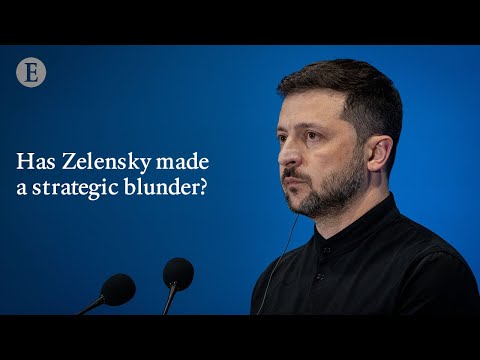
Has Zelensky made a strategic blunder?
0
VoiceTube posted on 2025/07/25Is President Zelensky making a risky move with Bill 12414? This video dives deep into Ukraine's anti-corruption reforms, the political crisis, and Western pressure, perfect for boosting your knowledge learning and advanced vocabulary. You'll get a fantastic grasp of complex political situations and pick up some seriously useful terminology along the way!
Learn this video on the APP!
The VoiceTube App has more in-depth practice for videos!