
along with
US /əˈlɔŋ wɪð/
UK /əˈlɔŋ wið/
- Preposition
- In addition to; together with.
- Adverb
- In company or together with someone or something.
- Including; in addition to.
A2Moreapart from
US /əˈpɑrt frʌm/
UK /əˈpɑ:t frɔm/
- Preposition
- Except for; not considering
- In addition to; as well as
as long as
US /æz lɔŋ æz/
UK /æz lɔŋ æz/
- Conjunction
- For the period that; provided that.
- For the length of time that
- Preposition
- On the condition that; providing that.
- Having the same length as.
A1Moreat a time
US /æt e taɪm/
UK /æt ə taim/
- Phrase
- Separately; one by one
- Simultaneously; together
A1Morebarge into
US /bɑrdʒ ˈɪntu/
UK /bɑ:dʒ ˈɪntu/
- other
- To enter a place suddenly and roughly or interrupt.
B2Morebring in
US /brɪŋ ɪn/
UK /briŋ in/
- Phrasal Verb
- To earn a certain amount of money or profits
- To add person into existing group, e.g. phone call
A1Morebrutal
US /ˈbrutl/
UK /'bru:tl/
- Adjective
- Extremely violent or mean
B1Morebullet
US /ˈbʊlɪt/
UK /'bʊlɪt/
- Countable Noun
- Metal object fired from a gun
- Dot at the beginning of each line in a list
- Adjective
- Very fast.
B1Morecampaign
US /kæmˈpen/
UK /kæm'peɪn/
- Intransitive Verb
- To work in an organized, active way towards a goal
- Noun (Countable/Uncountable)
- Series of actions meant to achieve a goal
- A planned set of military activities intended to achieve a particular objective.
A2TOEICMoreclaim
US /klem/
UK /kleɪm/
- Noun (Countable/Uncountable)
- To say that something is true, often without proof.
- A statement that something is true.
- Transitive Verb
- To demand or ask for something that you believe is rightfully yours.
- To take or cause the loss of (e.g., a life, property).
A2Moreconflict
US /ˈkɑnˌflɪkt/
UK /'kɒnflɪkt/
- Noun (Countable/Uncountable)
- Argument or struggle between two or more parties
- A serious disagreement or argument.
- Verb (Transitive/Intransitive)
- To have opposite ideas; to disagree; To not match
A2Moreconstant
US /ˈkɑnstənt/
UK /'kɒnstənt/
- Adjective
- Happening frequently or without pause
- Remaining the same over time or not changing.
- Noun
- Thing that happens always or at a regular rate
- A physical quantity that is believed to have a fixed value and is used in calculations.
A2TOEICMoredecisive
US /dɪˈsaɪsɪv/
UK /dɪˈsaɪsɪv/
- Adjective
- Able to make choices quickly and confidently
B1Moredense
US /dɛns/
UK /dens/
- Adjective
- Very thick and difficult to see, get through
- Hard to understand
B1TOEICMoredepending on
US
UK
- Phrasal Verb
- To rely on for support (financial or emotional)
- Influenced or determined by.
- Preposition
- Subject to; contingent on
- Relying on someone or something for support or assistance.
A2Moredistrict
US /ˈdɪstrɪkt/
UK /'dɪstrɪkt/
- Noun (Countable/Uncountable)
- Area of a country, city, or town
- A region or area known for a particular activity, industry, or feature.
A2Moreexperience in
US
UK
- Phrase
- Knowledge or skill gained from doing something for a period of time.
- Exposure to or involvement in a particular activity or situation.
B1Moreextremist
US /ɪkˈstrimɪst/
UK /ɪkˈstri:mɪst/
- Adjective
- (Of politics, etc.) far stronger than the norm
- Noun
- Person with very strong or radical views
B1Morefamily members
US
UK
- Noun (plural)
- People related by blood, marriage, or adoption.
A1Moregive away
US /ɡɪv əˈwe/
UK /ɡiv əˈwei/
- Phrase
- Phrasal Verb
- To let others have something you own
- To tell (a secret)
A1Morego back to
US /ɡo bæk tu/
UK /ɡəu bæk tu:/
- Phrasal Verb
- To return to a starting point
A1Morehave to
US /hæv tu/
UK /ˈhæv tə/
- Auxiliary Verb
- Must do
A1Moreideology
US /ˌaɪdiˈɑlədʒi, ˌɪdi-/
UK /ˌaɪdɪ'ɒlədʒɪ/
- Uncountable Noun
- Ideas or beliefs which form theory and policy
B1TOEICMorein fact
US /ɪn fækt/
UK /in fækt/
- Adverb
- Used to emphasize the truth of a statement, especially one that contrasts with or contradicts something else.
- Used to introduce a more detailed or surprising piece of information.
- Phrase
- Used to emphasize the truth of a statement, especially one that is surprising or contrary to what might be expected.
C1Morein total
US /ɪn ˈtotl/
UK /in ˈtəutəl/
- Phrase
- Completely; with everything added together.
A1Moreindigenous
US /ɪnˈdɪdʒənəs/
UK /ɪnˈdɪdʒənəs/
- Adjective
- Being naturally from an area, not somewhere else
- Relating to the people who are native to a particular region.
- Noun (Countable/Uncountable)
- The traditional knowledge and practices of indigenous peoples.
- The original inhabitants of a particular region or country.
B1TOEICMoreinfest
US /ɪnˈfɛst/
UK /ɪn'fest/
- Transitive Verb
- (Of bad things) to be present in in large numbers
- To live off as a parasite
C2TOEICMoreinfluence
US / ˈɪnfluəns/
UK /'ɪnflʊəns/
- Verb (Transitive/Intransitive)
- To affect or change something indirectly
- To persuade someone to do something.
- Noun (Countable/Uncountable)
- The power to affect what happens, to persuade etc.
- A person or thing that affects someone or something in an important way.
A2TOEICMoreinsurgency
US /ɪn'sɜ:rdʒənsɪ/
UK /ɪn'sɜ:dʒənsɪ/
- Uncountable Noun
- Armed rebellion to get rid of a government
B2Moreinsurgent
US /ɪnˈsɜ:rdʒənt/
UK /ɪnˈsɜ:dʒənt/
- Noun
- Person who rebels against governing authority
C1TOEICMoreinternal
US /ɪnˈtɚnəl/
UK /inˈtə:nəl/
- Adjective
- Being or happening in the body
- Being, happening in a country, state, organization
B1TOEICMorejungle
US /ˈdʒʌŋɡəl/
UK /'dʒʌŋɡl/
- Noun (Countable/Uncountable)
- Tropical area with many wild plants and animals
- Environment which is difficult, harsh, or complex
B1Morekill me
US
UK
- Interjection
- An exaggerated expression of frustration or annoyance.
- Phrase
- A direct request to end one's life, often due to unbearable suffering.
A2Morelack
US /læk/
UK /læk/
- Verb (Transitive/Intransitive)
- To not have, or not have enough, of something
- Uncountable Noun
- The state of not having or not having enough of
A2TOEICMoremarginalize
US /ˈmɑrdʒənəˌlaɪz/
UK /'mɑ:dʒɪnəlaɪz/
- Transitive Verb
- To make a person or group powerless or unimportant
C2Moremilitary
US /ˈmɪlɪˌtɛri/
UK /'mɪlətrɪ/
- Noun
- Army or armed forces
- Adjective
- Concerning the army or navy
B1Moremining
US /ˈmaɪnɪŋ/
UK /ˈmaɪnɪŋ/
- Transitive Verb
- To place a bomb in the ground or the sea
- To dig into the earth or sea to obtain minerals
- Uncountable Noun
- Act of digging to get coal, gold, silver etc.
B2Moreof course
US /ʌv kɔː(r)s/
UK /ɔv kɔː(r)s/
- Adverb
- Sure ; Certainly
- Phrase
- For sure; certainly
A2Moreon foot
US /ɑn fʊt/
UK /ɔn fut/
- Phrase
A1Moreon the back foot
US /ɑn ðə bæk fʊt/
UK /ɒn ðə bæk fʊt/
- other
- In a disadvantaged or defensive position.
B2Moreon the ground
US
UK
- Phrase
- Located on the surface of the earth.
- Present and available in a particular place, especially to deal with a situation.
ongoing
US /ˈɑ:ngoʊɪŋ/
UK /ˈɒngəʊɪŋ/
- Adjective
- Continuing to exist or be in progress
- Noun (Countable/Uncountable)
- A situation or process that is currently taking place or is in progress.
- A problem or difficulty that continues to exist or happen.
B1Moreout there
US /aʊt ðɛr/
UK /aut ðɛə/
- Adverb
- In or to a place that is far away
- Existing in the universe
- Adjective
- Unconventional; strange; avant-garde
- Existing or available.
A1Morepatrol
US /pəˈtrol/
UK /pə'trəʊl/
- Noun (Countable/Uncountable)
- Person or group who checks an area is safe
- Verb (Transitive/Intransitive)
- To survey an area to maintain safety and order
B1Morepose
US /poʊz/
UK /pəʊz/
- Verb (Transitive/Intransitive)
- To be or exist as (a problem, threat etc.)
- To suggest an idea, question or solution
- Noun
- False behavior to gain respect or liking
B1TOEICMoreprime
US /praɪm/
UK /praɪm/
- Transitive Verb
- To get a person ready for; prepare someone
- To coat with paint to prepare it for the main coat
- Adjective
- Concerning the highest in quality or value
- Concerning the highest level of achievement
A2TOEICMorerealistic
US /ˌriəˈlɪstɪk/
UK /ˌri:əˈlɪstɪk/
- Adjective
- Looks or appears real; like things really are
- Having or showing a practical awareness of things as they are
A2Moreregion
US /ˈridʒən/
UK /'ri:dʒən/
- Noun (Countable/Uncountable)
- Part of a country, of the world, area, etc.
- A part of the body
A2TOEICMoreregular
US /ˈrɛɡjəlɚ/
UK /ˈregjələ(r)/
- Adjective
- Having an equal amount of space or time in between
- Occurring or being done frequently
- Noun (Countable/Uncountable)
- Customers who frequently visit a place
- Soldier who has a permanent job in the army
A2TOEICMorerehabilitation
US /ˌrihəˌbɪləˈteʃən/
UK /ˌri:əˌbɪlɪ'teɪʃn/
- Uncountable Noun
- Helping criminals, etc. to return to normal life
- The act of restoring something to its original state.
B2Moresecurity
US /sɪˈkjʊrɪti/sə'kjurətɪ/
UK /sɪ'kjʊərətɪ/
- Noun
- Department in a company in charge of protection
- Financial document, like stocks, bonds and notes
A2TOEICMorestrength
US /strɛŋkθ, strɛŋθ, strɛnθ/
UK /streŋθ/
- Noun (Countable/Uncountable)
- Condition of being strong
- The quality or state of being physically strong.
A2TOEICMoresurrender
US /səˈrɛndɚ/
UK /sə'rendə(r)/
- Uncountable Noun
- Ending a fight you cannot win; formally giving up
- Verb (Transitive/Intransitive)
- To give up in a fight that you cannot win
- To give in, e.g. to person's demands or temptation
B1Moresurvive
US /sɚˈvaɪv/
UK /sə'vaɪv/
- Intransitive Verb
- To continue to live despite illness or trouble
A2TOEICMoretalking about
US
UK
- Phrasal Verb
- To discuss a particular topic.
- To be constantly mentioning or bringing up a subject.
A1Morethreat
US /θrɛt/
UK /θret/
- Noun
- Warning of probable trouble
- A warning that you may be harmed
A2TOEICMorethreat to
US
UK
- Phrase
- A person or thing likely to cause damage or danger.
- A statement of an intention to inflict pain, injury, damage, or other hostile action on someone in retribution for or opposition to something done or not done.
B2Moretip off
US /tɪp ɔf/
UK /tip ɔf/
- Transitive Verb
- Inform somebody about something that is secret or private.
- Phrasal Verb
- To warn somebody about something that is going to happen, especially something illegal
A2Moreto do with
US
UK
- Phrasal Verb
- To be about something; concern
A1Moretoll
US /tol/
UK /təʊl/
- Noun (Countable/Uncountable)
- Sound that a big bell makes, when it is rung
- Number of people hurt or killed in a disaster
- Intransitive Verb
- (Bell) to ring in a slow, loud and repeated way
B2TOEICMoretrack down
US /træk daʊn/
UK /træk daun/
- Phrasal Verb
- To find out where someone is; hunt; chase
- Transitive Verb
- To find someone or something after a long or difficult search.
A2Morewait for
US /wet fɔr/
UK /weit fɔ:/
- Phrasal Verb
- To wait until someone comes, or something happens
A1Morewith regard to
US /wɪð rɪˈɡɑrd tu/
UK /wið riˈɡɑ:d tu:/
- Phrase
- Concerning; in relation to.
A1Morewitness
US /ˈwɪtnɪs/
UK /'wɪtnəs/
- Transitive Verb
- To see the signing of an official document
- To see an event take place (usually a crime)
- Noun (Countable/Uncountable)
- Person who was present to see an event take place
- Evidence or proof of something
B1TOEICMore
Vocabulary
- have to: Must do
- of course: Sure ; Certainly
- on the ground: Located on the surface of the earth.
- out there: In or to a place that is far away
- threat to: A person or thing likely to cause damage or danger.
- track down: To find out where someone is; hunt; chase
- tip off: Inform somebody about something that is secret or private.
- depending on: To rely on for support (financial or emotional)
- barge into: To enter a place suddenly and roughly or interrupt.
- kill me: An exaggerated expression of frustration or annoyance.
- with regard to: Concerning; in relation to.
- at a time: Separately; one by one
- family members: People related by blood, marriage, or adoption.
- experience in: Knowledge or skill gained from doing something for a period of time.
- apart from: Except for; not considering
- on foot
- go back to: To return to a starting point
- to do with: To be about something; concern
- as long as: For the period that; provided that.
- talking about: To discuss a particular topic.
- on the back foot: In a disadvantaged or defensive position.
- in fact: Used to emphasize the truth of a statement, especially one that contrasts with or contradicts something else.
- wait for: To wait until someone comes, or something happens
- bring in: To earn a certain amount of money or profits
- along with: In addition to; together with.
- give away
- in total: Completely; with everything added together.
- constant: Happening frequently or without pause
- situation: Place, position or area that something is in
- conflict: Argument or struggle between two or more parties
- campaign: To work in an organized, active way towards a goal
- strength: Condition of being strong
- fear: Unpleasant feeling caused by being aware of danger
- claim: To say that something is true, often without proof.
- influence: To affect or change something indirectly
- lack: To not have, or not have enough, of something
- prime: To get a person ready for; prepare someone
- brutal: Extremely violent or mean
- indigenous: Being naturally from an area, not somewhere else
- realistic: Looks or appears real; like things really are
- military: Army or armed forces
- toll: Sound that a big bell makes, when it is rung
- regular: Having an equal amount of space or time in between
- state: Region within a country, with its own government
- region: Part of a country, of the world, area, etc.
- dense: Very thick and difficult to see, get through
- security: Department in a company in charge of protection
- witness: To see the signing of an official document
- threat: Warning of probable trouble
- survive: To continue to live despite illness or trouble
- district: Area of a country, city, or town
- bullet: Metal object fired from a gun
- ground: To break (coffee, etc.) into tiny bits with machine
- internal: Being or happening in the body
- leave: To go away from; depart
- ideology: Ideas or beliefs which form theory and policy
- receive: To get something someone has given or sent to you
- rehabilitation: Helping criminals, etc. to return to normal life
- place: To put someone in a particular type of situation
- kind: In a caring and helpful manner
- ongoing: Continuing to exist or be in progress
- government: Group of people and system that rule a nation
- natural: Being as one would expect; being usual or normal
- surrender: Ending a fight you cannot win; formally giving up
- basic: At the most important or easiest (beginner) level
- turn: To become (a particular age)
- land: Region or country
- question: To ask for or try to get information
- hide: To go to, or put a thing where it can't be found
- pose: To be or exist as (a problem, threat etc.)
- decisive: Able to make choices quickly and confidently
- patrol: Person or group who checks an area is safe
- mining: To place a bomb in the ground or the sea
- jungle: Tropical area with many wild plants and animals
- extremist: (Of politics, etc.) far stronger than the norm
- infest: (Of bad things) to be present in in large numbers
- insurgency: Armed rebellion to get rid of a government
- insurgent: Person who rebels against governing authority
- marginalize: To make a person or group powerless or unimportant
Get the full experience in the app
Learn anywhere with detailed sentence and usage analysis
01:03
She took a brave step forward, leaving behind her comfort zone to chase her dreams.
Vocabulary
- brave
adj. Having courage
- comfort zone
phr. A familiar situation where one feels safe
Explanation
a brave step is a noun phrase, where brave is an adjective modifying the noun step, meaning "a courageous step".
forward is an adverb modifying step, meaning "ahead".
The whole phrase serves as the object, answering the "what" of took (verb) — she took a brave step forward.
Get the full experience in the app
Look up words anytime with pronunciation, part of speech, and usage
brave
US/brev/
UK/breɪv/
adj.Brave
v.t.To bravely face
A2 Elementary
Get the full experience in the app
Practice speaking anytime and get instant pronunciation feedback
Try this speaking exercise.
Try practicing with this sentence.
80
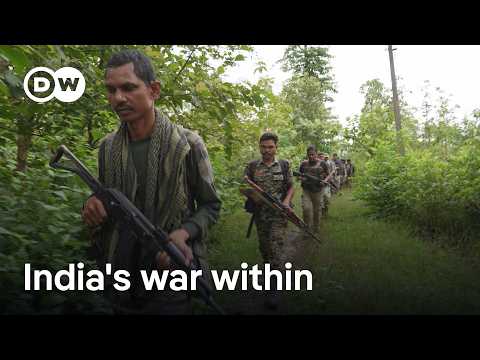
India ramps up 50-year campaign to crush Maoist insurgency | DW News
0
林宜悉 posted on 2025/07/22Ever wondered about the long-running conflict in India? This DW News report dives deep into the 50-year campaign against Maoist insurgency, exploring the complexities of the Bastar conflict and Adivasi rights. You'll pick up some really useful vocabulary related to counterinsurgency operations and gain a deeper understanding of this critical global issue!
Learn this video on the APP!
The VoiceTube App has more in-depth practice for videos!