
adapt
US /əˈdæpt/
UK /ə'dæpt/
- Transitive Verb
- To change something for a different function
- To change something to fit or suit a new purpose
- Intransitive Verb
- To change your behaviour so that it is easier to live in a new place or situation
B1TOEICMoreall at once
US
UK
- Adverb
- Suddenly; at the same time
- At the same time; simultaneously
- Phrase
- Suddenly; at the same time
A1Moreanchor
US /ˈæŋkɚ/
UK /'æŋkə(r)/
- Noun (Countable/Uncountable)
- Metal hook on a rope used to stop boats moving
- Person who presents a news program on TV
- Verb (Transitive/Intransitive)
- To lower an anchor to hold a boat or ship in place
- To secure firmly or fixedly; to moor.
B2TOEICMorearmor
US /ˈɑrmɚ/
UK /'ɑ:mə/
- Noun
- Defensive (e.g. metal) covering for bodies, things
- Transitive Verb
- To cover something in metal to protect it
C1Moreat a time
US /æt e taɪm/
UK /æt ə taim/
- Phrase
- Separately; one by one
- Simultaneously; together
A1Moreat once
US /æt wʌns/
UK /æt wʌns/
- Adverb
- Immediately; without delay
- At the same time; simultaneously
A2Moreblur
US /blɚ/
UK /blɜ:(r)/
- Transitive Verb
- To make something unclear or out of focus
- To dull the distinction between things
B2Morebond
US /bɑnd/
UK /bɒnd/
- Noun (Countable/Uncountable)
- Rope, chain or other thing used to tie someone up
- Closeness that is shared between people or groups
- Verb (Transitive/Intransitive)
- To develop a close relationship with
- To become joined or connected, e.g. using glue
A2TOEICMoreboundary
US /ˈbaʊndəri, -dri/
UK /'baʊndrɪ/
- Noun
- A division or border to separate two areas
- In sports, a line or marker indicating the edge of the playing area.
B1Moreburning bridges
US /ˈbɝnɪŋ ˈbrɪdʒɪz/
UK /ˈbɜ:nɪŋ ˈbrɪdʒɪz/
- other
- To damage relationships so they cannot be repaired.
B2Morebuy time
US /ˈbaɪ taɪm/
UK /ˈbaɪ taɪm/
- other
- To delay an action to allow more time for preparation.
B2Morecomment
US /ˈkɑmɛnt/
UK /'kɒment/
- Noun (Countable/Uncountable)
- Something you say, giving an opinion; remark
- An explanatory note in a computer program.
- Verb (Transitive/Intransitive)
- To say something that gives your opinion
- To add explanatory notes to a computer program.
A2Moreconsciously
US /ˈkɑnʃəslɪ/
UK /'kɒnʃəslɪ/
- Adverb
- In a manner that is aware, and on purpose
- With full awareness of what one is doing.
B1Morecrave
US /krev/
UK /kreɪv/
- Verb (Transitive/Intransitive)
- To have a very strong desire for something
B2Moredeserve
US /dɪˈzɚv/
UK /dɪ'zɜ:v/
- Transitive Verb
- To be worthy of, e.g. getting praise or attention
A2TOEICMorediscomfort
US /dɪsˈkʌmfərt/
UK /dɪsˈkʌmfət/
- Transitive Verb
- To cause to feel uncomfortable or not at ease
- Uncountable Noun
- Feelings of being uncomfortable or uneasy
B2Moredramatic
US /drəˈmætɪk/
UK /drəˈmætɪk/
- Adjective
- Gripping the attention; causing an effect
- (Of an event) sudden and extreme
B1Moreemotional
US /ɪˈmoʃənəl/
UK /ɪˈməʊʃənl/
- Adjective
- Causing, feeling, or appealing to the emotions
- Relating to or characterized by emotion
A2Moreerode
US /ɪˈrod/
UK /ɪ'rəʊd/
- Verb (Transitive/Intransitive)
- To destroy something gradually; be destroyed thus
- To wear away gradually by water, ice or wind
B1TOEICMorefamiliar
US /fəˈmɪljɚ/
UK /fəˈmɪliə(r)/
- Adjective
- Well-known or easily recognized
- Having a good knowledge of something.
- Noun
- A close friend or associate.
- (In folklore) a spirit, often in animal form, believed to attend and serve a witch.
A2TOEICMorefeel around
US
UK
- Phrasal Verb
- To try to find something by touching things with your hands, especially when you cannot see.
- To try to discover people's opinions or intentions without asking them directly.
feel like
US
UK
- Intransitive Verb
- To have a desire or inclination for something.
- To have a particular quality or sensation; resemble.
A1Morefor someone
US /fɚ ˈsʌmwʌn/
UK /fə ˈsʌmwʌn/
- other
- On behalf of or intended for a particular person.
A1Moreget back to
US /ɡɛt bæk tu/
UK /ɡet bæk tu:/
- Phrasal Verb
- To get in contact with someone again
- To return to someone or something; to respond at a later time.
A1Morego beyond
US /ɡo biˈɑnd/
UK /ɡəu biˈjɔnd/
- Phrasal Verb
- To do more than planned or expected; exceed
A1Moregroom
US /ɡrum, ɡrʊm/
UK /gru:m/
- Transitive Verb
- To make neat and smart in appearance
- To take care of an animal by brushing, cleaning it
- Countable Noun
- Man employed to brush, trim and clean horses
- Man who is, or who has recently married
B1TOEICMoreguilty
US /ˈɡɪlti/
UK /'ɡɪltɪ/
- Adjective
- Responsible for doing something wrong
- Feeling or showing guilt; having a sense of remorse.
A2TOEICMorehave to
US /hæv tu/
UK /ˈhæv tə/
- Auxiliary Verb
- Must do
A1Morehesitate
US /'hezɪteɪt/
UK /'hezɪteɪt/
- Intransitive Verb
- To pause because unsure or reluctant to do
B1TOEICMoreimpulse
US /ˈɪmˌpʌls/
UK /'ɪmpʌls/
- Noun
- Sudden desire to do something that is not planned
- A brief electrical signal transmitted along a nerve fiber or muscle fiber
B1TOEICMorein danger
US /ɪn ˈdendʒɚ/
UK /in ˈdeindʒə/
- Phrase
- Exposed to the risk of harm, injury, or loss.
- At risk of experiencing something negative or harmful.
A1Moreinside jokes
US
UK
- Noun (plural)
- Jokes that are only understood by a small group of people.
A1Moreinstead of
US /ɪnˈstɛd ʌv/
UK /inˈsted ɔv/
- Preposition
- When one thing is replaced by another
- Adverb
- As a substitute or alternative.
A1Moreinternal
US /ɪnˈtɚnəl/
UK /inˈtə:nəl/
- Adjective
- Being or happening in the body
- Being, happening in a country, state, organization
B1TOEICMorekeep the peace
US /kip ði pis/
UK /ki:p ðə pi:s/
- Verb (Transitive/Intransitive)
- To maintain order and prevent conflict or disturbance.
- Phrase
- To avoid causing trouble or arguments; maintain order.
A2Morelook at
US /lʊk æt/
UK /luk æt/
- Phrasal Verb
- To use your eyes to focus on something
- To focus your eyes on something carefully
A1Moreloyalty
US /ˈlɔɪəlti/
UK /ˈlɔɪəlti/
- Uncountable Noun
- Complete and sustained support for person, thing
- Allegiance or devotion to a person, cause, or country.
B2TOEICMoremanipulation
US /məˌnɪpjʊˈleʃən/
UK /məˌnɪpjʊ'leɪʃn/
- Noun (Countable/Uncountable)
- Act of controlling to gain an advantage
- Act of moving something using your hands
B1Moremute
US /mjut/
UK /mju:t/
- Adjective
- Not willing or being unable to speak
- Noun
- Device used to make trombone, etc. sound quieter
B2Morenormalize
US /ˈnɔ:rməlaɪz/
UK /ˈnɔ:məlaɪz/
- Transitive Verb
- To make something normal or regular
B2Moreon the surface
US /ɑn ði ˈsɚfəs/
UK /ɔn ðə ˈsə:fis/
- Phrase
- Appearing to be true or real until examined more closely.
- Located on the outer part or uppermost layer of something.
B2Moreopportunity
US /ˌɑpɚˈtunɪti, -ˈtju-/
UK /ˌɒpə'tju:nətɪ/
- Noun (Countable/Uncountable)
- Time, situation when a thing might be done; chance
- A favorable time or occasion for doing something.
A2TOEICMoreout of it
US /aʊt ʌv ɪt/
UK /aut ɔv it/
- Adjective
- Unconscious or not completely alert; dazed or confused.
- Not able to think clearly or react quickly; not with it.
A1Moreoverride
US /ˌovɚˈraɪd/
UK /ˌəʊvə'raɪd/
- Transitive Verb
- To make (rule or law) not be valid anymore
- To be considered more important than
B2Morepause
US /pɔz/
UK /pɔ:z/
- Verb (Transitive/Intransitive)
- To stop doing for a while before continuing
- To temporarily interrupt the execution of a program or process.
- Noun (Countable/Uncountable)
- A temporary break before continuing
- Function on a device to stop and restart it
A2Morepotential
US /pəˈtɛnʃəl/
UK /pəˈtenʃl/
- Adjective
- Capable of happening or becoming reality
- Having or showing the capacity to develop into something in the future.
- Uncountable Noun
- someone's or something's ability to develop, achieve, or succeed
A2TOEICMorepraise
US /preɪz/
UK /preɪz/
- Transitive Verb
- To express approval of something or someone
- To express thanks, respect, and love
- Uncountable Noun
- Expression of approval of something/someone
- Expression of thanks, respect, and love
B1Morepressure
US /ˈprɛʃɚ/
UK /'preʃə(r)/
- Noun (Countable/Uncountable)
- Anxiety caused by difficult problems
- Force, weight when pressing against a thing
- Transitive Verb
- To apply force to something
- To persuade or force someone to do something
A2TOEICMorereach out
US /ritʃ aʊt/
UK /ri:tʃ aut/
- Phrasal Verb
- To attempt to communicate with someone.
- To offer help and support to someone.
B1Morerelationship
US /rɪˈleʃənˌʃɪp/
UK /rɪˈleɪʃnʃɪp/
- Noun (Countable/Uncountable)
- Connection between two or more people or things
- Way people interact or live with each other
A2TOEICMorerequire
US /rɪˈkwaɪr/
UK /rɪ'kwaɪə(r)/
- Transitive Verb
- To demand that someone does something
- To need to do something, to make it necessary
A2TOEICMoresacrifice
US /ˈsækrəˌfaɪs/
UK /'sækrɪfaɪs/
- Noun
- Person/animal killed in a sacrifice (to a god)
- Person/animal killed to please a god
- Transitive Verb
- To kill an animal or human to please a god
- To give up your life for others, for a cause etc.
B1Moresetting off
US
UK
- Phrasal Verb
- To start a journey
- To cause something to explode or start working.
A1Moreshift
US /ʃɪft/
UK /ʃɪft/
- Verb (Transitive/Intransitive)
- To change in position or direction
- To move something from one place to another
- Noun (Countable/Uncountable)
- A change in a persons plans, opinions or beliefs
- Period of work starting at a certain time
A2Moreshrink
US /ʃrɪŋk/
UK /ʃrɪŋk/
- Intransitive Verb
- To become smaller
- Noun
- A rude name for a psychiatrist
B1Morestress
US / strɛs/
UK /stres/
- Transitive Verb
- To emphasize one or more parts of a word, sentence
- To put pressure on something or someone
- Noun (Countable/Uncountable)
- Emphasis on part of a word or sentence
- Pressure on something or someone
A2TOEICMoresuppress
US /səˈprɛs/
UK /səˈpres/
- Transitive Verb
- To prevent the display of emotion or feeling
- To use force to prevent something happening
B1TOEICMorethink about
US /θɪŋk əˈbaʊt/
UK /θiŋk əˈbaut/
- Phrasal Verb
- To consider something carefully.
- To remember or call to mind.
A1Morevulnerable
US /ˈvʌlnərəbəl/
UK /ˈvʌlnərəbl/
- Adjective
- Being open to attack or damage
- Being easily harmed, hurt, or wounded
B1Morewake up
US /wek ʌp/
UK /weik ʌp/
- Phrasal Verb
- To stop sleeping
- To become fully aware and alert to a situation.
A1Morewalk away
US /wɔk əˈwe/
UK /wɔ:k əˈwei/
- Phrasal Verb
- To leave a situation, especially a difficult or unpleasant one.
- To choose not to be involved in something.
A1Moreworth
US /wɚθ/
UK /wɜ:θ/
- Noun (Countable/Uncountable)
- the financial, practical or moral value of somebody/something
- having a particular value, especially in money
- Adjective
- Having a specified value.
A2More
Vocabulary
- have to: Must do
- feel like: To have a desire or inclination for something.
- look at: To use your eyes to focus on something
- instead of: When one thing is replaced by another
- think about: To consider something carefully.
- wake up: To stop sleeping
- on the surface: Appearing to be true or real until examined more closely.
- go beyond: To do more than planned or expected; exceed
- setting off: To start a journey
- out of it: Unconscious or not completely alert; dazed or confused.
- burning bridges: To damage relationships so they cannot be repaired.
- buy time: To delay an action to allow more time for preparation.
- get back to: To get in contact with someone again
- walk away: To leave a situation, especially a difficult or unpleasant one.
- inside jokes: Jokes that are only understood by a small group of people.
- all at once: Suddenly; at the same time
- at once: Immediately; without delay
- at a time: Separately; one by one
- keep the peace: To maintain order and prevent conflict or disturbance.
- feel around: To try to find something by touching things with your hands, especially when you cannot see.
- for someone: On behalf of or intended for a particular person.
- reach out: To attempt to communicate with someone.
- in danger: Exposed to the risk of harm, injury, or loss.
- vulnerable: Being open to attack or damage
- potential: Capable of happening or becoming reality
- opportunity: Time, situation when a thing might be done; chance
- deserve: To be worthy of, e.g. getting praise or attention
- realize: To become aware of or understand mentally
- crave: To have a very strong desire for something
- immediately: Without any delay; straight away
- force: Group of persons trained for military action; army
- doubt: Not being sure of something; lack of certainty
- familiar: Well-known or easily recognized
- fear: Unpleasant feeling caused by being aware of danger
- emotional: Causing, feeling, or appealing to the emotions
- stress: To emphasize one or more parts of a word, sentence
- impulse: Sudden desire to do something that is not planned
- comment: Something you say, giving an opinion; remark
- pressure: Anxiety caused by difficult problems
- relationship: Connection between two or more people or things
- sacrifice: Person/animal killed in a sacrifice (to a god)
- guilty: Responsible for doing something wrong
- shift: To change in position or direction
- bond: Rope, chain or other thing used to tie someone up
- worth: the financial, practical or moral value of somebody/something
- shrink: To become smaller
- wonder: Surprise caused by experiencing something amazing
- dramatic: Gripping the attention; causing an effect
- adapt: To change something for a different function
- suppress: To prevent the display of emotion or feeling
- require: To demand that someone does something
- pause: To stop doing for a while before continuing
- create: To make, cause, or bring into existence
- boundary: A division or border to separate two areas
- loyalty: Complete and sustained support for person, thing
- consciously: In a manner that is aware, and on purpose
- anchor: Metal hook on a rope used to stop boats moving
- praise: To express approval of something or someone
- internal: Being or happening in the body
- hesitate: To pause because unsure or reluctant to do
- manipulation: Act of controlling to gain an advantage
- groom: To make neat and smart in appearance
- erode: To destroy something gradually; be destroyed thus
- notice: To become aware by sight, touch, or hearing
- sign: Indication that something exists or will happen
- manage: To survive hardships and difficulties; to cope
- allow: To admit the validity or truth of something
- build: Your physical shape; physique
- support: To give assistance or advice to someone
- point: An item to be discussed
- blur: To make something unclear or out of focus
- armor: Defensive (e.g. metal) covering for bodies, things
- protect: To defend someone or something from harm or danger
- override: To make (rule or law) not be valid anymore
- discomfort: To cause to feel uncomfortable or not at ease
- mute: Not willing or being unable to speak
- normalize: To make something normal or regular
Get the full experience in the app
Learn anywhere with detailed sentence and usage analysis
01:03
She took a brave step forward, leaving behind her comfort zone to chase her dreams.
Vocabulary
- brave
adj. Having courage
- comfort zone
phr. A familiar situation where one feels safe
Explanation
a brave step is a noun phrase, where brave is an adjective modifying the noun step, meaning "a courageous step".
forward is an adverb modifying step, meaning "ahead".
The whole phrase serves as the object, answering the "what" of took (verb) — she took a brave step forward.
Get the full experience in the app
Look up words anytime with pronunciation, part of speech, and usage
brave
US/brev/
UK/breɪv/
adj.Brave
v.t.To bravely face
A2 Elementary
Get the full experience in the app
Practice speaking anytime and get instant pronunciation feedback
Try this speaking exercise.
Try practicing with this sentence.
80
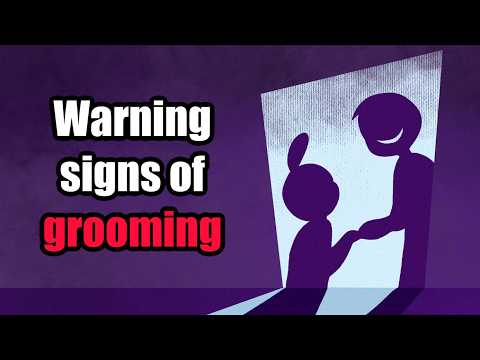
Signs You re Being Groomed Without Realizing
0
林宜悉 posted on 2025/07/20Ever wonder if someone's being a little *too* helpful or supportive? This video dives into the subtle signs of grooming and emotional manipulation, giving you practical phrases to recognize and set boundaries. You'll learn how to protect your emotional safety and rebuild your self-trust with everyday language!
Learn this video on the APP!
The VoiceTube App has more in-depth practice for videos!