
abuse
US /əˈbjuz/
UK /ə'bju:s/
- Transitive Verb
- To mistreat or be cruel towards someone
- To use in an inappropriate or excessive way
- Noun (Countable/Uncountable)
- Improper/dishonest/excessive use of something
- Insulting someone, e.g. by swearing at them
A2TOEICMoreagency
US /ˈedʒənsi/
UK /'eɪdʒənsɪ/
- Noun (Countable/Uncountable)
- Business that provides some service for others
B1TOEICMoreany sort of
US
UK
- Determiner
- Any kind of; any type of
- Phrase
- Somewhat; to some extent
A2Moreappeal
US /əˈpil/
UK /ə'pi:l/
- Uncountable Noun
- Ability to attract interest, attention, or desire
- Verb (Transitive/Intransitive)
- To attract interest, attention, or desire
- To request a judge or others to change a decision
A2TOEICMoreat least
US /æt list/
UK /æt li:st/
- Adverb
- As a minimum
- Not less than
- Phrase
- No less than; at the minimum
- Used to indicate that something is positive in a bad situation.
C2Morebenefit
US /ˈbɛnəfɪt/
UK /'benɪfɪt/
- Noun (Countable/Uncountable)
- Good result or effect, something advantageous
- A payment made by the state or an insurance policy to someone
- Verb (Transitive/Intransitive)
- To have a good effect or be helpful
- To receive an advantage; to be helped
A2TOEICMorebreakthrough
US /ˈbrekˌθru/
UK /'breɪkθru:/
- Countable Noun
- Important discovery in doing something difficult
B2TOEICMorecause
US /kɔz/
UK /kɔ:z/
- Noun
- Belief, goal or organization that people support
- Reason for
- Transitive Verb
- To make something happen; create effect or result
A2Morecheck out
US /tʃɛk aʊt/
UK /tʃek aut/
- Phrase
- Phrasal Verb
- To find out information about something
- To take books out of a library
A1Morecome back
US /kʌm bæk/
UK /kʌm bæk/
- Phrasal Verb
- To reply to someone, often forcefully
- To be remembered
A1Morecome up with
US /kʌm ʌp wɪð/
UK /kʌm ʌp wið/
- Phrasal Verb
- To think of an idea or solution; produce
A1Morecompassion
US /kəmˈpæʃən/
UK /kəmˈpæʃn/
- Uncountable Noun
- Feeling of wanting to help suffering people
- Actions that demonstrate care and concern for others.
B2Morecontroversy
US /ˈkɑntrəˌvɚsi/
UK /'kɒntrəvɜ:sɪ/
- Noun (Countable/Uncountable)
- Strong public disagreement about something
B1Moredeficit
US /ˈdɛfɪsɪt/
UK /ˈdefɪsɪt/
- Noun (Countable/Uncountable)
- Amount less than what is needed or required
- The amount by which expenditure or liabilities exceed income or assets.
B1Moredepend
US /dɪˈpend/
UK /dɪˈpend/
- Verb (Transitive/Intransitive)
- Be controlled or determined by (someone/something)
- To rely on someone or something for support, help, or existence.
B1TOEICMoredepending on
US
UK
- Phrasal Verb
- To rely on for support (financial or emotional)
- Influenced or determined by.
- Preposition
- Subject to; contingent on
- Relying on someone or something for support or assistance.
A2Moredisease
US /dɪˈziz/
UK /dɪˈzi:z/
- Noun (Countable/Uncountable)
- Illness that affects a person, animal, or plant
- A disorder of structure or function in a plant, especially one caused by a pathogen.
- Transitive Verb
- To affect with disease; to corrupt or sicken.
A2TOEICMoredrain
US /dren/
UK /dreɪn/
- Noun (Countable/Uncountable)
- Hole or pipe that water, waste etc. flows into
- Something that depletes resources or energy.
- Transitive Verb
- To empty or remove liquid from
- To use up the energy/ money/power of something
B1Morefellow
US /ˈfɛlo/
UK /'feləʊ/
- Noun (Countable/Uncountable)
- Man or a boy
- Student paid to study and teach after college
- Adjective
- Being of the same kind
- Sharing a particular activity, situation, or characteristic.
A2TOEICMorefigure out
US /ˈfɪɡjɚ aʊt/
UK /ˈfiɡə aut/
- Phrasal Verb
- To understand the behavior of someone
- To think through logically to find a solution
- Verb (Transitive/Intransitive)
- To understand or find an answer to something.
- To find a solution to a problem or understand something.
A1Morefiscal
US /ˈfɪskəl/
UK /ˈfɪskl/
- Adjective
- Concerning government spending and taxing
B2TOEICMoreflourish
US /ˈflɚrɪʃ, ˈflʌr-/
UK /'flʌrɪʃ/
- Verb (Transitive/Intransitive)
- To show and direct attention by waving something
- To add a fancy addition or decoration
- Noun
- Fancy addition or decoration
B2TOEICMorefoundation
US /faʊnˈdeʃən/
UK /faunˈdeiʃən/
- Noun (Countable/Uncountable)
- Base or important starting point
- Underground base on which building is constructed
C1TOEICMorefraud
US /frɔd/
UK /frɔ:d/
- Noun (Countable/Uncountable)
- Use of dishonest ways to take something valuable
- Person who pretends to be what he or she is not
B1TOEICMoregenetic
US /dʒəˈnɛtɪk/
UK /dʒəˈnetɪk/
- Adjective
- Of, relating to, or controlled by genes
- Relating to genes or heredity.
B1Moreget a sense
US
UK
- Verb (Transitive/Intransitive)
- To understand or perceive something intuitively.
A1Morego ahead
US /ɡo əˈhɛd/
UK /ɡəu əˈhed/
- Phrasal Verb
- To start an activity; start doing, working etc.
- To give permission to do something
- Intransitive Verb
- To start or proceed with something
- To proceed despite potential obstacles or doubts.
A1Moregot to
US /ɡɑt tu/
UK /gɔt tu:/
- Verb (Transitive/Intransitive)
- To arrive at some place
- To have the opportunity or permission to do something
- Phrasal Verb
- To appeal to the emotions of; move
- To finally begin to start something after a delay
A1Morehave to
US /hæv tu/
UK /ˈhæv tə/
- Auxiliary Verb
- Must do
A1Morein trouble
US /ɪn ˈtrʌbəl/
UK /in ˈtrʌbl/
- Adjective
- Experiencing difficulties, problems, or legal issues.
- other
- In serious trouble or difficulty.
A1Moreinnovative
US /ˈɪnəˌvetɪv/
UK /'ɪnəveɪtɪv/
- Adjective
- Having or using new methods or ideas
B1Morelitter
US /ˈlɪtɚ/
UK /'lɪtə(r)/
- Countable Noun
- All the baby animals born at once from one mother
- Intransitive Verb
- To give birth to more than one animal at once
B1TOEICMoremedal
US /ˈmɛdl/
UK /'medl/
- Noun (Countable/Uncountable)
- Metal award, often round, usually for courage
- An emblem or badge of honor.
B1Morenormalize
US /ˈnɔ:rməlaɪz/
UK /ˈnɔ:məlaɪz/
- Transitive Verb
- To make something normal or regular
B2Moreoutrage
US /ˈaʊtˌredʒ/
UK /'aʊtreɪdʒ/
- Noun
- Very wrong or cruel act which causes great anger
- Transitive Verb
- To cause anger to due to wrong or cruel acts
B1Morepenalty
US /ˈpɛnəlti/
UK /'penəltɪ/
- Noun (Countable/Uncountable)
- Negative effect resulting from your actions
- Punishment for committing a crime or offense
B1TOEICMorephysician
US /fɪˈzɪʃən/
UK /fɪˈzɪʃn/
- Countable Noun
- A medical doctor
B2Moreplug
US /plʌɡ/
UK /plʌg/
- Noun
- Wood, rubber or metal used to block a hole
- Thing on a wire to connect to electricity supply
- Transitive Verb
- To use an object to block a hole
- To promote or advertise a product
B1TOEICMorepursue
US /pɚˈsu/
UK /pə'sju:/
- Transitive Verb
- To follow and try to catch, or to reach a goal
- To try to achieve or get something over time
B1TOEICMorerationale
US /ˌræʃəˈnæl/
UK /ˌræʃəˈnɑ:l/
- Noun
- Explanation of justification for something
B2Morerecipient
US /rɪˈsɪpiənt/
UK /rɪ'sɪpɪənt/
- Noun
- Someone who gets or receives something
- Adjective
- Receiving or capable of receiving.
B2TOEICMoreresearch
US /rɪˈsɚtʃ, ˈriˌsɚtʃ/
UK /rɪ'sɜ:tʃ/
- Verb (Transitive/Intransitive)
- To study in order to discover new ideas and facts
- To study the market relating to marketing products and services.
- Noun (Countable/Uncountable)
- Study done to discover new ideas and facts
- A particular area or topic of study.
A2TOEICMorereverse
US /rɪˈvɚs/
UK /rɪ'vɜ:s/
- Noun
- Setting that makes the vehicle go backward
- Instance of a significant change, for the worse
- Verb (Transitive/Intransitive)
- To drive a vehicle backward
- To change to an opposite state, way or condition
B1TOEICMoreright back
US /raɪt bæk/
UK /rait bæk/
- Interjection
- Said when someone says they will return soon, indicating you expect their prompt return.
- Adverb
- Immediately; very soon after going.
A1Morescience
US /ˈsaɪəns/
UK /'saɪəns/
- Uncountable Noun
- Study of the physical world, based on facts
A2TOEICMorescientific
US /ˌsaɪənˈtɪfɪk/
UK /ˌsaɪənˈtɪfɪk/
- Adjective
- Concerning academic study of the physical world
- Systematic and precise, following a methodology.
- Noun
- Relating to or used in science.
A2Moreserve
US /sɚv/
UK /sɜ:v/
- Verb (Transitive/Intransitive)
- To act in a particular position or office
- To hit the first ball to an opponent in tennis etc.
A2TOEICMoresociety
US /səˈsaɪɪti/
UK /sə'saɪətɪ/
- Noun (Countable/Uncountable)
- A group who meet to share values or interests
- Group of people living together
A2TOEICMorespeak to
US /spik tu/
UK /spi:k tu:/
- Verb (Transitive/Intransitive)
- To address or communicate with someone.
- To indicate or suggest something; to be relevant to.
A1Moresuffer
US / ˈsʌfɚ/
UK /'sʌfə(r)/
- Verb (Transitive/Intransitive)
- To experience pain, illness, or injury
- To allow or permit something, especially something unpleasant.
A2Moresuppose
US /səˈpoʊz/
UK /sə'pəʊz/
- Verb (Transitive/Intransitive)
- To imagine or guess what might happen
- Conjunction
- What if
A2TOEICMoreto order
US
UK
- Transitive Verb
- To give an instruction or command.
- To request something to be made, supplied, or served.
A1Moreunify
US /ˈjunəˌfaɪ/
UK /'ju:nɪfaɪ/
- Transitive Verb
- To bring or join together into one
B2TOEICMorevaccine
US /vækˈsin,ˈvækˌsin/
UK /'væksi:n/
- Noun (Countable/Uncountable)
- Shot using weak disease cells to stop same disease
- A preparation of weakened or killed microorganisms, or of antigenic proteins derived from them, used to induce protective immunity in animals.
B2Morevector
US /ˈvɛktɚ/
UK /'vektə(r)/
- Noun
- Math a quantity that has both size and direction
B2Morewaste
US /west/
UK /weɪst/
- Transitive Verb
- To kill or severely harm someone
- To use valuable things ineffectively
- Uncountable Noun
- Materials left over after a process has finished
A2TOEICMorewisdom
US /ˈwɪzdəm/
UK /'wɪzdəm/
- Uncountable Noun
- Knowledge gained from experience in life
A2More
Vocabulary
- depending on: To rely on for support (financial or emotional)
- have to: Must do
- speak to: To address or communicate with someone.
- any sort of: Any kind of; any type of
- to order: To give an instruction or command.
- go ahead: To start an activity; start doing, working etc.
- come up with: To think of an idea or solution; produce
- figure out: To understand the behavior of someone
- at least: As a minimum
- come back: To reply to someone, often forcefully
- get a sense: To understand or perceive something intuitively.
- in trouble: Experiencing difficulties, problems, or legal issues.
- check out
- got to: To arrive at some place
- right back: Said when someone says they will return soon, indicating you expect their prompt return.
- pursue: To follow and try to catch, or to reach a goal
- compassion: Feeling of wanting to help suffering people
- disease: Illness that affects a person, animal, or plant
- research: To study in order to discover new ideas and facts
- suppose: To imagine or guess what might happen
- fraud: Use of dishonest ways to take something valuable
- drain: Hole or pipe that water, waste etc. flows into
- reverse: Setting that makes the vehicle go backward
- abuse: To mistreat or be cruel towards someone
- brain: To strike someone forcefully on the head
- suffer: To experience pain, illness, or injury
- foundation: Base or important starting point
- society: A group who meet to share values or interests
- appeal: Ability to attract interest, attention, or desire
- genetic: Of, relating to, or controlled by genes
- cause: Belief, goal or organization that people support
- benefit: Good result or effect, something advantageous
- vaccine: Shot using weak disease cells to stop same disease
- innovative: Having or using new methods or ideas
- wisdom: Knowledge gained from experience in life
- scientific: Concerning academic study of the physical world
- deficit: Amount less than what is needed or required
- controversy: Strong public disagreement about something
- pretty: Being attractive to the eye in a simple way
- fellow: Man or a boy
- recipient: Someone who gets or receives something
- flourish: To show and direct attention by waving something
- serve: To act in a particular position or office
- agency: Business that provides some service for others
- penalty: Negative effect resulting from your actions
- plug: Wood, rubber or metal used to block a hole
- waste: To kill or severely harm someone
- depend: Be controlled or determined by (someone/something)
- breakthrough: Important discovery in doing something difficult
- science: Study of the physical world, based on facts
- build: Your physical shape; physique
- litter: All the baby animals born at once from one mother
- physician: A medical doctor
- outrage: Very wrong or cruel act which causes great anger
- turn: To become (a particular age)
- find: To become aware of something that is happening
- wear: To have clothes, glasses, shoes etc. on your body
- future: Time that is to come after the present
- nation: Area or region controlled by a government and army
- medal: Metal award, often round, usually for courage
- think: To have an idea about something without certainty
- group: Two or more musicians who play music together
- clear: Empty; without anything in it or on it
- fiscal: Concerning government spending and taxing
- country: An area of land that is controlled by a government
- happen: To take place or occur
- people: Persons sharing culture, country, background, etc.
- long: Person's name
- unify: To bring or join together into one
- rationale: Explanation of justification for something
- normalize: To make something normal or regular
- vector: Math a quantity that has both size and direction
Get the full experience in the app
Learn anywhere with detailed sentence and usage analysis
01:03
She took a brave step forward, leaving behind her comfort zone to chase her dreams.
Vocabulary
- brave
adj. Having courage
- comfort zone
phr. A familiar situation where one feels safe
Explanation
a brave step is a noun phrase, where brave is an adjective modifying the noun step, meaning "a courageous step".
forward is an adverb modifying step, meaning "ahead".
The whole phrase serves as the object, answering the "what" of took (verb) — she took a brave step forward.
Get the full experience in the app
Look up words anytime with pronunciation, part of speech, and usage
brave
US/brev/
UK/breɪv/
adj.Brave
v.t.To bravely face
A2 Elementary
Get the full experience in the app
Practice speaking anytime and get instant pronunciation feedback
Try this speaking exercise.
Try practicing with this sentence.
80
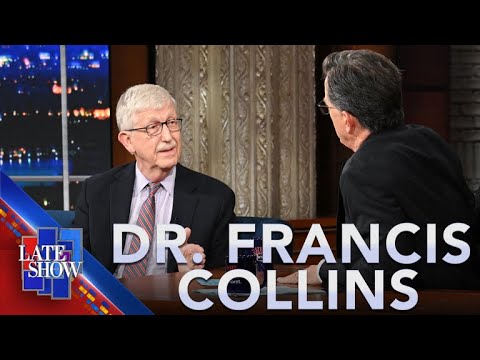
A Scientific Brain Drain Has Followed Trump’s Gutting Of The NIH - Dr. Francis Collins
0
林宜悉 posted on 2025/07/20Ever wondered about the impact of funding cuts on scientific progress? In this fascinating interview, Dr. Francis Collins discusses the "brain drain" from the NIH and what it means for biomedical research. You'll pick up advanced vocabulary related to science and policy while gaining cultural depth on a crucial topic!
Learn this video on the APP!
The VoiceTube App has more in-depth practice for videos!