
access
US /ˈæksɛs/
UK /'ækses/
- Noun (Countable/Uncountable)
- Way to enter a place, e.g. a station or stadium
- The opportunity or right to use something or to see someone.
- Transitive Verb
- To be able to use or have permission to use
A2TOEICMoreaccessible
US /ækˈsɛsəbəl/
UK /əkˈsesəbl/
- Adjective
- Able to be entered, reached or used
- Easy to understand.
A2Moreadapt
US /əˈdæpt/
UK /ə'dæpt/
- Transitive Verb
- To change something for a different function
- To change something to fit or suit a new purpose
- Intransitive Verb
- To change your behaviour so that it is easier to live in a new place or situation
B1TOEICMorebenefit
US /ˈbɛnəfɪt/
UK /'benɪfɪt/
- Noun (Countable/Uncountable)
- Good result or effect, something advantageous
- A payment made by the state or an insurance policy to someone
- Verb (Transitive/Intransitive)
- To have a good effect or be helpful
- To receive an advantage; to be helped
A2TOEICMoreblur
US /blɚ/
UK /blɜ:(r)/
- Transitive Verb
- To make something unclear or out of focus
- To dull the distinction between things
B2Morebreakthrough
US /ˈbrekˌθru/
UK /'breɪkθru:/
- Countable Noun
- Important discovery in doing something difficult
B2TOEICMorebrilliant
US /ˈbrɪljənt/
UK /'brɪlɪənt/
- Adjective
- Having a great amount of intelligence or talent
- Being very bright, like a diamond; shining
- Noun
- A diamond or other gem cut in a particular form with many facets to have exceptional brilliance.
A2Morecause
US /kɔz/
UK /kɔ:z/
- Noun
- Belief, goal or organization that people support
- Reason for
- Transitive Verb
- To make something happen; create effect or result
A2Morecheck out
US /tʃɛk aʊt/
UK /tʃek aut/
- Phrase
- Phrasal Verb
- To find out information about something
- To take books out of a library
A1Morecommunity
US /kəˈmjunɪti/
UK /kə'mju:nətɪ/
- Noun (Countable/Uncountable)
- Group of people who share a common idea or area
- A feeling of fellowship with others, as a result of sharing common attitudes, interests, and goals.
- Adjective
- Relating to or shared by the people in a particular area.
- Shared or participated in by all members of a group
A2Morecompelling
US /kəmˈpɛlɪŋ/
UK /kəmˈpelɪŋ/
- Transitive Verb
- To force someone to do something
- Adjective
- Making you do, believe something; persuasive
B1Morecondition
US /kənˈdɪʃən/
UK /kənˈdɪʃn/
- Transitive Verb
- To improve something to make it better
- To cause to behave automatically in a certain way
- Noun (Countable/Uncountable)
- Disease or other medical problem
- The state of living you are in, e.g. good health
A2Morecure
US /kjʊr/
UK /kjʊə(r)/
- Noun
- Something that solves a problem or makes it better
- Medical treatment making a sick person healthy
- Transitive Verb
- To fix or improve a problem
- To make someone healthy or make a disease go away
B1Moredegeneration
US /dɪˌdʒenəˈreɪʃn/
UK /dɪˌdʒenəˈreɪʃn/
- Uncountable Noun
- Process of gradual decline in condition/function
B2Morediagnose
US /ˌdaɪəgˈnoʊs/
UK /ˈdaɪəgnəʊz/
- Transitive Verb
- To determine the cause of an illness or problem
B1Moredisease
US /dɪˈziz/
UK /dɪˈzi:z/
- Noun (Countable/Uncountable)
- Illness that affects a person, animal, or plant
- A disorder of structure or function in a plant, especially one caused by a pathogen.
- Transitive Verb
- To affect with disease; to corrupt or sicken.
A2TOEICMoredna
US
UK
- Noun (Countable/Uncountable)
- Chemical in living cells with genetic information
B2Moredown the line
US /daʊn ði laɪn/
UK /daun ðə lain/
- Phrase
- At a later time; in the future.
- Completely; entirely; all the way.
- Adjective
- In agreement or accordance with something.
A1Moreextremely
US /ɪk'strimlɪ/
UK /ɪkˈstri:mli/
- Adverb
- In a way that is much more than usual or expected
- Remarkably; unusually.
B1Morefor certain
US /fɔr ˈsɚtn/
UK /fɔ: ˈsə:tn/
- Idiom
- Definitely; without a doubt.
- Phrase
- Without any doubt; definitely.
for someone
US /fɚ ˈsʌmwʌn/
UK /fə ˈsʌmwʌn/
- other
- On behalf of or intended for a particular person.
A1Moregene
US /dʒin/
UK /dʒi:n/
- Noun
- Part of cell controlling development of a thing
B1Moregive up
US /ɡɪv ʌp/
UK /ɡiv ʌp/
- Phrasal Verb
- To lose hope or admit defeat
- To decide to not start to try solving a problem
- Verb Phrase
- to surrender an item; hand over an item
A1Morehave to
US /hæv tu/
UK /ˈhæv tə/
- Auxiliary Verb
- Must do
A1Morehereditary
US /həˈrɛdɪˌtɛri/
UK /həˈredɪtri/
- Adjective
- Passing from parents to children
C1Moreidentity
US /aɪˈdɛntɪti/
UK /aɪ'dentətɪ/
- Noun (Countable/Uncountable)
- Collection of qualities that makes a person
- Who someone is; the name of a person
B1Morein fact
US /ɪn fækt/
UK /in fækt/
- Adverb
- Used to emphasize the truth of a statement, especially one that contrasts with or contradicts something else.
- Used to introduce a more detailed or surprising piece of information.
- Phrase
- Used to emphasize the truth of a statement, especially one that is surprising or contrary to what might be expected.
C1Moreincredible
US /ɪnˈkrɛdəbəl/
UK /ɪnˈkredəbl/
- Adjective
- Very good; amazing
- Really good; amazing; great
A2TOEICMoreinherent
US /ɪnˈhɪrənt/
UK /ɪnˈhɪərənt/
- Adjective
- Existing as an essential part of
- Involved in the constitution or essential character of something.
B1TOEICMoreinherit
US /ɪnˈhɛrɪt/
UK /ɪn'herɪt/
- Transitive Verb
- To have a quality or feature passed down at birth
- To receive property or money after someone dies
B1Morelab
US /læb/
UK /læb/
- Noun (Countable/Uncountable)
- Short for 'laboratory'
B1Moremacular degeneration
US
UK
- Noun
- A progressive eye condition affecting the macula, leading to central vision loss.
multiple
US /ˈmʌltəpəl/
UK /ˈmʌltɪpl/
- Adjective
- Having or involving more than one of something
- Having or involving several parts, elements, or members.
- Countable Noun
- Number produced by multiplying a smaller number
- A number of identical circuit elements connected in parallel or series.
B1Moremutation
US /mjuˈteʃən/
UK /mju:'teɪʃn/
- Noun
- Change that changes genetic structure
B2Morepatient
US /ˈpeʃənt/
UK /'peɪʃnt/
- Adjective
- Not getting annoyed when things take a long time
- Bearing or enduring pain or trials without complaint; exhibiting forbearance.
- Countable Noun
- Person who receives medical treatment or care
A2Morephd
US
UK
- Noun
- Advanced university degree; Doctor of Philosophy
C2Morephysical
US /ˈfɪzɪkəl/
UK /ˈfɪzɪkl/
- Countable Noun
- Health check at the doctors' or hospital
- Adjective
- Concerning the body of a person
- Concerning things that can be seen or touched
A2Morepioneer
US /ˌpaɪəˈnɪr/
UK /ˌpaɪəˈnɪə(r)/
- Noun (Countable/Uncountable)
- Person exploring a new place or field of endeavor
- A person who is among the first to research or develop a new area of knowledge or activity.
- Transitive Verb
- To begin or discover something new
- To take part in the development of something new
B1TOEICMoreproud
US /praʊd/
UK /praʊd/
- Adjective
- Very good; worthy of making one pleased
- Having or showing respect for yourself; having dignity.
B1TOEICMorerare
US /rɛr/
UK /reə(r)/
- Adjective
- (Of meat) cooked, but still red and juicy
- Unusual or out of the ordinary; not common
A2Morerelate
US /rɪˈlet/
UK /rɪ'leɪt/
- Transitive Verb
- To demonstrate a logical relationship between
- To understand or sympathize with, e.g. a problem
A2TOEICMoreretinal
US /ˈrɛtnˌæl, -ˌɔl/
UK /'retɪnl/
- Adjective
- In or relating to the retina of the eye
B2Morestem
US /stɛm/
UK /stem/
- Noun (Countable/Uncountable)
- Long thin central part of a plant, bearing leaves
- Long thin part supporting something e.g. a light
- Transitive Verb
- To remove the stem of a flower or fruit
- To stop something bad from spreading or developing
B1TOEICMoreterrify
US /ˈtɛrəˌfaɪ/
UK /ˈterɪfaɪ/
- Transitive Verb
- To scare or greatly frighten
B1Moretoxic
US /ˈtɑksɪk/
UK /ˈtɒksɪk/
- Adjective
- Poisonous; harmful
- (Of relationships) harmful; causing conflict
B2Moretrait
US /tret/
UK /treɪt/
- Noun (Countable/Uncountable)
- A particular characteristic that can produce a particular type of behavior
- A genetically determined characteristic or condition.
C2Moretreatment
US /ˈtritmənt/
UK /ˈtri:tmənt/
- Noun (Countable/Uncountable)
- Medicine or method to make someone healthier
- Way someone acts toward another
A2TOEICMorevision
US /ˈvɪʒən/
UK /'vɪʒn/
- Uncountable Noun
- Ability to see; eyesight
- Something you see in your imagination or dreams
A2Morewith it
US /wɪð ɪt/
UK /wið it/
- Adjective
- Intelligent, alert, and up-to-date.
- Understanding and knowledgeable about current trends or information.
A1Morework in
US /wɚk ɪn/
UK /wə:k in/
- Phrasal Verb
- To make an opening for something in your schedule
- To fit person/thing into a schedule or sequence
A1More
Vocabulary
- give up: To lose hope or admit defeat
- for certain: Definitely; without a doubt.
- in fact: Used to emphasize the truth of a statement, especially one that contrasts with or contradicts something else.
- macular degeneration: A progressive eye condition affecting the macula, leading to central vision loss.
- work in: To make an opening for something in your schedule
- down the line: At a later time; in the future.
- with it: Intelligent, alert, and up-to-date.
- have to: Must do
- for someone: On behalf of or intended for a particular person.
- check out
- incredible: Very good; amazing
- extremely: In a way that is much more than usual or expected
- access: Way to enter a place, e.g. a station or stadium
- trait: A particular characteristic that can produce a particular type of behavior
- multiple: Having or involving more than one of something
- physical: Health check at the doctors' or hospital
- matter: To be of great importance; to count
- compelling: To force someone to do something
- common: Area in a city or town that is open to everyone
- sense: Certain mental feeling or emotion
- brilliant: Having a great amount of intelligence or talent
- develop: To explain something in steps and in detail
- community: Group of people who share a common idea or area
- disease: Illness that affects a person, animal, or plant
- mutation: Change that changes genetic structure
- toxic: Poisonous; harmful
- accessible: Able to be entered, reached or used
- inherent: Existing as an essential part of
- condition: To improve something to make it better
- rare: (Of meat) cooked, but still red and juicy
- adapt: To change something for a different function
- cause: Belief, goal or organization that people support
- benefit: Good result or effect, something advantageous
- identity: Collection of qualities that makes a person
- vision: Ability to see; eyesight
- stem: Long thin central part of a plant, bearing leaves
- relate: To demonstrate a logical relationship between
- patient: Not getting annoyed when things take a long time
- cure: Something that solves a problem or makes it better
- leave: To go away from; depart
- scary: Causing fear; frightening
- treatment: Medicine or method to make someone healthier
- diagnose: To determine the cause of an illness or problem
- breakthrough: Important discovery in doing something difficult
- proud: Very good; worthy of making one pleased
- learn: To get knowledge or skills by study or experience
- build: Your physical shape; physique
- prefer: To like something better than something else
- act: To behave in a certain way
- information: Collection of facts and details about something
- blur: To make something unclear or out of focus
- inherit: To have a quality or feature passed down at birth
- question: To ask for or try to get information
- difference: A thing or issue that people do not agree about
- grow: To get bigger and more mature; make plants do this
- difficult: Hard; not easy; you need to work hard to do it
- pioneer: Person exploring a new place or field of endeavor
- gene: Part of cell controlling development of a thing
- hereditary: Passing from parents to children
- lab: Short for 'laboratory'
- terrify: To scare or greatly frighten
- degeneration: Process of gradual decline in condition/function
- retinal: In or relating to the retina of the eye
- phd: Advanced university degree; Doctor of Philosophy
- dna: Chemical in living cells with genetic information
Get the full experience in the app
Learn anywhere with detailed sentence and usage analysis
01:03
She took a brave step forward, leaving behind her comfort zone to chase her dreams.
Vocabulary
- brave
adj. Having courage
- comfort zone
phr. A familiar situation where one feels safe
Explanation
a brave step is a noun phrase, where brave is an adjective modifying the noun step, meaning "a courageous step".
forward is an adverb modifying step, meaning "ahead".
The whole phrase serves as the object, answering the "what" of took (verb) — she took a brave step forward.
Get the full experience in the app
Look up words anytime with pronunciation, part of speech, and usage
brave
US/brev/
UK/breɪv/
adj.Brave
v.t.To bravely face
A2 Elementary
Get the full experience in the app
Practice speaking anytime and get instant pronunciation feedback
Try this speaking exercise.
Try practicing with this sentence.
80
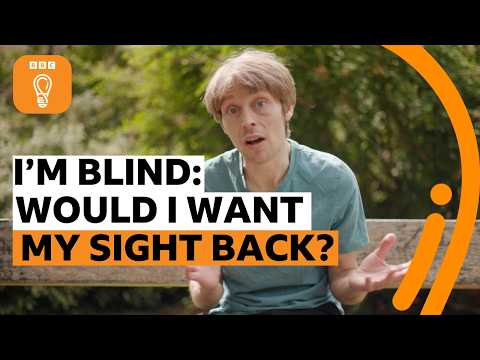
Can (and should) we cure blindness? | BBC Ideas
0
林宜悉 posted on 2025/07/23Ever wondered if blindness could be cured? This fascinating BBC Ideas video dives into the cutting edge of gene editing and stem cell therapy, exploring the science and the ethical debates surrounding potential cures. You'll pick up advanced vocabulary related to medical breakthroughs and gain insights into disability identity and accessibility!
Learn this video on the APP!
The VoiceTube App has more in-depth practice for videos!