
algae
US /ˈældʒi/
UK /ˈældʒi:/
- Noun (Countable/Uncountable)
- Green organisms that live in still water
B2Moreall along
US /ɔl əˈlɔŋ/
UK /ɔ:l əˈlɔŋ/
- Adverb
- From the beginning; all the time.
- Phrase
- In a line parallel to something long.
A2Morealong with
US /əˈlɔŋ wɪð/
UK /əˈlɔŋ wið/
- Preposition
- In addition to; together with.
- Adverb
- In company or together with someone or something.
- Including; in addition to.
A2Moreaquarium
US /əˈkwɛriəm/
UK /ə'kweərɪəm/
- Noun (Countable/Uncountable)
- Building or tank for keeping fish and water plants
B1Moreat that time
US /æt ðæt taɪm/
UK /æt ðæt taim/
- Phrase
- During a specific point in the past.
A1Moreback away
US /bæk əˈwe/
UK /bæk əˈwei/
- Phrasal Verb
- To stop being involved with, as through fear
A1Moreback out
US /bæk aʊt/
UK /bæk aut/
- Phrasal Verb
- To say you will now not do something you promised
A1Morebay
US /be/
UK /beɪ/
- Noun (Countable/Uncountable)
- Part of an ocean or lake partly surrounded by land
- A compartment or recess in a building.
- Adjective
- Reddish-brown in color, typically used to describe a horse.
- Forcing someone or something to turn and face its attackers; cornered.
B1Morecare for
US /kɛr fɔr/
UK /kɛə fɔ:/
- Phrasal Verb
- To want or desire a thing
- To look after someone who is ill, old, or very young.
A1Morechronic
US /ˈkrɑnɪk/
UK /'krɒnɪk/
- Adjective
- Always or often doing something, e.g. lying
- (Of disease) over a long time; serious
B1Morecome up with
US /kʌm ʌp wɪð/
UK /kʌm ʌp wið/
- Phrasal Verb
- To think of an idea or solution; produce
A1Moreconcentrate
US /ˈkɑnsənˌtret/
UK /'kɒnsntreɪt/
- Verb (Transitive/Intransitive)
- To cause to be present in large amount or number
- To pay great attention to a task; focus
- Noun (Countable/Uncountable)
- A substance made by removing water or other diluents; a concentrated form of something.
A2Moredatum
US /ˈdetəm, ˈdætəm, ˈdɑtəm/
UK /ˈdeɪtəm/
- Noun
- Item of factual information
B1Moredelight in
US
UK
- Phrasal Verb
- To take great pleasure in something.
depend
US /dɪˈpend/
UK /dɪˈpend/
- Verb (Transitive/Intransitive)
- Be controlled or determined by (someone/something)
- To rely on someone or something for support, help, or existence.
B1TOEICMoredetermine
US /dɪˈtɚmɪn/
UK /dɪ'tɜ:mɪn/
- Transitive Verb
- To control exactly how something will be or act
- To establish the facts about; discover
A2TOEICMoredisease
US /dɪˈziz/
UK /dɪˈzi:z/
- Noun (Countable/Uncountable)
- Illness that affects a person, animal, or plant
- A disorder of structure or function in a plant, especially one caused by a pathogen.
- Transitive Verb
- To affect with disease; to corrupt or sicken.
A2TOEICMoredo in
US
UK
- Phrasal Verb
- To make completely tired out and exhausted
- To destroy or cause damage to someone
A1Moredue to
US /du tu/
UK /dju: tu:/
- Preposition
- Because of; owing to
- Adjective
- Attributable to; caused by.
A1Moreencourage
US /ɛnˈkɚrɪdʒ, -ˈkʌr-/
UK /ɪn'kʌrɪdʒ/
- Transitive Verb
- To increase the chance of something happening
- To make someone more determined or confident
A2TOEICMoreendowment
US /ɛnˈdaʊmənt/
UK /ɪnˈdaʊmənt/
- Noun (Countable/Uncountable)
- Natural ability or quality
- Money to provide income for a college, etc.
B2Moreerosion
US /ɪˈrəʊʒ(ə)n/
UK /ɪ'rəʊʒn/
- Uncountable Noun
- Process of wearing away by water, wind, or ice
- The gradual destruction or diminution of something.
B1Moreexcept that
US /ɪkˈsɛpt ðæt/
UK /ikˈsept ðæt/
- Conjunction
- But; with the exception that.
A2Moreextent
US /ɪkˈstɛnt/
UK /ɪkˈstent/
- Noun (Countable/Uncountable)
- Point, level or limit to which something reaches
- Range or space included in something
A2TOEICMorefigure out
US /ˈfɪɡjɚ aʊt/
UK /ˈfiɡə aut/
- Phrasal Verb
- To understand the behavior of someone
- To think through logically to find a solution
- Verb (Transitive/Intransitive)
- To understand or find an answer to something.
- To find a solution to a problem or understand something.
A1Morefur
US /fɚ/
UK /fɜ:(r)/
- Noun (Countable/Uncountable)
- Hairy coat of an animal
- Clothing item made with animal fur
- Transitive Verb
- To apply strips of wood or metal to a wall or ceiling to create a level surface.
B1Moreget out of
US /ɡɛt aʊt ʌv/
UK /ɡet aut ɔv/
- Phrasal Verb
- To leave or escape responsibilities, troubles
- To leave a small, enclosed vehicle
A1Moreget past
US /ɡɛt pæst/
UK /ɡet pɑːst/
- Phrasal Verb
- To overcome an obstacle or difficulty.
- To move beyond someone or something that is blocking your way.
A1Moregoing on
US /ˈɡoɪŋ ɑn/
UK /ˈgəʊɪŋ ɔn/
- Phrasal Verb
- To continue doing something
- To happen (usually negative)
A1Morehave to
US /hæv tu/
UK /ˈhæv tə/
- Auxiliary Verb
- Must do
A1Morehuge
US /hjudʒ/
UK /hju:dʒ/
- Adjective
- Very very large
A2Moreimpact
US /ˈɪmˌpækt/
UK /'ɪmpækt/
- Noun
- A striking effect or result to hit with force
- Act or force of one thing hitting something else
- Verb (Transitive/Intransitive)
- To hit or strike someone or something with force
- To have a strong effect on someone or something.
A2TOEICMorein addition to
US /ɪn əˈdɪʃən tu/
UK /in əˈdiʃən tu:/
- Preposition
- Besides; as well as
- Phrase
- Besides; as well as.
- Furthermore; moreover.
B1Morein fact
US /ɪn fækt/
UK /in fækt/
- Adverb
- Used to emphasize the truth of a statement, especially one that contrasts with or contradicts something else.
- Used to introduce a more detailed or surprising piece of information.
- Phrase
- Used to emphasize the truth of a statement, especially one that is surprising or contrary to what might be expected.
C1Morein perspective
US /ɪn pɚˈspɛktɪv/
UK /in pəˈspektiv/
- Phrase
- Considered in relation to other things, so as to judge what is truly important.
- Adverb
- Judged in relation to other things and so not seeming as bad or extreme.
C1Morein theory
US /ɪn ˈθiəri/
UK /in ˈθiəri/
- Adverb
- According to the stated ideas or principles
- Phrase
- According to the theoretical possibilities rather than actual practice.
B2Moreinfect
US /ɪnˈfɛkt/
UK /ɪn'fekt/
- Transitive Verb
- To introduce a computer virus to
- To give a disease, bacteria or virus to
B1Morekelp
US /kɛlp/
UK /kelp/
- Uncountable Noun
- Large brown seaweed with fluted leathery fronds
C2Morelook at
US /lʊk æt/
UK /luk æt/
- Phrasal Verb
- To use your eyes to focus on something
- To focus your eyes on something carefully
A1Moremarine
US /məˈrin/
UK /mə'ri:n/
- Countable Noun
- Soldier trained to serve on land and sea
- Adjective
- Of the ocean or ocean plants and animals
- Concerning sailing or doing business by sea
B1Moremarsh
US /mɑ:rʃ/
UK /mɑ:ʃ/
- Proper Noun
- Person's name
- Noun
- Area of wet, soft low land with grass
B2Moremetabolism
US /mɪˈtæbəˌlɪzəm/
UK /məˈtæbəlɪzəm/
- Uncountable Noun
- Chemical processes to convert food to energy
- The rate at which the body uses energy.
B2Moremortality
US /mɔrˈtælɪti/
UK /mɔ:ˈtæləti/
- Uncountable Noun
- Quality or state of being capable of dying
- The state of being subject to death; the proportion of deaths to population.
B2Moreon the floor
US
UK
- Phrase
- Located on the ground or bottom surface of a room.
- Actively participating in dancing or other floor-based activities.
A1Moreon to
US /ɑn tu/
UK /ɔn tu:/
- Preposition
- Toward something; forward
- Aware of someone's activities.
- Adjective
- Aware of someone's deception or illegal activities.
A1Moreotter
US /ˈɑtɚ/
UK /'ɒtə(r)/
- Noun (Countable/Uncountable)
- Aquatic, carnivorous mammal of the weasel family
- The fur of an otter, used for clothing.
C1Moreparasite
US /ˈpærəˌsaɪt/
UK /'pærəsaɪt/
- Noun (Countable/Uncountable)
- Small animal or plant living off a bigger one
- One who depends on someone else, without working
B2Morepopulation
US /ˌpɑpjəˈleʃən/
UK /ˌpɒpjuˈleɪʃn/
- Noun (Countable/Uncountable)
- Number of people who live in a country, area etc.
- A group of individuals of one species living in a particular area.
A2TOEICMorepotential
US /pəˈtɛnʃəl/
UK /pəˈtenʃl/
- Adjective
- Capable of happening or becoming reality
- Having or showing the capacity to develop into something in the future.
- Uncountable Noun
- someone's or something's ability to develop, achieve, or succeed
A2TOEICMorepotentially
US /pəˈtɛnʃəlɪ/
UK /pə'tenʃəlɪ/
- Adverb
- That could happen or become reality
B1Morepreserve
US /prɪˈzɜ:rv/
UK /prɪˈzɜ:v/
- Transitive Verb
- To cook food so it can be kept for long periods
- To protect something from harm, loss or damage
- Noun (Countable/Uncountable)
- Sweet fruit spread; jam
- Protected area of land with plants and animals
B1TOEICMoreprey
US /pre/
UK /preɪ/
- Intransitive Verb
- To hunt (other animals) in order to eat them
- Noun (Countable/Uncountable)
- The victim of another person's aggression
- The victim of another person's aggression
B1Morereduce
US /rɪˈdus, -ˈdjus/
UK /rɪ'dju:s/
- Verb (Transitive/Intransitive)
- To try to decrease, e.g. your weight if overweight
- To boil a liquid until it has decreased in amount
A2TOEICMorerelease
US /rɪ'li:s/
UK /rɪ'li:s/
- Transitive Verb
- To free someone from a responsibility or burden
- To allow a film, music etc. to be sold/distributed
- Noun
- Act of freeing someone from a duty or burden
- Introduction of a new product, film, book, etc.
A2TOEICMorerely
US /rɪˈlaɪ/
UK /rɪ'laɪ/
- Intransitive Verb
- Depend on with full trust or confidence
- To trust or have confidence in someone.
B2TOEICMorerely on
US /rɪˈlaɪ ɑn/
UK /riˈlai ɔn/
- Phrasal Verb
- To depend on someone or something
A2Moreshark
US /ʃɑ:rk/
UK /ʃɑ:k/
- Noun
- Person who lends money at unfair rates of interest
- Large and dangerous fish with sharp teeth
B2Moreshow up
US /ʃo ʌp/
UK /ʃəu ʌp/
- Phrasal Verb
- To arrive or be seen at a place, e.g. a party
- To be noticeably better than (someone else)
A1Moresocial bonds
US
UK
- Noun (plural)
- The connections and relationships between individuals in a society that promote cohesion and mutual support.
B1Morespill
US /spɪl/
UK /spɪl/
- Noun
- Accident when someone falls
- Act of allowing a fluid to escape
- Verb (Transitive/Intransitive)
- To come out of and spread beyond limits
- To tell secrets or let information escape
B1Morespread
US /sprɛd/
UK /spred/
- Noun (Countable/Uncountable)
- A big meal, often laid out as a buffet
- The distance between two things
- Verb (Transitive/Intransitive)
- To place over a large area; to cover a large area
- (Of ideas, gossip) to pass to and affect others
A2TOEICMorestrand
US /strænd/
UK /strænd/
- Countable Noun
- Long part of a rope, someone's hair, etc.
- Transitive Verb
- To cause to be stuck or trapped somewhere
B2Morestress
US / strɛs/
UK /stres/
- Transitive Verb
- To emphasize one or more parts of a word, sentence
- To put pressure on something or someone
- Noun (Countable/Uncountable)
- Emphasis on part of a word or sentence
- Pressure on something or someone
A2TOEICMoresuch as
US /sʌtʃ æz/
UK /sʌtʃ æz/
- Preposition
- For example; like
A1Moretheory
US /ˈθiəri, ˈθɪri/
UK /ˈθiəri/
- Noun (Countable/Uncountable)
- Ideas or principles that explain facts or events
- An idea or belief about something
A2TOEICMorethink about
US /θɪŋk əˈbaʊt/
UK /θiŋk əˈbaut/
- Phrasal Verb
- To consider something carefully.
- To remember or call to mind.
A1Morethrive
US /θraɪv/
UK /θraɪv/
- Intransitive Verb
- To be or become healthy or successful
- To grow or develop well; to flourish.
B2TOEICMoreto death
US /tu dɛθ/
UK /tu: deθ/
- Phrase
- Extremely; to a great degree
- Until death
B1Moreto some extent
US /tu sʌm ɪkˈstɛnt/
UK /tu: sʌm iksˈtent/
- Phrase
- Partially; not completely.
A1Moretogether with
US /təˈɡɛðɚ wɪð/
UK /təˈɡeðə wið/
- Preposition
- In addition to; along with.
- Including; as well as.
A1Moretoxin
US /ˈtɑ:ksɪn/
UK /ˈtɒksɪn/
- Noun
- Any poisonous substance
B1Moretrade
US /treid/
UK /treɪd/
- Noun (Countable/Uncountable)
- A specific industry, e.g. shoe making
- Action of buying and selling things in business
- Transitive Verb
- To buy, sell and exchange goods in business
- To give something in return for something else
A2TOEICMoretrade in
US /treid ɪn/
UK /treid in/
- Phrasal Verb
- To give something as part of the payment for something else.
B1Moreused to
US /juzd tu/
UK /ˈju:st tə/
- Adjective
- Did regularly before, but don't do now
- Auxiliary Verb
- Have done before, but do not do now
A1Moreveterinarian
US /ˌvɛtərəˈnɛriən, ˌvɛtrə-/
UK /ˌvetərɪˈneəriən/
- Countable Noun
- One whose job is to care for animals' health; vet
B2Morevulnerable
US /ˈvʌlnərəbəl/
UK /ˈvʌlnərəbl/
- Adjective
- Being open to attack or damage
- Being easily harmed, hurt, or wounded
B1Morewipe out
US
UK
- Phrasal Verb
- To destroy or be destroyed
- To fall off a surfboard or skis.
A2More
Vocabulary
- back out: To say you will now not do something you promised
- rely on: To depend on someone or something
- at that time: During a specific point in the past.
- look at: To use your eyes to focus on something
- in addition to: Besides; as well as
- such as: For example; like
- in theory: According to the stated ideas or principles
- think about: To consider something carefully.
- have to: Must do
- used to: Did regularly before, but don't do now
- trade in: To give something as part of the payment for something else.
- to some extent: Partially; not completely.
- delight in: To take great pleasure in something.
- to death: Extremely; to a great degree
- back away: To stop being involved with, as through fear
- on the floor: Located on the ground or bottom surface of a room.
- all along: From the beginning; all the time.
- care for: To want or desire a thing
- social bonds: The connections and relationships between individuals in a society that promote cohesion and mutual support.
- together with: In addition to; along with.
- show up: To arrive or be seen at a place, e.g. a party
- in fact: Used to emphasize the truth of a statement, especially one that contrasts with or contradicts something else.
- do in: To make completely tired out and exhausted
- due to: Because of; owing to
- get past: To overcome an obstacle or difficulty.
- figure out: To understand the behavior of someone
- in perspective: Considered in relation to other things, so as to judge what is truly important.
- get out of: To leave or escape responsibilities, troubles
- except that: But; with the exception that.
- wipe out: To destroy or be destroyed
- along with: In addition to; together with.
- going on: To continue doing something
- on to: Toward something; forward
- come up with: To think of an idea or solution; produce
- vulnerable: Being open to attack or damage
- chronic: Always or often doing something, e.g. lying
- potential: Capable of happening or becoming reality
- metabolism: Chemical processes to convert food to energy
- thrive: To be or become healthy or successful
- determine: To control exactly how something will be or act
- impact: A striking effect or result to hit with force
- potentially: That could happen or become reality
- disease: Illness that affects a person, animal, or plant
- mortality: Quality or state of being capable of dying
- stress: To emphasize one or more parts of a word, sentence
- extent: Point, level or limit to which something reaches
- spread: A big meal, often laid out as a buffet
- measure: Plan to achieve a desired result
- concentrate: To cause to be present in large amount or number
- encourage: To increase the chance of something happening
- theory: Ideas or principles that explain facts or events
- preserve: To cook food so it can be kept for long periods
- prey: To hunt (other animals) in order to eat them
- huge: Very very large
- population: Number of people who live in a country, area etc.
- release: To free someone from a responsibility or burden
- risk: To do something potentially dangerous or foolish
- trade: A specific industry, e.g. shoe making
- reduce: To try to decrease, e.g. your weight if overweight
- rely: Depend on with full trust or confidence
- totally: In a complete way; completely; absolutely
- spill: Accident when someone falls
- activity: An action or task, e.g. sports, washing clothes
- marine: Soldier trained to serve on land and sea
- lot: What happens to a person in life from chance; fate
- depend: Be controlled or determined by (someone/something)
- algae: Green organisms that live in still water
- place: To put someone in a particular type of situation
- kind: In a caring and helpful manner
- support: To give assistance or advice to someone
- fur: Hairy coat of an animal
- parasite: Small animal or plant living off a bigger one
- program: To make someone act or think in a certain way
- chance: The way something happens without planning
- protect: To defend someone or something from harm or danger
- land: Region or country
- part: Division of a book
- area: Amount of measured space
- erosion: Process of wearing away by water, wind, or ice
- strand: Long part of a rope, someone's hair, etc.
- aquarium: Building or tank for keeping fish and water plants
- bay: Part of an ocean or lake partly surrounded by land
- human: A person; a man, woman or child
- toxin: Any poisonous substance
- veterinarian: One whose job is to care for animals' health; vet
- datum: Item of factual information
- infect: To introduce a computer virus to
- endowment: Natural ability or quality
- otter: Aquatic, carnivorous mammal of the weasel family
- shark: Person who lends money at unfair rates of interest
- kelp: Large brown seaweed with fluted leathery fronds
- marsh: Person's name
Get the full experience in the app
Learn anywhere with detailed sentence and usage analysis
01:03
She took a brave step forward, leaving behind her comfort zone to chase her dreams.
Vocabulary
- brave
adj. Having courage
- comfort zone
phr. A familiar situation where one feels safe
Explanation
a brave step is a noun phrase, where brave is an adjective modifying the noun step, meaning "a courageous step".
forward is an adverb modifying step, meaning "ahead".
The whole phrase serves as the object, answering the "what" of took (verb) — she took a brave step forward.
Get the full experience in the app
Look up words anytime with pronunciation, part of speech, and usage
brave
US/brev/
UK/breɪv/
adj.Brave
v.t.To bravely face
A2 Elementary
Get the full experience in the app
Practice speaking anytime and get instant pronunciation feedback
Try this speaking exercise.
Try practicing with this sentence.
80
0
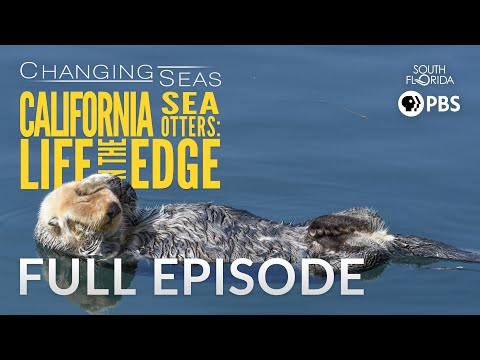
rakko posted on 2025/06/29Ever wondered how adorable sea otters survive on the California coast? This fascinating documentary dives deep into their world, exploring everything from their vital role in marine conservation to the scientific research helping them thrive. You'll pick up tons of advanced vocabulary related to wildlife, ecology, and conservation efforts!
Learn this video on the APP!
The VoiceTube App has more in-depth practice for videos!