
adapt
US /əˈdæpt/
UK /ə'dæpt/
- Transitive Verb
- To change something for a different function
- To change something to fit or suit a new purpose
- Intransitive Verb
- To change your behaviour so that it is easier to live in a new place or situation
B1TOEICMoreaddiction
US /əˈdɪkʃən/
UK /əˈdɪkʃn/
- Noun (Countable/Uncountable)
- Lack of control the overuse of something e.g. drugs
- A compulsive physiological need for a habit-forming substance.
B1TOEICMoreagony
US /ˈæɡəni/
UK /ˈægəni/
- Uncountable Noun
- Great pain or suffering
B1Morearound the world
US /əˈraʊnd ði wɜrld/
UK /əˈraund ðə wɜː(r)ld/
- Phrase
- In or to many countries.
- In various places throughout the world.
A2Moreat best
US /æt bɛst/
UK /æt best/
- Phrase
- Under the most optimistic or favorable circumstances; the most that can be hoped for.
A1Morebunch
US /bʌntʃ/
UK /bʌntʃ/
- Noun (Countable/Uncountable)
- A group of things of the same kind
- A group of people.
- Transitive Verb
- To group people or things closely together
B1Moreby accident
US /baɪ ˈæksɪdənt/
UK /bai ˈæksidənt/
- Phrase
- Without intending to; unintentionally.
care of
US /kɛr ʌv/
UK /kɛə ɔv/
- Preposition
- Used in an address to indicate the person who will receive the mail for someone else.
A2Moreclinical
US /ˈklɪnɪkəl/
UK /ˈklɪnɪkl/
- Adjective
- Concerning the treatment or observing patients
- Using scientific techniques and precision
B1Morecure
US /kjʊr/
UK /kjʊə(r)/
- Noun
- Something that solves a problem or makes it better
- Medical treatment making a sick person healthy
- Transitive Verb
- To fix or improve a problem
- To make someone healthy or make a disease go away
B1Moredepending on
US
UK
- Phrasal Verb
- To rely on for support (financial or emotional)
- Influenced or determined by.
- Preposition
- Subject to; contingent on
- Relying on someone or something for support or assistance.
A2Moredesperate
US /ˈdɛspərɪt/
UK /ˈdespərət/
- Adjective
- Being beyond hope; prepared to do anything
- State of urgently wanting to go to the toilet
A2Moredramatic
US /drəˈmætɪk/
UK /drəˈmætɪk/
- Adjective
- Gripping the attention; causing an effect
- (Of an event) sudden and extreme
B1Moreefficacy
US /ˈɛfɪkəsi/
UK /ˈefɪkəsi/
- Uncountable Noun
- Ability to produce a desired outcome
B2TOEICMoreestablish
US /ɪˈstæblɪʃ/
UK /ɪˈstæblɪʃ/
- Transitive Verb
- To set or create something to last for a long time
- To use facts, evidence to show truth or clarity
A2TOEICMoreexperiment
US /ɪkˈspɛrəmənt/
UK /ɪk'sperɪmənt/
- Noun (Countable/Uncountable)
- Test performed to assess new ideas or theories
- A course of action tentatively adopted without being sure of the eventual outcome.
- Verb (Transitive/Intransitive)
- To create and perform tests to research something
- To try something new that you haven't tried before
A2TOEICMoreextract
US /ɪkˈstrækt/
UK /'ekstrækt/
- Noun (Countable/Uncountable)
- Essential ingredient of a natural thing
- Part taken from a longer written work
- Transitive Verb
- To get a substance out of a plant, etc.
- To get a person to share secret information
B1TOEICMoreharrowing
US /ˈhæroɪŋ/
UK /'hærəʊɪŋ/
- Adjective
- Extremely shocking or upsetting
- Transitive Verb
- To be extremely upsetting
C1TOEICMorehave to
US /hæv tu/
UK /ˈhæv tə/
- Auxiliary Verb
- Must do
A1Moreheart monitor
US /hɑrt ˈmɑnɪtɚ/
UK /hɑ:t ˈmɔnitə/
- Noun
- A medical device used to continuously monitor a patient's heart rate and rhythm.
B2Morein part
US /ɪn pɑrt/
UK /in pɑ:t/
- Adverb
- To some extent; partially.
A1Moreincentive
US /ɪnˈsɛntɪv/
UK /ɪnˈsentɪv/
- Noun (Countable/Uncountable)
- Something that encourages you to do something
- Adjective
- Serving to encourage or motivate.
B1TOEICMoreinitiative
US /ɪˈnɪʃətɪv/
UK /ɪ'nɪʃətɪv/
- Noun (Countable/Uncountable)
- Ability to come up with solutions by yourself
- New plan or idea that is meant to fix a problem
B1TOEICMoreintense
US /ɪnˈtɛns/
UK /ɪn'tens/
- Adjective
- Very strong, great or extreme in degree
- Experiencing or showing great force or strength; extreme.
A2TOEICMorelucid
US /ˈlusɪd/
UK /ˈlu:sɪd/
- Adjective
- Very clear; really easy to understand
- Able to speak/think clearly, e.g. even if old
C1TOEICMoremeaningful
US /ˈminɪŋfəl/
UK /'mi:nɪŋfl/
- Adjective
- Having importance; showing someone's intention
- Having importance or value.
A2Moremedication
US /ˌmɛdɪˈkeʃən/
UK /ˌmedɪˈkeɪʃn/
- Noun (Countable/Uncountable)
- Substance to relieve pain or cure sickness
B2Moremediocre
US /ˌmidiˈokɚ/
UK /ˌmi:diˈəʊkə(r)/
- Adjective
- Average; not outstanding; not very good
B2TOEICMoremiserable
US /ˈmɪzərəbəl, ˈmɪzrə-/
UK /ˈmɪzrəbl/
- Adjective
- Very unhappy
- Causing someone to be unhappy or uncomfortable
- Noun
- A person who is always unhappy or complaining
A2Moremuch about
US /mʌtʃ əˈbaʊt/
UK /mʌtʃ əˈbaut/
- Phrase
- A lot of information or knowledge concerning something.
- To a great extent or degree regarding something; caring.
A1Moremultiple
US /ˈmʌltəpəl/
UK /ˈmʌltɪpl/
- Adjective
- Having or involving more than one of something
- Having or involving several parts, elements, or members.
- Countable Noun
- Number produced by multiplying a smaller number
- A number of identical circuit elements connected in parallel or series.
B1Morenarcotic
US /nɑ:rˈkɑ:ˈkɒtɪk/
UK /nɑ:ˈkɒtɪk/
- Adjective
- (Of a drug) leading to unconsciousness
- Noun (Countable/Uncountable)
- (Illegal) drug that leads to unconsciousness
B2Morenotoriously
US /noˈtɔrɪəslɪ/
UK /nəʊ'tɔ:rɪəslɪ/
- Adverb
- So as to be well-known for being something bad
B2Moreoff of
US /ɔf ʌv/
UK /ɔf ɔv/
- Preposition
- From a position on something; down from.
A1Moreoption
US /ˈɑpʃən/
UK /'ɒpʃn/
- Noun (Countable/Uncountable)
- A choice
- A right to buy or sell something at a particular price within a particular period.
A2TOEICMoreordeal
US /ɔrˈdil/
UK /ɔ:'di:l/
- Noun
- Event that is difficult to survive, live through
B2Moreout of reach
US /aʊt ʌv ritʃ/
UK /aut ɔv ri:tʃ/
- Phrase
- Cannot be touched as it is far away
- Adjective
- Too high or far away to be touched or grasped; unattainable.
- Beyond someone's capacity to obtain or achieve; unaffordable.
A2Moreovercome
US /ˌovɚˈkʌm/
UK /ˌəʊvə'kʌm/
- Transitive Verb
- To succeed in a struggle against; defeat
- Participle
- Past participle of overcome; to have successfully dealt with or controlled a problem or feeling.
A2TOEICMoreparadigm
US /ˈpærəˌdaɪm, -ˌdɪm/
UK /ˈpærədaɪm/
- Noun (Countable/Uncountable)
- A set of ideas for understanding or explaining
- Way of looking at things
B1TOEICMorepsychoactive
US /ˌsaɪkoʊˈæktɪv/
UK /ˌsaɪkəʊˈæktɪv/
- Adjective
- Affecting the mind or mood
C2Moreradical
US /ˈrædɪkəl,'rædɪkḷ/
UK /ˈrædɪkl/
- Noun (Countable/Uncountable)
- Person who believes in extreme political change
- A group of atoms behaving as a unit in a chemical compound.
- Adjective
- Very new and different from what is traditional
- Concerning something's most basic part or form
B1Morereceptor
US /rɪˈseptər /
UK /rɪˈseptə(r)/
- Noun
- A nerve ending that changes stimuli into impulses
B2Morereduce
US /rɪˈdus, -ˈdjus/
UK /rɪ'dju:s/
- Verb (Transitive/Intransitive)
- To try to decrease, e.g. your weight if overweight
- To boil a liquid until it has decreased in amount
A2TOEICMoreremain
US /rɪˈmen/
UK /rɪˈmeɪn/
- Intransitive Verb
- To be left behind; to continue to exist
- To stay in a place when other people have gone
A2TOEICMoreresearch
US /rɪˈsɚtʃ, ˈriˌsɚtʃ/
UK /rɪ'sɜ:tʃ/
- Verb (Transitive/Intransitive)
- To study in order to discover new ideas and facts
- To study the market relating to marketing products and services.
- Noun (Countable/Uncountable)
- Study done to discover new ideas and facts
- A particular area or topic of study.
A2TOEICMoreroute
US /rut, raʊt/
UK /ru:t/
- Noun (Countable/Uncountable)
- Way to get from one place to another place; path
- Path or way that people often use
- Transitive Verb
- To send along a particular path or way
A2TOEICMoresheer
US /ʃɪr/
UK /ʃɪə(r)/
- Intransitive Verb
- To suddenly turn or change direction
- Adverb
- Straight up and down; steeply
B1Morestagger
US /ˈstæɡɚ/
UK /ˈstægə(r)/
- Transitive Verb
- To greatly surprise someone
B2Morestandard
US /ˈstændəd/
UK /'stændəd/
- Noun
- Official unit of measuring something
- Principle of behaving in a moral way
- Adjective
- Being the accepted normal level of quality
- (Of a language) being the most accepted in a place
A2TOEICMoreswap
US /swɑp/
UK /swɒp/
- Transitive Verb
- To exchange goods without spending money; trade
- Noun
- A trade or exchange of goods without using money
B2TOEICMoresweat
US /swɛt/
UK /swet/
- Verb (Transitive/Intransitive)
- To do an amount of hard work
- To be worried or anxious about something
- Noun (Countable/Uncountable)
- An amount of hard work
A2Moretailor
US /ˈtelɚ/
UK /'teɪlə(r)/
- Transitive Verb
- To make or alter to fit a certain purpose
- Countable Noun
- Person who makes men's clothes by hand
B2TOEICMoretherapeutic
US /ˌθɛrəˈpjutɪk/
UK /ˌθerəˈpju:tɪk/
- Adjective
- Intended to make things (e.g. illness) better
B2Moretherapy
US /ˈθɛrəpi/
UK /'θerəpɪ/
- Noun (Countable/Uncountable)
- Treatment to help cure an illness
- Psychological counseling to help resolve personal or emotional problems.
B2Morethink of
US /θɪŋk ʌv/
UK /θiŋk ɔv/
- Phrasal Verb
- To look on as (being something specific); consider
- To consider or remember something.
- Verb (Transitive/Intransitive)
- To imagine or call something to mind
A1Moretraumatic
US /traʊˈmætɪk/
UK /trɔ:ˈmætɪk/
- Adjective
- Causing upsetting emotional effects over time
- Causing an injury
B2Moreunderway
US /ˌʌndɚˈwe/
UK /ˌʌndəˈweɪ/
- Adverb
- Happening now
B2TOEICMorevirtually
US /ˈvɚtʃuəli/
UK /ˈvɜ:tʃuəli/
- Adverb
- In an almost complete or entire manner
B1Morevomit
US /ˈvɑ:mɪt/
UK /ˈvɒmɪt/
- Noun (Countable/Uncountable)
- Food coming back up from stomach, due to illness
- Verb (Transitive/Intransitive)
- To bring (blood, etc.) up and out of mouth
B2Moreworth
US /wɚθ/
UK /wɜ:θ/
- Noun (Countable/Uncountable)
- the financial, practical or moral value of somebody/something
- having a particular value, especially in money
- Adjective
- Having a specified value.
A2More
Vocabulary
- have to: Must do
- in part: To some extent; partially.
- by accident: Without intending to; unintentionally.
- around the world: In or to many countries.
- much about: A lot of information or knowledge concerning something.
- care of: Used in an address to indicate the person who will receive the mail for someone else.
- heart monitor: A medical device used to continuously monitor a patient's heart rate and rhythm.
- at best: Under the most optimistic or favorable circumstances; the most that can be hoped for.
- think of: To look on as (being something specific); consider
- off of: From a position on something; down from.
- out of reach: Cannot be touched as it is far away
- depending on: To rely on for support (financial or emotional)
- intense: Very strong, great or extreme in degree
- bunch: A group of things of the same kind
- multiple: Having or involving more than one of something
- desperate: Being beyond hope; prepared to do anything
- initiative: Ability to come up with solutions by yourself
- therapy: Treatment to help cure an illness
- effective: Working efficiently to produce a desired result
- miserable: Very unhappy
- experiment: Test performed to assess new ideas or theories
- traumatic: Causing upsetting emotional effects over time
- research: To study in order to discover new ideas and facts
- sheer: To suddenly turn or change direction
- incentive: Something that encourages you to do something
- overcome: To succeed in a struggle against; defeat
- virtually: In an almost complete or entire manner
- worth: the financial, practical or moral value of somebody/something
- establish: To set or create something to last for a long time
- therapeutic: Intended to make things (e.g. illness) better
- paradigm: A set of ideas for understanding or explaining
- dramatic: Gripping the attention; causing an effect
- state: Region within a country, with its own government
- addiction: Lack of control the overuse of something e.g. drugs
- remain: To be left behind; to continue to exist
- adapt: To change something for a different function
- radical: Person who believes in extreme political change
- vomit: Food coming back up from stomach, due to illness
- extract: Essential ingredient of a natural thing
- swap: To exchange goods without spending money; trade
- sweat: To do an amount of hard work
- option: A choice
- standard: Official unit of measuring something
- mediocre: Average; not outstanding; not very good
- risk: To do something potentially dangerous or foolish
- meaningful: Having importance; showing someone's intention
- clinical: Concerning the treatment or observing patients
- route: Way to get from one place to another place; path
- agony: Great pain or suffering
- reduce: To try to decrease, e.g. your weight if overweight
- cure: Something that solves a problem or makes it better
- notoriously: So as to be well-known for being something bad
- tailor: To make or alter to fit a certain purpose
- staff: Employees of a company
- accident: Sudden unplanned event causing damage, injury etc.
- chance: The way something happens without planning
- receptor: A nerve ending that changes stimuli into impulses
- legal: Concerning the law; allowed by law
- find: To become aware of something that is happening
- medication: Substance to relieve pain or cure sickness
- lucid: Very clear; really easy to understand
- ordeal: Event that is difficult to survive, live through
- life: All the living things e.g. animals, plants, humans
- underway: Happening now
- work: The product of some artistic or literary endeavor
- efficacy: Ability to produce a desired outcome
- people: Persons sharing culture, country, background, etc.
- harrowing: Extremely shocking or upsetting
- report: Account of the necessary facts and information
- psychoactive: Affecting the mind or mood
- paralyze: To be unable to move from loss of muscle function
- study: To focus on learning something usually at school
- short: (Of electric circuit) to spark because faulty
- narcotic: (Of a drug) leading to unconsciousness
- stagger: To greatly surprise someone
Get the full experience in the app
Learn anywhere with detailed sentence and usage analysis
01:03
She took a brave step forward, leaving behind her comfort zone to chase her dreams.
Vocabulary
- brave
adj. Having courage
- comfort zone
phr. A familiar situation where one feels safe
Explanation
a brave step is a noun phrase, where brave is an adjective modifying the noun step, meaning "a courageous step".
forward is an adverb modifying step, meaning "ahead".
The whole phrase serves as the object, answering the "what" of took (verb) — she took a brave step forward.
Get the full experience in the app
Look up words anytime with pronunciation, part of speech, and usage
brave
US/brev/
UK/breɪv/
adj.Brave
v.t.To bravely face
A2 Elementary
Get the full experience in the app
Practice speaking anytime and get instant pronunciation feedback
Try this speaking exercise.
Try practicing with this sentence.
80
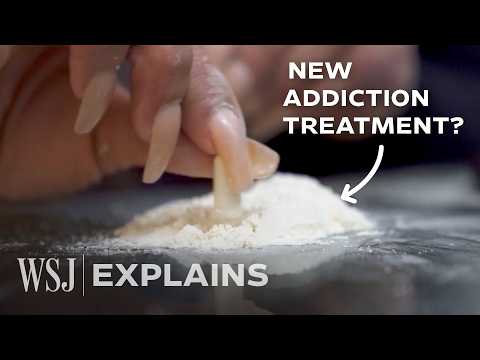
This Deadly Drug Can Also Erase Addiction ‘Virtually Overnight’ | WSJ
0
VoiceTube posted on 2025/06/24Ever wondered about alternative ways to overcome opioid addiction? This video dives into the fascinating world of Ibogaine therapy, exploring its potential to help people recover, even featuring insights from a clinic in Tijuana and traditional Bwiti ceremonies. You'll pick up advanced vocabulary related to addiction treatment and hear compelling recovery stories!
Learn this video on the APP!
The VoiceTube App has more in-depth practice for videos!