
activate
US /ˈæktəˌvet/
UK /ˈæktɪveɪt/
- Transitive Verb
- To cause to happen; cause a chemical reaction
- To make something start working
B1Morealert
US /əˈlɚt/
UK /ə'lɜ:t/
- Adjective
- Being aware and able to respond quickly
- Transitive Verb
- To warn someone so they can respond to it
B1TOEICMoreanxiety
US /æŋˈzaɪɪti/
UK /æŋ'zaɪətɪ/
- Uncountable Noun
- A feeling of worry, nervousness, or unease about something that might happen, especially when the outcome is uncertain.
B1Morecheck out
US /tʃɛk aʊt/
UK /tʃek aut/
- Phrase
- Phrasal Verb
- To find out information about something
- To take books out of a library
A1Morechronic
US /ˈkrɑnɪk/
UK /'krɒnɪk/
- Adjective
- Always or often doing something, e.g. lying
- (Of disease) over a long time; serious
B1Morecircuitry
US /ˈsɚkɪtri/
UK /ˈsɜ:kɪtri/
- Uncountable Noun
- Electronic equipment consisting of switches
B2Morecomment
US /ˈkɑmɛnt/
UK /'kɒment/
- Noun (Countable/Uncountable)
- Something you say, giving an opinion; remark
- An explanatory note in a computer program.
- Verb (Transitive/Intransitive)
- To say something that gives your opinion
- To add explanatory notes to a computer program.
A2Morecope
US /koʊp/
UK /kəʊp/
- Verb (Transitive/Intransitive)
- To deal with something in spite of difficulties
A2Morecope with
US /kop wɪð/
UK /kəup wið/
- Phrasal Verb
- To deal successfully with a difficult situation.
A1Morecouch
US /kaʊtʃ/
UK /kaʊtʃ/
- Transitive Verb
- To formulate in a particular style or language
- Noun (Countable/Uncountable)
- Sofa; settee
B1Morecrack
US /kræk/
UK /kræk/
- Noun (Countable/Uncountable)
- Attempt to achieve a goal or objective
- Unexpected and hard hit to the body
- Verb (Transitive/Intransitive)
- To attempt to achieve a goal or objective
- To hit someone or something hard and unexpectedly
B1Moredepression
US /dɪˈprɛʃən/
UK /dɪ'preʃn/
- Noun (Countable/Uncountable)
- Medical condition of a lack of vitality
- Period of unemployment and low economic activity
B2Moredisease
US /dɪˈziz/
UK /dɪˈzi:z/
- Noun (Countable/Uncountable)
- Illness that affects a person, animal, or plant
- A disorder of structure or function in a plant, especially one caused by a pathogen.
- Transitive Verb
- To affect with disease; to corrupt or sicken.
A2TOEICMoreemit
US /ɪˈmɪt/
UK /ɪ'mɪt/
- Transitive Verb
- To release or send out (a gas, etc.)
B1Moreemotional
US /ɪˈmoʃənəl/
UK /ɪˈməʊʃənl/
- Adjective
- Causing, feeling, or appealing to the emotions
- Relating to or characterized by emotion
A2Moreepisode
US /ˈɛpɪˌsod/
UK /'epɪsəʊd/
- Noun
- One separate event in a series of events
- Show which is part of a larger story
B1TOEICMorefigure out
US /ˈfɪɡjɚ aʊt/
UK /ˈfiɡə aut/
- Phrasal Verb
- To understand the behavior of someone
- To think through logically to find a solution
- Verb (Transitive/Intransitive)
- To understand or find an answer to something.
- To find a solution to a problem or understand something.
A1Morefirework
US /ˈfaɪərwɜ:rk/
UK /ˈfaɪəwɜ:k/
- Noun
- Exploding object making bright lights/loud bangs
B2Moreget cracking
US /ɡɛt ˈkrækɪŋ/
UK /ɡet ˈkrækiŋ/
- Phrasal Verb
- To start doing something quickly or with energy.
A1Moreglitch
US /ɡlɪtʃ/
UK /ɡlɪtʃ/
- Noun
- Small problem, fault preventing something working
- Intransitive Verb
- To experience a sudden malfunction or irregularity.
C1Moreinsomnia
US /ɪnˈsɑ:mniə/
UK /ɪnˈsɒmniə/
- Uncountable Noun
- Inability to sleep for many nights
- A specific instance or occurrence of sleeplessness.
C1Moreintermittent
US /ˌɪntɚˈmɪtnt/
UK /ˌɪntəˈmɪtənt/
- Adjective
- Occurring at irregular times; off and on
B2TOEICMoreinterpret
US /ɪnˈtɚprɪt/
UK /ɪn'tɜ:prɪt/
- Verb (Transitive/Intransitive)
- To express so that others understand it
- To translate what is said into another language
A2TOEICMoremultiple
US /ˈmʌltəpəl/
UK /ˈmʌltɪpl/
- Adjective
- Having or involving more than one of something
- Having or involving several parts, elements, or members.
- Countable Noun
- Number produced by multiplying a smaller number
- A number of identical circuit elements connected in parallel or series.
B1Morenegative
US /ˈnɛɡətɪv/
UK /'neɡətɪv/
- Noun
- The opposite to a positive electrical charge
- In grammar, containing words such as 'no' or 'not'
- Adjective
- Being harmful, unwanted or unhelpful
- In mathematics, being less than zero
A2Morenerve
US /nɚv/
UK /nə:v/
- Noun (Countable/Uncountable)
- Fibers in the body that enable feeling, movement
- Courage to do something that is difficult or risky
- Verb (Transitive/Intransitive)
- To summon one's courage; brace oneself.
A2Moreout of whack
US /aʊt ʌv hwæk/
UK /aut ɔv hwæk/
- Adjective
- Not in proper working order; not functioning correctly.
- Not properly aligned or adjusted.
A1Morepersist
US /pɚˈsɪst, -ˈzɪst/
UK /pə'sɪst/
- Intransitive Verb
- To continue a course of action despite opposition
- To continue to exist or occur beyond the usual, expected, or desired time.
B1TOEICMorephysically
US /ˈfɪzɪkəlɪ/
UK /'fɪzɪklɪ/
- Adverb
- In a manner related to the body
- Concerning reality or the laws of nature
A2Morepressure
US /ˈprɛʃɚ/
UK /'preʃə(r)/
- Noun (Countable/Uncountable)
- Anxiety caused by difficult problems
- Force, weight when pressing against a thing
- Transitive Verb
- To apply force to something
- To persuade or force someone to do something
A2TOEICMorepush on
US /pʊʃ ɑn/
UK /puʃ ɔn/
- Phrasal Verb
- To continue with some effort; persevere
A1Morerapid
US /ˈræpɪd/
UK /ˈræpɪd/
- Adjective
- Moving or happening very quickly
- Noun
- Rough and fast-moving part of a river
B1Moreregulate
US /ˈrɛɡjəˌlet/
UK /ˈregjuleɪt/
- Transitive Verb
- To control something with rules or laws
- To set/adjust (a clock, etc.); restrict motion in
A2TOEICMoreresponse
US /rɪˈspɑns/
UK /riˈspɔns/
- Noun
- Something said/written as an answer to something
- Reaction to something that has occurred
A2TOEICMoreretina
US /ˈretənə/
UK /ˈretɪnə/
- Noun
- Part of the eye that senses light
B2Moreright in front
US
UK
- Phrase
- Directly ahead; in a position immediately before someone or something.
- In a position where something is easily visible or obvious.
A2Moresclerosis
US /skləˈroʊsɪs/
UK /skləˈrəʊsɪs/
- Uncountable Noun
- (Medical) process in which a soft tissue becomes hard
C1Moresection
US / ˈsɛkʃən/
UK /'sekʃn/
- Noun (Countable/Uncountable)
- A part of a whole
- Specific group of people from a larger group
- Transitive Verb
- To divide something into smaller parts
B1TOEICMoresee stars
US /si stɑrz/
UK /si: stɑ:z/
- other
- To feel dizzy or confused, usually after a blow to the head.
B2Moreshow off
US /ʃo ɔf/
UK /ʃəu ɔf/
- Phrasal Verb
- To show your ability/possessions to try to impress
A1Morestimulate
US /ˈstɪmjəˌlet/
UK /'stɪmjʊleɪt/
- Transitive Verb
- To arouse or excite emotionally
B1Morestress
US / strɛs/
UK /stres/
- Transitive Verb
- To emphasize one or more parts of a word, sentence
- To put pressure on something or someone
- Noun (Countable/Uncountable)
- Emphasis on part of a word or sentence
- Pressure on something or someone
A2TOEICMoretemporary
US /'tempəreri/
UK /ˈtemprəri/
- Adjective
- Continuing for a limited time; not permanent
- Noun
- A temporary worker.
A2TOEICMoretense
US /tɛns/
UK /tens/
- Noun
- The use of grammar to state the time things happen
- Adjective
- Unable to relax; feeling nervous or stressed
- Stretched tight and stiff
A2TOEICMoretherapy
US /ˈθɛrəpi/
UK /'θerəpɪ/
- Noun (Countable/Uncountable)
- Treatment to help cure an illness
- Psychological counseling to help resolve personal or emotional problems.
B2Moreto do with
US
UK
- Phrasal Verb
- To be about something; concern
A1Moretrigger
US /ˈtrɪɡɚ/
UK /'trɪɡə(r)/
- Noun
- Lever on a gun that you pull to fire
- Device that starts a process
- Transitive Verb
- To start a process off e.g. a memory
- To cause something to begin or happen.
B1Morevisible
US /ˈvɪzəbəl/
UK /ˈvɪzəbl/
- Adjective
- Can see, easily seen or understood
B1TOEICMorevisual
US /ˈvɪʒuəl/
UK /'vɪʒʊəl/
- Adjective
- Of or relating to vision
- Noun
- Pictures/images used to help audience understand
- A picture, map, piece of film, or other visual representation.
A2Morewanna
US /ˈwɑnə/
UK /'wɒnə/
- Verb (Transitive/Intransitive)
- Shortened form of 'want to'. Used only in speaking
B2Morewhack
US /hwæk, wæk/
UK /wæk/
- Transitive Verb
- To hit someone or something with great force
- Noun
- A very heavy hit making a loud sound
B2Morework to do
US
UK
- Phrase
- Tasks or activities that need to be accomplished.
- Obligations or responsibilities that require effort and attention.
A1More
Vocabulary
- get cracking: To start doing something quickly or with energy.
- out of whack: Not in proper working order; not functioning correctly.
- cope with: To deal successfully with a difficult situation.
- see stars: To feel dizzy or confused, usually after a blow to the head.
- to do with: To be about something; concern
- push on: To continue with some effort; persevere
- right in front: Directly ahead; in a position immediately before someone or something.
- show off: To show your ability/possessions to try to impress
- work to do: Tasks or activities that need to be accomplished.
- figure out: To understand the behavior of someone
- check out
- anxiety: A feeling of worry, nervousness, or unease about something that might happen, especially when the outcome is uncertain.
- episode: One separate event in a series of events
- chronic: Always or often doing something, e.g. lying
- figure: To appear in a game, play or event
- depression: Medical condition of a lack of vitality
- trigger: Lever on a gun that you pull to fire
- multiple: Having or involving more than one of something
- negative: The opposite to a positive electrical charge
- therapy: Treatment to help cure an illness
- insomnia: Inability to sleep for many nights
- interpret: To express so that others understand it
- disease: Illness that affects a person, animal, or plant
- emotional: Causing, feeling, or appealing to the emotions
- stress: To emphasize one or more parts of a word, sentence
- comment: Something you say, giving an opinion; remark
- crack: Attempt to achieve a goal or objective
- pressure: Anxiety caused by difficult problems
- cope: To deal with something in spite of difficulties
- alert: Being aware and able to respond quickly
- stimulate: To arouse or excite emotionally
- brain: To strike someone forcefully on the head
- tense: The use of grammar to state the time things happen
- physically: In a manner related to the body
- response: Something said/written as an answer to something
- section: A part of a whole
- regulate: To control something with rules or laws
- suddenly: In an unexpected or very quick manner
- create: To make, cause, or bring into existence
- drop: Distance between a higher and a lower level
- temporary: Continuing for a limited time; not permanent
- throw: To use your arm to make something fly in the air
- persist: To continue a course of action despite opposition
- mood: Emotion or a state of mind; how you feel
- nerve: Fibers in the body that enable feeling, movement
- visual: Of or relating to vision
- wanna: Shortened form of 'want to'. Used only in speaking
- fall: Season after summer and before winter; Autumn
- suggest: To mention something that could be done; propose
- noggin: A human head
- appear: To be seen, become visible; come into sight
- activate: To cause to happen; cause a chemical reaction
- normal: Standard or regular way of doing something
- rapid: Moving or happening very quickly
- emit: To release or send out (a gas, etc.)
- visible: Can see, easily seen or understood
- couch: To formulate in a particular style or language
- retina: Part of the eye that senses light
- change: To exchange one set of clothes for another
- intermittent: Occurring at irregular times; off and on
- question: To ask for or try to get information
- hard: Difficult to do; difficult to understand
- glitch: Small problem, fault preventing something working
- whack: To hit someone or something with great force
- circuitry: Electronic equipment consisting of switches
- sclerosis: (Medical) process in which a soft tissue becomes hard
- firework: Exploding object making bright lights/loud bangs
Get the full experience in the app
Learn anywhere with detailed sentence and usage analysis
01:03
She took a brave step forward, leaving behind her comfort zone to chase her dreams.
Vocabulary
- brave
adj. Having courage
- comfort zone
phr. A familiar situation where one feels safe
Explanation
a brave step is a noun phrase, where brave is an adjective modifying the noun step, meaning "a courageous step".
forward is an adverb modifying step, meaning "ahead".
The whole phrase serves as the object, answering the "what" of took (verb) — she took a brave step forward.
Get the full experience in the app
Look up words anytime with pronunciation, part of speech, and usage
brave
US/brev/
UK/breɪv/
adj.Brave
v.t.To bravely face
A2 Elementary
Get the full experience in the app
Practice speaking anytime and get instant pronunciation feedback
Try this speaking exercise.
Try practicing with this sentence.
80
0
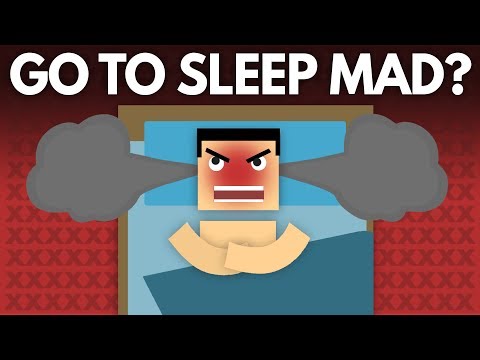
林宜悉 posted on 2025/08/01Ever wondered what happens if you go to sleep angry? This fun 'Dear Blocco' episode dives into sleep science and explains cool phenomena like 'seeing stars' with simple language. You'll pick up practical phrases and learn fascinating facts about your brain and body!
Learn this video on the APP!
The VoiceTube App has more in-depth practice for videos!