
abundance
US /əˈbʌndəns/
UK /əˈbʌndəns/
- Uncountable Noun
- Quantity that is very large or more than enough
B2Moreabundant
US /əˈbʌndənt/
UK /əˈbʌndənt/
- Adjective
- Being in very great supply; plentiful
B2TOEICMoreadapt
US /əˈdæpt/
UK /ə'dæpt/
- Transitive Verb
- To change something for a different function
- To change something to fit or suit a new purpose
- Intransitive Verb
- To change your behaviour so that it is easier to live in a new place or situation
B1TOEICMoreadaptation
US /ˌædæpˈteʃən/
UK /ˌædæpˈteɪʃn/
- Noun (Countable/Uncountable)
- Music, movie or play, changed to a new form
- Changing to a new form; thing that is changed
B1Moreaffection
US /əˈfɛkʃən/
UK /əˈfekʃn/
- Noun (Countable/Uncountable)
- Feeling of liking someone or something
- A gentle feeling of fondness or liking.
B1Moreall at once
US
UK
- Adverb
- Suddenly; at the same time
- At the same time; simultaneously
- Phrase
- Suddenly; at the same time
A1Moreanalogy
US /əˈnælədʒi/
UK /əˈnælədʒi/
- Noun
- Comparison of things based on their similarity
B1Moreanxiety
US /æŋˈzaɪɪti/
UK /æŋ'zaɪətɪ/
- Uncountable Noun
- A feeling of worry, nervousness, or unease about something that might happen, especially when the outcome is uncertain.
B1Moreapproach
US /əˈprəʊtʃ/
UK /ə'prəʊtʃ/
- Verb (Transitive/Intransitive)
- To get close to reaching something or somewhere
- To request someone to do something specific
- Noun (Countable/Uncountable)
- Means of reaching a place, often a road or path
- Request of someone with a specific goal in mind
A2TOEICMoreassume
US /əˈsum/
UK /ə'sju:m/
- Transitive Verb
- To act in a false manner to mislead others
- To believe, based on the evidence; suppose
A2TOEICMoreat least
US /æt list/
UK /æt li:st/
- Adverb
- As a minimum
- Not less than
- Phrase
- No less than; at the minimum
- Used to indicate that something is positive in a bad situation.
C2Moreat once
US /æt wʌns/
UK /æt wʌns/
- Adverb
- Immediately; without delay
- At the same time; simultaneously
A2Moreat the outset
US /æt ði ˈaʊtˌsɛt/
UK /æt ðə ˈautset/
- Phrase
- At the very beginning; from the start.
A1Moreat the same time
US
UK
- Phrase
- Simultaneously; at the identical moment.
- Nevertheless; however; used to introduce a contrasting or qualifying statement.
A1Morecommitment
US /kəˈmɪtmənt/
UK /kə'mɪtmənt/
- Noun
- Permanent love or concern for person, thing
- Promise or decision to do something for a purpose
A2Morecondition
US /kənˈdɪʃən/
UK /kənˈdɪʃn/
- Transitive Verb
- To improve something to make it better
- To cause to behave automatically in a certain way
- Noun (Countable/Uncountable)
- Disease or other medical problem
- The state of living you are in, e.g. good health
A2Morecounterintuitive
US /ˌkaʊntərɪn'tju:ɪtɪv/
UK /kaʊntərɪn'tju:ɪtɪv/
- Adjective
- Contrary to what common sense would suggest
C2Moredeprivation
US /ˌdɛprəˈveʃən/
UK /ˌdeprɪˈveɪʃn/
- Uncountable Noun
- State of lacking something needed
- The state of lacking or being denied something considered necessary.
B2Moredesire
US / dɪˈzaɪr/
UK /dɪ'zaɪə(r)/
- Transitive Verb
- To wish for, hope or want something
- Noun (Countable/Uncountable)
- Thing that is wished for or wanted
- A strong feeling of sexual wanting.
A2Moredigestive
US /daɪˈdʒɛstɪv, dɪ-/
UK /daɪˈdʒestɪv/
- Adjective
- Concerning processes of converting food to energy
B2Morediscomfort
US /dɪsˈkʌmfərt/
UK /dɪsˈkʌmfət/
- Transitive Verb
- To cause to feel uncomfortable or not at ease
- Uncountable Noun
- Feelings of being uncomfortable or uneasy
B2Moreecstasy
US /ˈɛkstəsi/
UK /ˈekstəsi/
- Uncountable Noun
- State of overwhelming happiness; joy
- An illegal drug, typically MDMA, that produces feelings of euphoria.
B2Moreemotional
US /ɪˈmoʃənəl/
UK /ɪˈməʊʃənl/
- Adjective
- Causing, feeling, or appealing to the emotions
- Relating to or characterized by emotion
A2Moreeventually
US /ɪˈvɛntʃuəli/
UK /ɪˈventʃuəli/
- Adverb
- After a long time; after many attempts; in the end
- At some later time; in the future
A2Moreextremely
US /ɪk'strimlɪ/
UK /ɪkˈstri:mli/
- Adverb
- In a way that is much more than usual or expected
- Remarkably; unusually.
B1Moreflee
US /fli/
UK /fli:/
- Intransitive Verb
- To leave somewhere urgently, to avoid danger
B1Moreflirt
US /flɚt/
UK /flɜ:t/
- Intransitive Verb
- To behave playfully to arouse romantic interest
- Noun
- A person who habitually trifles with the affections of others; a coquette.
B2Morefor sure
US /fɔr ʃʊr/
UK /fɔ: ʃuə/
- Adverb
- Definitely; certainly; without a doubt.
- Used to emphasize a statement.
- Interjection
- An expression of strong agreement or affirmation.
A2Moregenerate
US /ˈdʒɛnəˌret/
UK /ˈdʒenəreɪt/
- Transitive Verb
- To create or be produced or bring into existence
- To create electricity, heat, energy and power
A2TOEICMoregenesis
US /ˈdʒɛnɪsɪs/
UK /'dʒenəsɪs/
- Noun
- Beginning of something important
B2TOEICMoreheal
US /hi:l/
UK /hi:l/
- Verb (Transitive/Intransitive)
- To recover from or forget a bad experience
- To make or become healthy or well again
B1Moreimmense
US /ɪˈmɛns/
UK /ɪˈmens/
- Adjective
- Very great in size or amount
- Extremely great in degree; vast.
B1Moreimpoverished
US
UK
- Adjective
- Not having enough money; short of money
- Lacking money; having become poor
- Transitive Verb
- To take money from; make poor
C1Morein the face of
US //ɪn ðə feɪs ɑv//
UK
- Phrase
- When confronted with something difficult or challenging.
- Despite; in defiance of; when confronted with.
A1Morein time
US /ɪn taɪm/
UK /in taim/
- Adverb
- Eventually; after a period of time.
- Not late; with enough time to spare.
- Phrase
- Eventually; before it is too late.
- According to the scheduled time; punctual.
A1Morein with
US /ɪn wɪð/
UK /in wið/
- Phrase
- Fashionable or popular at the moment.
- Having influence or favor with someone.
- Phrasal Verb
- To introduce or bring something new into a system or organization.
A1Moreinadequacy
US /ɪnˈædɪkwəsi/
UK /ɪn'ædɪkwəsɪ/
- Uncountable Noun
- Not enough; not good enough; not satisfactory
B1Moreinsult
US /ɪnˈsʌlt/
UK /ɪn'sʌlt/
- Transitive Verb
- To disrespect someone by being rude or impolite
- Noun (Countable/Uncountable)
- Act of disrespecting by being rude or impolite
B1TOEICMoreintimacy
US /ˈɪntəməsi/
UK /'ɪntɪməsɪ/
- Uncountable Noun
- The sharing of private and personal things
B2Morelegacy
US /ˈlɛɡəsi/
UK /'leɡəsɪ/
- Noun (Countable/Uncountable)
- Literature, arts etc. from previous generations
- Something left or given by a person who has died
- Adjective
- Relating to old or outdated computer systems or software.
B2TOEICMoremake up
US /mek ʌp/
UK /meik ʌp/
- Phrasal Verb
- To invent or create a story
- To add up to
- Verb (Transitive/Intransitive)
- To invent a story, excuse, etc.
- To compensate for something lost, missed, or deficient.
A1Moremelancholy
US /ˈmɛlənˌkɑli/
UK /ˈmelənkəli/
- Adjective
- Having a sad mood or feeling
- Uncountable Noun
- sadness that lasts for a long period of time, often without any obvious reason
B2Moremutual
US /ˈmjutʃuəl/
UK /'mju:tʃʊəl/
- Adjective
- Shared between two or more people
- Possessed or held in common.
- Noun
B1Morenauseous
US /ˈnɔ:ʃəs/
UK /ˈnɔ:ziəs/
- Adjective
- Feeling like you want to vomit
B2Moreoccur
US /əˈkɚ/
UK /əˈkɜ:(r)/
- Intransitive Verb
- To come to pass or to happen
- To be found to exist; to be present.
A2TOEICMoreof course
US /ʌv kɔː(r)s/
UK /ɔv kɔː(r)s/
- Adverb
- Sure ; Certainly
- Phrase
- For sure; certainly
A2Moreoutset
US /ˈaʊtˌsɛt/
UK /ˈaʊtset/
- Noun
- Beginning or start of something
B2Moreoverwhelmed
US /ˌoʊ.vɚˈwɛlmd/
UK /ˌəʊ.vəˈwɛlmd/
- Transitive Verb
- To defeat something or someone completely
- To affect someone emotionally in a strong way
- Adjective
- Feeling like you have so much to do that you can't even get started.
- Feeling like you are unable to cope with something
B2Morepathology
US /pæˈθɑlədʒi/
UK /pə'θɒlədʒɪ/
- Uncountable Noun
- Study of diseases and their effect on the body
C1Moreperceive
US /pɚˈsiv/
UK /pə'si:v/
- Transitive Verb
- To notice or become aware of something
- To think of someone or something in a certain way
B1TOEICMorephobia
US /ˈfoʊbiə/
UK /ˈfəʊbiə/
- Noun
- Extreme fear
C1Moreplenty
US /ˈplɛnti/
UK /'plentɪ/
- Pronoun
- When there is not too little of something; a lot
- Uncountable Noun
- A large or sufficient amount or quantity; abundance.
- A lot of something
A2Morerather than
US
UK
- Adverb
- More exactly; more correctly
- Preferably; instead
- Preposition
- Instead of
A1Morerequire
US /rɪˈkwaɪr/
UK /rɪ'kwaɪə(r)/
- Transitive Verb
- To demand that someone does something
- To need to do something, to make it necessary
A2TOEICMoreresort
US /rɪ'zɔ:rt/
UK /rɪ'zɔ:t/
- Noun
- Act of choosing something to help with a problem
- Vacation hotel or complex; area for holidays
B1TOEICMoreresult
US /rɪˈzʌlt/
UK /rɪ'zʌlt/
- Noun
- Something produced through tests or experiments
- Final score of a competition, election or game
- Intransitive Verb
- To be the outcome of other causes and effects
- To happen or exist as a consequence of something.
A2Moresame time
US
UK
- Phrase
- Occurring simultaneously or at the same point in time.
- At the identical time as before; recurring at a fixed hour.
- Noun
- An equal duration or period.
A1Moresatisfaction
US /ˌsætɪsˈfækʃən/
UK /ˌsætɪs'fækʃn/
- Uncountable Noun
- Happy feeling because of something that you did
- Providing enough to make someone happy
B1TOEICMorescarcity
US /ˈskersəti/
UK /ˈskeəsəti/
- Uncountable Noun
- Very small or limited amount of something
B2Moreteaspoon
US /ˈtiˌspun/
UK /ˈti:spu:n/
- Countable Noun
- Small spoon used for stirring tea or coffee
C1Moretemptation
US /tɛmpˈteʃən/
UK /tempˈteɪʃn/
- Noun
- Something making you want to do/have bad thing
- Something that attracts or tempts someone.
A2Moretendency
US /ˈtɛndənsi/
UK /'tendənsɪ/
- Noun
- Likelihood to behave in a particular way
A2Moreto do with
US
UK
- Phrasal Verb
- To be about something; concern
A1Moretrap
US /træp/
UK /træp/
- Countable Noun
- Device used for catching animals
- Vehicle pulled by a single horse
- Transitive Verb
- To use a device to catch animals or people
- To hold, e.g. a nerve, so that it cannot move
A2Moreused to
US /juzd tu/
UK /ˈju:st tə/
- Adjective
- Did regularly before, but don't do now
- Auxiliary Verb
- Have done before, but do not do now
A1More
Vocabulary
- rather than: More exactly; more correctly
- in the face of: When confronted with something difficult or challenging.
- of course: Sure ; Certainly
- in time: Eventually; after a period of time.
- used to: Did regularly before, but don't do now
- make up: To invent or create a story
- at least: As a minimum
- for sure: Definitely; certainly; without a doubt.
- all at once: Suddenly; at the same time
- at once: Immediately; without delay
- in with: Fashionable or popular at the moment.
- at the outset: At the very beginning; from the start.
- to do with: To be about something; concern
- at the same time: Simultaneously; at the identical moment.
- same time: Occurring simultaneously or at the same point in time.
- anxiety: A feeling of worry, nervousness, or unease about something that might happen, especially when the outcome is uncertain.
- perceive: To notice or become aware of something
- overwhelmed: To defeat something or someone completely
- eventually: After a long time; after many attempts; in the end
- assume: To act in a false manner to mislead others
- approach: To get close to reaching something or somewhere
- deprivation: State of lacking something needed
- commitment: Permanent love or concern for person, thing
- extremely: In a way that is much more than usual or expected
- present: Being in attendance; being there; having turned up
- situation: Place, position or area that something is in
- intimacy: The sharing of private and personal things
- plenty: When there is not too little of something; a lot
- develop: To explain something in steps and in detail
- fear: Unpleasant feeling caused by being aware of danger
- melancholy: Having a sad mood or feeling
- temptation: Something making you want to do/have bad thing
- emotional: Causing, feeling, or appealing to the emotions
- legacy: Literature, arts etc. from previous generations
- imagine: To think creatively about; form mental picture of
- insult: To disrespect someone by being rude or impolite
- desire: To wish for, hope or want something
- tendency: Likelihood to behave in a particular way
- abundance: Quantity that is very large or more than enough
- counterintuitive: Contrary to what common sense would suggest
- occur: To come to pass or to happen
- condition: To improve something to make it better
- mutual: Shared between two or more people
- draw: To attract attention to someone or something
- immense: Very great in size or amount
- affection: Feeling of liking someone or something
- adapt: To change something for a different function
- explain: To make clear or easy to understand by describing
- analogy: Comparison of things based on their similarity
- require: To demand that someone does something
- digestive: Concerning processes of converting food to energy
- trap: Device used for catching animals
- generate: To create or be produced or bring into existence
- result: Something produced through tests or experiments
- resort: Act of choosing something to help with a problem
- interest: Best or most advantageous thing for someone
- accept: To agree to receive or take something offered
- abundant: Being in very great supply; plentiful
- flee: To leave somewhere urgently, to avoid danger
- flirt: To behave playfully to arouse romantic interest
- fall: Season after summer and before winter; Autumn
- adaptation: Music, movie or play, changed to a new form
- heal: To recover from or forget a bad experience
- satisfaction: Happy feeling because of something that you did
- scarcity: Very small or limited amount of something
- sign: Indication that something exists or will happen
- kind: In a caring and helpful manner
- learn: To get knowledge or skills by study or experience
- inadequacy: Not enough; not good enough; not satisfactory
- stand: To be a candidate in an election
- natural: Being as one would expect; being usual or normal
- nauseous: Feeling like you want to vomit
- phobia: Extreme fear
- discomfort: To cause to feel uncomfortable or not at ease
- impoverished: Not having enough money; short of money
- ecstasy: State of overwhelming happiness; joy
- genesis: Beginning of something important
- outset: Beginning or start of something
- pathology: Study of diseases and their effect on the body
- teaspoon: Small spoon used for stirring tea or coffee
Get the full experience in the app
Learn anywhere with detailed sentence and usage analysis
01:03
She took a brave step forward, leaving behind her comfort zone to chase her dreams.
Vocabulary
- brave
adj. Having courage
- comfort zone
phr. A familiar situation where one feels safe
Explanation
a brave step is a noun phrase, where brave is an adjective modifying the noun step, meaning "a courageous step".
forward is an adverb modifying step, meaning "ahead".
The whole phrase serves as the object, answering the "what" of took (verb) — she took a brave step forward.
Get the full experience in the app
Look up words anytime with pronunciation, part of speech, and usage
brave
US/brev/
UK/breɪv/
adj.Brave
v.t.To bravely face
A2 Elementary
Get the full experience in the app
Practice speaking anytime and get instant pronunciation feedback
Try this speaking exercise.
Try practicing with this sentence.
80
Why We Run From Love
0
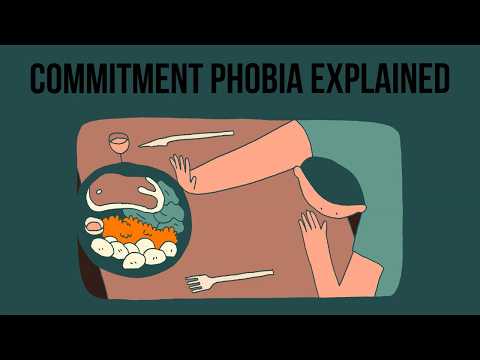
林宜悉 posted on 2025/06/18Ever wondered why you might run from love even when you want it? This video dives into avoidant attachment and fear of intimacy, explaining concepts like 'love titration' with advanced vocabulary you can start using right away! You'll gain fascinating insights into relationships while boosting your English skills.
Learn this video on the APP!
The VoiceTube App has more in-depth practice for videos!