
access
US /ˈæksɛs/
UK /'ækses/
- Noun (Countable/Uncountable)
- Way to enter a place, e.g. a station or stadium
- The opportunity or right to use something or to see someone.
- Transitive Verb
- To be able to use or have permission to use
A2TOEICMoreaccurate
US /ˈækjərɪt/
UK /ˈækjərət/
- Adjective
- With no mistake or error; Correct
A2Morealong with
US /əˈlɔŋ wɪð/
UK /əˈlɔŋ wið/
- Preposition
- In addition to; together with.
- Adverb
- In company or together with someone or something.
- Including; in addition to.
A2Moreat home
US /æt hom/
UK /æt həum/
- Phrase
- In one's own residence or country.
- Adjective
- Feeling comfortable and relaxed.
at that time
US /æt ðæt taɪm/
UK /æt ðæt taim/
- Phrase
- During a specific point in the past.
A1Moreattention
US /əˈtɛnʃən/
UK /əˈtenʃn/
- Noun (Countable/Uncountable)
- Taking notice of someone or something
- Noun
- (Soldiers) Standing with straight backs
A2TOEICMorebased on
US
UK
- Phrasal Verb
- To use something as the foundation or starting point for something else.
- Preposition
- Using something as the main idea or foundation.
- Relying on something as evidence or justification.
A1Moreclose by
US /kloz baɪ/
UK /kləuz bai/
- Adverb
- Near in distance; nearby.
- Phrase
- In a position or location that is near.
A2Morecoherence
US /koˈhɪrəns, -ˈhɛr-/
UK /kəʊˈhɪərəns/
- Uncountable Noun
- State in which all of the parts are connected
B2Morecome up
US /kʌm ʌp/
UK /kʌm ʌp/
- Phrasal Verb
- To come closer to someone; approach
- (Of sun) to rise into the sky in the morning
A1Morecome up with
US /kʌm ʌp wɪð/
UK /kʌm ʌp wið/
- Phrasal Verb
- To think of an idea or solution; produce
A1Morecommunity
US /kəˈmjunɪti/
UK /kə'mju:nətɪ/
- Noun (Countable/Uncountable)
- Group of people who share a common idea or area
- A feeling of fellowship with others, as a result of sharing common attitudes, interests, and goals.
- Adjective
- Relating to or shared by the people in a particular area.
- Shared or participated in by all members of a group
A2Morecomplex
US /kəmˈplɛks, ˈkɑmˌplɛks/
UK /'kɒmpleks/
- Countable Noun
- Group of buildings all used for the same purpose
- Adjective
- Not being simple; having many parts or aspects
A2Moreconfident
US /ˈkɑnfɪdənt/
UK /ˈkɒnfɪdənt/
- Adjective
- Feeling that you can do well at something
- Having a strong belief in the truth or certainty of something.
- Noun
- A person who is self-assured and believes in their abilities.
A2Morecue
US /kju/
UK /kju:/
- Noun
- Word or action in a play to tell an actor to speak
- Transitive Verb
- To give a signal telling someone when to act/speak
B2Moredo in
US
UK
- Phrasal Verb
- To make completely tired out and exhausted
- To destroy or cause damage to someone
A1Moreemphasize
US /ˈɛmfəˌsaɪz/
UK /'emfəsaɪz/
- Transitive Verb
- To stress the items that are important
B2TOEICMoreexaminer
US /ɪɡˈzæmɪnər/
UK /ɪgˈzæmɪnə(r)/
- Countable Noun
- Someone who gives a test
B1TOEICMoreexhilarate
US
UK
- Transitive Verb
- To cause someone to feel very happy and excited
C1Moreexpert
US /ˈɛkˌspɚt/
UK /'ekspɜ:t/
- Countable Noun
- Skillful person with special knowledge
- Adjective
- Having special knowledge or skill
A2TOEICMoreface to face
US /fes tu fes/
UK /feis tu: feis/
- Adverb
- (Meeting) while looking at someone
A1Morefluency
US /ˈfluːənsi/
UK /ˈflu:ənsi/
- Uncountable Noun
- Ability to do something well and with ease
- Ability to speak or write a language easily
B1TOEICMorefor the most part
US
UK
- Phrase
- Generally; mostly; on the whole.
- Mostly; generally; in most cases.
A1Morefor the rest
US /fɔr ði rɛst/
UK /fɔ: ðə rest/
- Phrase
- Concerning the remaining people or things.
- During the remaining part of a period of time.
A1Moreforget about
US /fɚˈɡɛt əˈbaʊt/
UK /fəˈɡet əˈbaut/
- Phrasal Verb
- To stop thinking about something; to ignore something.
A1Moregauge
US /ɡedʒ/
UK /ɡeɪdʒ/
- Countable Noun
- A tool used to measure things
- The distance between the rails of a railway track.
- Transitive Verb
- To measure or make a judgment about something
- To assess or estimate (a situation or person's feelings).
B2TOEICMorego out
US /ɡo aʊt/
UK /ɡəu aut/
- Phrase
- To leave a building (e.g. a house)
- Phrasal Verb
- (Of a fire) to burn out; be extinguished
- Go out of fashion to stop being fashionable
A1Moregrammar
US /ˈɡræmɚ/
UK /ˈgræmə(r)/
- Uncountable Noun
- Book describing the syntactic rules of a language
- Rules explaining how words are used in a language
B1Morehave to
US /hæv tu/
UK /ˈhæv tə/
- Auxiliary Verb
- Must do
A1Moreimpact
US /ˈɪmˌpækt/
UK /'ɪmpækt/
- Noun
- A striking effect or result to hit with force
- Act or force of one thing hitting something else
- Verb (Transitive/Intransitive)
- To hit or strike someone or something with force
- To have a strong effect on someone or something.
A2TOEICMorein case of
US /ɪn kes ʌv/
UK /in keis ɔv/
- Preposition
- If something happens; in the event of.
- If something happens.
- Conjunction
- To be prepared for something that might happen.
A1Morein detail
US /ɪn dɪˈtel/
UK /in ˈdi:teil/
- Phrase
- Thoroughly and completely; giving full particulars.
A2Morein fact
US /ɪn fækt/
UK /in fækt/
- Adverb
- Used to emphasize the truth of a statement, especially one that contrasts with or contradicts something else.
- Used to introduce a more detailed or surprising piece of information.
- Phrase
- Used to emphasize the truth of a statement, especially one that is surprising or contrary to what might be expected.
C1Morein mind
US /ɪn maɪnd/
UK /in maind/
- Phrase
- Being aware of or considering something.
- To remember or consider something.
A2Morein part
US /ɪn pɑrt/
UK /in pɑ:t/
- Adverb
- To some extent; partially.
A1Morein person
US /ɪn ˈpɜːrsn/
UK /in ˈpɜːsn/
- Adverb
- Physically present; not by proxy or remotely.
- Face-to-face; not through electronic communication.
A1Morein touch
US /ɪn tʌtʃ/
UK /in tʌtʃ/
- Adjective
- Having contact or communication with someone.
- Aware of or informed about something.
B1Moreinside of
US /ɪnˈsaɪd ʌv/
UK /inˈsaid ɔv/
- Preposition
- Within; in the inner part of.
- Within a certain period of time.
A1Moreinspiration
US /ˌɪnspəˈreʃən/
UK /ˌɪnspə'reɪʃn/
- Noun (Countable/Uncountable)
- Force making you feel you can do things, succeed
- The power or urge that makes you want to do something, especially something creative
B1TOEICMorelexical
US /ˈlɛksɪkəl/
UK /ˈleksɪkl/
- Adjective
- About words
B1Morelook at
US /lʊk æt/
UK /luk æt/
- Phrasal Verb
- To use your eyes to focus on something
- To focus your eyes on something carefully
A1Moremeet with
US /mit wɪð/
UK /mi:t wið/
- Phrasal Verb
- To have a meeting with someone in order to discuss something.
- To encounter or experience something, often something negative.
mention
US /ˈmɛnʃən/
UK /'menʃn/
- Transitive Verb
- To refer to or talk or write about something
- Uncountable Noun
- Act of referring to or talking about something
- A formal acknowledgement of something
A2TOEICMoremethodical
US /məˈθɑ:dɪkl/
UK /məˈθɒdɪkl/
- Adjective
- Done in an organized and thorough way
B1Moreneighborhood
US /ˈnebɚˌhʊd/
UK /'neɪbəhʊd/
- Noun (Countable/Uncountable)
- Area of a town or city that people live in
- People who live in a particular area
- Adjective
- Relating to a neighborhood.
B1Moreon a daily basis
US
UK
- Phrase
- Happening every day.
A1Moreon the table
US /ɑn ði ˈtebəl/
UK /ɔn ðə ˈteibl/
- Phrase
- Located on the surface of a table.
- Available for consideration or discussion.
A1Moreon the way
US /ɑn ði we/
UK /ɔn ðə wei/
- Phrase
- During the journey to a particular place.
A1Moreonline
US /ˌɑ:nˈlaɪn/
UK /ˌɒnˈlaɪn/
- Adjective
- Connected to the internet
- Adverb
- Via the internet.
B1Moreparaphrase
US /ˈpærəˌfrez/
UK /ˈpærəfreɪz/
- Noun
- Summary of another person's words
B2Morepassport
US /ˈpæspɔ:rt/
UK /ˈpɑ:spɔ:t/
- Countable Noun
- Official book of identification allowing travel
- Noun
- Way to achieve something
B1TOEICMorepositive
US /ˈpɑzɪtɪv/
UK /ˈpɒzətɪv/
- Adjective
- Showing agreement or support for something
- Being sure about something; knowing the truth
- Noun
- A photograph in which light areas are light and dark areas are dark
A2Morepractice
US /ˈpræktɪs/
UK /'præktɪs/
- Noun
- The office and place for legal or medical work
- Doing something many times to become better at it
- Verb (Transitive/Intransitive)
- To work as a doctor or lawyer
- To live according to the teachings of a religion
A2TOEICMorepremium
US /ˈprimiəm/
UK /ˈpri:miəm/
- Adjective
- Having a higher than normal quality
- Relating to or denoting a higher quality or more expensive product.
- Noun
- Money paid as a fee for insurance
- An additional sum of money paid above the usual price.
B1TOEICMorepronunciation
US /prəˌnʌnsiˈeʃən/
UK /prəˌnʌnsiˈeɪʃn/
- Noun (Countable/Uncountable)
- How a word is said; how a word sounds
- The manner in which someone utters a word.
B1Morereflect
US /rɪˈflɛkt/
UK /rɪ'flekt/
- Verb (Transitive/Intransitive)
- To indicate or be a sign of something
- To bounce back light, heat, sound from a surface
A2TOEICMorerely on
US /rɪˈlaɪ ɑn/
UK /riˈlai ɔn/
- Phrasal Verb
- To depend on someone or something
A2Moreresponse
US /rɪˈspɑns/
UK /riˈspɔns/
- Noun
- Something said/written as an answer to something
- Reaction to something that has occurred
A2TOEICMoresecurity
US /sɪˈkjʊrɪti/sə'kjurətɪ/
UK /sɪ'kjʊərətɪ/
- Noun
- Department in a company in charge of protection
- Financial document, like stocks, bonds and notes
A2TOEICMorespare
US /spɛr/
UK /speə(r)/
- Transitive Verb
- To make (money or time) available for
- To save from being hurt or punished
- Adjective
- Being extra or in reserve
A2Moretake away from
US /tek əˈwe frʌm/
UK /teik əˈwei frɔm/
- Phrasal Verb
- To reduce the positive effect or value of something.
- To remove or detract from a particular quality or fact.
A1Moretake back
US /tek bæk/
UK /teik bæk/
- Phrasal Verb
- To say you no longer agree with an opinion you had
- To return something you bought to the store
- Transitive Verb
- To retract or withdraw a statement or claim.
- To regain possession of something.
A1Moretalking about
US
UK
- Phrasal Verb
- To discuss a particular topic.
- To be constantly mentioning or bringing up a subject.
A1Morethink about
US /θɪŋk əˈbaʊt/
UK /θiŋk əˈbaut/
- Phrasal Verb
- To consider something carefully.
- To remember or call to mind.
A1Moretinder
US /ˈtɪndɚ/
UK /ˈtɪndə(r)/
- Uncountable Noun
- Material for starting a fire
C2Morevocabulary
US /voˈkæbjəˌlɛri/
UK /və'kæbjələrɪ/
- Uncountable Noun
- Words that have to do with a particular subject
- The words that a person knows
B1TOEICMorewand
US /wɑnd/
UK /wɒnd/
- Countable Noun
- Thin rod held in the hand, e.g. used by a magician
C1Moreway to go
US /we tu ɡo/
UK /wei tu: ɡəu/
- Interjection
- An expression of encouragement or approval.
- An expression of sarcasm after someone has made a mistake.
A1More
Vocabulary
- in fact: Used to emphasize the truth of a statement, especially one that contrasts with or contradicts something else.
- have to: Must do
- meet with: To have a meeting with someone in order to discuss something.
- in part: To some extent; partially.
- based on: To use something as the foundation or starting point for something else.
- do in: To make completely tired out and exhausted
- go out: To leave a building (e.g. a house)
- at home: In one's own residence or country.
- come up: To come closer to someone; approach
- way to go: An expression of encouragement or approval.
- look at: To use your eyes to focus on something
- in detail: Thoroughly and completely; giving full particulars.
- think about: To consider something carefully.
- inside of: Within; in the inner part of.
- take away from: To reduce the positive effect or value of something.
- take back: To say you no longer agree with an opinion you had
- along with: In addition to; together with.
- on a daily basis: Happening every day.
- on the table: Located on the surface of a table.
- at that time: During a specific point in the past.
- forget about: To stop thinking about something; to ignore something.
- in mind: Being aware of or considering something.
- in person: Physically present; not by proxy or remotely.
- close by: Near in distance; nearby.
- rely on: To depend on someone or something
- in case of: If something happens; in the event of.
- on the way: During the journey to a particular place.
- for the most part: Generally; mostly; on the whole.
- in touch: Having contact or communication with someone.
- face to face: (Meeting) while looking at someone
- for the rest: Concerning the remaining people or things.
- come up with: To think of an idea or solution; produce
- talking about: To discuss a particular topic.
- pronunciation: How a word is said; how a word sounds
- present: Being in attendance; being there; having turned up
- access: Way to enter a place, e.g. a station or stadium
- practice: The office and place for legal or medical work
- vocabulary: Words that have to do with a particular subject
- impact: A striking effect or result to hit with force
- positive: Showing agreement or support for something
- accurate: With no mistake or error; Correct
- sense: Certain mental feeling or emotion
- community: Group of people who share a common idea or area
- confident: Feeling that you can do well at something
- inspiration: Force making you feel you can do things, succeed
- complex: Group of buildings all used for the same purpose
- spare: To make (money or time) available for
- reflect: To indicate or be a sign of something
- expert: Skillful person with special knowledge
- cue: Word or action in a play to tell an actor to speak
- mention: To refer to or talk or write about something
- response: Something said/written as an answer to something
- explain: To make clear or easy to understand by describing
- grammar: Book describing the syntactic rules of a language
- emphasize: To stress the items that are important
- attention: Taking notice of someone or something
- fluency: Ability to do something well and with ease
- premium: Having a higher than normal quality
- security: Department in a company in charge of protection
- nervous: Concerning the system of nerves in the body
- click: To work well with someone or something
- gauge: A tool used to measure things
- important: Having power or authority
- paraphrase: Summary of another person's words
- fact: Something that is known or proved to be true
- continue: To do something without stopping, or after pausing
- detail: Small part of something; tiny fact
- language: Words or signs used to communicate messages
- chance: The way something happens without planning
- neighborhood: Area of a town or city that people live in
- natural: Being as one would expect; being usual or normal
- perfect: So good it cannot be improved
- change: To exchange one set of clothes for another
- remember: To give someone a gift, e.g. birthday, wedding
- wand: Thin rod held in the hand, e.g. used by a magician
- examiner: Someone who gives a test
- coherence: State in which all of the parts are connected
- methodical: Done in an organized and thorough way
- lexical: About words
- tinder: Material for starting a fire
- passport: Official book of identification allowing travel
- online: Connected to the internet
- exhilarate: To cause someone to feel very happy and excited
Get the full experience in the app
Learn anywhere with detailed sentence and usage analysis
01:03
She took a brave step forward, leaving behind her comfort zone to chase her dreams.
Vocabulary
- brave
adj. Having courage
- comfort zone
phr. A familiar situation where one feels safe
Explanation
a brave step is a noun phrase, where brave is an adjective modifying the noun step, meaning "a courageous step".
forward is an adverb modifying step, meaning "ahead".
The whole phrase serves as the object, answering the "what" of took (verb) — she took a brave step forward.
Get the full experience in the app
Look up words anytime with pronunciation, part of speech, and usage
brave
US/brev/
UK/breɪv/
adj.Brave
v.t.To bravely face
A2 Elementary
Get the full experience in the app
Practice speaking anytime and get instant pronunciation feedback
Try this speaking exercise.
Try practicing with this sentence.
80
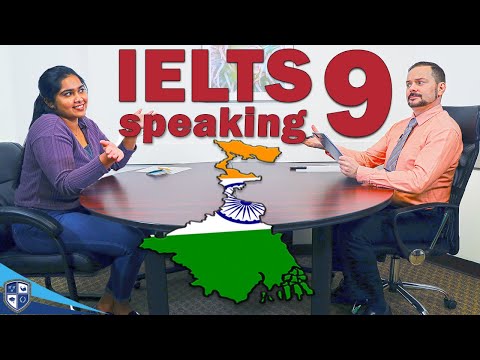
IELTS Speaking Band 9 Full Mark Answers - Complete Interview Kolkata India
0
林宜悉 posted on 2025/06/17Want to ace your IELTS Speaking test? This video features a full Band 9 sample interview conducted in Kolkata, India, complete with examiner feedback and practical tips for Part Two! You'll pick up advanced vocabulary and learn paraphrasing strategies that will boost your score.
Learn this video on the APP!
The VoiceTube App has more in-depth practice for videos!