
absorb
US /əbˈsɔrb, -ˈzɔrb/
UK /əb'sɔ:b/
- Transitive Verb
- To take up all attention / energy of something
- To take in a liquid; soak up
B1TOEICMoreactivate
US /ˈæktəˌvet/
UK /ˈæktɪveɪt/
- Transitive Verb
- To cause to happen; cause a chemical reaction
- To make something start working
B1Moreaffect
US /əˈfɛkt/
UK /ə'fekt/
- Transitive Verb
- To cause a change in something else
- To pretend to have or feel (something).
- Noun
- (Psychology) Emotion or feeling.
A2TOEICMorealcohol
US /ˈælkəˌhɔl,-ˌhɑl/
UK /'ælkəhɒl/
- Uncountable Noun
- A colorless liquid that can catch fire (C2H5OH)
- Drinks such as wine, whiskey, beer
B1Morealcoholic
US /ˌælkəˈhɔlɪk, -ˈhɑlɪk/
UK /ˌælkəˈhɒlɪk/
- Adjective
- Containing alcohol; that can make you drunk
- Relating to, containing, or caused by alcohol.
- Noun
- Person who drinks too much alcohol
- A drink containing alcohol.
B1Moreallow me
US
UK
- Phrase
- A polite way of offering to do something for someone.
- A formal way to ask for permission or to introduce oneself.
at risk
US
UK
- Phrase
- In danger; likely to be harmed
binge
US /bɪndʒ/
UK /bɪndʒ/
- Verb (Transitive/Intransitive)
- To eat or drink too much at one time
C1Morebloodstream
US /ˈblʌdˌstrim/
UK /ˈblʌdstri:m/
- Uncountable Noun
- Blood flowing through the circulatory system
C2Morebob
US /bɑ:b/
UK /bɒb/
- Intransitive Verb
- To move up and down repeatedly
- Proper Noun
- Person's name
B2Morebreak down
US /brek daʊn/
UK /breik daun/
- Phrasal Verb
- To forcibly break, destroy or make collapse
- (Machine) to stop working or become weaker
A1Morecarbon
US /ˈkɑrbən/
UK /'kɑ:bən/
- Uncountable Noun
- Chemical element with an atomic number of 6
B1Morecasual
US /ˈkæʒuəl/
UK /ˈkæʒuəl/
- Adjective
- Being careless or having little thought or effort
- (Of clothes, etc.) not formal; easy to wear
- Countable Noun
- A worker employed on a temporary or irregular basis.
- A job as a musician that is not regular or permanent.
A2Morecoma
US /ˈkoʊmə/
UK /ˈkəʊmə/
- Noun
- State of unconsciousness caused by injury, disease
B2Moreconfident
US /ˈkɑnfɪdənt/
UK /ˈkɒnfɪdənt/
- Adjective
- Feeling that you can do well at something
- Having a strong belief in the truth or certainty of something.
- Noun
- A person who is self-assured and believes in their abilities.
A2Moreconsciousness
US /ˈkɑnʃəsnɪs/
UK /'kɒnʃəsnəs/
- Uncountable Noun
- Process by which thoughts, ideas are processed
- A person's awareness or perception of something.
A2Moreconsume
US /kənˈsum/
UK /kən'sju:m/
- Transitive Verb
- To eat, drink, buy or use up something
- To take all your energy; focus the attention
A2TOEICMoredepend
US /dɪˈpend/
UK /dɪˈpend/
- Verb (Transitive/Intransitive)
- Be controlled or determined by (someone/something)
- To rely on someone or something for support, help, or existence.
B1TOEICMoredepending on
US
UK
- Phrasal Verb
- To rely on for support (financial or emotional)
- Influenced or determined by.
- Preposition
- Subject to; contingent on
- Relying on someone or something for support or assistance.
A2Moredioxide
US /daɪˈɑksaɪd/
UK /daɪˈɒksaɪd/
- Noun
- An oxide containing two oxides per molecule
B2Moredue to
US /du tu/
UK /dju: tu:/
- Preposition
- Because of; owing to
- Adjective
- Attributable to; caused by.
A1Moreeliminate
US /ɪˈlɪməˌnet/
UK /ɪ'lɪmɪneɪt/
- Transitive Verb
- To completely remove; to get rid of
- To remove from a contest by beating them
B1TOEICMoreexternal
US /ɪkˈstɚnəl/
UK /eksˈtə:nl/
- Adjective
- Concerning foreign countries
- Concerning the outside of something; outer
A2Morefeel happy
US
UK
- Intransitive Verb
- To experience a sense of joy, pleasure, or contentment.
A1Morefrontal
US /ˈfrʌntl:/
UK /ˈfrʌntl/
- Adjective
- Belonging to the forward part
- Relating to the front part of something, especially the front of the head or brain.
- Noun
- The bone that forms the front part of the skull above the eyes.
B1Morefunction
US /ˈfʌŋkʃən/
UK /'fʌŋkʃn/
- Noun
- Social event, or party such as a wedding
- Mathematical operation used in calculations
- Intransitive Verb
- To serve a certain purpose or role
- To be operating, working or achieving its purpose
A2TOEICMorehangover
US /ˈhæŋoʊvər/
UK /ˈhæŋəʊvə(r)/
- Noun
- Ill feeling from drinking too much alcohol
C1Moreimpact
US /ˈɪmˌpækt/
UK /'ɪmpækt/
- Noun
- A striking effect or result to hit with force
- Act or force of one thing hitting something else
- Verb (Transitive/Intransitive)
- To hit or strike someone or something with force
- To have a strong effect on someone or something.
A2TOEICMoreimpairment
US /ɪmˈpermənt/
UK /ɪmˈpeəmənt/
- Uncountable Noun
- Damage leading to lower strength or quality
- A loss of function or ability.
B2Moreintoxicate
US /ɪnˈtɑksɪˌket/
UK /ɪn'tɒksɪkeɪt/
- Transitive Verb
- To cause to lose control due to drugs or alcohol
- To make someone excited
C2Morelead to
US /lid tu/
UK /li:d tu:/
- Phrasal Verb
- To result in some action
- Verb (Transitive/Intransitive)
- To have something as a consequence or result.
A1Moreliver
US /ˈlɪvɚ/
UK /ˈlɪvə(r)/
- Noun (Countable/Uncountable)
- Organ from animals served as food
- Organ that absorbs food and cleans the blood
B1Morenegative
US /ˈnɛɡətɪv/
UK /'neɡətɪv/
- Noun
- The opposite to a positive electrical charge
- In grammar, containing words such as 'no' or 'not'
- Adjective
- Being harmful, unwanted or unhelpful
- In mathematics, being less than zero
A2Morenegatively
US /ˈnɛɡətɪvlɪ/
UK /'neɡətɪvlɪ/
- Adverb
- In a harmful, unwanted or unhelpful manner
B1Moreoccasion
US /əˈkeʒən/
UK /ə'keɪʒn/
- Noun
- Significant or important event or function
- Time when something happens or takes place
- Transitive Verb
- To make or cause something to happen; to lead to
A2TOEICMoreof age
US /əv eɪdʒ/
UK /əv eɪdʒ/
- other
- Having reached the legal age of adulthood.
A2Moreounce
US /aʊns/
UK /aʊns/
- Noun (Countable/Uncountable)
- Unit of weight equal to 1/16 pound or 28 grams
- (Often in negative) very small amount of something
B2Morepee
US /pi/
UK /pi:/
- Intransitive Verb
- To urinate
B2Morepermanent
US /ˈpɚmənənt/
UK /'pɜ:mənənt/
- Adjective
- Lasting forever; not temporary or changing
- Intended to last or remain for an unlimited period
- Noun
- A person who is a permanent employee.
- A chemical treatment to create lasting curls or waves in the hair.
B1TOEICMoreproperly
US /ˈprɑːpərli/
UK /ˈprɔpəlɪ/
- Adverb
- In an appropriate or correct manner
- In a way that is suitable or appropriate.
A2Morequit
US /kwɪt/
UK /kwɪt/
- Verb (Transitive/Intransitive)
- To leave a job
- To leave a place
- Intransitive Verb
- To leave a school etc. without finishing
B1Moreregion
US /ˈridʒən/
UK /'ri:dʒən/
- Noun (Countable/Uncountable)
- Part of a country, of the world, area, etc.
- A part of the body
A2TOEICMorespread
US /sprɛd/
UK /spred/
- Noun (Countable/Uncountable)
- A big meal, often laid out as a buffet
- The distance between two things
- Verb (Transitive/Intransitive)
- To place over a large area; to cover a large area
- (Of ideas, gossip) to pass to and affect others
A2TOEICMorestruggle
US /ˈstrʌɡəl/
UK /'strʌɡl/
- Verb (Transitive/Intransitive)
- To try very hard to do something difficult
- To fight or struggle violently
- Noun (Countable/Uncountable)
- Strong efforts made to do something difficult
- A difficult or challenging situation or task
A2Moresuffocate
US /ˈsʌfəˌket/
UK /ˈsʌfəkeɪt/
- Transitive Verb
- To (cause to) die from lack of air to breathe
- To stop a thing developing, e.g. by too many rules
C1TOEICMoresuspect
US /səˈspɛkt/
UK /sə'spekt/
- Noun
- Person thought to have committed a crime
- Transitive Verb
- To consider someone is the one guilty of a crime
- To doubt or lack trust
A2TOEICMoretalking about
US
UK
- Phrasal Verb
- To discuss a particular topic.
- To be constantly mentioning or bringing up a subject.
A1Moretemporal
US /ˈtɛmpərəl, ˈtɛmprəl/
UK /ˈtempərəl/
- Adjective
- Concerning time
- Relating to worldly affairs as opposed to spiritual affairs.
B2Moretoast
US /tost/
UK /təʊst/
- Noun (Countable/Uncountable)
- Bread grilled to make it brown and crisp
- An expression of goodwill or honor made by drinking to someone or something.
- Transitive Verb
- To grill bread to make it brown and crisp
- To make pleasantly warm.
B1Moretriangle
US /ˈtraɪˌæŋɡəl/
UK /ˈtraɪæŋgl/
- Noun
- Three people connected with each in a relationship
- A three-sided piece of metal used in orchestras
B1TOEICMoreunable
US /ʌnˈebəl/
UK /ʌnˈeɪbl/
- Adjective
- Not being able to do something
B1TOEICMorevomit
US /ˈvɑ:mɪt/
UK /ˈvɒmɪt/
- Noun (Countable/Uncountable)
- Food coming back up from stomach, due to illness
- Verb (Transitive/Intransitive)
- To bring (blood, etc.) up and out of mouth
B2More
Vocabulary
- talking about: To discuss a particular topic.
- depending on: To rely on for support (financial or emotional)
- allow me: A polite way of offering to do something for someone.
- break down: To forcibly break, destroy or make collapse
- feel happy: To experience a sense of joy, pleasure, or contentment.
- lead to: To result in some action
- at risk: In danger; likely to be harmed
- due to: Because of; owing to
- of age: Having reached the legal age of adulthood.
- struggle: To try very hard to do something difficult
- eliminate: To completely remove; to get rid of
- properly: In an appropriate or correct manner
- permanent: Lasting forever; not temporary or changing
- impact: A striking effect or result to hit with force
- dopamine: Drug used to treat shock and hypotension
- negative: The opposite to a positive electrical charge
- consider: To think carefully about something
- binge: To eat or drink too much at one time
- consume: To eat, drink, buy or use up something
- confident: Feeling that you can do well at something
- spread: A big meal, often laid out as a buffet
- casual: Being careless or having little thought or effort
- occasion: Significant or important event or function
- absorb: To take up all attention / energy of something
- affect: To cause a change in something else
- function: Social event, or party such as a wedding
- brain: To strike someone forcefully on the head
- suspect: Person thought to have committed a crime
- consciousness: Process by which thoughts, ideas are processed
- hippocampus: A part of the brain that is part of the limbic system and is important for memory
- external: Concerning foreign countries
- region: Part of a country, of the world, area, etc.
- vomit: Food coming back up from stomach, due to illness
- hangover: Ill feeling from drinking too much alcohol
- risk: To do something potentially dangerous or foolish
- lead: Wire for electricity, computer, etc.; cable
- break: To create a new record e.g. running the 100m dash
- mood: Emotion or a state of mind; how you feel
- alcohol: A colorless liquid that can catch fire (C2H5OH)
- fall: Season after summer and before winter; Autumn
- noggin: A human head
- activate: To cause to happen; cause a chemical reaction
- dioxide: An oxide containing two oxides per molecule
- depend: Be controlled or determined by (someone/something)
- coma: State of unconsciousness caused by injury, disease
- carbon: Chemical element with an atomic number of 6
- bloodstream: Blood flowing through the circulatory system
- manage: To survive hardships and difficulties; to cope
- continue: To do something without stopping, or after pausing
- ounce: Unit of weight equal to 1/16 pound or 28 grams
- liver: Organ from animals served as food
- impairment: Damage leading to lower strength or quality
- rise: To wake up and get out of bed after sleeping
- suffocate: To (cause to) die from lack of air to breathe
- quit: To leave a job
- start: First time or place that a thing exists; beginning
- feel: To be aware of or experience an emotion, sensation
- negatively: In a harmful, unwanted or unhelpful manner
- alcoholic: Containing alcohol; that can make you drunk
- temporal: Concerning time
- toast: Bread grilled to make it brown and crisp
- pee: To urinate
- frontal: Belonging to the forward part
- bob: To move up and down repeatedly
- unable: Not being able to do something
- triangle: Three people connected with each in a relationship
- intoxicate: To cause to lose control due to drugs or alcohol
Get the full experience in the app
Learn anywhere with detailed sentence and usage analysis
01:03
She took a brave step forward, leaving behind her comfort zone to chase her dreams.
Vocabulary
- brave
adj. Having courage
- comfort zone
phr. A familiar situation where one feels safe
Explanation
a brave step is a noun phrase, where brave is an adjective modifying the noun step, meaning "a courageous step".
forward is an adverb modifying step, meaning "ahead".
The whole phrase serves as the object, answering the "what" of took (verb) — she took a brave step forward.
Get the full experience in the app
Look up words anytime with pronunciation, part of speech, and usage
brave
US/brev/
UK/breɪv/
adj.Brave
v.t.To bravely face
A2 Elementary
Get the full experience in the app
Practice speaking anytime and get instant pronunciation feedback
Try this speaking exercise.
Try practicing with this sentence.
80
0
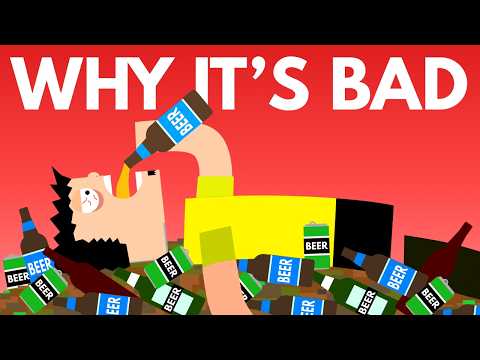
林宜悉 posted on 2025/06/17Ever wondered what actually happens in your body right after a night of binge drinking? This video breaks down the science behind blood alcohol content, metabolism, and even those dreaded blackouts, making it a fantastic way to boost your knowledge and pick up some advanced vocabulary!
Learn this video on the APP!
The VoiceTube App has more in-depth practice for videos!