
actionable
US /ˈækʃənəbəl/
UK /ˈækʃənəbl/
- Adjective
- Something you can act on
- That can be prosecuted in a court of law
B1Moreafter all
US /ˈæftɚ ɔl/
UK /ˈɑ:ftə ɔ:l/
- Adverb
- In spite of what was expected; used to introduce a statement that supports a previous statement or explains why it was made
- Considering everything; used to indicate that something is happening or is true despite some difficulty or obstacle
- Phrase
- Despite what was expected or thought; in spite of everything.
- Taking everything into consideration; considering that.
B1Morealso known as
US
UK
- Phrase
- Also called; alternatively named.
- Identified by another term; synonymous with.
A1Moreanatomy
US /əˈnætəmi/
UK /əˈnætəmi/
- Uncountable Noun
- Scientific study of the structure of (human) body
B2Moreancestry
US /ˈænˌsɛstri/
UK /ˈænsestri/
- Noun
- Family or race from which a person is descended
B2Moreanswer for
US /ˈænsɚ fər/
UK /ˈɑ:nsə fə/
- other
- Be responsible for and explain one's actions.
C1Moreapart from
US /əˈpɑrt frʌm/
UK /əˈpɑ:t frɔm/
- Preposition
- Except for; not considering
- In addition to; as well as
appendix
US /əˈpɛndɪks/
UK /ə'pendɪks/
- Noun
- Additional information at the end of a document
- Part of the body attached to the stomach
B1Moreat the end of the day
US
UK
- Phrase
- Ultimately; when everything else is considered.
- After a day's work or activities.
A1Moreattend
US /əˈtɛnd/
UK /əˈtend/
- Transitive Verb
- To take care of someone in need
- Verb (Transitive/Intransitive)
- To listen or watch carefully; to concentrate
- To be present at an event
B1TOEICMoreaverage
US /ˈævərɪdʒ, ˈævrɪdʒ/
UK /'ævərɪdʒ/
- Noun (Countable/Uncountable)
- Total of numbers divided by the number of items
- Transitive Verb
- To add numbers then divide by the number of items
A2TOEICMoreaxon
US /'æksɑ:n/
UK /'æksɒn/
- Noun
- Long nerve fiber that leads away from a neuron
C1Morebroad
US /brɔd/
UK /brɔ:d/
- Adjective
- General; not detailed
- Wide; from the shorter two sides to the other
A2Morecardiac
US /ˈkɑ:rdiæk/
UK /ˈkɑ:diæk/
- Adjective
- Concerning the heart
B2Morecomplex
US /kəmˈplɛks, ˈkɑmˌplɛks/
UK /'kɒmpleks/
- Countable Noun
- Group of buildings all used for the same purpose
- Adjective
- Not being simple; having many parts or aspects
A2Moreconcept
US /ˈkɑnˌsɛpt/
UK /'kɒnsept/
- Noun (Countable/Uncountable)
- Abstract idea of something or how it works
- A plan or intention; a conception.
A2TOEICMorecorrect
US /kəˈrɛkt/
UK /kə'rekt/
- Adjective
- Being suitable and appropriate for an occasion
- True or accurate
- Transitive Verb
- To fix a problem
- To write marks on a piece of work to show mistakes
A2Morecritical
US /ˈkrɪtɪkəl/
UK /ˈkrɪtɪkl/
- Adjective
- Making a negative judgment of something
- Being important or serious; vital; dangerous
A2Moredecrease
US /dɪˈkris/
UK /dɪˈkri:s/
- Verb (Transitive/Intransitive)
- To reduce the size, amount or number of something
- Uncountable Noun
- Amount by which something has been reduced
B1TOEICMoredetriment
US /ˈdɛtrəmənt/
UK /ˈdetrɪmənt/
- Uncountable Noun
- Harm; damage
B2Moreeliminate
US /ɪˈlɪməˌnet/
UK /ɪ'lɪmɪneɪt/
- Transitive Verb
- To completely remove; to get rid of
- To remove from a contest by beating them
B1TOEICMoreencounter
US /ɛnˈkaʊntɚ/
UK /ɪn'kaʊntə(r)/
- Verb (Transitive/Intransitive)
- To come up against a problem or trouble; meet
- To meet someone or something unexpectedly
- Noun
- A chance meeting; unexpected or unplanned meeting
B1TOEICMoreensure
US /ɛnˈʃʊr/
UK /ɪn'ʃʊə(r)/
- Transitive Verb
- To make something sure, certain, or safe
A2TOEICMoreequation
US /ɪˈkweʒən, -ʃən/
UK /ɪˈkweɪʒn/
- Noun (Countable/Uncountable)
- Mathematical statement showing things to be equal
- Complex set of different facts, ideas or issues
B1Moreevolution
US /ˌɛvəˈluʃən, ˌivə-/
UK /ˌi:və'lu:ʃn/
- Uncountable Noun
- Theory that living things change over time
- Process by which something develops over time
B1Moreevolutionary
US /ˌiːvəˈluːʃəneri/
UK /ˌi:vəˈlu:ʃənri/
- Adjective
- Concerning gradual change over time
B2Moreexertion
US /ɪɡˈzə:ʃən/
UK /ɪgˈzɜ:ʃn/
- Uncountable Noun
- Use of physical or mental energy; hard work
B2TOEICMorefill in
US /fɪl ɪn/
UK /fil in/
- Phrasal Verb
- To put earth in e.g. a hole
- To explain the context so that someone understands
- Verb (Transitive/Intransitive)
- To write or type information in a blank space.
- To temporarily do someone else's job.
A1Morefor example
US
UK
- Phrase
- As an illustration or instance.
foundational
US /faʊn'deɪʃənəl/
UK /faʊn'deɪʃənəl/
- Adjective
- Being the base or important starting point
C1Morehave to
US /hæv tu/
UK /ˈhæv tə/
- Auxiliary Verb
- Must do
A1Morehierarchical
US /ˌhaɪəˈrɑ:rkɪkl/
UK /ˌhaɪəˈrɑ:kɪkl/
- Adjective
- Separating into varying levels of importance
B1Moreimpair
US /ɪmˈpɛr/
UK /ɪm'peə(r)/
- Transitive Verb
- To damage or weaken something
B2TOEICMoreinstead of
US /ɪnˈstɛd ʌv/
UK /inˈsted ɔv/
- Preposition
- When one thing is replaced by another
- Adverb
- As a substitute or alternative.
A1Morekick in
US /kɪk ɪn/
UK /kik in/
- Phrasal Verb
- (Of a medicine, plan, etc.) to start to have an effect; become operative
- To contribute money to a common fund or purpose.
A1Morelike cats and dogs
US /laɪk kæts ən dɔgz/
UK /laɪk kæts ən dɒgz/
- other
- Constantly quarrelling or fighting strongly.
B1Moremaintain
US /menˈten/
UK /meɪn'teɪn/
- Transitive Verb
- To keep saying something a certain way
- To keep (machine) working by checking, repairing
A2TOEICMoremechanism
US /ˈmɛkəˌnɪzəm/
UK /'mekənɪzəm/
- Noun (Countable/Uncountable)
- Part of a machine that performs a certain function
- System or process for achieving a certain result
B1Morememorization
US /ˌmemə'rɪzeɪʃən/
UK /ˌmemə'rɪzeɪʃən/
- Uncountable Noun
- Conscious learning of something e.g. words
B1Moreneuron
US /ˈnʊrˌɑn, ˈnjʊr-/
UK /ˈnʊərˌɔn, ˈnjʊər-/
- Noun
- A nerve cell
B2Moreno matter
US
UK
- Conjunction
- Regardless of; it does not matter.
- Adverb
- Regardless of; it is not important
A1Moreoption
US /ˈɑpʃən/
UK /'ɒpʃn/
- Noun (Countable/Uncountable)
- A choice
- A right to buy or sell something at a particular price within a particular period.
A2TOEICMoreover time
US /ˈovɚ taɪm/
UK /ˈəuvə taim/
- Phrase
- Gradually; as time passes.
- During a long period.
- Adverb
- Gradually; as time passes.
B1Moreoverwhelming majority
US
UK
- Phrase
- A very large majority; a majority that is so large as to be almost unanimous.
C1Morepanic
US /ˈpænɪk/
UK /'pænɪk/
- Uncountable Noun
- Overwhelming feeling of fear and anxiety
- Intransitive Verb
- To feel sudden anxiety and fear and cannot think
B1Moreplug in
US /plʌɡ ɪn/
UK /plʌɡ in/
- Phrase
B1Morepotassium
US /pəˈtæsiəm/
UK /pəˈtæsiəm/
- Uncountable Noun
- A common, soft, silvery white metal with many uses
- Potassium as a nutrient found in food.
B2Morepotential
US /pəˈtɛnʃəl/
UK /pəˈtenʃl/
- Adjective
- Capable of happening or becoming reality
- Having or showing the capacity to develop into something in the future.
- Uncountable Noun
- someone's or something's ability to develop, achieve, or succeed
A2TOEICMorepractice
US /ˈpræktɪs/
UK /'præktɪs/
- Noun
- The office and place for legal or medical work
- Doing something many times to become better at it
- Verb (Transitive/Intransitive)
- To work as a doctor or lawyer
- To live according to the teachings of a religion
A2TOEICMorepressure
US /ˈprɛʃɚ/
UK /'preʃə(r)/
- Noun (Countable/Uncountable)
- Anxiety caused by difficult problems
- Force, weight when pressing against a thing
- Transitive Verb
- To apply force to something
- To persuade or force someone to do something
A2TOEICMorepropagation
US /ˌprɑpəˈɡeʃən/
UK /ˌprɒpə'ɡeɪʃn/
- Uncountable Noun
- Spreading of something (a belief or practice)
- Act of producing a new plant from an existing one
B2TOEICMorerefractory
US /rɪˈfræktəri/
UK /rɪˈfræktəri/
- Adjective
- Not responding to treatment
C2TOEICMoreregardless of
US /rɪˈɡɑrdlɪs ʌv/
UK /riˈɡɑ:dlis ɔv/
- Phrase
- Preposition
- Without being affected or influenced by something; despite.
A2Morerotation
US /roʊˈteɪʃn/
UK /rəʊˈteɪʃn/
- Uncountable Noun
- Regular change of the crops grown in a field
- Group who take turns performing a certain task
B2Moresettle for
US /ˈsɛtl fɔr/
UK /ˈsetl fɔ:/
- Phrasal Verb
- To accept something although not satisfied with it
A2Moreshortness
US /ʃɔ:tnəs/
UK /ʃɔ:tnəs/
- Uncountable Noun
- Condition or state of being short
B1Morespecific
US /spɪˈsɪfɪk/
UK /spəˈsɪfɪk/
- Adjective
- Precise; particular; just about that thing
- Concerning one particular thing or kind of thing
A2Morestroke
US /strok/
UK /strəʊk/
- Noun (Countable/Uncountable)
- When blood cannot get to brain, causing damage
- Mark made by a pen, pencil or brush
- Transitive Verb
- To rub your hand in a caring way on something
B1Morestump
US /stʌmp/
UK /stʌmp/
- Intransitive Verb
- To campaign by making political speeches
- Transitive Verb
- To be too difficult for; baffle or perplex
B2TOEICMoresuch as
US /sʌtʃ æz/
UK /sʌtʃ æz/
- Preposition
- For example; like
A1Moretactic
US /ˈtæktɪk/
UK /'tæktɪk/
- Countable Noun
- One of the ways you attempt to achieve a strategy
B2Moretakeaway
US /ˈtekəˌwe/
UK /ˈteɪkəweɪ/
- Noun (Countable/Uncountable)
- Employee benefit deleted in union contract
- A meal bought at a restaurant but eaten elsewhere.
C2Moretalking about
US
UK
- Phrasal Verb
- To discuss a particular topic.
- To be constantly mentioning or bringing up a subject.
A1Moretechnique
US /tɛkˈnik/
UK /tekˈni:k/
- Noun (Countable/Uncountable)
- Way of doing by using special knowledge or skill
- The skill or ability to do something well.
A2TOEICMorethe following
US
UK
- Adjective
- Next in order or sequence.
- Uncountable Noun
- What is about to be said or written.
B1Morethink about
US /θɪŋk əˈbaʊt/
UK /θiŋk əˈbaut/
- Phrasal Verb
- To consider something carefully.
- To remember or call to mind.
A1Morethink back
US /θɪŋk bæk/
UK /θiŋk bæk/
- Phrasal Verb
- To recapture the past
A1Morethreshold
US /ˈθrɛʃˌold, -ˌhold/
UK /'θreʃhəʊld/
- Noun
- Degree or level at which something begins
- A strip of wood, metal, or stone forming the bottom of a doorway and crossed in entering a house or room.
B2Moretweak
US /twik/
UK /twi:k/
- Transitive Verb
- To make a small change or adjustment
- To pinch or pull (something) sharply.
- Countable Noun
- A small change or adjustment
C1Moreunfamiliar
US /ˌʌnfəˈmɪljɚ/
UK /ˌʌnfəˈmɪliə(r)/
- Adjective
- Unusual; strange or unknown
B1Morevolume
US /ˈvɑljum, -jəm/
UK /ˈvɒlju:m/
- Noun (Countable/Uncountable)
- Number or amount of something e.g. sales
- Amount of space that something takes up
- Countable Noun
- One book that is part of a set of books
A2Moreworsen
US /ˈwə:sən/
UK /'wɜ:sn/
- Verb (Transitive/Intransitive)
- To make or become worse
B2More
Vocabulary
- talking about: To discuss a particular topic.
- answer for: Be responsible for and explain one's actions.
- kick in: (Of a medicine, plan, etc.) to start to have an effect; become operative
- at the end of the day: Ultimately; when everything else is considered.
- instead of: When one thing is replaced by another
- like cats and dogs: Constantly quarrelling or fighting strongly.
- over time: Gradually; as time passes.
- after all: In spite of what was expected; used to introduce a statement that supports a previous statement or explains why it was made
- no matter: Regardless of; it does not matter.
- such as: For example; like
- apart from: Except for; not considering
- for example: As an illustration or instance.
- plug in
- the following: Next in order or sequence.
- overwhelming majority: A very large majority; a majority that is so large as to be almost unanimous.
- also known as: Also called; alternatively named.
- regardless of
- fill in: To put earth in e.g. a hole
- settle for: To accept something although not satisfied with it
- think back: To recapture the past
- think about: To consider something carefully.
- have to: Must do
- specific: Precise; particular; just about that thing
- potential: Capable of happening or becoming reality
- critical: Making a negative judgment of something
- eliminate: To completely remove; to get rid of
- technique: Way of doing by using special knowledge or skill
- panic: Overwhelming feeling of fear and anxiety
- practice: The office and place for legal or medical work
- concept: Abstract idea of something or how it works
- average: Total of numbers divided by the number of items
- encounter: To come up against a problem or trouble; meet
- complex: Group of buildings all used for the same purpose
- pressure: Anxiety caused by difficult problems
- increase: To make or become larger in size or amount
- evolutionary: Concerning gradual change over time
- threshold: Degree or level at which something begins
- stroke: When blood cannot get to brain, causing damage
- mechanism: Part of a machine that performs a certain function
- mean: Average of a set of numbers
- maintain: To keep saying something a certain way
- draw: To attract attention to someone or something
- similar: Nearly the same; alike
- explain: To make clear or easy to understand by describing
- tactic: One of the ways you attempt to achieve a strategy
- apply: To spread a substance or liquid over a surface
- impair: To damage or weaken something
- evolution: Theory that living things change over time
- volume: Number or amount of something e.g. sales
- reason: To think and make conclusions in a logical manner
- option: A choice
- rate: To assess something or consider its qualities
- neuron: A nerve cell
- equation: Mathematical statement showing things to be equal
- anatomy: Scientific study of the structure of (human) body
- correct: Being suitable and appropriate for an occasion
- ensure: To make something sure, certain, or safe
- broad: General; not detailed
- cardiac: Concerning the heart
- decrease: To reduce the size, amount or number of something
- tweak: To make a small change or adjustment
- pull: Act of breathing in smoke, as from a pipe
- rotation: Regular change of the crops grown in a field
- question: To ask for or try to get information
- potassium: A common, soft, silvery white metal with many uses
- attend: To take care of someone in need
- stump: To campaign by making political speeches
- exertion: Use of physical or mental energy; hard work
- understand: To know the meaning of language, what someone says
- choice: Decision between two or more possibilities
- think: To have an idea about something without certainty
- return: To hit something back to the other player or team
- knowledge: Information, understanding, or skill
- detriment: Harm; damage
- unfamiliar: Unusual; strange or unknown
- takeaway: Employee benefit deleted in union contract
- hierarchical: Separating into varying levels of importance
- ancestry: Family or race from which a person is descended
- actionable: Something you can act on
- worsen: To make or become worse
- appendix: Additional information at the end of a document
- memorization: Conscious learning of something e.g. words
- foundational: Being the base or important starting point
- axon: Long nerve fiber that leads away from a neuron
- refractory: Not responding to treatment
- propagation: Spreading of something (a belief or practice)
- shortness: Condition or state of being short
Get the full experience in the app
Learn anywhere with detailed sentence and usage analysis
01:03
She took a brave step forward, leaving behind her comfort zone to chase her dreams.
Vocabulary
- brave
adj. Having courage
- comfort zone
phr. A familiar situation where one feels safe
Explanation
a brave step is a noun phrase, where brave is an adjective modifying the noun step, meaning "a courageous step".
forward is an adverb modifying step, meaning "ahead".
The whole phrase serves as the object, answering the "what" of took (verb) — she took a brave step forward.
Get the full experience in the app
Look up words anytime with pronunciation, part of speech, and usage
brave
US/brev/
UK/breɪv/
adj.Brave
v.t.To bravely face
A2 Elementary
Get the full experience in the app
Practice speaking anytime and get instant pronunciation feedback
Try this speaking exercise.
Try practicing with this sentence.
80
The Study Secret They DON'T Teach in School (Outthink Your Peers)
0
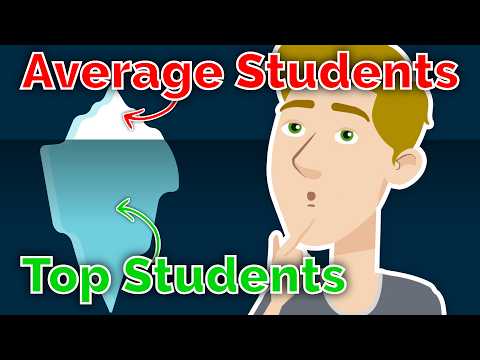
林宜悉 posted on 2025/06/17Ever wonder how some students just seem to ace everything? This video reveals the study secrets they don't teach in school, using the powerful Feynman Technique to help you outthink your peers! You'll pick up essential clinical reasoning and exam strategies, plus advanced vocabulary perfect for medical students.
Learn this video on the APP!
The VoiceTube App has more in-depth practice for videos!