
angle
US /ˈæŋɡəl/
UK /ˈæŋgl/
- Noun
- Place where two lines or surfaces meet
B1TOEICMoreangular
US /ˈæŋɡjəlɚ/
UK /ˈæŋgjələ(r)/
- Adjective
- Having one or more sharp angles
B2Moreaperture
US /ˈæpətʃɚ/
UK /ˈæpətʃə(r)/
- Noun
- Hole or opening controlling e.g. light on a lens
C1Moreapproximation
US /əˌprɑksəˈmeʃən/
UK /əˌprɒksɪˈmeɪʃn/
- Noun
- Something that is similar, but not an exact copy
B2Morearrow
US /ˈæroʊ/
UK /ˈærəʊ/
- Noun
- Symbol used on road signs to show direction
- A long pointed piece of wood shot from a bow
B1Moreas soon as
US /æz sun æz/
UK /æz su:n æz/
- Phrase
- In a short time after (something happens)
- Without any delay; immediately
- Conjunction
- At the moment that, or immediately after.
A1Moreassumption
US /əˈsʌmpʃən/
UK /ə'sʌmpʃn/
- Noun (Countable/Uncountable)
- Something you believe to be so, but aren't sure of
A2Morecalculate
US /ˈkælkjəˌlet/
UK /'kælkjʊleɪt/
- Transitive Verb
- To find an answer using mathematics
- To make an educated guess about something
B2Morecarry out
US /ˈkæri aʊt/
UK /ˈkæri aut/
- Phrasal Verb
- To fulfill or perform your instructions, duty
- Verb (Transitive/Intransitive)
- To perform or execute a task, order, or plan.
- To remove something or someone from a place.
A1Morecoefficient
US /ˌkoʊɪˈfɪʃnt/
UK /ˌkəʊɪˈfɪʃnt/
- Adjective
- Number by which another number is multiplied
B2Moreconceptual
US /kənˈsɛptʃuəl/
UK /kənˈseptʃuəl/
- Adjective
- Including concepts or the forming of concepts
B1Moreconservation
US /ˌkɑ:nsərˈveɪʃn/
UK /ˌkɒnsəˈveɪʃn/
- Uncountable Noun
- Protecting the environment or a species
- Act of keeping in reserve
B1Moreconstant
US /ˈkɑnstənt/
UK /'kɒnstənt/
- Adjective
- Happening frequently or without pause
- Remaining the same over time or not changing.
- Noun
- Thing that happens always or at a regular rate
- A physical quantity that is believed to have a fixed value and is used in calculations.
A2TOEICMorecoordinate
US /ko'ɔrdəˈnet/
UK /kəʊ'ɔ:dɪneɪt/
- Transitive Verb
- To match styles or colors that go well together
- To cause body parts to move smoothly together
- Noun
- Point on a map defining a location e.g. 135N, 34W
- A matching set of clothes.
B1Morecouple
US /ˈkʌpəl/
UK /'kʌpl/
- Transitive Verb
- To join something to something else
- (Two animals) to engage in sexual relations
- Noun (Countable/Uncountable)
- Two people in a romantic relationship
- Two of something; two people; a pair
A2Moredeal with
US /dil wɪð/
UK /di:l wið/
- Verb (Transitive/Intransitive)
- To buy or sell goods or services.
- Phrasal Verb
- To take action to solve a problem or manage a situation.
- To be about; concern.
A1Moredefine
US /dɪˈfaɪn/
UK /dɪ'faɪn/
- Transitive Verb
- To explain the meaning of words
- To set or mark the limits of something
A2TOEICMorediffraction
US /dɪ'frækʃn/
UK /dɪ'frækʃn/
- Uncountable Noun
- Bending light, etc. around something/through a hole
C1Moredistance
US /ˈdɪstəns/
UK /'dɪstəns/
- Uncountable Noun
- Lack of friendliness toward another person
- Noun (Countable/Uncountable)
- Amount of space between two places or things
- A point or place that is far away.
A2Moredivide
US /dɪˈvaɪd/
UK /dɪ'vaɪd/
- Verb (Transitive/Intransitive)
- To split numbers by another number, e.g. 6 / 2 = 3
- To separate something into equal pieces
- Noun
- A separation or distinction.
A2TOEICMoredummy
US /ˈdʌmi/
UK /'dʌmɪ/
- Adjective
- Being a cover for or serving as a front for
- Noun (Countable/Uncountable)
- Life-size doll made to look like a person
- Sample or trial of a process or object
B2Moreerase
US /ɪˈreɪs/
UK /ɪˈreɪz/
- Transitive Verb
- To remove data in computer memory, tape, etc.
- To remove written information by mistake
B2TOEICMoreevolve
US /ɪˈvɑlv/
UK /ɪ'vɒlv/
- Verb (Transitive/Intransitive)
- To develop certain features
- To develop or change slowly over time
B1Moreextra
US /'ekstrə/
UK /'ekstrə/
- Adjective
- More than necessary; additional
- Of especially good quality or grade.
- Noun (Countable/Uncountable)
- Items more than you need; additional items
- Person who has a small part in a movie
A2Morefactor
US /ˈfæktɚ/
UK /'fæktə(r)/
- Noun
- Something that influences a result
- Transitive Verb
- To consider or include in an estimate or judgment
- To find the two numbers a number can be divided by
A2TOEICMorefigure out
US /ˈfɪɡjɚ aʊt/
UK /ˈfiɡə aut/
- Phrasal Verb
- To understand the behavior of someone
- To think through logically to find a solution
- Verb (Transitive/Intransitive)
- To understand or find an answer to something.
- To find a solution to a problem or understand something.
A1Morefor example
US
UK
- Phrase
- As an illustration or instance.
for now
US /fɔr naʊ/
UK /fɔ: nau/
- Phrase
- Temporarily; for the present time.
- In the short term; for the immediate future.
A1Morefrequency
US /ˈfrikwənsi/
UK /'fri:kwənsɪ/
- Uncountable Noun
- Number of repetitions of (radio or sound) wave
- How often something happens
B1TOEICMorefunction
US /ˈfʌŋkʃən/
UK /'fʌŋkʃn/
- Noun
- Social event, or party such as a wedding
- Mathematical operation used in calculations
- Intransitive Verb
- To serve a certain purpose or role
- To be operating, working or achieving its purpose
A2TOEICMoreget back to
US /ɡɛt bæk tu/
UK /ɡet bæk tu:/
- Phrasal Verb
- To get in contact with someone again
- To return to someone or something; to respond at a later time.
A1Moregrant
US /ɡrænt/
UK /ɡrɑ:nt/
- Transitive Verb
- To admit an opinion is true but not fully agreeing
- To give or let someone do what they want
- Uncountable Noun
- Money given for education or research
A2TOEICMorehave to
US /hæv tu/
UK /ˈhæv tə/
- Auxiliary Verb
- Must do
A1Moreignore
US /ɪɡˈnɔr, -ˈnor/
UK /ɪɡ'nɔ:(r)/
- Transitive Verb
- To not listen to, look at, or pay attention to
A2TOEICMoreilluminated
US /ɪˈlʊməˌnetɪd/
UK /ɪˈlu:mɪneɪtɪd/
- Transitive Verb
- To supply light to something
- To make something easier to understand
- Adjective
- Decorated with gold or silver; often used to describe manuscripts.
B1Morein general
US /ɪn ˈdʒɛnərəl/
UK /in ˈdʒenərəl/
- Phrase
- Typically; usually; on the whole.
- Not specific or detailed; broadly.
- Adjective
- Not detailed or specific; overall.
C2Morein other words
US
UK
- Phrase
- Stating something in a different way, often to make it clearer or more understandable.
in terms of
US
UK
- Phrase
- With regard to; concerning a particular aspect.
A1Moreintegral
US /ˈɪntɪɡrəl, ɪnˈtɛɡrəl/
UK /ˈɪntɪgrəl/
- Adjective
- Being an essential part of something; necessary
- Being an essential part of something.
- Noun
- A function whose derivative is a given function.
B1Moreintegrate
US /ˈɪntɪˌɡret/
UK /ˈɪntɪgreɪt/
- Transitive Verb
- To combine together; make into one thing
- To bring (people or groups with particular characteristics or needs) into equal participation in or membership of a social group or institution.
A2Moreinterpret
US /ɪnˈtɚprɪt/
UK /ɪn'tɜ:prɪt/
- Verb (Transitive/Intransitive)
- To express so that others understand it
- To translate what is said into another language
A2TOEICMoreinverse
US / ˈɪnˌvə:s/
UK /ɪnˈvɜ:s /
- Adjective
- Being the opposite of something else
- Noun
- Thing that is the complete opposite of another
B2Moreinvolve
US /ɪnˈvɑlv/
UK /ɪn'vɒlv/
- Transitive Verb
- To have or be included as a part of something
- To cause (a person or group) to take part in an event or activity.
A2TOEICMorelambda
US /'læmdə/
UK /ˈlæmdə/
- Noun
- 11th letter of the Greek alphabet
C1Moremultiply
US /ˈmʌltəˌplaɪ/
UK /ˈmʌltɪplaɪ/
- Verb (Transitive/Intransitive)
- To increase in number by reproducing/having babies
- To increase something by a large quantity
B1Moremy personal favorite
US
UK
- Phrase
- Something that I like more than other things.
A1Morenaught
US /nɔt/
UK /nɔ:t/
- Uncountable Noun
- Quantity of no importance, nonexistence
B2Morenormalize
US /ˈnɔ:rməlaɪz/
UK /ˈnɔ:məlaɪz/
- Transitive Verb
- To make something normal or regular
B2Moreoptical
US /ˈɑptɪkəl/
UK /ˈɒptɪkl/
- Adjective
- Concerning vision or helping people see
B1Morepattern
US /ˈpætən/
UK /'pætn/
- Noun (Countable/Uncountable)
- Model to follow in making or doing something
- Colors or shapes which are repeated on objects
- Transitive Verb
- To copy the way something else is made
- To decorate with a pattern.
A2TOEICMorepropagation
US /ˌprɑpəˈɡeʃən/
UK /ˌprɒpə'ɡeɪʃn/
- Uncountable Noun
- Spreading of something (a belief or practice)
- Act of producing a new plant from an existing one
B2TOEICMorerectangle
US /ˈrɛkˌtæŋɡəl/
UK /ˈrektæŋgl/
- Noun
- Four-sided geometrical shape with all right angles
B1TOEICMorespectrum
US /ˈspɛktrəm/
UK /'spektrəm/
- Noun
- The wavelengths of colors from red to violet
- a range of different positions, opinions, etc. between two extreme points
B1Morestick with
US /stɪk wɪð/
UK /stik wið/
- Phrasal Verb
- To continue to support or stay loyal to someone or something.
- To continue doing or using something; to persevere.
A1Morestuff
US /stʌf/
UK /stʌf/
- Uncountable Noun
- Generic description for things, materials, objects
- Transitive Verb
- To push material inside something, with force
B1Moretalking about
US
UK
- Phrasal Verb
- To discuss a particular topic.
- To be constantly mentioning or bringing up a subject.
A1Moreterribly
US /ˈtɛrəbli/
UK /ˈterəbli/
- Adverb
- To an extreme degree; badly; very
- Very; extremely
B1Moretheta
US /ˈθetə, ˈθi-/
UK /ˈθi:tə/
- Noun
- 8th letter of the Greek alphabet
C1Moretransform
US /trænsˈfɔrm/
UK /træns'fɔ:m/
- Transitive Verb
- To change the shape completely in a good way
- To convert from one form or substance into another.
C2Moretransformation
US /ˌtrænsfərˈmeɪʃn/
UK /ˌtrænsfəˈmeɪʃn/
- Noun (Countable/Uncountable)
- A complete change in shape or form of something
C2Moreturn into
US /tɚn ˈɪntu/
UK /tə:n ˈɪntuː/
- Phrasal Verb
- To change to become something else
- To change your direction to go into a place
A1Morewanna
US /ˈwɑnə/
UK /'wɒnə/
- Verb (Transitive/Intransitive)
- Shortened form of 'want to'. Used only in speaking
B2Morewith it
US /wɪð ɪt/
UK /wið it/
- Adjective
- Intelligent, alert, and up-to-date.
- Understanding and knowledgeable about current trends or information.
A1Morework out
US /wɚk aʊt/
UK /wə:k aut/
- Phrasal Verb
- To find a way to do something, by thinking
A1More
Vocabulary
- figure out: To understand the behavior of someone
- deal with
- in terms of
- in other words: Stating something in a different way, often to make it clearer or more understandable.
- have to: Must do
- talking about: To discuss a particular topic.
- stick with: To continue to support or stay loyal to someone or something.
- for example: As an illustration or instance.
- in general: Typically; usually; on the whole.
- with it: Intelligent, alert, and up-to-date.
- for now: Temporarily; for the present time.
- carry out
- my personal favorite: Something that I like more than other things.
- turn into: To change to become something else
- work out
- as soon as: In a short time after (something happens)
- get back to: To get in contact with someone again
- stuff: Generic description for things, materials, objects
- figure: To appear in a game, play or event
- constant: Happening frequently or without pause
- pattern: Model to follow in making or doing something
- evolve: To develop certain features
- spectrum: The wavelengths of colors from red to violet
- interpret: To express so that others understand it
- integrate: To combine together; make into one thing
- assumption: Something you believe to be so, but aren't sure of
- divide: To split numbers by another number, e.g. 6 / 2 = 3
- field: Area of study, such as physics or biology
- function: Social event, or party such as a wedding
- deal: To cope with something - usually troubles
- ignore: To not listen to, look at, or pay attention to
- form: Sports team or person's current winning record
- define: To explain the meaning of words
- factor: Something that influences a result
- extra: More than necessary; additional
- apply: To spread a substance or liquid over a surface
- involve: To have or be included as a part of something
- integral: Being an essential part of something; necessary
- grant: To admit an opinion is true but not fully agreeing
- coordinate: To match styles or colors that go well together
- distance: Lack of friendliness toward another person
- couple: To join something to something else
- equal: Same in shape, size, or number
- wanna: Shortened form of 'want to'. Used only in speaking
- favorite: A thing that someone likes best or enjoys most
- frequency: Number of repetitions of (radio or sound) wave
- transform: To change the shape completely in a good way
- simple: Not hard to understand or do; not complex
- multiply: To increase in number by reproducing/having babies
- conservation: Protecting the environment or a species
- optical: Concerning vision or helping people see
- front: Behavior not showing a person's true feelings
- dummy: Being a cover for or serving as a front for
- quick: Using very little time; moving far in little time
- interesting: Taking your attention; making you want to know
- interested: Having had your attention taken; curious
- electromagnetic: Having magnetic and electrical parts
- case: Container used to carry things, e.g. clothes
- rectangle: Four-sided geometrical shape with all right angles
- arrow: Symbol used on road signs to show direction
- angle: Place where two lines or surfaces meet
- want: To desire or wish for something; hope for a thing
- erase: To remove data in computer memory, tape, etc.
- calculate: To find an answer using mathematics
- terribly: To an extreme degree; badly; very
- conceptual: Including concepts or the forming of concepts
- transformation: A complete change in shape or form of something
- illuminated: To supply light to something
- inverse: Being the opposite of something else
- angular: Having one or more sharp angles
- normalize: To make something normal or regular
- naught: Quantity of no importance, nonexistence
- aperture: Hole or opening controlling e.g. light on a lens
- approximation: Something that is similar, but not an exact copy
- coefficient: Number by which another number is multiplied
- propagation: Spreading of something (a belief or practice)
- diffraction: Bending light, etc. around something/through a hole
- theta: 8th letter of the Greek alphabet
- lambda: 11th letter of the Greek alphabet
Get the full experience in the app
Learn anywhere with detailed sentence and usage analysis
01:03
She took a brave step forward, leaving behind her comfort zone to chase her dreams.
Vocabulary
- brave
adj. Having courage
- comfort zone
phr. A familiar situation where one feels safe
Explanation
a brave step is a noun phrase, where brave is an adjective modifying the noun step, meaning "a courageous step".
forward is an adverb modifying step, meaning "ahead".
The whole phrase serves as the object, answering the "what" of took (verb) — she took a brave step forward.
Get the full experience in the app
Look up words anytime with pronunciation, part of speech, and usage
brave
US/brev/
UK/breɪv/
adj.Brave
v.t.To bravely face
A2 Elementary
Get the full experience in the app
Practice speaking anytime and get instant pronunciation feedback
Try this speaking exercise.
Try practicing with this sentence.
80
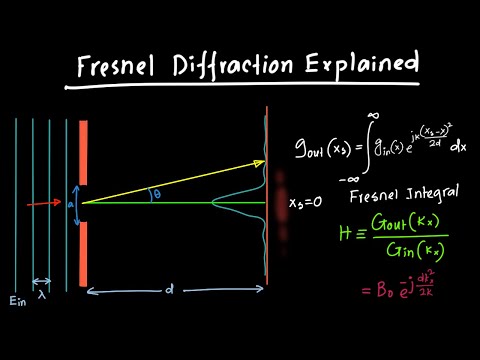
Fresnel Diffraction Explained
0
kevin posted on 2025/06/17Ever wondered how light bends around obstacles? This video dives deep into Fresnel diffraction and the Fresnel integral, perfect for optics students looking to master complex sentence structures and advanced vocabulary in physics. You'll get a clear conceptual explanation alongside the mathematical derivation, making this a fantastic way to boost your knowledge and language skills!
Learn this video on the APP!
The VoiceTube App has more in-depth practice for videos!