
alias
US /ˈeliəs, ˈeljəs/
UK /ˈeɪliəs/
- Noun
- False or secret second name
C1Moreallocate
US /ˈæləˌket/
UK /ˈæləkeɪt/
- Transitive Verb
- To distribute or set apart for a plan or purpose
B1Morealso known as
US
UK
- Phrase
- Also called; alternatively named.
- Identified by another term; synonymous with.
A1Moreassign
US /əˈsaɪn/
UK /ə'saɪn/
- Transitive Verb
- To give someone a particular job to do
- To give someone credit or blame for something
B2TOEICMoreassignment
US /əˈsaɪnmənt/
UK /ə'saɪnmənt/
- Noun
- Task you are given to do (as in the armed forces)
- A homework task or report
A2TOEICMoreassume
US /əˈsum/
UK /ə'sju:m/
- Transitive Verb
- To act in a false manner to mislead others
- To believe, based on the evidence; suppose
A2TOEICMoreasterisk
US /ˈæstəˌrɪsk/
UK /'æstərɪsk/
- Noun
- The mark *
C1TOEICMoreback into
US /bæk ˈɪntu/
UK /bæk ˈɪntuː/
- Phrasal Verb
- To drive a vehicle backwards into a space or area.
- To accidentally collide with something while moving backwards.
A1Morecapable
US /ˈkepəbəl/
UK /'keɪpəbl/
- Adjective
- Being able to do something very well; proficient
- Having the ability, fitness, or quality necessary to do or achieve a specified thing.
A2Morecompiler
US /kəmˈpaɪlɚ/
UK /kəmˈpaɪlə(r)/
- Noun (Countable/Uncountable)
- Person who gather information for reference
- A program that converts instructions into a machine-code or lower-level form so that they can be read and executed by a computer.
B1Moreconcept
US /ˈkɑnˌsɛpt/
UK /'kɒnsept/
- Noun (Countable/Uncountable)
- Abstract idea of something or how it works
- A plan or intention; a conception.
A2TOEICMoreconsole
US /kənˈsol/
UK /kən'səʊl/
- Transitive Verb
- To make someone feel better in times of distress
B2TOEICMorecontent
US /ˈkɑnˌtɛnt/
UK /'kɒntent/
- Adjective
- Being happy or satisfied
- In a state of peaceful happiness.
- Noun (Countable/Uncountable)
- Information in something, e.g. book or computer
- The subject matter of a book, speech, etc.
A2Morecontrive
US /kənˈtraɪv/
UK /kənˈtraɪv/
- Transitive Verb
- To devise or bring about with clever planning
C1TOEICMoredatum
US /ˈdetəm, ˈdætəm, ˈdɑtəm/
UK /ˈdeɪtəm/
- Noun
- Item of factual information
B1Moredecipher
US /dɪˈsaɪfɚ/
UK /dɪˈsaɪfə(r)/
- Transitive Verb
- To uncover the meaning of something hard to read
B2Moredepending on
US
UK
- Phrasal Verb
- To rely on for support (financial or emotional)
- Influenced or determined by.
- Preposition
- Subject to; contingent on
- Relying on someone or something for support or assistance.
A2Moredesignate
US /ˈdɛzɪɡˌnet/
UK /'dezɪɡneɪt/
- Transitive Verb
- To officially choose for a position; appoint
- To identify or mark something for a purpose
B1Moreexact
US /ɪɡˈzækt/
UK /ɪɡ'zækt/
- Adjective
- Completely correct; accurate; specific
- Transitive Verb
- To get something, sometimes using force
A2TOEICMoreexecution
US /ˌɛksɪˈkjuʃən/
UK /ˌeksɪˈkju:ʃn/
- Noun
- Killing a person as a (usually legal) punishment
- Act of performing something such as a plan
B2Moreexpression
US /ɪkˈsprɛʃən/
UK /ɪk'spreʃn/
- Noun (Countable/Uncountable)
- Act of making your thoughts and feelings known
- Group of words that have a specific meaning
A2TOEICMorefundamentally
US /ˌfʌndəˈmɛntl:ɪ/
UK /ˌfʌndəˈmentəli/
- Adverb
- In a basic and important way
- In a complete and thorough way
B1Morego back to
US /ɡo bæk tu/
UK /ɡəu bæk tu:/
- Phrasal Verb
- To return to a starting point
A1Moregoing on
US /ˈɡoɪŋ ɑn/
UK /ˈgəʊɪŋ ɔn/
- Phrasal Verb
- To continue doing something
- To happen (usually negative)
A1Morehave to
US /hæv tu/
UK /ˈhæv tə/
- Auxiliary Verb
- Must do
A1Morein fact
US /ɪn fækt/
UK /in fækt/
- Adverb
- Used to emphasize the truth of a statement, especially one that contrasts with or contradicts something else.
- Used to introduce a more detailed or surprising piece of information.
- Phrase
- Used to emphasize the truth of a statement, especially one that is surprising or contrary to what might be expected.
C1Morein pairs
US
UK
- Phrase
- Divided into or working as two people together.
A1Moreindirectly
US
UK
- Adverb
- In a manner that is not direct or straight
B1Moreinstead of
US /ɪnˈstɛd ʌv/
UK /inˈsted ɔv/
- Preposition
- When one thing is replaced by another
- Adverb
- As a substitute or alternative.
A1Moreinteger
US /ˈɪntɪdʒɚ/
UK /ˈɪntɪdʒə(r)/
- Countable Noun
- Math a whole number
B2Moreknow about
US /noʊ əˈbaʊt/
UK /nəʊ əˈbaut/
- Phrasal Verb
- To have information or understanding of a subject or situation.
leap
US /lip/
UK /li:p/
- Verb (Transitive/Intransitive)
- To enter or start something eagerly
- (Of prices) to increase quickly by a large amount
- Noun
- (Of prices) a quick large increase
- A large forward step or jump
B1Morelocation
US /loʊˈkeɪʃn/
UK /ləʊˈkeɪʃn/
- Noun (Countable/Uncountable)
- Particular position or area of place, event, etc.
- A place away from a studio where film or television shots are made.
B1TOEICMorelook at
US /lʊk æt/
UK /luk æt/
- Phrasal Verb
- To use your eyes to focus on something
- To focus your eyes on something carefully
A1Moremechanism
US /ˈmɛkəˌnɪzəm/
UK /'mekənɪzəm/
- Noun (Countable/Uncountable)
- Part of a machine that performs a certain function
- System or process for achieving a certain result
B1Morenext to
US /nɛkst tu/
UK /nekst tu:/
- Preposition
- Being located along side another
- In comparison with
- Adverb
- Almost; nearly
A1Moreoccur
US /əˈkɚ/
UK /əˈkɜ:(r)/
- Intransitive Verb
- To come to pass or to happen
- To be found to exist; to be present.
A2TOEICMoreonline
US /ˌɑ:nˈlaɪn/
UK /ˌɒnˈlaɪn/
- Adjective
- Connected to the internet
- Adverb
- Via the internet.
B1Moreprint out
US /prɪnt aʊt/
UK /print aut/
- Phrasal Verb
- To produce a paper copy of a document from a computer.
A1Morepurpose
US /ˈpɚpəs/
UK /'pɜ:pəs/
- Noun (Countable/Uncountable)
- Reason for which something is done; aim; goal
- A person's sense of resolve or determination.
- Adverb
- With clear intention or determination.
- Intentionally; deliberately.
A2TOEICMorerefer
US /rɪˈfɚ/
UK /rɪ'fɜ:(r)/
- Verb (Transitive/Intransitive)
- To talk about or write about something
- To give information about something
A2TOEICMorereference
US /ˈrɛfərəns, ˈrɛfrəns/
UK /'refrəns/
- Noun
- A letter of recommendation, e.g. for a job
- Note in a book, etc. giving source of information
- Transitive Verb
- To cite a piece of research in speech or writing
- Mention or refer to.
A2TOEICMorespecifically
US /spəˈsɪfɪkli/
UK /spəˈsɪfɪkli/
- Adverb
- As regards a particular thing; closely related to
- In a definite and clear manner.
A2Morestatement
US / ˈstetmənt/
UK /ˈsteɪtmənt/
- Noun (Countable/Uncountable)
- Record of activity in a bank account over time
- Act or process of saying something formally
A2TOEICMorestructure
US /ˈstrʌk.tʃɚ/
UK /ˈstrʌk.tʃə/
- Noun (Countable/Uncountable)
- The way in which the parts of a system or object are arranged or organized, or a system arranged in this way
- A building or other man-made object.
- Transitive Verb
- To plan, organize, or arrange the parts of something
A2TOEICMoresyntax
US /ˈsɪnˌtæks/
UK /ˈsɪntæks/
- Uncountable Noun
- Study of the way words are organized in a sentence
B2Moretalking about
US
UK
- Phrasal Verb
- To discuss a particular topic.
- To be constantly mentioning or bringing up a subject.
A1Morethink about
US /θɪŋk əˈbaʊt/
UK /θiŋk əˈbaut/
- Phrasal Verb
- To consider something carefully.
- To remember or call to mind.
A1Morethink of
US /θɪŋk ʌv/
UK /θiŋk ɔv/
- Phrasal Verb
- To look on as (being something specific); consider
- To consider or remember something.
- Verb (Transitive/Intransitive)
- To imagine or call something to mind
A1Moreto the left
US
UK
- Phrase
- In or toward the left direction.
- Situated on the left side of.
unnamed
US /ˌʌnˈneɪmd/
UK /ˌʌnˈneɪmd/
- Adjective
- Being or having an unknown or unnamed source
B1Moreunnecessarily
US /ʌnˈnɛsəˌsɛrɪlɪ/
UK /ˌʌn'nesəsərəlɪ/
- Adverb
- In an unnecessary manner
B1Moreupcoming
US /ˈʌpˌkʌmɪŋ/
UK /ˈʌpkʌmɪŋ/
- Adjective
- Occurring soon; approaching
C1TOEICMoreupdate
US /ʌpˈdet/
UK /ˌʌpˈdeɪt/
- Noun (Countable/Uncountable)
- Addition of a current version of something
- New information or data to make more current
- Transitive Verb
- To download the latest version of software
- To make more current or modern
B1TOEICMoreversion
US /ˈvɚʒən, -ʃən/
UK /ˈvə:ʃən/
- Noun
- Different way that someone interprets something
- New or different form of something
A2TOEICMorewith it
US /wɪð ɪt/
UK /wið it/
- Adjective
- Intelligent, alert, and up-to-date.
- Understanding and knowledgeable about current trends or information.
A1More
Vocabulary
- look at: To use your eyes to focus on something
- have to: Must do
- with it: Intelligent, alert, and up-to-date.
- in fact: Used to emphasize the truth of a statement, especially one that contrasts with or contradicts something else.
- going on: To continue doing something
- also known as: Also called; alternatively named.
- instead of: When one thing is replaced by another
- think of: To look on as (being something specific); consider
- to the left: In or toward the left direction.
- next to: Being located along side another
- depending on: To rely on for support (financial or emotional)
- talking about: To discuss a particular topic.
- go back to: To return to a starting point
- print out: To produce a paper copy of a document from a computer.
- know about: To have information or understanding of a subject or situation.
- think about: To consider something carefully.
- back into: To drive a vehicle backwards into a space or area.
- in pairs: Divided into or working as two people together.
- assume: To act in a false manner to mislead others
- content: Being happy or satisfied
- expression: Act of making your thoughts and feelings known
- concept: Abstract idea of something or how it works
- immediately: Without any delay; straight away
- structure: The way in which the parts of a system or object are arranged or organized, or a system arranged in this way
- common: Area in a city or town that is open to everyone
- specifically: As regards a particular thing; closely related to
- exact: Completely correct; accurate; specific
- purpose: Reason for which something is done; aim; goal
- version: Different way that someone interprets something
- imagine: To think creatively about; form mental picture of
- capable: Being able to do something very well; proficient
- statement: Record of activity in a bank account over time
- mechanism: Part of a machine that performs a certain function
- occur: To come to pass or to happen
- mean: Average of a set of numbers
- reference: A letter of recommendation, e.g. for a job
- address: Exact street location of a place
- simply: In an easy or clear manner
- refer: To talk about or write about something
- assignment: Task you are given to do (as in the armed forces)
- leap: To enter or start something eagerly
- pretty: Being attractive to the eye in a simple way
- introduce: To open an essay to set the scene
- console: To make someone feel better in times of distress
- leave: To go away from; depart
- fundamentally: In a basic and important way
- discuss: To talk about seriously or in great detail
- decipher: To uncover the meaning of something hard to read
- assign: To give someone a particular job to do
- fact: Something that is known or proved to be true
- program: To make someone act or think in a certain way
- space: Empty area kept for a specific reason, like a car
- execution: Killing a person as a (usually legal) punishment
- make: To arrange or prepare something e.g. dinner
- syntax: Study of the way words are organized in a sentence
- popular: Liked or enjoyed by many people
- allocate: To distribute or set apart for a plan or purpose
- designate: To officially choose for a position; appoint
- upcoming: Occurring soon; approaching
- location: Particular position or area of place, event, etc.
- datum: Item of factual information
- update: Addition of a current version of something
- contrive: To devise or bring about with clever planning
- indirectly: In a manner that is not direct or straight
- asterisk: The mark *
- online: Connected to the internet
- alias: False or secret second name
- unnecessarily: In an unnecessary manner
- integer: Math a whole number
- unnamed: Being or having an unknown or unnamed source
- compiler: Person who gather information for reference
Get the full experience in the app
Learn anywhere with detailed sentence and usage analysis
01:03
She took a brave step forward, leaving behind her comfort zone to chase her dreams.
Vocabulary
- brave
adj. Having courage
- comfort zone
phr. A familiar situation where one feels safe
Explanation
a brave step is a noun phrase, where brave is an adjective modifying the noun step, meaning "a courageous step".
forward is an adverb modifying step, meaning "ahead".
The whole phrase serves as the object, answering the "what" of took (verb) — she took a brave step forward.
Get the full experience in the app
Look up words anytime with pronunciation, part of speech, and usage
brave
US/brev/
UK/breɪv/
adj.Brave
v.t.To bravely face
A2 Elementary
Get the full experience in the app
Practice speaking anytime and get instant pronunciation feedback
Try this speaking exercise.
Try practicing with this sentence.
80
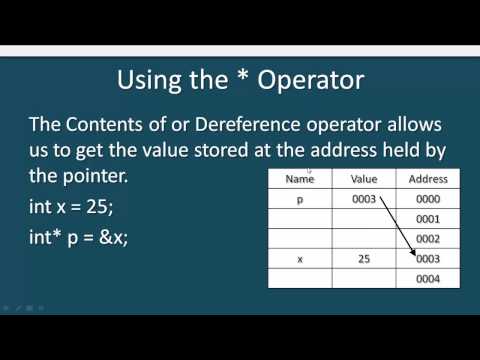
Introduction to Pointers in C++, Tutorial on Pointers, C++ Pointers
0
zack posted on 2025/05/27Ever wondered what pointers are in C++? This beginner-friendly tutorial breaks down pointer syntax, the dereference operator, and the address-of operator with clear explanations. You'll pick up essential programming vocabulary and boost your knowledge learning skills!
Learn this video on the APP!
The VoiceTube App has more in-depth practice for videos!