
allegedly
US /ə'ledʒɪdlɪ/
UK /ə'ledʒɪdlɪ/
- Adverb
- According to what has been alleged
B2Morearound the world
US /əˈraʊnd ði wɜrld/
UK /əˈraund ðə wɜː(r)ld/
- Phrase
- In or to many countries.
- In various places throughout the world.
A2Moreasbestos
US /æsˈbɛstəs, æz-/
UK /æsˈbestəs/
- Uncountable Noun
- Type of mineral with cancerous fibers
B2Moreat fault
US /æt fɔlt/
UK /æt fɔ:lt/
- Adjective
- Responsible for something negative or undesirable; deserving blame.
- Phrase
- Culpable; deserving of blame or censure.
A1Moreat the most
US /ət ðə ˈmoʊst/
UK /ət ðə ˈməust/
- other
- No more than; maximum amount or degree.
A2Moreattempt
US /əˈtɛmpt/
UK /ə'tempt/
- Verb (Transitive/Intransitive)
- To try to do something challenging or difficult
- Noun
- Effort made to try to do or accomplish something
A2TOEICMoreaware
US /əˈwɛr/
UK /əˈwɛə/
- Adjective
- Knowing or feeling that something exists
A2TOEICMoreblame
US /blem/
UK /bleɪm/
- Transitive Verb
- To say someone is responsible for something bad
- Noun (Countable/Uncountable)
- Act of saying someone did something bad
A2TOEICMoreblaze
US /blez/
UK /bleɪz/
- Intransitive Verb
- (Of a fire) to burn brightly
- (Of the sun, etc.) to shine brightly
- Noun (Countable/Uncountable)
- Bright light, as from a burning fire
- a sudden show of very strong feeling
B1Moreby default
US /baɪ dɪˈfɔlt/
UK /bai diˈfɔ:lt/
- Adverb
- Automatically, unless the user specifies otherwise.
- Because of a lack of any other action or choice.
cause
US /kɔz/
UK /kɔ:z/
- Noun
- Belief, goal or organization that people support
- Reason for
- Transitive Verb
- To make something happen; create effect or result
A2Morecheck out
US /tʃɛk aʊt/
UK /tʃek aut/
- Phrase
- Phrasal Verb
- To find out information about something
- To take books out of a library
A1Moreclear out
US /klɪr aʊt/
UK /kliə aut/
- Phrasal Verb
- To empty things out of a place
A1Moreclog
US /klɑ:g/
UK /klɒg/
- Transitive Verb
- To make or become blocked or filled with something
- Noun
- Heavy shoe with a thick or wooden bottom
B2Morecontaminate
US /kənˈtæməˌnet/
UK /kənˈtæmɪneɪt/
- Transitive Verb
- To make impure by adding a harmful element
B2Morecontamination
US /kənˌtæməˈneʃən/
UK /kənˌtæmɪ'neɪʃən/
- Uncountable Noun
- Being impure because of a harmful agent
B2Moredevastating
US
UK
- Transitive Verb
- To cause extensive destruction or ruin utterly
- Adjective
- Destroying everything; very shocking
- Causing great emotional pain or shock.
B1Moredirect
US /dɪˈrɛkt, daɪ-/
UK /də'rekt/
- Transitive Verb
- To tell someone in a very clear way to do something
- To show the way by conducting or leading
- Adverb
- Coming straight from something
A2TOEICMoredisaster
US /dɪˈzæstɚ, -ˈsæs-/
UK /dɪ'zɑ:stə(r)/
- Noun (Countable/Uncountable)
- State of extreme ruin and misfortune
- A complete failure.
- Uncountable Noun
- A situation that has gone terribly wrong.
A2Moredisastrous
US /dɪˈzæstrəs/
UK /dɪˈzɑ:strəs/
- Adjective
- Having very unfortunate or terrible consequences
- Having extremely negative or terrible consequences.
B1Moredisease
US /dɪˈziz/
UK /dɪˈzi:z/
- Noun (Countable/Uncountable)
- Illness that affects a person, animal, or plant
- A disorder of structure or function in a plant, especially one caused by a pathogen.
- Transitive Verb
- To affect with disease; to corrupt or sicken.
A2TOEICMoredue to
US /du tu/
UK /dju: tu:/
- Preposition
- Because of; owing to
- Adjective
- Attributable to; caused by.
A1Moredump
US /dʌmp/
UK /dʌmp/
- Transitive Verb
- To end a romantic relationship
- To put something somewhere without care
- Noun
- A place where waste or garbage is left.
- A copy of data from one part of a computer system to another.
B1Moreemergency response
US
UK
- Noun (Countable/Uncountable)
- The actions taken to deal with an unexpected and dangerous event.
- Immediate medical assistance given in an emergency situation.
B1Moreenact
US /ɛnˈækt/
UK /ɪˈnækt/
- Transitive Verb
- To make a bill into law
- Verb (Transitive/Intransitive)
- To act or perform, as in a play
B2Moreend in
US /ɛnd ɪn/
UK /end in/
- Phrasal Verb
- To have something as the final result.
estimate
US /ˈɛstəˌmet/
UK /'estɪmət/
- Noun (Countable/Uncountable)
- Guess or calculation of cost, size or value
- A judgment or opinion.
- Transitive Verb
- To guess or calculate the cost, size or value of
- To form an approximate idea or judgment of.
A2TOEICMoreevacuate
US /ɪˈvækjuˌet/
UK /ɪ'vækjʊeɪt/
- Transitive Verb
- To move people from dangerous to a safe places
B2Moreeventually
US /ɪˈvɛntʃuəli/
UK /ɪˈventʃuəli/
- Adverb
- After a long time; after many attempts; in the end
- At some later time; in the future
A2Moreever since
US /ˈɛvɚ sɪns/
UK /ˈevə sins/
- Adverb
- Continuously from a past time until now.
- Conjunction
- From the time that; because.
B2Moreextraction
US /ɪkˈstrækʃən/
UK /ɪkˈstrækʃn/
- Noun (Countable/Uncountable)
- Process of taking something out of something else
- Country, region from which a person or family came
B1Morefell ill
US /fɛl ɪl/
UK /fel il/
- Intransitive Verb
- To become sick; to start suffering from a disease.
A2Morefor instance
US /fɔr ˈɪnstəns/
UK /fɔ: ˈinstəns/
- Adverb
- As an example.
- Phrase
- As an example.
- As an illustration or case in point
B1Morefor sure
US /fɔr ʃʊr/
UK /fɔ: ʃuə/
- Adverb
- Definitely; certainly; without a doubt.
- Used to emphasize a statement.
- Interjection
- An expression of strong agreement or affirmation.
A2Moregrace
US /ɡres/
UK /ɡreɪs/
- Uncountable Noun
- Dignified polite behavior, as when things go badly
- God's kindness shown to people
- Transitive Verb
- To make a place look more attractive
B1Moregulf
US /ɡʌlf/
UK /gʌlf/
- Noun (Countable/Uncountable)
- Part of a sea partially surrounded by land
- Wide separation or difference between two groups
B1Moreimpact
US /ˈɪmˌpækt/
UK /'ɪmpækt/
- Noun
- A striking effect or result to hit with force
- Act or force of one thing hitting something else
- Verb (Transitive/Intransitive)
- To hit or strike someone or something with force
- To have a strong effect on someone or something.
A2TOEICMorein a bad way
US /ɪn ə bæd weɪ/
UK /ɪn ə bæd wei/
- other
- In poor physical or emotional condition.
B2Morein charge
US /ɪn tʃɑrdʒ/
UK /in tʃɑ:dʒ/
- Adverb
- To be responsible for
A1Morein fact
US /ɪn fækt/
UK /in fækt/
- Adverb
- Used to emphasize the truth of a statement, especially one that contrasts with or contradicts something else.
- Used to introduce a more detailed or surprising piece of information.
- Phrase
- Used to emphasize the truth of a statement, especially one that is surprising or contrary to what might be expected.
C1Morein sight
US /ɪn saɪt/
UK /in sait/
- Phrase
- Visible; able to be seen.
- Near to being achieved; imminent.
in the air
US
UK
- Phrase
- Present or circulating in the atmosphere.
- Felt or sensed by many people; circulating as a rumor or feeling.
- Adjective
- Being broadcast on radio or television.
A1Morelead to
US /lid tu/
UK /li:d tu:/
- Phrasal Verb
- To result in some action
- Verb (Transitive/Intransitive)
- To have something as a consequence or result.
A1Moreleak
US /lik/
UK /li:k/
- Noun (Countable/Uncountable)
- Act of (gas, liquid) escaping through a small hole
- Information released that wasn't supposed to be
- Intransitive Verb
- (Of a tire) to have air, liquid escaping; (Of air)
- (Liquid) to go out of/get in through crack/opening
B1Moremarine
US /məˈrin/
UK /mə'ri:n/
- Countable Noun
- Soldier trained to serve on land and sea
- Adjective
- Of the ocean or ocean plants and animals
- Concerning sailing or doing business by sea
B1Moremining
US /ˈmaɪnɪŋ/
UK /ˈmaɪnɪŋ/
- Transitive Verb
- To place a bomb in the ground or the sea
- To dig into the earth or sea to obtain minerals
- Uncountable Noun
- Act of digging to get coal, gold, silver etc.
B2Moreneurological
US /ˌnjʊrəˈlɑdʒɪkəl/
UK /ˌnjʊərəˈlɒdʒɪkl/
- Adjective
- Concerning, used in or practicing neurology
B2Morenotify
US /ˈnotəˌfaɪ/
UK /'nəʊtɪfaɪ/
- Transitive Verb
- To inform; to communicate specific information
B2Morenumber of people
US /ˈnʌmbɚ ʌv ˈpipəl/
UK /ˈnʌmbə ɔv ˈpi:pl/
- Phrase
- The total count of individuals within a group or gathering.
- A statistical figure representing the population size or a subset thereof.
A1Moreoccur
US /əˈkɚ/
UK /əˈkɜ:(r)/
- Intransitive Verb
- To come to pass or to happen
- To be found to exist; to be present.
A2TOEICMoreon fire
US /ɑn faɪr/
UK /ɔn ˈfaiə/
- Adjective
- Very successful or popular
- Burning
A2Morepollution
US /pəˈluʃən/
UK /pəˈlu:ʃn/
- Uncountable Noun
- Dangerous substances released into an environment
- The action of polluting; the state of being polluted.
B1TOEICMoreprevent
US /prɪˈvɛnt/
UK /prɪ'vent/
- Transitive Verb
- To stop something from happening or existing
A2TOEICMorereactor
US /riˈæktɚ/
UK /riˈæktə(r)/
- Noun
- Device to control nuclear energy as a power source
B1Moreremain
US /rɪˈmen/
UK /rɪˈmeɪn/
- Intransitive Verb
- To be left behind; to continue to exist
- To stay in a place when other people have gone
A2TOEICMorereproduce
US /ˌriprəˈdus, -ˈdjus/
UK /ˌri:prə'dju:s/
- Verb (Transitive/Intransitive)
- To make a copy of something
- To have children/young; grow roots/new plants
B1Moreresponse
US /rɪˈspɑns/
UK /riˈspɔns/
- Noun
- Something said/written as an answer to something
- Reaction to something that has occurred
A2TOEICMorerestore
US /rɪˈstɔr, -ˈstor/
UK /rɪˈstɔ:(r)/
- Transitive Verb
- To return a thing to its original condition
B1Morerun by
US
UK
- Phrasal Verb
- To be managed or controlled by someone or a group.
- To show or tell something to someone briefly to get their opinion or approval.
A1Moresevere
US /səˈvɪr/
UK /sɪ'vɪə(r)/
- Adjective
- Very bad; harsh
- (Of clothes, etc.) plain; simple; not decorated
A2TOEICMoresmog
US /smɑɡ, smɔɡ/
UK /smɒɡ/
- Uncountable Noun
- Fog that is combined with other harmful gases
B2Morespark
US /spɑrk/
UK /spɑ:k/
- Countable Noun
- Small piece of burning material produced by fire
- Tiny, brief bit of light caused by electric energy
- Intransitive Verb
- To make tiny, brief bits of light
B1Morespill
US /spɪl/
UK /spɪl/
- Noun
- Accident when someone falls
- Act of allowing a fluid to escape
- Verb (Transitive/Intransitive)
- To come out of and spread beyond limits
- To tell secrets or let information escape
B1Moreswitch on
US
UK
- Transitive Verb
- To put something electrical on or off
- Phrasal Verb
A2Moretanker
US /ˈtæŋkɚ/
UK /ˈtæŋkə(r)/
- Countable Noun
- Vehicle built to transport liquids
B2Morethink of
US /θɪŋk ʌv/
UK /θiŋk ɔv/
- Phrasal Verb
- To look on as (being something specific); consider
- To consider or remember something.
- Verb (Transitive/Intransitive)
- To imagine or call something to mind
A1Moretoll
US /tol/
UK /təʊl/
- Noun (Countable/Uncountable)
- Sound that a big bell makes, when it is rung
- Number of people hurt or killed in a disaster
- Intransitive Verb
- (Bell) to ring in a slow, loud and repeated way
B2TOEICMoreused to
US /juzd tu/
UK /ˈju:st tə/
- Adjective
- Did regularly before, but don't do now
- Auxiliary Verb
- Have done before, but do not do now
A1Morevolunteers to
US
UK
- Intransitive Verb
- Offers to do something without being forced or paid.
Vocabulary
- at the most: No more than; maximum amount or degree.
- around the world: In or to many countries.
- lead to: To result in some action
- at fault: Responsible for something negative or undesirable; deserving blame.
- in fact: Used to emphasize the truth of a statement, especially one that contrasts with or contradicts something else.
- end in: To have something as the final result.
- in sight: Visible; able to be seen.
- clear out: To empty things out of a place
- for sure: Definitely; certainly; without a doubt.
- ever since: Continuously from a past time until now.
- run by: To be managed or controlled by someone or a group.
- fell ill: To become sick; to start suffering from a disease.
- due to: Because of; owing to
- for instance: As an example.
- used to: Did regularly before, but don't do now
- by default: Automatically, unless the user specifies otherwise.
- in charge: To be responsible for
- emergency response: The actions taken to deal with an unexpected and dangerous event.
- volunteers to: Offers to do something without being forced or paid.
- in the air: Present or circulating in the atmosphere.
- number of people: The total count of individuals within a group or gathering.
- in a bad way: In poor physical or emotional condition.
- on fire: Very successful or popular
- switch on: To put something electrical on or off
- think of: To look on as (being something specific); consider
- check out
- eventually: After a long time; after many attempts; in the end
- term: Conditions applying to an agreement, contract
- devastating: To cause extensive destruction or ruin utterly
- impact: A striking effect or result to hit with force
- severe: Very bad; harsh
- aware: Knowing or feeling that something exists
- attempt: To try to do something challenging or difficult
- disease: Illness that affects a person, animal, or plant
- blame: To say someone is responsible for something bad
- prevent: To stop something from happening or existing
- dump: To end a romantic relationship
- estimate: Guess or calculation of cost, size or value
- toll: Sound that a big bell makes, when it is rung
- occur: To come to pass or to happen
- remain: To be left behind; to continue to exist
- direct: To tell someone in a very clear way to do something
- disaster: State of extreme ruin and misfortune
- response: Something said/written as an answer to something
- cause: Belief, goal or organization that people support
- board: Surface for posting or showing information
- spark: Small piece of burning material produced by fire
- lead: Wire for electricity, computer, etc.; cable
- neurological: Concerning, used in or practicing neurology
- allegedly: According to what has been alleged
- spill: Accident when someone falls
- company: Good feeling from being with someone else
- marine: Soldier trained to serve on land and sea
- restore: To return a thing to its original condition
- evacuate: To move people from dangerous to a safe places
- learn: To get knowledge or skills by study or experience
- act: To behave in a certain way
- grace: Dignified polite behavior, as when things go badly
- clog: To make or become blocked or filled with something
- contaminate: To make impure by adding a harmful element
- daily: Happening every day
- blaze: (Of a fire) to burn brightly
- reproduce: To make a copy of something
- contamination: Being impure because of a harmful agent
- disastrous: Having very unfortunate or terrible consequences
- leak: Act of (gas, liquid) escaping through a small hole
- pollution: Dangerous substances released into an environment
- mercury: Silver-white metal that is used in thermometers
- mining: To place a bomb in the ground or the sea
- burn: To destroy with fire
- world: All the humans, events, activities on the earth
- area: Amount of measured space
- enact: To make a bill into law
- human: A person; a man, woman or child
- time: Speed at which music is played; tempo
- begin: To do the first part of an action; to start
- gulf: Part of a sea partially surrounded by land
- people: Persons sharing culture, country, background, etc.
- smog: Fog that is combined with other harmful gases
- extraction: Process of taking something out of something else
- notify: To inform; to communicate specific information
- asbestos: Type of mineral with cancerous fibers
- tanker: Vehicle built to transport liquids
- reactor: Device to control nuclear energy as a power source
Get the full experience in the app
Learn anywhere with detailed sentence and usage analysis
01:03
She took a brave step forward, leaving behind her comfort zone to chase her dreams.
Vocabulary
- brave
adj. Having courage
- comfort zone
phr. A familiar situation where one feels safe
Explanation
a brave step is a noun phrase, where brave is an adjective modifying the noun step, meaning "a courageous step".
forward is an adverb modifying step, meaning "ahead".
The whole phrase serves as the object, answering the "what" of took (verb) — she took a brave step forward.
Get the full experience in the app
Look up words anytime with pronunciation, part of speech, and usage
brave
US/brev/
UK/breɪv/
adj.Brave
v.t.To bravely face
A2 Elementary
Get the full experience in the app
Practice speaking anytime and get instant pronunciation feedback
Try this speaking exercise.
Try practicing with this sentence.
80
0
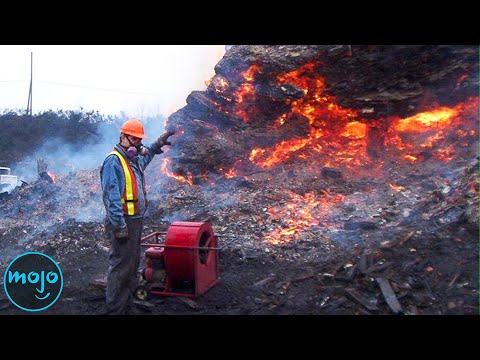
林宜悉 posted on 2025/05/23Ever wonder how human actions can have world-stopping consequences? This video dives into 10 major man-made disasters, from Chernobyl to Deepwater Horizon, giving you a fascinating look at environmental and industrial catastrophes. You'll pick up some advanced vocabulary related to these events and gain a deeper understanding of their impact!
Learn this video on the APP!
The VoiceTube App has more in-depth practice for videos!