
adapt
US /əˈdæpt/
UK /ə'dæpt/
- Transitive Verb
- To change something for a different function
- To change something to fit or suit a new purpose
- Intransitive Verb
- To change your behaviour so that it is easier to live in a new place or situation
B1TOEICMoreadaptability
US /əˌdæptə'bɪlətɪ/
UK /əˌdæptə'bɪlətɪ/
- Uncountable Noun
- Able to change, succeed in different conditions
- The ability to modify or adjust to different conditions or purposes.
B1Moreadvance
US /ædˈvæns/
UK /əd'vɑ:ns/
- Noun
- Forward movement by an army
- An attempt to seduce someone
- Verb (Transitive/Intransitive)
- (Of an army) to move forward
- To change or improve
A2TOEICMoreambition
US /æmˈbɪʃən/
UK /æmˈbɪʃn/
- Noun (Countable/Uncountable)
- Desire to win or be successful in life, work
A2TOEICMoreapproximate
US /əˈprɑksəmɪt/
UK /ə'prɒksɪmət/
- Adjective
- About; not exact but close
- Verb (Transitive/Intransitive)
- To be similar to, but not exactly the same
B2Morearound the world
US /əˈraʊnd ði wɜrld/
UK /əˈraund ðə wɜː(r)ld/
- Phrase
- In or to many countries.
- In various places throughout the world.
A2Moreat ease
US /æt iz/
UK /æt i:z/
- Phrase
- Adjective
- Free from constraint, embarrassment, or awkwardness; relaxed.
A2Moreat least
US /æt list/
UK /æt li:st/
- Adverb
- As a minimum
- Not less than
- Phrase
- No less than; at the minimum
- Used to indicate that something is positive in a bad situation.
C2Morebarista
US
UK
- Noun
- Person who serves drinks at a bar or cafe
C2Morebreak down
US /brek daʊn/
UK /breik daun/
- Phrasal Verb
- To forcibly break, destroy or make collapse
- (Machine) to stop working or become weaker
A1Morecommunicate
US /kəˈmjunɪˌket/
UK /kə'mju:nɪkeɪt/
- Verb (Transitive/Intransitive)
- To give and exchange information
- To convey or make known (information, feelings, etc.)
A2Moreculture
US /ˈkʌltʃɚ/
UK /'kʌltʃə(r)/
- Noun (Countable/Uncountable)
- Beliefs and customs of a particular group
- The customs, beliefs, art, and all the other things that a group of people share and consider important.
- Transitive Verb
- To grow cells, tissues, bacteria, etc. in a controlled environment.
A2Morediversity
US /dɪˈvə:sɪti, daɪ-/
UK /daɪ'vɜ:sətɪ/
- Noun (Countable/Uncountable)
- Having a range of different races, ideas etc.
- A range of different things.
B1TOEICMoreease
US /iz/
UK /i:z/
- Verb (Transitive/Intransitive)
- To make something less difficult, tight, stressed
- To move slowly and purposely to get in small space
- Uncountable Noun
- State of being comfortable or relaxed
A2Moreembarrassment
US /ɛmˈbærəsmənt/
UK /ɪmˈbærəsmənt/
- Uncountable Noun
- Shame you feel when you did something wrong
- A person, thing, or situation that causes someone to feel ashamed, self-conscious, or uncomfortable.
B1Moreexcitement
US /ɪkˈsaɪtmənt/
UK /ɪkˈsaɪtmənt/
- Uncountable Noun
- When people feel very happy and enthusiastic
- Something that causes great enthusiasm and eagerness.
A2Moreexpand
US /ɪkˈspænd/
UK /ɪk'spænd/
- Verb (Transitive/Intransitive)
- To make something larger in size, number, amount
A2TOEICMoreexperiment
US /ɪkˈspɛrəmənt/
UK /ɪk'sperɪmənt/
- Noun (Countable/Uncountable)
- Test performed to assess new ideas or theories
- A course of action tentatively adopted without being sure of the eventual outcome.
- Verb (Transitive/Intransitive)
- To create and perform tests to research something
- To try something new that you haven't tried before
A2TOEICMoreexplore
US /ɪkˈsplɔr/
UK /ɪk'splɔ:(r)/
- Transitive Verb
- To examine something in detail to learn about it
- To travel to a place to discover more about it
A2TOEICMorefluent
US /'fluːənt/
UK /ˈflu:ənt/
- Adjective
- Doing something well and with ease
- Able to speak or write a language fully and easily
B1TOEICMorefrom time to time
US
UK
- Phrase
- Occasionally; sometimes but not regularly.
- At intervals; now and then.
A1Moregrammar
US /ˈɡræmɚ/
UK /ˈgræmə(r)/
- Uncountable Noun
- Book describing the syntactic rules of a language
- Rules explaining how words are used in a language
B1Morehave to
US /hæv tu/
UK /ˈhæv tə/
- Auxiliary Verb
- Must do
A1Morehesitation
US /ˌhɛzɪˈteʃən/
UK /ˌhezɪ'teɪʃn/
- Uncountable Noun
- Indecision or unwillingness to do something
B2TOEICMorein mind
US /ɪn maɪnd/
UK /in maind/
- Phrase
- Being aware of or considering something.
- To remember or consider something.
A2Moreintermediate
US /ˌɪntɚˈmidiɪt/
UK /ˌɪntəˈmi:diət/
- Adjective
- Between; in the middle; moderate
- Having some knowledge but not advanced
- Noun (Countable/Uncountable)
- Person with some knowledge but not advanced
- Something that comes between two things in time, place, character, etc.
B1Morejudge
US /dʒʌdʒ/
UK /dʒʌdʒ/
- Noun (Countable/Uncountable)
- Person who decides on the results of a contest
- Person who has the power to make a decision
- Verb (Transitive/Intransitive)
- To reach a decision about who won a contest
- To form an opinion after careful consideration
A2TOEICMorelifelong
US /ˈlaɪflɔ:ŋ/
UK /ˈlaɪflɒŋ/
- Adjective
- Continuing through life; lasting a long time
- Uncountable Noun
- The process of continuing to learn throughout one's life.
B2Morelook at
US /lʊk æt/
UK /luk æt/
- Phrasal Verb
- To use your eyes to focus on something
- To focus your eyes on something carefully
A1Moremarina
US /məˈrinə/
UK /məˈri:nə/
- Proper Noun
- Person's name
- Countable Noun
- Harbor made for yachts and small boats
B2Moremove beyond
US
UK
- Phrasal Verb
- To go past or exceed a limit, boundary, or set of expectations.
B2Moremove on
US /muv ɑn/
UK /mu:v ɔn/
- Phrasal Verb
- To decide to change or go to a different place
- To start talking about something different.
A1Morenative
US /ˈnetɪv/
UK /ˈneɪtɪv/
- Noun (Countable/Uncountable)
- Someone from or born in a specific country
- Original inhabitant, e.g. before others
- Adjective
- Caused by natural ability; innate
A2Moreof course
US /ʌv kɔː(r)s/
UK /ɔv kɔː(r)s/
- Adverb
- Sure ; Certainly
- Phrase
- For sure; certainly
A2Moreon to
US /ɑn tu/
UK /ɔn tu:/
- Preposition
- Toward something; forward
- Aware of someone's activities.
- Adjective
- Aware of someone's deception or illegal activities.
A1Morepassive
US /ˈpæsɪv/
UK /ˈpæsɪv/
- Adjective
- Allowing things to happen with quiet acceptance
- With sentence's subject being what verb acts on
- Noun
- A person who is passive; one who does not actively participate or resist.
B1Morephilosophy
US /fɪˈlɑsəfi/
UK /fə'lɒsəfɪ/
- Uncountable Noun
- Study of ideas about the basic nature of life
- Attitude to life that a person has
C1Moreplenty
US /ˈplɛnti/
UK /'plentɪ/
- Pronoun
- When there is not too little of something; a lot
- Uncountable Noun
- A large or sufficient amount or quantity; abundance.
- A lot of something
A2Morepractical
US /ˈpræktɪkəl/
UK /ˈpræktɪkl/
- Adjective
- Relating to what is sensible, real or useful
- Relating to experience, action, or practice; not theoretical or ideal.
- Noun
- A practical exam or lesson.
- A person concerned chiefly with the practice of something; a person with practical skills.
A2TOEICMorepractice
US /ˈpræktɪs/
UK /'præktɪs/
- Noun
- The office and place for legal or medical work
- Doing something many times to become better at it
- Verb (Transitive/Intransitive)
- To work as a doctor or lawyer
- To live according to the teachings of a religion
A2TOEICMorepronunciation
US /prəˌnʌnsiˈeʃən/
UK /prəˌnʌnsiˈeɪʃn/
- Noun (Countable/Uncountable)
- How a word is said; how a word sounds
- The manner in which someone utters a word.
B1Morequantum
US /ˈkwɑ:ntəm/
UK /ˈkwɒntəm/
- Noun (Countable/Uncountable)
- The smallest unit or amount of energy
B2Moreresilience
US /rɪˈzɪljəns/
UK /rɪˈzɪliəns/
- Uncountable Noun
- Ability to recover quickly from something bad
- The capacity to withstand or recover quickly from difficulties; toughness.
B2TOEICMoreserve
US /sɚv/
UK /sɜ:v/
- Verb (Transitive/Intransitive)
- To act in a particular position or office
- To hit the first ball to an opponent in tennis etc.
A2TOEICMoresilicon
US /ˈsɪlɪkən, -ˌkɑn/
UK /ˈsɪlɪkən/
- Uncountable Noun
- Mineral used in making steel and computer parts
B2Morethrive
US /θraɪv/
UK /θraɪv/
- Intransitive Verb
- To be or become healthy or successful
- To grow or develop well; to flourish.
B2TOEICMoreto order
US
UK
- Transitive Verb
- To give an instruction or command.
- To request something to be made, supplied, or served.
A1Moreupper
US /ˈʌpɚ/
UK /ˈʌpə(r)/
- Noun (Countable/Uncountable)
- Drug that improves mood or increases energy
- Something happy or encouraging
- Adjective
- Located above others of the same kind
- Being the northern part of a region
B1Morevocabulary
US /voˈkæbjəˌlɛri/
UK /və'kæbjələrɪ/
- Uncountable Noun
- Words that have to do with a particular subject
- The words that a person knows
B1TOEICMorewith just
US
UK
- Phrase
- Using only; with no more than.
- Barely; by a narrow margin.
A2Morework on
US /wɚk ɑn/
UK /wə:k ɔn/
- Phrasal Verb
- To devote effort to improve or develop something
- To try to persuade or influence someone.
A1More
Vocabulary
- at least: As a minimum
- work on: To devote effort to improve or develop something
- on to: Toward something; forward
- move on: To decide to change or go to a different place
- with just: Using only; with no more than.
- break down: To forcibly break, destroy or make collapse
- move beyond: To go past or exceed a limit, boundary, or set of expectations.
- around the world: In or to many countries.
- at ease
- have to: Must do
- of course: Sure ; Certainly
- to order: To give an instruction or command.
- from time to time: Occasionally; sometimes but not regularly.
- look at: To use your eyes to focus on something
- in mind: Being aware of or considering something.
- pronunciation: How a word is said; how a word sounds
- resilience: Ability to recover quickly from something bad
- practice: The office and place for legal or medical work
- thrive: To be or become healthy or successful
- native: Someone from or born in a specific country
- vocabulary: Words that have to do with a particular subject
- practical: Relating to what is sensible, real or useful
- plenty: When there is not too little of something; a lot
- experiment: Test performed to assess new ideas or theories
- fluent: Doing something well and with ease
- philosophy: Study of ideas about the basic nature of life
- express: To send something by fast mail
- explore: To examine something in detail to learn about it
- passive: Allowing things to happen with quiet acceptance
- diversity: Having a range of different races, ideas etc.
- adapt: To change something for a different function
- ease: To make something less difficult, tight, stressed
- explain: To make clear or easy to understand by describing
- grammar: Book describing the syntactic rules of a language
- judge: Person who decides on the results of a contest
- expand: To make something larger in size, number, amount
- advance: Forward movement by an army
- ambition: Desire to win or be successful in life, work
- communicate: To give and exchange information
- excitement: When people feel very happy and enthusiastic
- serve: To act in a particular position or office
- intermediate: Between; in the middle; moderate
- favorite: A thing that someone likes best or enjoys most
- barista: Person who serves drinks at a bar or cafe
- company: Good feeling from being with someone else
- culture: Beliefs and customs of a particular group
- hesitation: Indecision or unwillingness to do something
- learn: To get knowledge or skills by study or experience
- simple: Not hard to understand or do; not complex
- language: Words or signs used to communicate messages
- quantum: The smallest unit or amount of energy
- step: Movement done as part of a particular dance
- pack: Bag carried on the back of donkey, etc.
- start: First time or place that a thing exists; beginning
- understand: To know the meaning of language, what someone says
- world: All the humans, events, activities on the earth
- approximate: About; not exact but close
- university: High-level educational institution; college
- life: All the living things e.g. animals, plants, humans
- know: To be familiar with a person or place, thing
- embarrassment: Shame you feel when you did something wrong
- lifelong: Continuing through life; lasting a long time
- upper: Drug that improves mood or increases energy
- silicon: Mineral used in making steel and computer parts
- adaptability: Able to change, succeed in different conditions
- marina: Person's name
Get the full experience in the app
Learn anywhere with detailed sentence and usage analysis
01:03
She took a brave step forward, leaving behind her comfort zone to chase her dreams.
Vocabulary
- brave
adj. Having courage
- comfort zone
phr. A familiar situation where one feels safe
Explanation
a brave step is a noun phrase, where brave is an adjective modifying the noun step, meaning "a courageous step".
forward is an adverb modifying step, meaning "ahead".
The whole phrase serves as the object, answering the "what" of took (verb) — she took a brave step forward.
Get the full experience in the app
Look up words anytime with pronunciation, part of speech, and usage
brave
US/brev/
UK/breɪv/
adj.Brave
v.t.To bravely face
A2 Elementary
Get the full experience in the app
Practice speaking anytime and get instant pronunciation feedback
Try this speaking exercise.
Try practicing with this sentence.
80
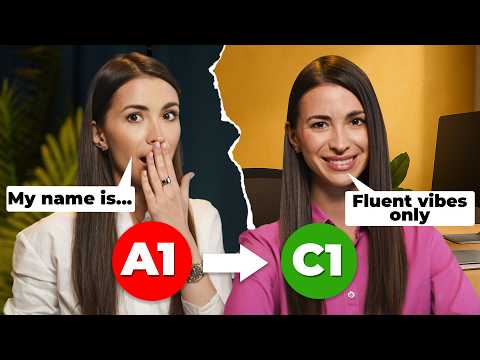
A1 vs C1 – What Actually Changes? Real Examples
0
VoiceTube posted on 2025/05/07Ever wondered what separates a beginner from an advanced English speaker? This video dives into the real differences between A1 and C1 levels, showing you exactly what changes in vocabulary and fluency with fun, practical examples. You'll get a fantastic look at how to boost your own English skills, whether you're aiming for survival situations or workplace success!
Learn this video on the APP!
The VoiceTube App has more in-depth practice for videos!