
adopt
US /əˈdɑ:pt/
UK /əˈdɒpt/
- Transitive Verb
- To legally take a child into your family
- To take on responsibility for something
A2TOEICMoreapart from
US /əˈpɑrt frʌm/
UK /əˈpɑ:t frɔm/
- Preposition
- Except for; not considering
- In addition to; as well as
betray
US /bɪˈtre/
UK /bɪ'treɪ/
- Transitive Verb
- To endanger (friend) by giving enemy information
- To reveal something unintentionally.
B1Morebond
US /bɑnd/
UK /bɒnd/
- Noun (Countable/Uncountable)
- Rope, chain or other thing used to tie someone up
- Closeness that is shared between people or groups
- Verb (Transitive/Intransitive)
- To develop a close relationship with
- To become joined or connected, e.g. using glue
A2TOEICMorecalmly
US /ˈkɑmlɪ/
UK /'kɑ:mlɪ/
- Adverb
- Without getting emotional, e.g. in times of stress
B1Morecherish
US /ˈtʃɛrɪʃ/
UK /ˈtʃerɪʃ/
- Transitive Verb
- To care a lot about or love someone or something
- To remember or keep something with a lot of care
B1Moreconfrontational
US /ˌkɑ:nfrənˈteɪʃnl/
UK /ˌkɒnfrʌnˈteɪʃnl/
- Adjective
- Causing arguments/anger, e.g. by speaking directly
B1Moredisagreement
US /ˌdɪsəˈɡrimənt/
UK /ˌdɪsəˈgri:mənt/
- Uncountable Noun
- Act or state of not agreeing
B2Moredistant
US /ˈdɪstənt/
UK /'dɪstənt/
- Adjective
- Unfriendly; cold
- Existing or happening far away in place or time
B1Moredrift
US /drɪft/
UK /drɪft/
- Intransitive Verb
- (Of sand, etc.) to be blown into heaps by the wind
- (Of boats) to move without purpose on water
B1Moreeffort
US /ˈɛfət/
UK /ˈefət/
- Uncountable Noun
- Amount of work used trying to do something
- A conscious exertion of power; a try.
A2TOEICMoreego
US /ˈiɡo, ˈɛɡo/
UK /'i:ɡəʊ/
- Noun (Countable/Uncountable)
- Opinion you have about yourself and your worth
- Part of the human mind that deals with real world
B1Moreembrace
US /ɛmˈbres/
UK /ɪm'breɪs/
- Noun (Countable/Uncountable)
- Act of holding someone closely
- An act of accepting or supporting something willingly and enthusiastically.
- Transitive Verb
- To hold closely; cuddle, kiss or hug
- To accept something enthusiastically.
B1TOEICMorefade
US /fed/
UK /feɪd/
- Intransitive Verb
- To cause to lose brightness of color
- To lose strength or freshness
A2TOEICMorefamiliar
US /fəˈmɪljɚ/
UK /fəˈmɪliə(r)/
- Adjective
- Well-known or easily recognized
- Having a good knowledge of something.
- Noun
- A close friend or associate.
- (In folklore) a spirit, often in animal form, believed to attend and serve a witch.
A2TOEICMorefeel like
US
UK
- Intransitive Verb
- To have a desire or inclination for something.
- To have a particular quality or sensation; resemble.
A1Moreflip
US /flɪp/
UK /flɪp/
- Verb (Transitive/Intransitive)
- To turn your body in the air, as in gymnastics
- To move into a different position quickly
- Noun
- Act of turning your body in the air; somersault
- Movement of something from one position to another
B2Morefor example
US
UK
- Phrase
- As an illustration or instance.
friendship
US /ˈfrɛndˌʃɪp/
UK /ˈfrendʃɪp/
- Uncountable Noun
- Feeling of liking someone; good relationship
B1Moregenuine
US /ˈdʒɛnjuɪn/
UK /ˈdʒenjuɪn/
- Adjective
- Being real, actual, and not false or artificial
- Being sincere in your actions or character
A2TOEICMorein the way
US /ɪn ði we/
UK /in ðə wei/
- Phrase
- Obstructing someone or something; hindering progress.
- Stored or placed so as to be available or ready when needed.
A1Morein touch
US /ɪn tʌtʃ/
UK /in tʌtʃ/
- Adjective
- Having contact or communication with someone.
- Aware of or informed about something.
B1Moreinstead of
US /ɪnˈstɛd ʌv/
UK /inˈsted ɔv/
- Preposition
- When one thing is replaced by another
- Adverb
- As a substitute or alternative.
A1Moreissue
US /ˈɪʃu/
UK /'ɪʃu:/
- Transitive Verb
- To make something available to be used or sold
- To deliver a statement, etc. in an official manner
- Noun (Countable/Uncountable)
- Important topic discussed, debated or argued over
- Single edition of a magazine
A2TOEICMorejourney
US /ˈdʒɚni/
UK /'dʒɜ:nɪ/
- Noun
- Act of traveling from one place to another; trip
- Intransitive Verb
- To travel through a place
A2TOEICMoreleft out
US
UK
- Phrasal Verb
- To forget; omit
- To exclude someone or something; to not include.
A1Moremove to
US /muv tu/
UK /mu:v tu:/
- Phrasal Verb
- To change the place where you live or work.
- Verb (Transitive/Intransitive)
- To proceed to the next stage or action.
A2Moremutual
US /ˈmjutʃuəl/
UK /'mju:tʃʊəl/
- Adjective
- Shared between two or more people
- Possessed or held in common.
- Noun
B1Morenavigate
US /ˈnævɪˌɡet/
UK /'nævɪɡeɪt/
- Verb (Transitive/Intransitive)
- To direct (car, plane etc.) in the right direction
- To deal successfully with something complex
B2Moreniceness
US /naɪsnəs/
UK /naɪsnəs/
- Uncountable Noun
- Quality of nice
B1Morenotification
US /ˌnoʊtɪfɪˈkeɪʃn/
UK /ˌnəʊtɪfɪˈkeɪʃn/
- Uncountable Noun
- Act of giving formal or official information
B2Moreobserve
US /əbˈzɜ:rv/
UK /əbˈzɜ:v/
- Verb (Transitive/Intransitive)
- To celebrate a particular holiday/religious event
- To obey or follow laws, rules, or customs
A2TOEICMoreover time
US /ˈovɚ taɪm/
UK /ˈəuvə taim/
- Phrase
- Gradually; as time passes.
- During a long period.
- Adverb
- Gradually; as time passes.
B1Morerather than
US
UK
- Adverb
- More exactly; more correctly
- Preferably; instead
- Preposition
- Instead of
A1Morereach
US /ritʃ/
UK /ri:tʃ/
- Verb (Transitive/Intransitive)
- To come to or arrive at a goal or destination
- To be long enough to get to a certain place
- Uncountable Noun
- Power or control someone has over something
A2TOEICMorereach out
US /ritʃ aʊt/
UK /ri:tʃ aut/
- Phrasal Verb
- To attempt to communicate with someone.
- To offer help and support to someone.
B1Morereconnect
US /ˌriːkəˈnekt/
UK /ˌri:kəˈnekt/
- Transitive Verb
- To connect again
B1Morereevaluate
US /ri:ɪ'væljʊeɪt/
UK /ri:ɪ'væljʊeɪt/
- Transitive Verb
- To judge the value or something again
B1Morerelate
US /rɪˈlet/
UK /rɪ'leɪt/
- Transitive Verb
- To demonstrate a logical relationship between
- To understand or sympathize with, e.g. a problem
A2TOEICMorerelationship
US /rɪˈleʃənˌʃɪp/
UK /rɪˈleɪʃnʃɪp/
- Noun (Countable/Uncountable)
- Connection between two or more people or things
- Way people interact or live with each other
A2TOEICMoreresolve
US /rɪˈzɑlv/
UK /rɪ'zɒlv/
- Verb (Transitive/Intransitive)
- To make a decision to do something
- To find an answer, solution to a problem/ question
- Uncountable Noun
- Firm determination to do something.
B1TOEICMorerespect
US /rɪˈspɛkt/
UK /rɪ'spekt/
- Transitive Verb
- To follow the established rules
- To think very highly of another person
- Noun
- Behavior that follows the established rules
- Regard or admiration for someone or something
A2TOEICMoreshow up
US /ʃo ʌp/
UK /ʃəu ʌp/
- Phrasal Verb
- To arrive or be seen at a place, e.g. a party
- To be noticeably better than (someone else)
A1Moresilence
US /ˈsaɪləns/
UK /'saɪləns/
- Uncountable Noun
- State of being quiet and not talking for a time
- When there is not sound or noise; complete quiet
- Transitive Verb
- To stop the noise that something is making
- To prevent someone from expressing thoughts
A2Morestay in
US /ste ɪn/
UK /stei in/
- Phrasal Verb
- To remain inside one's home.
- Intransitive Verb
- To remain as an inpatient in a hospital.
strain
US /stren/
UK /streɪn/
- Transitive Verb
- To remove the water from (food) using a colander
- To injure a muscle, leg etc. by using it too much
- Noun (Countable/Uncountable)
- Injury to a muscle, leg etc. through overuse
- Type or variation of a disease or bacillus
B2Moreto let
US /tu lɛt/
UK /tu let/
- Preposition
- Indicates that a property is available for rent.
A2Moreunworthy
US /ʌnˈwɜ:rði/
UK /ʌnˈwɜ:ði/
- Adjective
- Lacking in value or merit; not deserving help
B2Moreupdate
US /ʌpˈdet/
UK /ˌʌpˈdeɪt/
- Noun (Countable/Uncountable)
- Addition of a current version of something
- New information or data to make more current
- Transitive Verb
- To download the latest version of software
- To make more current or modern
B1TOEICMoreupset
US /ʌpˈsɛt/
UK /ʌpˈset/
- Adjective
- (Of stomach, etc.) not functioning well; sick
- Troubled, worried, or angry
- Transitive Verb
- To turn upside down or on its side
- To trouble, worry, or anger someone
A2Moreversa
US /'vɜ:sə/
UK /'vɜ:sə/
- Adverb
- used to say that what you have just said is also true in the opposite order
C1Morevice
US /ˌvaɪ.sə/
UK /ˌvaɪs/
- Noun
- used as part of the title of particular positions. The person who holds one of these positions is next below in authority to the person who holds the full position and can act for them
- Noun (Countable/Uncountable)
- a moral fault or weakness in someone's character
- illegal and immoral activities, especially involving illegal sex, drugs, etc.
B2Morewanna
US /ˈwɑnə/
UK /'wɒnə/
- Verb (Transitive/Intransitive)
- Shortened form of 'want to'. Used only in speaking
B2More
Vocabulary
- feel like: To have a desire or inclination for something.
- over time: Gradually; as time passes.
- for example: As an illustration or instance.
- instead of: When one thing is replaced by another
- reach out: To attempt to communicate with someone.
- rather than: More exactly; more correctly
- apart from: Except for; not considering
- in touch: Having contact or communication with someone.
- in the way: Obstructing someone or something; hindering progress.
- move to: To change the place where you live or work.
- show up: To arrive or be seen at a place, e.g. a party
- left out: To forget; omit
- stay in: To remain inside one's home.
- to let: Indicates that a property is available for rent.
- effort: Amount of work used trying to do something
- genuine: Being real, actual, and not false or artificial
- journey: Act of traveling from one place to another; trip
- embrace: Act of holding someone closely
- flip: To turn your body in the air, as in gymnastics
- familiar: Well-known or easily recognized
- strain: To remove the water from (food) using a colander
- navigate: To direct (car, plane etc.) in the right direction
- relationship: Connection between two or more people or things
- bond: Rope, chain or other thing used to tie someone up
- issue: To make something available to be used or sold
- vice: used as part of the title of particular positions. The person who holds one of these positions is next below in authority to the person who holds the full position and can act for them
- mutual: Shared between two or more people
- reach: To come to or arrive at a goal or destination
- upset: (Of stomach, etc.) not functioning well; sick
- address: Exact street location of a place
- adopt: To legally take a child into your family
- observe: To celebrate a particular holiday/religious event
- fade: To cause to lose brightness of color
- create: To make, cause, or bring into existence
- ego: Opinion you have about yourself and your worth
- accept: To agree to receive or take something offered
- respect: To follow the established rules
- relate: To demonstrate a logical relationship between
- silence: State of being quiet and not talking for a time
- wanna: Shortened form of 'want to'. Used only in speaking
- drift: (Of sand, etc.) to be blown into heaps by the wind
- cherish: To care a lot about or love someone or something
- distant: Unfriendly; cold
- resolve: To make a decision to do something
- text: To send a message by phone or other device
- hit: To have a negative impact on a person/place/thing
- build: Your physical shape; physique
- notification: Act of giving formal or official information
- last: Final; with nothing following; after all others
- versa: used to say that what you have just said is also true in the opposite order
- pull: Act of breathing in smoke, as from a pipe
- change: To exchange one set of clothes for another
- find: To become aware of something that is happening
- question: To ask for or try to get information
- person: Man, woman or child
- start: First time or place that a thing exists; beginning
- betray: To endanger (friend) by giving enemy information
- hold: To agree to keep something for someone
- think: To have an idea about something without certainty
- reevaluate: To judge the value or something again
- friendship: Feeling of liking someone; good relationship
- disagreement: Act or state of not agreeing
- update: Addition of a current version of something
- calmly: Without getting emotional, e.g. in times of stress
- confrontational: Causing arguments/anger, e.g. by speaking directly
- niceness: Quality of nice
- unworthy: Lacking in value or merit; not deserving help
- reconnect: To connect again
Get the full experience in the app
Learn anywhere with detailed sentence and usage analysis
01:03
She took a brave step forward, leaving behind her comfort zone to chase her dreams.
Vocabulary
- brave
adj. Having courage
- comfort zone
phr. A familiar situation where one feels safe
Explanation
a brave step is a noun phrase, where brave is an adjective modifying the noun step, meaning "a courageous step".
forward is an adverb modifying step, meaning "ahead".
The whole phrase serves as the object, answering the "what" of took (verb) — she took a brave step forward.
Get the full experience in the app
Look up words anytime with pronunciation, part of speech, and usage
brave
US/brev/
UK/breɪv/
adj.Brave
v.t.To bravely face
A2 Elementary
Get the full experience in the app
Practice speaking anytime and get instant pronunciation feedback
Try this speaking exercise.
Try practicing with this sentence.
80
How Friendship Affects Your Brain When It Ends
0
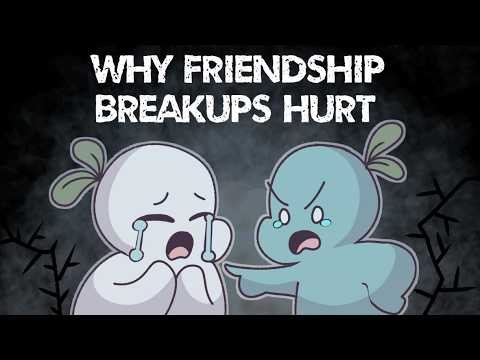
VoiceTube posted on 2025/04/25Ever wonder what happens to your brain when a friendship ends? This video dives into the science behind friendship burnout and offers practical communication tips and boundary-setting advice to help you navigate those tough life transitions. You'll pick up everyday phrases and learn how to handle emotional honesty in your relationships!
Learn this video on the APP!
The VoiceTube App has more in-depth practice for videos!