
absolute
US /ˈæbsəˌlut/
UK /ˈæbsəlu:t/
- Adjective
- Complete; total; pure; not limited in any way
- Not capable of being doubted or questioned; certain.
- Noun (Countable/Uncountable)
- Something that is complete, total, pure, certain
- (in philosophy) a concept of an ultimate, unconditional reality
A2Moreabsurd
US /əbˈsɚd, -ˈzɚd/
UK /əb'sɜ:d/
- Adjective
- So foolish as to be difficult to believe
B1Moreannihilate
US /əˈnaɪəˌlet/
UK /ə'naɪəleɪt/
- Transitive Verb
- To completely destroy, or get rid of, by force
C1Moreantimatter
US /ˈæntɪˌmætɚ, ˈæntaɪ-/
UK /ˈæntimætə(r)/
- Uncountable Noun
- Matter consisting of elementary antiparticles
C2Moreat home
US /æt hom/
UK /æt həum/
- Phrase
- In one's own residence or country.
- Adjective
- Feeling comfortable and relaxed.
at least
US /æt list/
UK /æt li:st/
- Adverb
- As a minimum
- Not less than
- Phrase
- No less than; at the minimum
- Used to indicate that something is positive in a bad situation.
C2Moreat some point
US /æt sʌm pɔɪnt/
UK /æt sʌm pɔint/
- Phrase
- At an unspecified time, usually in the future.
A1Morebackdrop
US /ˈbækdrɑ:p/
UK /ˈbækdrɒp/
- Noun (Countable/Uncountable)
- Contextual meaning or background
- Scenery hung at back of stage
C1Morebear
US /bɛr/
UK /bɛː/
- Transitive Verb
- To accept (responsibilities or duties)
- To give birth to a child; to produce fruit
- Countable Noun
- Large brown animal with fur that lives in forests
- Someone who expects stock market to fall
A2Moreburn out
US /bɚn aʊt/
UK /bə:n aut/
- Phrasal Verb
- To overwork to mental or physical exhaustion
- To stop burning because fuel is consumed
- Verb (Transitive/Intransitive)
- To become extremely tired or exhausted, often due to prolonged stress.
A1Morecollapse
US /kəˈlæps/
UK /kə'læps/
- Verb (Transitive/Intransitive)
- To fold (e.g. a stroller) down to make it smaller
- To suddenly fall down or break apart into pieces
- Noun
- The sudden failure of a structure or system.
- The sudden failure of a bodily organ or function.
B1Morecombine
US /kəmˈbaɪn/
UK /kəmˈbaɪn/
- Verb (Transitive/Intransitive)
- To mix several things together to form one thing
- To harvest by means of a combine.
- Noun (Countable/Uncountable)
- A harvesting machine for cutting, threshing, and cleaning grain.
- A mixture of different things.
A2Morecompress
US /kəmˈprɛs/
UK /kəmˈpres/
- Transitive Verb
- To press tightly together
- To make smaller; reduce in time, size etc.
B1Morecrate
US /kret/
UK /kreɪt/
- Countable Noun
- Large wooden container for transporting goods
- Transitive Verb
- To put objects in a large wooden box for delivery
B2Morecrumble
US /ˈkrʌmbəl/
UK /ˈkrʌmbl/
- Intransitive Verb
- To break into small parts or crumbs
B2Morecycle
US /ˈsaɪkəl/
UK /ˈsaɪkl/
- Noun
- Series of regular and repeated actions
- Bicycle, bike
- Intransitive Verb
- To go through a series of events repeatedly
- To ride on a bicycle
A2Moredegenerate
US /dɪ'dʒenəreɪt/
UK /dɪ'dʒenəreɪt/
- Intransitive Verb
- To become something worse or inferior; deteriorate
- Adjective
- Having become morally corrupt
B2Moredense
US /dɛns/
UK /dens/
- Adjective
- Very thick and difficult to see, get through
- Hard to understand
B1TOEICMoredie out
US /daɪ aʊt/
UK /dai aut/
- Phrasal Verb
- To disappear completely; to become extinct
A1Moredoorstep
US /ˈdɔ:rstep/
UK /ˈdɔ:step/
- Noun
- Wood or stone that forms the bottom of a doorway
B2Moredwarf
US /dwɔrf/
UK /dwɔ:f/
- Noun
- Person of short stature, due to medical condition
B2TOEICMoreeject
US /ɪ'dʒekt/
UK /ɪ'dʒekt/
- Transitive Verb
- To make a disc or tape come out of a machine
- To throw someone out; force someone to leave
B2Moreemit
US /ɪˈmɪt/
UK /ɪ'mɪt/
- Transitive Verb
- To release or send out (a gas, etc.)
B1Moreengineering
US /ˌendʒɪˈnɪrɪŋ/
UK /ˌendʒɪˈnɪərɪŋ/
- Uncountable Noun
- The practical application of science to industry
B1Moreevaporate
US /ɪˈvæpəˌret/
UK /ɪˈvæpəreɪt/
- Intransitive Verb
- To pass off or away; to disappear
- Transitive Verb
- To change from a liquid into a gaseous state
B2Moreeventually
US /ɪˈvɛntʃuəli/
UK /ɪˈventʃuəli/
- Adverb
- After a long time; after many attempts; in the end
- At some later time; in the future
A2Morefor now
US /fɔr naʊ/
UK /fɔ: nau/
- Phrase
- Temporarily; for the present time.
- In the short term; for the immediate future.
A1Moreforge
US /fɔ:rdʒ/
UK /fɔ:dʒ/
- Transitive Verb
- To create something by hammering hot metal
- To form something new, such a relationship
- Countable Noun
- A furnace to melt and shape metals with heat
B1TOEICMorefuse
US /fjuz/
UK /fju:z/
- Noun
- Device connected to and making a bomb explode
- Electrical safety device
- Verb (Transitive/Intransitive)
- (Metal) to become one through heat contact
- To become combined; unite.
B2Moregalactic
US /ɡəˈlæktɪk/
UK /ɡə'læktɪk/
- Adjective
- Concerning a galaxy
C1Moregalaxy
US /ˈɡæləksi/
UK /'ɡæləksɪ/
- Noun (Countable/Uncountable)
- A group of stars and planets in space
B2Moregeneration
US /ˌdʒɛnəˈreʃən/
UK /ˌdʒenəˈreɪʃn/
- Noun (Countable/Uncountable)
- Act or process of producing or causing something
- People born and living at about the same time
A2TOEICMoregoing on
US /ˈɡoɪŋ ɑn/
UK /ˈgəʊɪŋ ɔn/
- Phrasal Verb
- To continue doing something
- To happen (usually negative)
A1Moregravity
US /ˈɡrævɪti/
UK /ˈgrævəti/
- Uncountable Noun
- (Of a situation) extreme seriousness
- Force making things fall towards the ground
B1TOEICMorehawk
US /hɔk/
UK /hɔ:k/
- Noun (Countable/Uncountable)
- Large bird kills smaller birds and animals
- Someone wanting to go to war using the military
- Intransitive Verb
- To remove something from the throat by coughing
B2Moreheat
US /hit/
UK /hi:t/
- Uncountable Noun
- State of anger, excitement, or arguing
- Particular temperature at which to cook something
- Transitive Verb
- To make hot or hotter
A2Morehole
US /hol/
UK /həʊl/
- Noun (Countable/Uncountable)
- An empty space, as in the ground, in a sock etc.
- Fault or weakness in a plan, idea or explanation
- Transitive Verb
- (Golf) to get the ball into the hole
- To make a hole in something.
A2Morehusk
US /hʌsk/
UK /hʌsk/
- Noun (Countable/Uncountable)
- Dry, thin layer covering some fruit and vegetables
C1TOEICMorein a box
US /ɪn ə bɑks/
UK /ɪn ə bɒks/
- other
- Contained or confined inside a box or small space.
B2Morein comparison
US /ɪn kəmˈpærɪsən/
UK /in kəmˈpærisən/
- Adverb
- When compared to something else.
- Phrase
- When compared to something else.
- When considering the differences between two or more things.
A1Morein on
US
UK
- Phrase
- To be involved in a secret or plan.
- To be aware of something that is secret or not generally known.
A1Morein the future
US /ɪn ði ˈfjutʃɚ/
UK /in ðə ˈfju:tʃə/
- Phrase
- At a later time; in times to come.
A1Moreintense
US /ɪnˈtɛns/
UK /ɪn'tens/
- Adjective
- Very strong, great or extreme in degree
- Experiencing or showing great force or strength; extreme.
A2TOEICMoreiron
US /ˈaɪərn/
UK /ˈaɪən/
- Noun (Countable/Uncountable)
- Heavy metal device heated to smooth clothes
- Golf club with a metal head
- Transitive Verb
- To use a hot flat-based machine to smooth clothes
B1Morelattice
US /ˈlætɪs/
UK /ˈlætɪs/
- Noun
- Openwork structure of crossed strips of wood, etc.
C1Morelive for
US /liv fɔr/
UK /liv fɔ:/
- Phrasal Verb
- To consider something the most important thing in your life; to find purpose or great pleasure in something.
A1Morelock up
US
UK
- Phrasal Verb
- To imprison someone.
- To secure a building or container by locking it.
look at
US /lʊk æt/
UK /luk æt/
- Phrasal Verb
- To use your eyes to focus on something
- To focus your eyes on something carefully
A1Moremass
US /mæs/
UK /mæs/
- Noun (Countable/Uncountable)
- Religious ceremony in some Christian churches
- Large amount or number of something
- Transitive Verb
- To gather people or things into a large group
B1Moremassive
US /ˈmæsɪv/
UK /ˈmæsɪv/
- Adjective
- Very big; large; too big
- Large or imposing in scale or scope.
B1Moremyriad
US /ˈmɪriəd/
UK /ˈmɪriəd/
- Adjective
- Very large quantity of something
- Having innumerable aspects or elements.
- Noun (Countable/Uncountable)
- Very large quantity of something
B2TOEICMoreneatly
US /ˈnitlɪ/
UK /ni:tlɪ/
- Adverb
- With neatness
A2Morenickel
US /ˈnɪkəl/
UK /'nɪkl/
- Noun
- American coin worth 5 cents
- A chemical element, a hard, silvery-white metal that is used in making alloys and for plating other metals.
- Transitive Verb
- To plate (metal objects) with nickel.
C1Moreobject
US /ˈɑbdʒɪkt/
UK /'ɒbdʒɪkt/
- Noun (Countable/Uncountable)
- Something you can see or touch, but is not alive
- Goal or purpose of a particular plan or activity
- Verb (Transitive/Intransitive)
- To disagree; to protest against an idea or plan
- To state one's reason for disagreement
A2TOEICMoreof old
US /ʌv oʊld/
UK /əv əuld/
- other
- From a long time ago; in the past.
B2Moreon average
US /ɑn ˈævərɪdʒ/
UK /ɔn ˈævəridʒ/
- Phrase
- Typically; usually; based on an average calculation.
B1Moreon earth
US /ɑn ɚθ/
UK /ɔn ə:θ/
- Phrase
- Used to emphasize a question expressing surprise or anger.
- Used to emphasize that something is not possible or will not happen.
A1Moreone too many
US
UK
- Adjective
- More than is acceptable or advisable; excessive.
- Noun (Countable/Uncountable)
- An instance that exceeds what is tolerable or permissible.
A1Moreout there
US /aʊt ðɛr/
UK /aut ðɛə/
- Adverb
- In or to a place that is far away
- Existing in the universe
- Adjective
- Unconventional; strange; avant-garde
- Existing or available.
A1Morepressure
US /ˈprɛʃɚ/
UK /'preʃə(r)/
- Noun (Countable/Uncountable)
- Anxiety caused by difficult problems
- Force, weight when pressing against a thing
- Transitive Verb
- To apply force to something
- To persuade or force someone to do something
A2TOEICMorepush out
US /pʊʃ aʊt/
UK /puʃ aut/
- Phrasal Verb
- To prevent others from competing, e.g. in business
A1Morequantum
US /ˈkwɑ:ntəm/
UK /ˈkwɒntəm/
- Noun (Countable/Uncountable)
- The smallest unit or amount of energy
B2Morereduce
US /rɪˈdus, -ˈdjus/
UK /rɪ'dju:s/
- Verb (Transitive/Intransitive)
- To try to decrease, e.g. your weight if overweight
- To boil a liquid until it has decreased in amount
A2TOEICMoreremain
US /rɪˈmen/
UK /rɪˈmeɪn/
- Intransitive Verb
- To be left behind; to continue to exist
- To stay in a place when other people have gone
A2TOEICMorerigid
US /ˈrɪdʒɪd/
UK /ˈrɪdʒɪd/
- Adjective
- Stiff rather than flexible
- Very fixed in your opinion or habits
B1Morescience
US /ˈsaɪəns/
UK /'saɪəns/
- Uncountable Noun
- Study of the physical world, based on facts
A2TOEICMoresphere
US /sfɪr/
UK /sfɪə(r)/
- Noun (Countable/Uncountable)
- Area of interest or activity
- A round 3D object shaped like a ball
B1Morespread out
US /sprɛd aʊt/
UK /spred aut/
- Phrasal Verb
- To extend or stretch over a large area.
- To arrange things so that they cover a large area.
B2Morestep to
US
UK
- Phrasal Verb
- To approach someone or something, often with a specific purpose.
- To challenge or confront someone, often aggressively.
A1Moresupernova
US /ˌsu:pərˈnoʊvə/
UK /ˌsu:pəˈnəʊvə/
- Noun
- Large exploding star that is extremely bright
C2Moreswirl
US /swɜrl/
UK /swɜ:l/
- Verb (Transitive/Intransitive)
- To make a twisting shape, mark, or pattern
B1Moretinker
US /ˈtɪŋkɚ/
UK /'tɪŋkə(r)/
- Verb (Transitive/Intransitive)
- To make small adjustments to repair or improve
B2Moreto the power of
US /tu ðə ˈpaʊɚ əv/
UK /tu ðə ˈpaʊə əv/
- other
- Indicating exponentiation in math; repeated multiplication.
B2Moretry out
US /traɪ aʊt/
UK /trai aut/
- Phrasal Verb
- To try to win a place on a team in a group
- To test briefly to determine how well it works
A1Moreturn into
US /tɚn ˈɪntu/
UK /tə:n ˈɪntuː/
- Phrasal Verb
- To change to become something else
- To change your direction to go into a place
A1Moreuniverse
US /ˈjunəˌvɚs/
UK /ˈju:nɪvɜ:s/
- Noun (Countable/Uncountable)
- All of space that contains planets and stars
- Things surrounding a person, affecting their life
B2Moreused to
US /juzd tu/
UK /ˈju:st tə/
- Adjective
- Did regularly before, but don't do now
- Auxiliary Verb
- Have done before, but do not do now
A1Moreused up
US
UK
- Phrasal Verb
- To use all of; consume
- Adjective
- Exhausted or depleted.
A1Morevoid
US /vɔɪd/
UK /vɔɪd/
- Uncountable Noun
- Empty feeling because nothing interests you
- Noun
- Empty space; empty place
B2Moreweird
US /wɪrd/
UK /wɪəd/
- Adjective
- Odd or unusual; surprising; strange
- Eerily strange or disturbing.
B1More
Vocabulary
- going on: To continue doing something
- out there: In or to a place that is far away
- turn into: To change to become something else
- at least: As a minimum
- to the power of: Indicating exponentiation in math; repeated multiplication.
- at some point: At an unspecified time, usually in the future.
- look at: To use your eyes to focus on something
- live for: To consider something the most important thing in your life; to find purpose or great pleasure in something.
- lock up: To imprison someone.
- used up: To use all of; consume
- die out: To disappear completely; to become extinct
- of old: From a long time ago; in the past.
- on average: Typically; usually; based on an average calculation.
- used to: Did regularly before, but don't do now
- burn out: To overwork to mental or physical exhaustion
- on earth: Used to emphasize a question expressing surprise or anger.
- spread out: To extend or stretch over a large area.
- push out: To prevent others from competing, e.g. in business
- step to: To approach someone or something, often with a specific purpose.
- in comparison: When compared to something else.
- in on: To be involved in a secret or plan.
- one too many: More than is acceptable or advisable; excessive.
- in the future: At a later time; in times to come.
- for now: Temporarily; for the present time.
- in a box: Contained or confined inside a box or small space.
- at home: In one's own residence or country.
- try out: To try to win a place on a team in a group
- weird: Odd or unusual; surprising; strange
- intense: Very strong, great or extreme in degree
- eventually: After a long time; after many attempts; in the end
- massive: Very big; large; too big
- matter: To be of great importance; to count
- amount: Quantity of something
- imagine: To think creatively about; form mental picture of
- pressure: Anxiety caused by difficult problems
- gravity: (Of a situation) extreme seriousness
- collapse: To fold (e.g. a stroller) down to make it smaller
- absurd: So foolish as to be difficult to believe
- remain: To be left behind; to continue to exist
- universe: All of space that contains planets and stars
- form: Sports team or person's current winning record
- dense: Very thick and difficult to see, get through
- rigid: Stiff rather than flexible
- generation: Act or process of producing or causing something
- mass: Religious ceremony in some Christian churches
- empty: Containing nothing; with no contents
- reduce: To try to decrease, e.g. your weight if overweight
- absolute: Complete; total; pure; not limited in any way
- project: To predict what will happen in the future
- object: Something you can see or touch, but is not alive
- void: Empty feeling because nothing interests you
- bear: To accept (responsibilities or duties)
- myriad: Very large quantity of something
- combine: To mix several things together to form one thing
- emit: To release or send out (a gas, etc.)
- forge: To create something by hammering hot metal
- science: Study of the physical world, based on facts
- evaporate: To pass off or away; to disappear
- crumble: To break into small parts or crumbs
- quantum: The smallest unit or amount of energy
- swirl: To make a twisting shape, mark, or pattern
- backdrop: Contextual meaning or background
- step: Movement done as part of a particular dance
- turn: To become (a particular age)
- heat: State of anger, excitement, or arguing
- space: Empty area kept for a specific reason, like a car
- dwarf: Person of short stature, due to medical condition
- interesting: Taking your attention; making you want to know
- sphere: Area of interest or activity
- degenerate: To become something worse or inferior; deteriorate
- hold: To agree to keep something for someone
- burn: To destroy with fire
- galaxy: A group of stars and planets in space
- fuse: Device connected to and making a bomb explode
- train: Line of people, animals moving the same direction
- neatly: With neatness
- iron: Heavy metal device heated to smooth clothes
- time: Speed at which music is played; tempo
- lose: To be unable to keep in check or control something
- crate: Large wooden container for transporting goods
- doorstep: Wood or stone that forms the bottom of a doorway
- hole: An empty space, as in the ground, in a sock etc.
- cycle: Series of regular and repeated actions
- compress: To press tightly together
- tinker: To make small adjustments to repair or improve
- eject: To make a disc or tape come out of a machine
- annihilate: To completely destroy, or get rid of, by force
- engineering: The practical application of science to industry
- nickel: American coin worth 5 cents
- hawk: Large bird kills smaller birds and animals
- husk: Dry, thin layer covering some fruit and vegetables
- galactic: Concerning a galaxy
- lattice: Openwork structure of crossed strips of wood, etc.
- supernova: Large exploding star that is extremely bright
- antimatter: Matter consisting of elementary antiparticles
Get the full experience in the app
Learn anywhere with detailed sentence and usage analysis
01:03
She took a brave step forward, leaving behind her comfort zone to chase her dreams.
Vocabulary
- brave
adj. Having courage
- comfort zone
phr. A familiar situation where one feels safe
Explanation
a brave step is a noun phrase, where brave is an adjective modifying the noun step, meaning "a courageous step".
forward is an adverb modifying step, meaning "ahead".
The whole phrase serves as the object, answering the "what" of took (verb) — she took a brave step forward.
Get the full experience in the app
Look up words anytime with pronunciation, part of speech, and usage
brave
US/brev/
UK/breɪv/
adj.Brave
v.t.To bravely face
A2 Elementary
Get the full experience in the app
Practice speaking anytime and get instant pronunciation feedback
Try this speaking exercise.
Try practicing with this sentence.
80
0
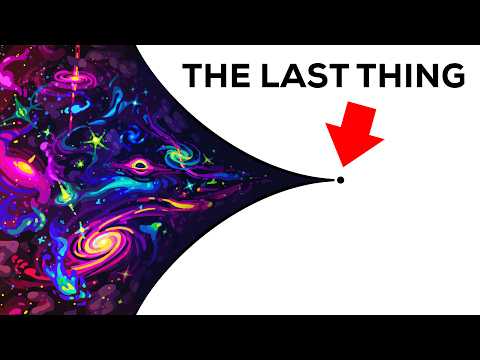
林宜悉 posted on 2025/01/20Ever wondered what happens when the universe gets really, really old? This video dives into the mind-blowing possibilities of the universe's ultimate fate, from dying stars to the final moments of existence. You'll pick up some seriously cool advanced vocabulary related to cosmology and stellar evolution, all explained in a super engaging way!
Learn this video on the APP!
The VoiceTube App has more in-depth practice for videos!