
accelerate
US /ækˈsɛləˌret/
UK /əkˈseləreɪt/
- Transitive Verb
- To cause to occur earlier than expected
- To increase the speed or rate of something
B1TOEICMoreagent
US /ˈedʒənt/
UK /'eɪdʒənt/
- Noun
- Chemical with the power to make chemical reactions
- Person who represents or decides for others
A2TOEICMorealgorithm
US /ˈælɡəˌrɪðəm/
UK /'ælɡərɪðəm/
- Noun
- A step-by-step problem-solving feature
B2Moreartificial
US /ˌɑrtəˈfɪʃəl/
UK /ˌɑ:tɪ'fɪʃl/
- Adjective
- Dishonest, to seem fake, not sincere
- (Something) made by people; not created by nature
B1TOEICMoreaspect
US /ˈæspɛkt/
UK /'æspekt/
- Noun (Countable/Uncountable)
- Way something looks or seems to be
- An element, feature, or quality of something
A2TOEICMoreassume
US /əˈsum/
UK /ə'sju:m/
- Transitive Verb
- To act in a false manner to mislead others
- To believe, based on the evidence; suppose
A2TOEICMorebased on
US
UK
- Phrasal Verb
- To use something as the foundation or starting point for something else.
- Preposition
- Using something as the main idea or foundation.
- Relying on something as evidence or justification.
A1Morebetter understanding
US
UK
- Uncountable Noun
- An improved level of comprehension or knowledge.
B2Morebring to
US /brɪŋ tu/
UK /briŋ tu:/
- Phrasal Verb
- To make someone to wake up from being unconscious
A1Morebroccoli
US /ˈbrɑkəli/
UK /'brɒkəlɪ/
- Noun (Countable/Uncountable)
- Vegetable with thick branches and green flowers
- The plant that produces broccoli.
B2Morebuild into
US
UK
- Phrasal Verb
- To include something as a part of a design, system, or plan.
by doing that
US
UK
- Phrase
- Using that action or method.
A2Morecapable
US /ˈkepəbəl/
UK /'keɪpəbl/
- Adjective
- Being able to do something very well; proficient
- Having the ability, fitness, or quality necessary to do or achieve a specified thing.
A2Morechallenge
US /ˈtʃæləndʒ/
UK /'tʃælɪndʒ/
- Noun (Countable/Uncountable)
- An activity you wish to try that may be hard to do
- Act of formally inviting someone to compete
- Transitive Verb
- To formally invite someone to compete at something
- To question the correctness of something
A2Morecognition
US /kɑ:gˈnɪʃn/
UK /kɒgˈnɪʃn/
- Uncountable Noun
- Recognition involved in thought processing
C1Morecome up to
US
UK
- Phrasal Verb
- To meet expectations
A1Morecomplex
US /kəmˈplɛks, ˈkɑmˌplɛks/
UK /'kɒmpleks/
- Countable Noun
- Group of buildings all used for the same purpose
- Adjective
- Not being simple; having many parts or aspects
A2Moredespite the fact
US
UK
- Preposition
- In spite of; notwithstanding.
- Conjunction
- Even though; although.
A2Moreefficient
US /ɪˈfɪʃənt/
UK /ɪˈfɪʃnt/
- Adjective
- Able to produce results without waste
- Capable of producing desired results with little or no waste (of time, energy, or other resources).
A2TOEICMoreexact
US /ɪɡˈzækt/
UK /ɪɡ'zækt/
- Adjective
- Completely correct; accurate; specific
- Transitive Verb
- To get something, sometimes using force
A2TOEICMoreexperience in
US
UK
- Phrase
- Knowledge or skill gained from doing something for a period of time.
- Exposure to or involvement in a particular activity or situation.
B1Morefeedback
US /ˈfidˌbæk/
UK /ˈfi:dbæk/
- Noun (Countable/Uncountable)
- A response or opinion, about a service, etc.
- Information about reactions to a product, a person's performance of a task, etc. which is used as a basis for improvement.
- Verb (Transitive/Intransitive)
- To give information or opinions about something to someone, especially in order to improve it.
B1TOEICMorefeel like
US
UK
- Intransitive Verb
- To have a desire or inclination for something.
- To have a particular quality or sensation; resemble.
A1Morefigure out
US /ˈfɪɡjɚ aʊt/
UK /ˈfiɡə aut/
- Phrasal Verb
- To understand the behavior of someone
- To think through logically to find a solution
- Verb (Transitive/Intransitive)
- To understand or find an answer to something.
- To find a solution to a problem or understand something.
A1Morefor example
US
UK
- Phrase
- As an illustration or instance.
generalization
US //ˌʤɛnərəlɪˈzeɪʃən//
UK
- Noun
- Making a statement about a group from limited data
B2Moregoal
US /ɡol/
UK /ɡəʊl/
- Noun (Countable/Uncountable)
- Something you try to do or achieve; an aim
- (Sports) net into which you put a ball to score
A2TOEICMorehave to
US /hæv tu/
UK /ˈhæv tə/
- Auxiliary Verb
- Must do
A1Moreimitation
US /ˌɪmɪˈteʃən/
UK /ˌɪmɪˈteɪʃn/
- Noun (Countable/Uncountable)
- Act of copying or imitating something
- Something made to look like something else, often of lesser quality.
- Adjective
- Made to resemble something else, typically of higher value or quality.
B2Moreimpression
US /ɪmˈprɛʃən/
UK /ɪmˈpreʃn/
- Noun (Countable/Uncountable)
- Effect or feeling resulting from an experience
- Act of pressing into a material to make a pattern
B1TOEICMorein general
US /ɪn ˈdʒɛnərəl/
UK /in ˈdʒenərəl/
- Phrase
- Typically; usually; on the whole.
- Not specific or detailed; broadly.
- Adjective
- Not detailed or specific; overall.
C2Morein order to
US /ɪn ˈɔrdɚ tu/
UK /in ˈɔ:də tu:/
- Preposition
- For the purpose of; with the aim of.
- Phrase
- In a specific sequence or arrangement.
- With the aim of; for the purpose of.
C1Morein reality
US /ɪn riˈælɪti/
UK /in riˈæliti/
- Phrase
- Actually; in fact; truly.
B2Morein the past
US
UK
- Phrase
- During a former period of time; previously.
A1Morein the world
US /ɪn ði wɜrld/
UK /in ðə wɜː(r)ld/
- Phrase
- Used to emphasize a question expressing surprise, confusion, disbelief
- Used to indicate the extent or degree of something, often in a superlative sense
A1Moreinteract
US /ˌɪntɚˈækt/
UK /ˌɪntər'ækt/
- Intransitive Verb
- To talk or do things with each other
A2Moreinteract with
US /ˌɪntɚˈækt wɪð/
UK /ˌɪntərˈækt wið/
- Phrase
- Verb (Transitive/Intransitive)
- To engage in communication or action involving mutual or reciprocal influence.
- To use a computer interface to achieve a specific goal.
A2Moreinteraction
US /ˌɪntɚˈækʃən/
UK /ˌɪntər'ækʃn/
- Noun (Countable/Uncountable)
- Process of people or things affecting each other
- The activity of talking to other people, working together etc
A2Morelean towards
US /lin 'təuədz/
UK /li:n tə'wɔ:dz/
- Phrasal Verb
- To be inclined to support or favor something; to tend to agree with.
B2Moreleverage
US /ˈlɛvərɪdʒ, ˈlivə-/
UK /'li:vərɪdʒ/
- Noun (Countable/Uncountable)
- An advantage which gives you influence or power
- An advantage gained through the use of resources or a strategic position
- Transitive Verb
- To use an advantage which gives you influence
B2TOEICMorelook at
US /lʊk æt/
UK /luk æt/
- Phrasal Verb
- To use your eyes to focus on something
- To focus your eyes on something carefully
A1Moreloop in
US /lup ɪn/
UK /lu:p ɪn/
- other
- To include someone in a conversation or communication.
B2Moremanipulation
US /məˌnɪpjʊˈleʃən/
UK /məˌnɪpjʊ'leɪʃn/
- Noun (Countable/Uncountable)
- Act of controlling to gain an advantage
- Act of moving something using your hands
B1Moremassive
US /ˈmæsɪv/
UK /ˈmæsɪv/
- Adjective
- Very big; large; too big
- Large or imposing in scale or scope.
B1Moremess up
US /mɛs ʌp/
UK /mes ʌp/
- Phrasal Verb
- To make a mistake
- To make something untidy or dirty.
- Verb (Transitive/Intransitive)
- To make something untidy or dirty.
- To spoil or ruin something.
A2Moremove over
US /muv ˈovɚ/
UK /mu:v ˈəuvə/
- Phrasal Verb
- To make room for someone or something by shifting position.
- To change one's job or position within an organization.
move to
US /muv tu/
UK /mu:v tu:/
- Phrasal Verb
- To change the place where you live or work.
- Verb (Transitive/Intransitive)
- To proceed to the next stage or action.
A2Moremultiply
US /ˈmʌltəˌplaɪ/
UK /ˈmʌltɪplaɪ/
- Verb (Transitive/Intransitive)
- To increase in number by reproducing/having babies
- To increase something by a large quantity
B1Moreneural
US /ˈnʊrəl, ˈnjʊr-/
UK /ˈnjuərəl/
- Adjective
- About the nerves or nervous system
B2Morenotion
US /ˈnoʃən/
UK /ˈnəuʃən/
- Noun
- Sudden idea or desire to do something
B1TOEICMoreobject
US /ˈɑbdʒɪkt/
UK /'ɒbdʒɪkt/
- Noun (Countable/Uncountable)
- Something you can see or touch, but is not alive
- Goal or purpose of a particular plan or activity
- Verb (Transitive/Intransitive)
- To disagree; to protest against an idea or plan
- To state one's reason for disagreement
A2TOEICMoreoff of
US /ɔf ʌv/
UK /ɔf ɔv/
- Preposition
- From a position on something; down from.
A1Moreoff the ground
US /ɔf ði ɡraʊnd/
UK /ɔf ðə ɡraund/
- Phrase
- Having started or begun to operate or succeed.
- Airborne; having left the ground.
A1Moreon a plate
US /ɑn e plet/
UK /ɔn ə pleit/
- Phrase
- To receive something easily, without much effort.
- Presented to someone without them having to work for it.
A1Moreon the ground
US
UK
- Phrase
- Located on the surface of the earth.
- Present and available in a particular place, especially to deal with a situation.
on the internet
US
UK
- Phrase
- Located or available on the internet.
- Using the internet as a medium or platform.
A1Moreover time
US /ˈovɚ taɪm/
UK /ˈəuvə taim/
- Phrase
- Gradually; as time passes.
- During a long period.
- Adverb
- Gradually; as time passes.
B1Moreparadox
US /ˈpærəˌdɑks/
UK /'pærədɒks/
- Noun
- Surprising statement containing two opposing ideas
B2Moreperception
US /pɚˈsɛpʃən/
UK /pəˈsepʃn/
- Noun (Countable/Uncountable)
- Way in which one sees or understands something
- The ability to see, hear, or become aware of something through the senses.
B1Moreperspective
US /pɚˈspɛktɪv/
UK /pə'spektɪv/
- Noun (Countable/Uncountable)
- Artistic method of creating a sense of distance
- Ability to understand what is important in life
B1TOEICMorepick it up
US
UK
- Phrasal Verb
- To lift something from a surface.
- To collect something or someone.
A2Moreprevious
US /ˈpriviəs/
UK /ˈpri:viəs/
- Adjective
- Existing or happening before the present time
- Existing or occurring immediately before in time or order.
- Noun
- A button or link that allows navigation to a preceding item or page.
A2TOEICMorerather than
US
UK
- Adverb
- More exactly; more correctly
- Preferably; instead
- Preposition
- Instead of
A1Morerecognize
US /ˈrek.əɡ.naɪz/
UK /ˈrek.əɡ.naɪz/
- Transitive Verb
- To accept the truth or reality of something
- To consider something as important or special
A2TOEICMorereinforcement
US /ˌriɪnˈfɔrsmənt, -ˈfors-/
UK /ˌri:ɪn'fɔ:smənt/
- Noun
- Act of strengthening or supporting an army
- Act of strengthening or adding support to
B2TOEICMorerely on
US /rɪˈlaɪ ɑn/
UK /riˈlai ɔn/
- Phrasal Verb
- To depend on someone or something
A2Moresecond nature
US /ˈsɛkənd ˈnetʃɚ/
UK /ˈsekənd ˈneitʃə/
- Noun
- A behavior that has become automatic or habitual.
A2Moresensation
US /sɛnˈseʃən/
UK /sen'seɪʃn/
- Noun
- (Person) attracting the interest of many people
- Mental feeling caused by a previous experience
B1Moresensory
US /ˈsɛnsəri/
UK /ˈsensəri/
- Adjective
- Referring to the physical senses
B2Moresimulate
US /ˈsɪmjəˌlet/
UK /'sɪmjʊleɪt/
- Transitive Verb
- To copy something or look or behave like it
B1TOEICMoresimulation
US /ˌsɪmjəˈleʃən/
UK /ˌsɪmjuˈleɪʃn/
- Noun
- A copying method to study the real world
B1TOEICMorestack
US /stæk/
UK /stæk/
- Noun (Countable/Uncountable)
- A large number or amount of something
- Large tube through which smoke exits a building
- Transitive Verb
- To arrange cards in a certain order, to cheat
- To put one thing on top of another, e.g. boxes
B1TOEICMorestuff
US /stʌf/
UK /stʌf/
- Uncountable Noun
- Generic description for things, materials, objects
- Transitive Verb
- To push material inside something, with force
B1Moretake in
US
UK
- Phrasal Verb
- To allow to enter; receive as a guest
- To include or add
- Transitive Verb
- To absorb (liquid).
- To understand or comprehend something.
A1Moretake over
US /tek ˈovɚ/
UK /teik ˈəuvə/
- Phrasal Verb
- To gain control of (a company) from someone else
- To assume control or possession of something.
A1Moretalk about it
US /tɔk əˈbaʊt ɪt/
UK /tɔ:k əˈbaut it/
- Verb (Transitive/Intransitive)
- To discuss a particular subject.
A1Moretalking about
US
UK
- Phrasal Verb
- To discuss a particular topic.
- To be constantly mentioning or bringing up a subject.
A1Moretask
US /tæsk/
UK /tɑ:sk/
- Noun (Countable/Uncountable)
- Big or small piece of work someone has to do
- Transitive Verb
- To be given something to do, e.g. wash dishes
A2TOEICMorethink about
US /θɪŋk əˈbaʊt/
UK /θiŋk əˈbaut/
- Phrasal Verb
- To consider something carefully.
- To remember or call to mind.
A1Morethink of
US /θɪŋk ʌv/
UK /θiŋk ɔv/
- Phrasal Verb
- To look on as (being something specific); consider
- To consider or remember something.
- Verb (Transitive/Intransitive)
- To imagine or call something to mind
A1Moretofu
US /'toʊfu:/
UK /'təʊfu:/
- Uncountable Noun
- Compressed bean curd used in cooking
C1Moretry out
US /traɪ aʊt/
UK /trai aut/
- Phrasal Verb
- To try to win a place on a team in a group
- To test briefly to determine how well it works
A1Moreused to
US /juzd tu/
UK /ˈju:st tə/
- Adjective
- Did regularly before, but don't do now
- Auxiliary Verb
- Have done before, but do not do now
A1More
Vocabulary
- think about: To consider something carefully.
- for example: As an illustration or instance.
- talking about: To discuss a particular topic.
- figure out: To understand the behavior of someone
- move over: To make room for someone or something by shifting position.
- look at: To use your eyes to focus on something
- in order to: For the purpose of; with the aim of.
- in the world: Used to emphasize a question expressing surprise, confusion, disbelief
- have to: Must do
- second nature: A behavior that has become automatic or habitual.
- pick it up: To lift something from a surface.
- experience in: Knowledge or skill gained from doing something for a period of time.
- take over: To gain control of (a company) from someone else
- think of: To look on as (being something specific); consider
- based on: To use something as the foundation or starting point for something else.
- move to: To change the place where you live or work.
- on the ground: Located on the surface of the earth.
- off the ground: Having started or begun to operate or succeed.
- loop in: To include someone in a conversation or communication.
- in general: Typically; usually; on the whole.
- take in: To allow to enter; receive as a guest
- build into: To include something as a part of a design, system, or plan.
- used to: Did regularly before, but don't do now
- off of: From a position on something; down from.
- feel like: To have a desire or inclination for something.
- mess up: To make a mistake
- on the internet: Located or available on the internet.
- by doing that: Using that action or method.
- in the past: During a former period of time; previously.
- on a plate: To receive something easily, without much effort.
- lean towards: To be inclined to support or favor something; to tend to agree with.
- interact with
- rather than: More exactly; more correctly
- in reality: Actually; in fact; truly.
- try out: To try to win a place on a team in a group
- rely on: To depend on someone or something
- over time: Gradually; as time passes.
- come up to: To meet expectations
- bring to: To make someone to wake up from being unconscious
- talk about it: To discuss a particular subject.
- despite the fact: In spite of; notwithstanding.
- better understanding: An improved level of comprehension or knowledge.
- stuff: Generic description for things, materials, objects
- perspective: Artistic method of creating a sense of distance
- assume: To act in a false manner to mislead others
- perception: Way in which one sees or understands something
- massive: Very big; large; too big
- recognize: To accept the truth or reality of something
- figure: To appear in a game, play or event
- aspect: Way something looks or seems to be
- experience: Thing a person has done or that happened to them
- sensation: (Person) attracting the interest of many people
- common: Area in a city or town that is open to everyone
- artificial: Dishonest, to seem fake, not sincere
- exact: Completely correct; accurate; specific
- interact: To talk or do things with each other
- complex: Group of buildings all used for the same purpose
- previous: Existing or happening before the present time
- capable: Being able to do something very well; proficient
- paradox: Surprising statement containing two opposing ideas
- bit: Device put in a horse's mouth to control it
- notion: Sudden idea or desire to do something
- algorithm: A step-by-step problem-solving feature
- leverage: An advantage which gives you influence or power
- impression: Effect or feeling resulting from an experience
- interaction: Process of people or things affecting each other
- efficient: Able to produce results without waste
- task: Big or small piece of work someone has to do
- similar: Nearly the same; alike
- neural: About the nerves or nervous system
- stack: A large number or amount of something
- perform: To carry out an action well or successfully
- challenge: An activity you wish to try that may be hard to do
- imitation: Act of copying or imitating something
- accelerate: To cause to occur earlier than expected
- sensory: Referring to the physical senses
- object: Something you can see or touch, but is not alive
- manipulation: Act of controlling to gain an advantage
- broccoli: Vegetable with thick branches and green flowers
- goal: Something you try to do or achieve; an aim
- feedback: A response or opinion, about a service, etc.
- agent: Chemical with the power to make chemical reactions
- lot: What happens to a person in life from chance; fate
- kind: In a caring and helpful manner
- order: Religious or social group, as of nuns
- promise: To say you will certainly do something
- learn: To get knowledge or skills by study or experience
- system: Set of organized, planned ideas that work together
- simple: Not hard to understand or do; not complex
- build: Your physical shape; physique
- multiply: To increase in number by reproducing/having babies
- reinforcement: Act of strengthening or supporting an army
- language: Words or signs used to communicate messages
- cognition: Recognition involved in thought processing
- simulate: To copy something or look or behave like it
- simulation: A copying method to study the real world
- generalization: Making a statement about a group from limited data
- tofu: Compressed bean curd used in cooking
Get the full experience in the app
Learn anywhere with detailed sentence and usage analysis
01:03
She took a brave step forward, leaving behind her comfort zone to chase her dreams.
Vocabulary
- brave
adj. Having courage
- comfort zone
phr. A familiar situation where one feels safe
Explanation
a brave step is a noun phrase, where brave is an adjective modifying the noun step, meaning "a courageous step".
forward is an adverb modifying step, meaning "ahead".
The whole phrase serves as the object, answering the "what" of took (verb) — she took a brave step forward.
Get the full experience in the app
Look up words anytime with pronunciation, part of speech, and usage
brave
US/brev/
UK/breɪv/
adj.Brave
v.t.To bravely face
A2 Elementary
Get the full experience in the app
Practice speaking anytime and get instant pronunciation feedback
Try this speaking exercise.
Try practicing with this sentence.
80
0
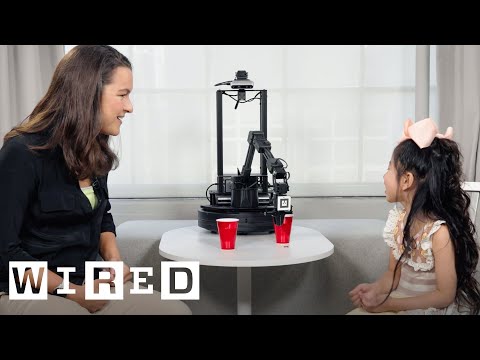
林宜悉 posted on 2025/02/22Ever wondered why robots can master complex tasks but struggle with simple human actions? This video dives into the fascinating Moravec's paradox, explaining it with real-world robotics examples and demos! You'll pick up advanced vocabulary related to AI and perception-action loops, making it a fantastic way to boost your English knowledge.
Learn this video on the APP!
The VoiceTube App has more in-depth practice for videos!