
advance
US /ædˈvæns/
UK /əd'vɑ:ns/
- Noun
- Forward movement by an army
- An attempt to seduce someone
- Verb (Transitive/Intransitive)
- (Of an army) to move forward
- To change or improve
A2TOEICMorealong with
US /əˈlɔŋ wɪð/
UK /əˈlɔŋ wið/
- Preposition
- In addition to; together with.
- Adverb
- In company or together with someone or something.
- Including; in addition to.
A2Morealtimeter
US /ælˈtɪmɪtɚ/
UK /ˈæltimi:tə/
- Noun
- Instrument that measures the height above ground
C2Moreancient
US /ˈenʃənt/
UK /'eɪnʃənt/
- Adjective
- Very old; having lived a very long time ago
- Relating to a period in history, especially in the distant past.
- Noun
- A person who lived in ancient times.
A2Moreanswer to
US
UK
- Phrasal Verb
- To be responsible to someone and have to explain your actions to them.
- To correspond to or match a description or requirement.
A1Moreapocalypse
US /əˈpɑkəˌlɪps/
UK /əˈpɒkəlɪps/
- Noun (Countable/Uncountable)
- Great disaster; complete destruction
- A disclosure of something hidden from the majority of mankind.
B2Morearchaeological
US /ˌɑ:kɪr'lɒdʒɪkl/
UK /ˌɑ:kɪə'lɒdʒɪkl/
- Adjective
- Concerning the study of ancient societies
C1Morearchaeologist
US /ˌɑrkɪˈɑlədʒɪst/
UK /ˌɑ:kiˈɒlədʒɪst/
- Countable Noun
- Scientist studying ancient societies
C1Morearchaeology
US /ˌɑrkiˈɑlədʒi/
UK /ˌɑ:kiˈɒlədʒi/
- Uncountable Noun
- The study of ancient societies
C1Moreartifact
US /ˈɑrtəˌfækt/
UK /'ɑ:təˌfækt/
- Countable Noun
- Object made by humans, e.g. ancient tool
B1Moreat hand
US /æt hænd/
UK /æt hænd/
- Phrase
- Close by; readily available.
- About to happen; imminent.
- Adjective
- Nearby; easily available
A1Moreat home
US /æt hom/
UK /æt həum/
- Phrase
- In one's own residence or country.
- Adjective
- Feeling comfortable and relaxed.
at least
US /æt list/
UK /æt li:st/
- Adverb
- As a minimum
- Not less than
- Phrase
- No less than; at the minimum
- Used to indicate that something is positive in a bad situation.
C2Morebaseless
US
UK
- Adjective
- Without any reason or justification
B2Morebreaks down
US
UK
- Phrasal Verb
- To forcibly break, destroy or make collapse
- (Machine) to stop working or become weaker
A1Morebuild on
US /bɪld ɑn/
UK /bild ɔn/
- Phrasal Verb
- To develop or expand something; to use something as a foundation for further progress.
- To use something as a base or foundation for further development or success.
A2Morebunch
US /bʌntʃ/
UK /bʌntʃ/
- Noun (Countable/Uncountable)
- A group of things of the same kind
- A group of people.
- Transitive Verb
- To group people or things closely together
B1Morebust out
US /bʌst aʊt/
UK /bʌst aut/
- Phrasal Verb
- To escape from a place, especially prison.
- To suddenly begin doing something, such as laughing or singing.
A1Morecarbon
US /ˈkɑrbən/
UK /'kɑ:bən/
- Uncountable Noun
- Chemical element with an atomic number of 6
B1Morecheck out
US /tʃɛk aʊt/
UK /tʃek aut/
- Phrase
- Phrasal Verb
- To find out information about something
- To take books out of a library
A1Morechin
US /tʃɪn/
UK /tʃɪn/
- Noun
- Part of your face below your mouth above your neck
B2Moreclink
US /klɪŋk/
UK /klɪŋk/
- Intransitive Verb
- To make light sound as when glasses are tapped
C1Morecompass
US /ˈkʌmpəs, ˈkɑm-/
UK /ˈkʌmpəs/
- Noun
- Device that shows the direction of north
- Two-pointed tool for drawing circles, etc.
B2Moreconstruction
US /kənˈstrʌkʃən/
UK /kən'strʌkʃn/
- Noun (Countable/Uncountable)
- Act of building something; thing that is built
- Something that is made using different parts
A2Morecursor
US /ˈkə:sɚ/
UK /ˈkɜ:sə/
- Noun
- Mark showing where the mouse is on computer screen
B2Morecut through
US /kʌt θru/
UK /kʌt θru:/
- Phrasal Verb
- To pass or go directly through something, often overcoming an obstacle.
- To overcome resistance or opposition effectively.
- Verb (Transitive/Intransitive)
- To make a path or opening by cutting.
- To deeply affect someone's emotions or defenses.
depending on
US
UK
- Phrasal Verb
- To rely on for support (financial or emotional)
- Influenced or determined by.
- Preposition
- Subject to; contingent on
- Relying on someone or something for support or assistance.
A2Moredestiny
US /ˈdɛstəni/
UK /'destənɪ/
- Uncountable Noun
- Someone's future; the power that governs this
B1Moredial
US /ˈdaɪəl/
UK /'daɪəl/
- Transitive Verb
- To call a person or place on a telephone
- Noun (Countable/Uncountable)
- Face of a clock that shows the time
- A knob or switch
B1TOEICMoredig
US /dɪɡ/
UK /dɪg/
- Verb (Transitive/Intransitive)
- To move material to create a hole
- To search or investigate thoroughly.
A2Moredig around
US
UK
- Phrasal Verb
- To search for something by looking through and moving things around.
A2Moredissertation
US /ˌdɪsɚˈteʃən/
UK /ˌdɪsəˈteɪʃn/
- Noun (Countable/Uncountable)
- An in-depth paper submitted for a higher degree
B2Moredue to
US /du tu/
UK /dju: tu:/
- Preposition
- Because of; owing to
- Adjective
- Attributable to; caused by.
A1Moreedge
US /ɛdʒ/
UK /edʒ/
- Noun (Countable/Uncountable)
- An advantage you have over others
- Cutting side of a sharp object
- Transitive Verb
- To cut something to make the blade sharp
- To go around the boundary of something
A2TOEICMoreendurance
US /ɛnˈdʊrəns, -ˈdjʊr-/
UK /ɪn'djʊərəns/
- Uncountable Noun
- Quality of lasting or of being permanent
- Ability to continue through difficulty
B2Moreexact
US /ɪɡˈzækt/
UK /ɪɡ'zækt/
- Adjective
- Completely correct; accurate; specific
- Transitive Verb
- To get something, sometimes using force
A2TOEICMorefacial
US /ˈfeʃəl/
UK /'feɪʃl/
- Noun (Countable/Uncountable)
- Treatment to improve condition of the skin of face
- Adjective
- Concerning or on the face
B2Morefeel like
US
UK
- Intransitive Verb
- To have a desire or inclination for something.
- To have a particular quality or sensation; resemble.
A1Morefigure out
US /ˈfɪɡjɚ aʊt/
UK /ˈfiɡə aut/
- Phrasal Verb
- To understand the behavior of someone
- To think through logically to find a solution
- Verb (Transitive/Intransitive)
- To understand or find an answer to something.
- To find a solution to a problem or understand something.
A1Morefor the best
US
UK
- Phrase
- Resulting in the most positive or beneficial outcome, even if it's difficult or painful in the short term.
- Hoping for a positive outcome.
A1Morefrom time to time
US
UK
- Phrase
- Occasionally; sometimes but not regularly.
- At intervals; now and then.
A1Moregoing on
US /ˈɡoɪŋ ɑn/
UK /ˈgəʊɪŋ ɔn/
- Phrasal Verb
- To continue doing something
- To happen (usually negative)
A1Moregot to
US /ɡɑt tu/
UK /gɔt tu:/
- Verb (Transitive/Intransitive)
- To arrive at some place
- To have the opportunity or permission to do something
- Phrasal Verb
- To appeal to the emotions of; move
- To finally begin to start something after a delay
A1Morehammer
US /ˈhæmɚ/
UK /ˈhæmə(r)/
- Transitive Verb
- To bring severe damage, harm, or blame upon
- To defeat someone easily and totally
- Noun
- Part of a gun that causes a bullet to shoot out
- Heavy metal tool for hitting a nail into wood
B1Morehard to say
US
UK
- Phrase
- Difficult to know or predict; uncertain.
A1Morehave to
US /hæv tu/
UK /ˈhæv tə/
- Auxiliary Verb
- Must do
A1Morehell
US /hɛl/
UK /hel/
- Noun (Countable/Uncountable)
- Any place of pain and suffering
- A very unpleasant or difficult experience.
A2Morein order to
US /ɪn ˈɔrdɚ tu/
UK /in ˈɔ:də tu:/
- Preposition
- For the purpose of; with the aim of.
- Phrase
- In a specific sequence or arrangement.
- With the aim of; for the purpose of.
C1Morein terms of
US
UK
- Phrase
- With regard to; concerning a particular aspect.
A1Morein the field
US
UK
- Phrase
- Working or doing research in a real-world environment, not in a classroom or laboratory.
- Located on the playing area of a sports ground.
A1Morein time
US /ɪn taɪm/
UK /in taim/
- Adverb
- Eventually; after a period of time.
- Not late; with enough time to spare.
- Phrase
- Eventually; before it is too late.
- According to the scheduled time; punctual.
A1Morejungle
US /ˈdʒʌŋɡəl/
UK /'dʒʌŋɡl/
- Noun (Countable/Uncountable)
- Tropical area with many wild plants and animals
- Environment which is difficult, harsh, or complex
B1Morelab
US /læb/
UK /læb/
- Noun (Countable/Uncountable)
- Short for 'laboratory'
B1Morelocal communities
US
UK
- Noun (plural)
- Groups of people living in the same area or having particular characteristics in common.
- Neighborhoods or districts where people share social connections and common interests.
B2Morelocation
US /loʊˈkeɪʃn/
UK /ləʊˈkeɪʃn/
- Noun (Countable/Uncountable)
- Particular position or area of place, event, etc.
- A place away from a studio where film or television shots are made.
B1TOEICMorelodge
US /lɑdʒ/
UK /lɒdʒ/
- Verb (Transitive/Intransitive)
- To (provide a place to) stay for a short time
- To submit (complaint, application etc.)
- Noun
- A wooden house in the mountains
B1Morelook at
US /lʊk æt/
UK /luk æt/
- Phrasal Verb
- To use your eyes to focus on something
- To focus your eyes on something carefully
A1Morelook for
US /lʊk fɔr/
UK /luk fɔ:/
- Phrasal Verb
- To try to find a thing or person that is lost
- To expect or anticipate something.
A1Moremayan
US /'mɑ:jən/
UK /'mɑ:jən/
- Adjective
- Of ancient Indian civilization, e.g. in Yucatan
B2Moremove around
US /muv əˈraʊnd/
UK /mu:v əˈraund/
- Phrasal Verb
- To change position or location; to go from place to place.
- Intransitive Verb
- To spread or circulate (e.g., information, rumors).
much about
US /mʌtʃ əˈbaʊt/
UK /mʌtʃ əˈbaut/
- Phrase
- A lot of information or knowledge concerning something.
- To a great extent or degree regarding something; caring.
A1Morenarrow
US /ˈnæro/
UK /'nærəʊ/
- Adjective
- Not wide; short from one side to the other
- Limited; not broad in scope
- Intransitive Verb
- To become thinner or less wide
A2TOEICMoreof late
US
UK
- Phrase
- Recently; lately.
A1Moreoff of
US /ɔf ʌv/
UK /ɔf ɔv/
- Preposition
- From a position on something; down from.
A1Moreon the order of
US /ɑn ðə ˈɔrdɚ ʌv/
UK /ɒn ðə ˈɔ:də ɒv/
- Preposition
- Approximately; about a certain amount or number.
C1Moreover time
US /ˈovɚ taɪm/
UK /ˈəuvə taim/
- Phrase
- Gradually; as time passes.
- During a long period.
- Adverb
- Gradually; as time passes.
B1Morepelvis
US /ˈpɛlvɪs/
UK /'pelvɪs/
- Noun
- Bone joining the hip to Back and legs
B2Morepop up
US /pɑp ʌp/
UK /pɔp ʌp/
- Intransitive Verb
- To appear suddenly.
- Phrasal Verb
- To appear suddenly and unexpectedly.
- To appear on a computer screen.
A1Moreprecise
US /prɪˈsaɪs/
UK /prɪ'saɪs/
- Adjective
- (Of language details etc.) Very accurate and exact
- (Of a time, place, quality) exact
A2TOEICMoreput it down
US
UK
- Phrasal Verb
- To place something on a surface.
- To write something down.
A1Morepyramid
US /ˈpɪrəmɪd/
UK /'pɪrəmɪd/
- Noun
- Four-sided structure with sides meeting at the top
- With a small management and huge workforce
B1Moreremain
US /rɪˈmen/
UK /rɪˈmeɪn/
- Intransitive Verb
- To be left behind; to continue to exist
- To stay in a place when other people have gone
A2TOEICMoreresearch
US /rɪˈsɚtʃ, ˈriˌsɚtʃ/
UK /rɪ'sɜ:tʃ/
- Verb (Transitive/Intransitive)
- To study in order to discover new ideas and facts
- To study the market relating to marketing products and services.
- Noun (Countable/Uncountable)
- Study done to discover new ideas and facts
- A particular area or topic of study.
A2TOEICMoreroll
US /rol/
UK /rəʊl/
- Countable Noun
- Small, round piece of bread for one person to eat
- Photographic film wrapped round and round itself
- Verb (Transitive/Intransitive)
- To continue along as time normally progresses
- To produce a very deep and continuous sound
A2TOEICMoresacrifice
US /ˈsækrəˌfaɪs/
UK /'sækrɪfaɪs/
- Noun
- Person/animal killed in a sacrifice (to a god)
- Person/animal killed to please a god
- Transitive Verb
- To kill an animal or human to please a god
- To give up your life for others, for a cause etc.
B1Moresalvage
US /ˈsælvɪdʒ/
UK /'sælvɪdʒ/
- Transitive Verb
- To save damaged or discarded material
- To do something to prevent a disaster
B2TOEICMoreshipwreck
US /ˈʃɪpˌrɛk/
UK /ˈʃɪprek/
- Noun
- Loss/destruction of a ship at sea by a storm, etc.
C2Moreskeleton
US /ˈskɛlɪtn/
UK /ˈskelɪtn/
- Noun (Countable/Uncountable)
- Structure of bones that supports the body
- Frame that provides support for e.g. a building
- Adjective
- Outline of the basic of main part of something
B1Moreskull
US /skʌl/
UK /skʌl/
- Noun
- Structure of bones forming the face and head
B2Moreslow down
US /slo daʊn/
UK /sləu daun/
- Phrasal Verb
- To reduce the speed
- To become less active or busy.
A1Moresoil
US /sɔɪl/
UK /sɔɪl/
- Uncountable Noun
- Conditions in which something develops
- Mix of natural material in which plants grow
- Transitive Verb
- To get or become dirty
B1Morespecific
US /spɪˈsɪfɪk/
UK /spəˈsɪfɪk/
- Adjective
- Precise; particular; just about that thing
- Concerning one particular thing or kind of thing
A2Morestuff
US /stʌf/
UK /stʌf/
- Uncountable Noun
- Generic description for things, materials, objects
- Transitive Verb
- To push material inside something, with force
B1Moresurvey
US /ˈsɜː(r)veɪ/
UK /'sɜ:veɪ/
- Noun (Countable/Uncountable)
- Broad view or general description of something
- Act of measuring land or property to make a map
- Transitive Verb
- To offer a broad view or general description
- To measure an area of land to make a map of it
A2TOEICMoretechnology
US /tɛkˈnɑlədʒi/
UK /tek'nɒlədʒɪ/
- Uncountable Noun
- Use or knowledge of science in industry etc.
- Machinery and equipment developed from scientific knowledge.
A2TOEICMorethings change
US
UK
- Phrase
- Circumstances or situations do not remain constant; they evolve or transform over time.
- An acknowledgement of the need to adapt to new realities or developments.
A1Morethink about
US /θɪŋk əˈbaʊt/
UK /θiŋk əˈbaut/
- Phrasal Verb
- To consider something carefully.
- To remember or call to mind.
A1Moreunderworld
US /ˈʌndɚˌwə:ld/
UK /'ʌndəwɜ:ld/
- Noun
- Criminals as a group
B2Moreused to
US /juzd tu/
UK /ˈju:st tə/
- Adjective
- Did regularly before, but don't do now
- Auxiliary Verb
- Have done before, but do not do now
A1Morewither
US /ˈwɪðɚ/
UK /'wɪðə(r)/
- Intransitive Verb
- To become drier and smaller, as when dead or dying
- To lose vitality, energy or force
B2Morework off
US /wɚk ɔf/
UK /wə:k ɔf/
- Phrasal Verb
- To work to pay some debts
- To get rid of something through efforts
A1Morework on
US /wɚk ɑn/
UK /wə:k ɔn/
- Phrasal Verb
- To devote effort to improve or develop something
- To try to persuade or influence someone.
A1More
Vocabulary
- in order to: For the purpose of; with the aim of.
- in terms of
- have to: Must do
- on the order of: Approximately; about a certain amount or number.
- off of: From a position on something; down from.
- over time: Gradually; as time passes.
- much about: A lot of information or knowledge concerning something.
- breaks down: To forcibly break, destroy or make collapse
- got to: To arrive at some place
- work on: To devote effort to improve or develop something
- from time to time: Occasionally; sometimes but not regularly.
- things change: Circumstances or situations do not remain constant; they evolve or transform over time.
- move around: To change position or location; to go from place to place.
- at hand: Close by; readily available.
- depending on: To rely on for support (financial or emotional)
- slow down: To reduce the speed
- put it down: To place something on a surface.
- bust out: To escape from a place, especially prison.
- dig around: To search for something by looking through and moving things around.
- figure out: To understand the behavior of someone
- pop up: To appear suddenly.
- at least: As a minimum
- think about: To consider something carefully.
- local communities: Groups of people living in the same area or having particular characteristics in common.
- used to: Did regularly before, but don't do now
- due to: Because of; owing to
- work off: To work to pay some debts
- feel like: To have a desire or inclination for something.
- for the best: Resulting in the most positive or beneficial outcome, even if it's difficult or painful in the short term.
- build on: To develop or expand something; to use something as a foundation for further progress.
- along with: In addition to; together with.
- at home: In one's own residence or country.
- check out
- look for: To try to find a thing or person that is lost
- in time: Eventually; after a period of time.
- look at: To use your eyes to focus on something
- in the field: Working or doing research in a real-world environment, not in a classroom or laboratory.
- going on: To continue doing something
- cut through: To pass or go directly through something, often overcoming an obstacle.
- of late: Recently; lately.
- answer to: To be responsible to someone and have to explain your actions to them.
- hard to say: Difficult to know or predict; uncertain.
- stuff: Generic description for things, materials, objects
- specific: Precise; particular; just about that thing
- sort: To organize things by putting them into groups
- bunch: A group of things of the same kind
- evidence: Factual proof that helps to establish the truth
- ancient: Very old; having lived a very long time ago
- exact: Completely correct; accurate; specific
- research: To study in order to discover new ideas and facts
- sacrifice: Person/animal killed in a sacrifice (to a god)
- precise: (Of language details etc.) Very accurate and exact
- field: Area of study, such as physics or biology
- remain: To be left behind; to continue to exist
- edge: An advantage you have over others
- advance: Forward movement by an army
- survey: Broad view or general description of something
- construction: Act of building something; thing that is built
- endurance: Quality of lasting or of being permanent
- destiny: Someone's future; the power that governs this
- project: To predict what will happen in the future
- soil: Conditions in which something develops
- skull: Structure of bones forming the face and head
- apocalypse: Great disaster; complete destruction
- narrow: Not wide; short from one side to the other
- hell: Any place of pain and suffering
- carbon: Chemical element with an atomic number of 6
- pyramid: Four-sided structure with sides meeting at the top
- important: Having power or authority
- technology: Use or knowledge of science in industry etc.
- order: Religious or social group, as of nuns
- roll: Small, round piece of bread for one person to eat
- skeleton: Structure of bones that supports the body
- modern: Of the present time; up to date; contemporary
- facial: Treatment to improve condition of the skin of face
- antarctica: An extremely cold continent at the south pole almost entirely below the Antarctic Circle; covered by an ice cap up to , feet deep
- bring: To take or go with someone to a place
- dig: To move material to create a hole
- chin: Part of your face below your mouth above your neck
- find: To become aware of something that is happening
- dial: To call a person or place on a telephone
- wear: To have clothes, glasses, shoes etc. on your body
- compass: Device that shows the direction of north
- world: All the humans, events, activities on the earth
- area: Amount of measured space
- work: The product of some artistic or literary endeavor
- human: A person; a man, woman or child
- wither: To become drier and smaller, as when dead or dying
- artifact: Object made by humans, e.g. ancient tool
- lodge: To (provide a place to) stay for a short time
- location: Particular position or area of place, event, etc.
- hammer: To bring severe damage, harm, or blame upon
- lab: Short for 'laboratory'
- jungle: Tropical area with many wild plants and animals
- salvage: To save damaged or discarded material
- archaeologist: Scientist studying ancient societies
- dissertation: An in-depth paper submitted for a higher degree
- archaeological: Concerning the study of ancient societies
- pelvis: Bone joining the hip to Back and legs
- shipwreck: Loss/destruction of a ship at sea by a storm, etc.
- archaeology: The study of ancient societies
- cursor: Mark showing where the mouse is on computer screen
- baseless: Without any reason or justification
- underworld: Criminals as a group
- clink: To make light sound as when glasses are tapped
- altimeter: Instrument that measures the height above ground
- mayan: Of ancient Indian civilization, e.g. in Yucatan
Get the full experience in the app
Learn anywhere with detailed sentence and usage analysis
01:03
She took a brave step forward, leaving behind her comfort zone to chase her dreams.
Vocabulary
- brave
adj. Having courage
- comfort zone
phr. A familiar situation where one feels safe
Explanation
a brave step is a noun phrase, where brave is an adjective modifying the noun step, meaning "a courageous step".
forward is an adverb modifying step, meaning "ahead".
The whole phrase serves as the object, answering the "what" of took (verb) — she took a brave step forward.
Get the full experience in the app
Look up words anytime with pronunciation, part of speech, and usage
brave
US/brev/
UK/breɪv/
adj.Brave
v.t.To bravely face
A2 Elementary
Get the full experience in the app
Practice speaking anytime and get instant pronunciation feedback
Try this speaking exercise.
Try practicing with this sentence.
80
0
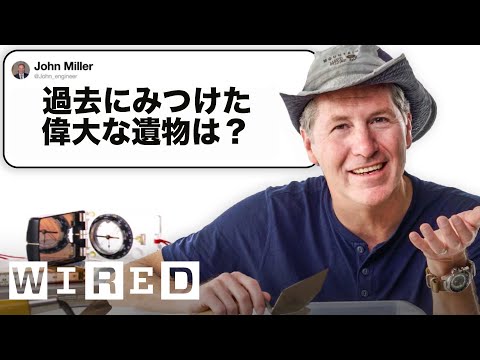
林宜悉 posted on 2025/03/06Ever wondered what archaeologists *really* do? This video dives deep into human history and research with an actual archaeologist, perfect for boosting your knowledge and picking up some advanced vocabulary along the way! You'll get a fascinating look at topics like radiocarbon dating and the Rosetta Stone, all explained clearly.
Learn this video on the APP!
The VoiceTube App has more in-depth practice for videos!