
academia
US /ˌækəˈdimiə/
UK /ˌækəˈdi:miə/
- Uncountable Noun
- Academic world; universities and their staff
- The environment or culture of universities and colleges, characterized by intellectual pursuits.
B2Moreadvance
US /ædˈvæns/
UK /əd'vɑ:ns/
- Noun
- Forward movement by an army
- An attempt to seduce someone
- Verb (Transitive/Intransitive)
- (Of an army) to move forward
- To change or improve
A2TOEICMorealgorithm
US /ˈælɡəˌrɪðəm/
UK /'ælɡərɪðəm/
- Noun
- A step-by-step problem-solving feature
B2Moreall the rage
US
UK
- Phrase
- Being the current popular thing
B1Moreanswer to
US
UK
- Phrasal Verb
- To be responsible to someone and have to explain your actions to them.
- To correspond to or match a description or requirement.
A1Moreartificially
US /ˌɑrtəˈfɪʃəlɪ/
UK /ˌɑ:tɪ'fɪʃəlɪ/
- Adverb
- Not naturally; made by people
B1Moreas well as
US /æz wɛl æz/
UK /æz wel æz/
- Adverb
- Also; in addition to
- Preposition
- In addition to; and also.
A1Moreas with
US /æz wɪð/
UK /æz wið/
- Preposition
- In the same way that something happens or is true of something else.
A1Moreat a time
US /æt e taɪm/
UK /æt ə taim/
- Phrase
- Separately; one by one
- Simultaneously; together
A1Moreat least
US /æt list/
UK /æt li:st/
- Adverb
- As a minimum
- Not less than
- Phrase
- No less than; at the minimum
- Used to indicate that something is positive in a bad situation.
C2Moreat once
US /æt wʌns/
UK /æt wʌns/
- Adverb
- Immediately; without delay
- At the same time; simultaneously
A2Moreback in the day
US
UK
- Phrase
- In the past; in former times.
- Referring to a past time, often with a sense of nostalgia or fondness.
A1Morebased on
US
UK
- Phrasal Verb
- To use something as the foundation or starting point for something else.
- Preposition
- Using something as the main idea or foundation.
- Relying on something as evidence or justification.
A1Morebefore long
US /bɪˈfɔr lɔŋ/
UK /biˈfɔ: lɔŋ/
- Phrase
- Soon; in a short time.
A1Morebehind the scenes
US
UK
- Phrase
- Secretly or without being known to the public.
- In a position to influence events without any public knowledge.
A1Morebinary
US /ˈbaɪnəri/
UK /ˈbaɪnəri/
- Adjective
- Having two parts; using only 2 numbers, 1 and 0
- Noun
- Mathematical language using only one and zero
B2Morebubble
US /ˈbʌbəl/
UK /ˈbʌbl/
- Countable Noun
- A small ball of air inside of a liquid
- Intransitive Verb
- (Of a liquid) to produce bubbles, as when boiling
- To show intense emotion, e.g. excitement, anger
B1TOEICMorebubble up
US /ˈbʌbəl ʌp/
UK /ˈbʌbl ʌp/
- Phrasal Verb
- To rise to the surface in bubbles.
- To emerge or intensify, especially a feeling or emotion.
C1Morecentered around
US
UK
- Phrasal Verb
- To have (something) as the main subject or focus.
A2Morechop it up
US /ˈtʃɑp ɪt ʌp/
UK /ˈtʃɒp ɪt ʌp/
- other
- To have a casual or informal conversation.
B2Morecomplete with
US /kəmˈplit wɪð/
UK /kəmˈpli:t wið/
- Phrase
- Having something as an extra part or feature.
A1Morecomputation
US /ˌkɑmpjʊˈteʃən/
UK /ˌkɒmpjuˈteɪʃn/
- Uncountable Noun
- Act of calculating; method of computing
B1Moreconquer
US /ˈkɑŋkɚ/
UK /'kɒŋkə(r)/
- Transitive Verb
- To take possession of (land, city) with an army
- To beat something difficult, e.g. a fear; overcome
B2Morecorrect
US /kəˈrɛkt/
UK /kə'rekt/
- Adjective
- Being suitable and appropriate for an occasion
- True or accurate
- Transitive Verb
- To fix a problem
- To write marks on a piece of work to show mistakes
A2Moredatum
US /ˈdetəm, ˈdætəm, ˈdɑtəm/
UK /ˈdeɪtəm/
- Noun
- Item of factual information
B1Moredelete
US /diˈlit/
UK /dɪ'li:t/
- Transitive Verb
- To remove or erase something
- Noun
- A key on a computer keyboard used to remove characters or files.
B1TOEICMoredepending on
US
UK
- Phrasal Verb
- To rely on for support (financial or emotional)
- Influenced or determined by.
- Preposition
- Subject to; contingent on
- Relying on someone or something for support or assistance.
A2Moredivide
US /dɪˈvaɪd/
UK /dɪ'vaɪd/
- Verb (Transitive/Intransitive)
- To split numbers by another number, e.g. 6 / 2 = 3
- To separate something into equal pieces
- Noun
- A separation or distinction.
A2TOEICMoredo in
US
UK
- Phrasal Verb
- To make completely tired out and exhausted
- To destroy or cause damage to someone
A1Moredo the right thing
US /du ðə ˈraɪt θɪŋ/
UK /duː ðə ˈraɪt θɪŋ/
- other
- To behave in a morally correct or proper way.
A2Moredouble back
US /ˈdʌbəl bæk/
UK /ˈdʌbl bæk/
- other
- To return by the same route you came.
B2Morefeel like
US
UK
- Intransitive Verb
- To have a desire or inclination for something.
- To have a particular quality or sensation; resemble.
A1Morefine
US /faɪn/
UK /faɪn/
- Adjective
- Good, acceptable or satisfactory
- Of high quality; made with great skill
- Countable Noun
- Money you have to pay because you broke a rule
- (at the end of a piece of music) the end
A2TOEICMoreflip through
US /flɪp θru/
UK /flip θru:/
- Verb (Transitive/Intransitive)
- To look quickly through a book or magazine.
- Phrasal Verb
- To look quickly through a book, magazine, etc., without reading everything.
A2Morefor example
US
UK
- Phrase
- As an illustration or instance.
for instance
US /fɔr ˈɪnstəns/
UK /fɔ: ˈinstəns/
- Adverb
- As an example.
- Phrase
- As an example.
- As an illustration or case in point
B1Morefor someone
US /fɚ ˈsʌmwʌn/
UK /fə ˈsʌmwʌn/
- other
- On behalf of or intended for a particular person.
A1Morefrankly
US /ˈfræŋkli/
UK /ˈfræŋkli/
- Adverb
- Speaking honestly and directly
- Used to express disagreement or mild disapproval.
B2Moregenerative
US /ˈdʒɛnərətɪv, -əˌre-/
UK /ˈdʒenərətɪv/
- Adjective
- Having the ability to produce or originate
B1Moregrab
US /ɡræb/
UK /ɡræb/
- Transitive Verb
- To take and hold something quickly
A2Morehave to
US /hæv tu/
UK /ˈhæv tə/
- Auxiliary Verb
- Must do
A1Morein different ways
US
UK
- Phrase
- Using various methods or approaches; with variety.
- In varying manners or styles; not uniformly.
A1Morein fact
US /ɪn fækt/
UK /in fækt/
- Adverb
- Used to emphasize the truth of a statement, especially one that contrasts with or contradicts something else.
- Used to introduce a more detailed or surprising piece of information.
- Phrase
- Used to emphasize the truth of a statement, especially one that is surprising or contrary to what might be expected.
C1Morein half
US /ɪn hæf/
UK /in hɑ:f/
- Adverb
- Divided into two equal parts.
- Partially; to some extent.
A1Morein mind
US /ɪn maɪnd/
UK /in maind/
- Phrase
- Being aware of or considering something.
- To remember or consider something.
A2Morein places
US
UK
- Phrase
- In some locations but not others
A1Morein terms of
US
UK
- Phrase
- With regard to; concerning a particular aspect.
A1Morein the future
US /ɪn ði ˈfjutʃɚ/
UK /in ðə ˈfju:tʃə/
- Phrase
- At a later time; in times to come.
A1Morein the past
US
UK
- Phrase
- During a former period of time; previously.
A1Moreinside of
US /ɪnˈsaɪd ʌv/
UK /inˈsaid ɔv/
- Preposition
- Within; in the inner part of.
- Within a certain period of time.
A1Moreinstance
US /ˈɪnstəns/
UK /'ɪnstəns/
- Noun (Countable/Uncountable)
- An example of something; case
- An occurrence of something.
- Transitive Verb
- To give as an example of something else
A2TOEICMoreinstead of
US /ɪnˈstɛd ʌv/
UK /inˈsted ɔv/
- Preposition
- When one thing is replaced by another
- Adverb
- As a substitute or alternative.
A1Moreintegration
US /ˌɪntɪˈɡreʃən/
UK /ˌɪntɪ'ɡreɪʃn/
- Uncountable Noun
- Act of bringing things together into a whole
- The finding of an integral.
B1Moreknow about
US /noʊ əˈbaʊt/
UK /nəʊ əˈbaut/
- Phrasal Verb
- To have information or understanding of a subject or situation.
lid
US /lɪd/
UK /lɪd/
- Countable Noun
- Cover that can be lifted or removed, as on bottles
B1Morelong list
US
UK
- Noun
- An extensive or detailed enumeration of items, names, or details.
- A list that is excessively long and therefore boring or difficult to manage.
A2Morelook at
US /lʊk æt/
UK /luk æt/
- Phrasal Verb
- To use your eyes to focus on something
- To focus your eyes on something carefully
A1Morelook for
US /lʊk fɔr/
UK /luk fɔ:/
- Phrasal Verb
- To try to find a thing or person that is lost
- To expect or anticipate something.
A1Morememory
US /ˈmɛməri/
UK /'memərɪ/
- Noun (Countable/Uncountable)
- Ability of the mind to call back past things
- Space for the storage of information on a computer
A2Moremess up
US /mɛs ʌp/
UK /mes ʌp/
- Phrasal Verb
- To make a mistake
- To make something untidy or dirty.
- Verb (Transitive/Intransitive)
- To make something untidy or dirty.
- To spoil or ruin something.
A2Moremuch about
US /mʌtʃ əˈbaʊt/
UK /mʌtʃ əˈbaut/
- Phrase
- A lot of information or knowledge concerning something.
- To a great extent or degree regarding something; caring.
A1Morenecessarily
US /ˌnɛsɪˈsɛrəli, -ˈsɛr-/
UK /ˌnesəˈserəli/
- Adverb
- In a way that is needed/required/is unavoidable
A2TOEICMoreno matter
US
UK
- Conjunction
- Regardless of; it does not matter.
- Adverb
- Regardless of; it is not important
A1Moreof a sudden
US
UK
- Phrase
- Quickly and unexpectedly; suddenly.
B2Moreof course
US /ʌv kɔː(r)s/
UK /ɔv kɔː(r)s/
- Adverb
- Sure ; Certainly
- Phrase
- For sure; certainly
A2Moreof itself
US /ʌv ɪtˈself/
UK /əv ɪtˈself/
- other
- Happening automatically without external cause or help.
B1Moreof yours
US /ʌv jʊɚz/
UK /əv jɔ:z/
- other
- Belonging to you; your possession or property.
A1Moreoptimization
US /ˌɑptəmɪˈzeʃən/
UK /ˌɒptɪmaɪ'zeɪʃən/
- Uncountable Noun
- Efforts to make as effective as possible
B2Moreout of it
US /aʊt ʌv ɪt/
UK /aut ɔv it/
- Adjective
- Unconscious or not completely alert; dazed or confused.
- Not able to think clearly or react quickly; not with it.
A1Moreout of order
US /aʊt ʌv ˈɔrdɚ/
UK /aut ɔv ˈɔ:də/
- Adjective
- Not in proper working condition; broken.
- Not following the rules of procedure; inappropriate.
A1Moreout of reach
US /aʊt ʌv ritʃ/
UK /aut ɔv ri:tʃ/
- Phrase
- Cannot be touched as it is far away
- Adjective
- Too high or far away to be touched or grasped; unattainable.
- Beyond someone's capacity to obtain or achieve; unaffordable.
A2Morepeanut
US /ˈpiˌnʌt/
UK /ˈpi:nʌt/
- Countable Noun
- Edible small nut which grows under the ground
- A very small amount of money.
B2Morephone book
US
UK
- Noun (Countable/Uncountable)
- A book containing an alphabetical list of telephone subscribers in a particular area, with their telephone numbers.
A1Moreplate
US /plet/
UK /pleɪt/
- Countable Noun
- Flat dish used for eating or serving food
- Smooth, thin piece of metal applied in a layer
- Transitive Verb
- To put a layer of metal on something to protect it
A2TOEICMoreplay games
US
UK
- Verb (Transitive/Intransitive)
- To participate in activities for enjoyment or recreation, often involving rules and competition.
- To behave in a dishonest or insincere way to achieve a goal.
A1Moreprofessor
US /prəˈfɛsɚ/
UK /prəˈfesə(r)/
- Noun (Countable/Uncountable)
- Teacher who teaches at a college or university
- A title given to a teacher of the highest academic rank in a college or university.
A2Morepropose
US /prəˈpoz/
UK /prə'pəʊz/
- Transitive Verb
- To make an offer of marriage
- To offer or put forward an idea for consideration
A2TOEICMorerather than
US
UK
- Adverb
- More exactly; more correctly
- Preferably; instead
- Preposition
- Instead of
A1Morerobot
US /ˈroʊbɑ:t/
UK /ˈrəʊbɒt/
- Countable Noun
- Machine able perform more tasks that people can
- A person who acts in a mechanical or unemotional way.
B1Moreroughly
US /ˈrʌflɪ/
UK /ˈrʌfli/
- Adverb
- Approximately; (of numbers) about; around
- In a manner that is violent or not careful
B1Morescience
US /ˈsaɪəns/
UK /'saɪəns/
- Uncountable Noun
- Study of the physical world, based on facts
A2TOEICMoresection
US / ˈsɛkʃən/
UK /'sekʃn/
- Noun (Countable/Uncountable)
- A part of a whole
- Specific group of people from a larger group
- Transitive Verb
- To divide something into smaller parts
B1TOEICMoresolve
US /sɑ:lv/
UK /sɒlv/
- Transitive Verb
- To figure out a way to handle a difficult problem
A2TOEICMorestep back
US /stɛp bæk/
UK /step bæk/
- Phrasal Verb
- To move backwards; to move away from something.
- To take a break from something; to gain perspective.
A1Moreswap
US /swɑp/
UK /swɒp/
- Transitive Verb
- To exchange goods without spending money; trade
- Noun
- A trade or exchange of goods without using money
B2TOEICMoreswitch
US /swɪtʃ/
UK /swɪtʃ/
- Noun
- A change or shift from one method to another
- Thing you move to turn electrical items on or off
- Transitive Verb
- To exchange or replace something for another thing
A2TOEICMoretake out
US /tek aʊt/
UK /teik aut/
- Phrasal Verb
- To apply for and get a license
- To take someone on a date
- Uncountable Noun
- Food purchased at a restaurant to eat elsewhere.
A1Moretalking about
US
UK
- Phrasal Verb
- To discuss a particular topic.
- To be constantly mentioning or bringing up a subject.
A1Moretechnology
US /tɛkˈnɑlədʒi/
UK /tek'nɒlədʒɪ/
- Uncountable Noun
- Use or knowledge of science in industry etc.
- Machinery and equipment developed from scientific knowledge.
A2TOEICMorethink about
US /θɪŋk əˈbaʊt/
UK /θiŋk əˈbaut/
- Phrasal Verb
- To consider something carefully.
- To remember or call to mind.
A1Moretick
US /tɪk/
UK /tɪk/
- Intransitive Verb
- To function properly or normally
- (Clock) to make light regular timed noise
- Countable Noun
- Small blood-sucking insect that lives on the skin
- Written mark to show something is correct or done
B1Moreto a large extent
US /tə ə ˌlɑrdʒ ɪkˈstɛnt/
UK /tə ə ˌlɑ:dʒ ikˈstent/
- other
- Mostly or for the most part; primarily.
B2Moreto the left
US
UK
- Phrase
- In or toward the left direction.
- Situated on the left side of.
used to
US /juzd tu/
UK /ˈju:st tə/
- Adjective
- Did regularly before, but don't do now
- Auxiliary Verb
- Have done before, but do not do now
A1Morewith just
US
UK
- Phrase
- Using only; with no more than.
- Barely; by a narrow margin.
A2Morework on
US /wɚk ɑn/
UK /wə:k ɔn/
- Phrasal Verb
- To devote effort to improve or develop something
- To try to persuade or influence someone.
A1More
Vocabulary
- have to: Must do
- think about: To consider something carefully.
- phone book: A book containing an alphabetical list of telephone subscribers in a particular area, with their telephone numbers.
- for instance: As an example.
- to the left: In or toward the left direction.
- in half: Divided into two equal parts.
- for example: As an illustration or instance.
- inside of: Within; in the inner part of.
- at least: As a minimum
- at a time: Separately; one by one
- much about: A lot of information or knowledge concerning something.
- in fact: Used to emphasize the truth of a statement, especially one that contrasts with or contradicts something else.
- do in: To make completely tired out and exhausted
- mess up: To make a mistake
- used to: Did regularly before, but don't do now
- back in the day: In the past; in former times.
- with just: Using only; with no more than.
- for someone: On behalf of or intended for a particular person.
- depending on: To rely on for support (financial or emotional)
- rather than: More exactly; more correctly
- based on: To use something as the foundation or starting point for something else.
- feel like: To have a desire or inclination for something.
- no matter: Regardless of; it does not matter.
- work on: To devote effort to improve or develop something
- in the future: At a later time; in times to come.
- take out: To apply for and get a license
- do the right thing: To behave in a morally correct or proper way.
- answer to: To be responsible to someone and have to explain your actions to them.
- know about: To have information or understanding of a subject or situation.
- in the past: During a former period of time; previously.
- of itself: Happening automatically without external cause or help.
- flip through: To look quickly through a book or magazine.
- look for: To try to find a thing or person that is lost
- look at: To use your eyes to focus on something
- instead of: When one thing is replaced by another
- double back: To return by the same route you came.
- out of it: Unconscious or not completely alert; dazed or confused.
- of course: Sure ; Certainly
- chop it up: To have a casual or informal conversation.
- of yours: Belonging to you; your possession or property.
- complete with: Having something as an extra part or feature.
- at once: Immediately; without delay
- step back: To move backwards; to move away from something.
- out of order: Not in proper working condition; broken.
- long list: An extensive or detailed enumeration of items, names, or details.
- behind the scenes: Secretly or without being known to the public.
- play games: To participate in activities for enjoyment or recreation, often involving rules and competition.
- in places: In some locations but not others
- in terms of
- centered around: To have (something) as the main subject or focus.
- as well as: Also; in addition to
- all the rage: Being the current popular thing
- in mind: Being aware of or considering something.
- to a large extent: Mostly or for the most part; primarily.
- bubble up: To rise to the surface in bubbles.
- talking about: To discuss a particular topic.
- in different ways: Using various methods or approaches; with variety.
- of a sudden: Quickly and unexpectedly; suddenly.
- as with: In the same way that something happens or is true of something else.
- out of reach: Cannot be touched as it is far away
- before long: Soon; in a short time.
- sort: To organize things by putting them into groups
- grab: To take and hold something quickly
- instance: An example of something; case
- sense: Certain mental feeling or emotion
- necessarily: In a way that is needed/required/is unavoidable
- conquer: To take possession of (land, city) with an army
- roughly: Approximately; (of numbers) about; around
- frankly: Speaking honestly and directly
- algorithm: A step-by-step problem-solving feature
- divide: To split numbers by another number, e.g. 6 / 2 = 3
- explain: To make clear or easy to understand by describing
- section: A part of a whole
- advance: Forward movement by an army
- swap: To exchange goods without spending money; trade
- switch: A change or shift from one method to another
- correct: Being suitable and appropriate for an occasion
- leave: To go away from; depart
- lot: What happens to a person in life from chance; fate
- science: Study of the physical world, based on facts
- technology: Use or knowledge of science in industry etc.
- solve: To figure out a way to handle a difficult problem
- kind: In a caring and helpful manner
- tick: To function properly or normally
- integration: Act of bringing things together into a whole
- learn: To get knowledge or skills by study or experience
- information: Collection of facts and details about something
- language: Words or signs used to communicate messages
- plate: Flat dish used for eating or serving food
- point: An item to be discussed
- memory: Ability of the mind to call back past things
- step: Movement done as part of a particular dance
- lid: Cover that can be lifted or removed, as on bottles
- binary: Having two parts; using only 2 numbers, 1 and 0
- propose: To make an offer of marriage
- fine: Good, acceptable or satisfactory
- start: First time or place that a thing exists; beginning
- understand: To know the meaning of language, what someone says
- world: All the humans, events, activities on the earth
- professor: Teacher who teaches at a college or university
- bubble: A small ball of air inside of a liquid
- type: Printed letters or blocks used for printing them
- peanut: Edible small nut which grows under the ground
- datum: Item of factual information
- artificially: Not naturally; made by people
- robot: Machine able perform more tasks that people can
- academia: Academic world; universities and their staff
- optimization: Efforts to make as effective as possible
- generative: Having the ability to produce or originate
- delete: To remove or erase something
- computation: Act of calculating; method of computing
Get the full experience in the app
Learn anywhere with detailed sentence and usage analysis
01:03
She took a brave step forward, leaving behind her comfort zone to chase her dreams.
Vocabulary
- brave
adj. Having courage
- comfort zone
phr. A familiar situation where one feels safe
Explanation
a brave step is a noun phrase, where brave is an adjective modifying the noun step, meaning "a courageous step".
forward is an adverb modifying step, meaning "ahead".
The whole phrase serves as the object, answering the "what" of took (verb) — she took a brave step forward.
Get the full experience in the app
Look up words anytime with pronunciation, part of speech, and usage
brave
US/brev/
UK/breɪv/
adj.Brave
v.t.To bravely face
A2 Elementary
Get the full experience in the app
Practice speaking anytime and get instant pronunciation feedback
Try this speaking exercise.
Try practicing with this sentence.
80
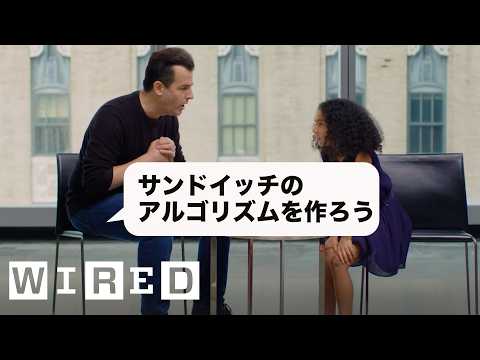
「アルゴリズム」って何?ハーバードの教授が教える最先端を目指すための基礎と道のり | 5 Levels | WIRED Japan
0
林宜悉 posted on 2025/02/01Ever wondered what algorithms are and how they shape our world? This video breaks down complex concepts like sorting and binary search in 5 easy levels, perfect for boosting your tech vocabulary and understanding how things work behind the scenes! You'll gain insights into cutting-edge tech and pick up advanced terms that are super useful for daily practicals and even workplace discussions.
Learn this video on the APP!
The VoiceTube App has more in-depth practice for videos!