
administer
US /ædˈmɪnɪstɚ/
UK /əd'mɪnɪstə(r)/
- Transitive Verb
- To give e.g. medicine to a patient
- To manage or have responsibility for something
B2TOEICMoreadverse
US /ædˈvɚs, ˈædˌvɚs/
UK /ˈædvɜ:s/
- Adjective
- Negative or harmful
B1TOEICMorealcohol
US /ˈælkəˌhɔl,-ˌhɑl/
UK /'ælkəhɒl/
- Uncountable Noun
- A colorless liquid that can catch fire (C2H5OH)
- Drinks such as wine, whiskey, beer
B1Moreall the things
US
UK
- Pronoun
- Everything; all items or aspects
- Determiner
- Every item or object being considered or discussed.
A1Moreanti
US /ˈæntaɪ, -ti/
UK /'æntɪ/
- Adjective
- A prefix meaning 'against' or 'opposed'
B2Moreas well as
US /æz wɛl æz/
UK /æz wel æz/
- Adverb
- Also; in addition to
- Preposition
- In addition to; and also.
A1Morebacteria
US /bækˈtɪriə/
UK /bæk'tɪərɪə/
- Noun (plural)
- The very small creatures that can cause disease
B2Moreballpoint
US /ˈbɔlˌpɔɪnt/
UK /ˈbɔ:lpɔɪnt/
- Noun
- Pen that distributes ink at its point
C2Morebreak down
US /brek daʊn/
UK /breik daun/
- Phrasal Verb
- To forcibly break, destroy or make collapse
- (Machine) to stop working or become weaker
A1Morebreathe
US /brið/
UK /bri:ð/
- Verb (Transitive/Intransitive)
- To move air into and out of your lungs
- To say something very softly
A2Morebuild up
US /bɪld ʌp/
UK /bild ʌp/
- Phrasal Verb
- To increase the amount; collect something
- To develop or increase something in stages
- Verb (Transitive/Intransitive)
- To increase or develop something gradually.
- To praise or encourage someone.
A1Morecause
US /kɔz/
UK /kɔ:z/
- Noun
- Belief, goal or organization that people support
- Reason for
- Transitive Verb
- To make something happen; create effect or result
A2Morecell
US /sɛl/
UK /sel/
- Countable Noun
- Smallest unit of living things in biology
- Group of people - often from a secret organization
A2Morechemical
US /ˈkɛmɪkəl/
UK /ˈkemɪkl/
- Noun (Countable/Uncountable)
- Basic substance produced by mixing elements
- The branch of science concerned with the substances of which matter is composed, the investigation of their properties and reactions, and the use of such reactions to form new substances.
- Adjective
- Made of various elements
A2Morecocktail
US /ˈkɑkˌtel/
UK /'kɒkteɪl/
- Noun
- Mixed alcoholic drink, containing spirit like gin
B2Morecollar
US /ˈkɑlɚ/
UK /'kɒlə(r)/
- Noun
- Band put around the neck of an animal
- Neck part of a shirt, coat etc.
- Transitive Verb
- To catch and hold someone so you can talk to them
- To seize or arrest (someone).
B1Morecompound
US /kɑmˈpaUnd/
UK /'kɒmpaʊnd/
- Noun (Countable/Uncountable)
- Series of buildings that are walled or fenced off
- Chemical made up of several others
- Transitive Verb
- To pay interest on a loan including the interest
- To make something from various parts or components
B1Morecrimson
US /ˈkrɪmzən/
UK /'krɪmzn/
- Noun
- Deep purplish-red color
B2Moredamage
US /ˈdæmɪdʒ/
UK /ˈdæmɪdʒ/
- Noun (Countable/Uncountable)
- Physical harm that is done to something
- Transitive Verb
- To harm physically; to hurt or break something
- To harm the reputation of someone.
A2TOEICMoredeadly
US /ˈdɛdli/
UK /ˈdedli/
- Adjective
- Causing or capable of causing death
- Being very accurate
- Adverb
- Extremely; intensely.
A2Moredetect
US /dɪˈtɛkt/
UK /dɪˈtekt/
- Transitive Verb
- To discover or identify the presence of something
A2TOEICMoredispose
US /dɪˈspoz/
UK /dɪ'spəʊz/
- Transitive Verb
- To get rid of by throwing away
B1TOEICMoredispose of
US /dɪˈspoz ʌv/
UK /disˈpəuz ɔv/
- Phrasal Verb
- To get rid of something, especially by throwing it away.
- To deal with something quickly and effectively.
A1Moredose
US /doʊs/
UK /dəʊs/
- Noun (Countable/Uncountable)
- An amount of medicine to be taken at any one time
- Transitive Verb
- To give a certain amount of something to someone
B1Moreexert
US /ɪgˈzɜ:rt/
UK /ɪgˈzɜ:t/
- Transitive Verb
- To make something have an effect on something else
B2TOEICMoreexpose
US /ɪkˈspoʊz/
UK /ɪk'spəʊz/
- Transitive Verb
- To make visible, without covering or protection
- To allow light through a cameras lens onto film
A2TOEICMoreexposure
US /ɪkˈspoʒɚ/
UK /ɪk'spəʊʒə(r)/
- Noun
- Allowing light through a cameras lens onto film
- Being talked about in the media
A2TOEICMoreextremely
US /ɪk'strimlɪ/
UK /ɪkˈstri:mli/
- Adverb
- In a way that is much more than usual or expected
- Remarkably; unusually.
B1Morefirst up
US /fɚst ʌp/
UK /fə:st ʌp/
- Phrase
- Firstly; to begin with; the first item on a list or agenda.
A1Morefor example
US
UK
- Phrase
- As an illustration or instance.
go away
US /ɡo əˈwe/
UK /ɡəu əˈwei/
- Phrasal Verb
- To go on vacation
- To leave; depart.
A1Morego back to
US /ɡo bæk tu/
UK /ɡəu bæk tu:/
- Phrasal Verb
- To return to a starting point
A1Morehave a heart
US /hæv ə hɑrt/
UK /hæv ə hɑ:t/
- other
- Show mercy or compassion to someone.
B2Morehave to
US /hæv tu/
UK /ˈhæv tə/
- Auxiliary Verb
- Must do
A1Morehazardous
US /ˈhæzədəs/
UK /'hæzədəs/
- Adjective
- Involving danger, risk, and potential damages
- Relating to substances or conditions that can cause harm to people or the environment.
B1TOEICMoreimmune
US /ɪˈmjoon/
UK /ɪˈmju:n/
- Adjective
- Having a special protection from, e.g. the law
- Protected against a particular disease or condition because of antibodies or vaccination.
B1Moreimpair
US /ɪmˈpɛr/
UK /ɪm'peə(r)/
- Transitive Verb
- To damage or weaken something
B2TOEICMorein a row
US /ɪn e ro/
UK /in ə rəu/
- Phrase
- One after another without a break.
- Arranged in a straight line.
- Idiom
- To have an argument.
A1Moreingest
US /ɪn'dʒest/
UK /ɪnˈdʒest/
- Transitive Verb
- To eat, drink, or swallow something
C1TOEICMoreinjection
US /ɪnˈdʒɛkʃən/
UK /ɪnˈdʒekʃn/
- Noun (Countable/Uncountable)
- Act of adding or putting in; adding to
- Putting medicine into someone with a syringe
B1Moreliver
US /ˈlɪvɚ/
UK /ˈlɪvə(r)/
- Noun (Countable/Uncountable)
- Organ from animals served as food
- Organ that absorbs food and cleans the blood
B1Morelook at
US /lʊk æt/
UK /luk æt/
- Phrasal Verb
- To use your eyes to focus on something
- To focus your eyes on something carefully
A1Moremad
US /mæd/
UK /mæd/
- Adjective
- Very angry
- Enthusiastic about something
A2Moremushroom
US /ˈmʌʃˌrum, -ˌrʊm/
UK /ˈmʌʃrʊm/
- Noun (Countable/Uncountable)
- Short fungus shaped like an umbrella you can eat
- Intransitive Verb
- To increase in size or degree suddenly and quickly
B1Morenausea
US /ˈnɔziə, -ʒə, -siə, -ʃə/
UK /ˈnɔ:ziə/
- Uncountable Noun
- Feeling of sickness so that you feel like vomiting
- A feeling of revulsion; disgust.
B2Moreoccupational
US /ˌɑ:kjuˈpeɪʃənl/
UK /ˌɒkjuˈpeɪʃənl/
- Adjective
- Concerning your job or career
B2Moreof a sudden
US
UK
- Phrase
- Quickly and unexpectedly; suddenly.
B2Moreon the ground
US
UK
- Phrase
- Located on the surface of the earth.
- Present and available in a particular place, especially to deal with a situation.
over the counter
US /ˈovɚ ði ˈkaʊntɚ/
UK /ˈəuvə ðə ˈkauntə/
- Adverb
- Denoting a security traded directly between two parties, not on an exchange.
- Across a counter in a shop or business.
A1Moreover time
US /ˈovɚ taɪm/
UK /ˈəuvə taim/
- Phrase
- Gradually; as time passes.
- During a long period.
- Adverb
- Gradually; as time passes.
B1Moreoverdose
US / ˈovɚˈdos/
UK /'əʊvədəʊs/
- Intransitive Verb
- To take too many drugs, so that you might die
- Noun
- Taking too many drugs, so that you might die
B2Moreplay in
US
UK
- Phrasal Verb
- To participate or compete in a game or competition.
- To have a role in a theatrical production.
A1Morepoison
US /ˈpɔɪzən/
UK /ˈpɔɪzn/
- Transitive Verb
- To affect something in a very negative way
- To hurt or kill with a dangerous substance
- Noun (Countable/Uncountable)
- Substance that can kill when eaten/drunk
- Something that has a harmful or destructive influence.
A2Morepoisonous
US /ˈpɔɪzənəs/
UK /ˈpɔɪzənəs/
- Adjective
- Harmful; unfriendly; unpleasant
- Causing sickness or death when eaten or drunk
A2Morepotent
US /ˈpotnt/
UK /'pəʊtnt/
- Adjective
- (Of men) being able to make a woman pregnant
- Having a powerful effect, e.g. on the body or mind
B2Morepotentially
US /pəˈtɛnʃəlɪ/
UK /pə'tenʃəlɪ/
- Adverb
- That could happen or become reality
B1Morepressure
US /ˈprɛʃɚ/
UK /'preʃə(r)/
- Noun (Countable/Uncountable)
- Anxiety caused by difficult problems
- Force, weight when pressing against a thing
- Transitive Verb
- To apply force to something
- To persuade or force someone to do something
A2TOEICMoreput around
US /pʊt əˈraʊnd/
UK /put əˈraund/
- Phrasal Verb
- To spread a story or rumour.
- To distribute something to a number of people.
rash
US /ræʃ/
UK /ræʃ/
- Adjective
- Without much thought; done or acting too quickly
- Noun
- Series of many negative events in a short time
- Skin condition of raised red spots
B2Morerebound
US /ˈriˈbaʊnd, rɪ-/
UK /rɪ'baʊnd/
- Noun
- Bouncing off something, then going back into play
- Recovery after defeat/bad time back to good state
- Intransitive Verb
- To bounce off of a surface
- To recover or increase after decreasing
B2TOEICMorered hot
US /rɛd hɑt/
UK /red hɔt/
- Adjective
- Extremely hot; heated to a point of glowing red.
- Very exciting, popular, or successful.
A1Morerelease
US /rɪ'li:s/
UK /rɪ'li:s/
- Transitive Verb
- To free someone from a responsibility or burden
- To allow a film, music etc. to be sold/distributed
- Noun
- Act of freeing someone from a duty or burden
- Introduction of a new product, film, book, etc.
A2TOEICMorereservoir
US /ˈrezərvwɑ:(r)/
UK /ˈrezəvwɑ:(r)/
- Noun (Countable/Uncountable)
- A lake storing water for use by the community
- Large, extra supply of something future use
B1Moreresult
US /rɪˈzʌlt/
UK /rɪ'zʌlt/
- Noun
- Something produced through tests or experiments
- Final score of a competition, election or game
- Intransitive Verb
- To be the outcome of other causes and effects
- To happen or exist as a consequence of something.
A2Moreresult in
US /rɪˈzʌlt ɪn/
UK /riˈzʌlt in/
- Phrasal Verb
- To cause or produce as a consequence.
sit around
US /sit əˈraʊnd/
UK /sit əˈraund/
- Phrasal Verb
- To spend time idly; to do nothing in particular.
A1Moresunburn
US /ˈsʌnbɜ:rn/
UK /ˈsʌnbɜ:n/
- Noun
- Burning your skin by being in the sun too long
C2Morethink of
US /θɪŋk ʌv/
UK /θiŋk ɔv/
- Phrasal Verb
- To look on as (being something specific); consider
- To consider or remember something.
- Verb (Transitive/Intransitive)
- To imagine or call something to mind
A1Moreto let
US /tu lɛt/
UK /tu let/
- Preposition
- Indicates that a property is available for rent.
A2Moretoxic
US /ˈtɑksɪk/
UK /ˈtɒksɪk/
- Adjective
- Poisonous; harmful
- (Of relationships) harmful; causing conflict
B2Moretoxin
US /ˈtɑ:ksɪn/
UK /ˈtɒksɪn/
- Noun
- Any poisonous substance
B1Moretwitter
US /ˈtwɪtɚ/
UK /ˈtwɪtə(r)/
- Intransitive Verb
- To make small chattering sounds, like some birds
- Proper Noun
- An online messaging system
C2Moreused to
US /juzd tu/
UK /ˈju:st tə/
- Adjective
- Did regularly before, but don't do now
- Auxiliary Verb
- Have done before, but do not do now
A1Morevenom
US /ˈvɛnəm/
UK /ˈvenəm/
- Uncountable Noun
- Poison, e.g. one produced by plant or animal
B2More
Vocabulary
- have to: Must do
- dispose of: To get rid of something, especially by throwing it away.
- result in: To cause or produce as a consequence.
- used to: Did regularly before, but don't do now
- first up: Firstly; to begin with; the first item on a list or agenda.
- in a row: One after another without a break.
- red hot: Extremely hot; heated to a point of glowing red.
- over the counter: Denoting a security traded directly between two parties, not on an exchange.
- to let: Indicates that a property is available for rent.
- play in: To participate or compete in a game or competition.
- on the ground: Located on the surface of the earth.
- put around: To spread a story or rumour.
- all the things: Everything; all items or aspects
- look at: To use your eyes to focus on something
- for example: As an illustration or instance.
- over time: Gradually; as time passes.
- think of: To look on as (being something specific); consider
- have a heart: Show mercy or compassion to someone.
- go back to: To return to a starting point
- break down: To forcibly break, destroy or make collapse
- sit around: To spend time idly; to do nothing in particular.
- build up: To increase the amount; collect something
- of a sudden: Quickly and unexpectedly; suddenly.
- as well as: Also; in addition to
- go away: To go on vacation
- immune: Having a special protection from, e.g. the law
- extremely: In a way that is much more than usual or expected
- potentially: That could happen or become reality
- exposure: Allowing light through a cameras lens onto film
- bacteria: The very small creatures that can cause disease
- environment: Natural world in which plants and animals live
- failure: When things go wrong; lack of function
- pressure: Anxiety caused by difficult problems
- toxic: Poisonous; harmful
- compound: Series of buildings that are walled or fenced off
- nausea: Feeling of sickness so that you feel like vomiting
- contract: To become ill as a result of getting a disease
- field: Area of study, such as physics or biology
- cause: Belief, goal or organization that people support
- release: To free someone from a responsibility or burden
- effect: An advantage, benefit
- result: Something produced through tests or experiments
- impair: To damage or weaken something
- lead: Wire for electricity, computer, etc.; cable
- alcohol: A colorless liquid that can catch fire (C2H5OH)
- potent: (Of men) being able to make a woman pregnant
- ingest: To eat, drink, or swallow something
- detect: To discover or identify the presence of something
- expose: To make visible, without covering or protection
- exert: To make something have an effect on something else
- chemical: Basic substance produced by mixing elements
- pain: Strong feeling of hurt or discomfort
- breathe: To move air into and out of your lungs
- mad: Very angry
- support: To give assistance or advice to someone
- dose: An amount of medicine to be taken at any one time
- liver: Organ from animals served as food
- poisonous: Harmful; unfriendly; unpleasant
- damage: Physical harm that is done to something
- hazardous: Involving danger, risk, and potential damages
- cocktail: Mixed alcoholic drink, containing spirit like gin
- collar: Band put around the neck of an animal
- rebound: Bouncing off something, then going back into play
- question: To ask for or try to get information
- overdose: To take too many drugs, so that you might die
- poison: To affect something in a very negative way
- cell: Smallest unit of living things in biology
- dispose: To get rid of by throwing away
- mercury: Silver-white metal that is used in thermometers
- deadly: Causing or capable of causing death
- venom: Poison, e.g. one produced by plant or animal
- administer: To give e.g. medicine to a patient
- adverse: Negative or harmful
- reservoir: A lake storing water for use by the community
- rash: Without much thought; done or acting too quickly
- work: The product of some artistic or literary endeavor
- toxin: Any poisonous substance
- heart: A feeling of care for others; compassion
- anti: A prefix meaning 'against' or 'opposed'
- touch: To affect feelings, especially by causing sympathy
- long: Person's name
- mushroom: Short fungus shaped like an umbrella you can eat
- health: (Person, company) being in a good condition; well
- injection: Act of adding or putting in; adding to
- twitter: To make small chattering sounds, like some birds
- occupational: Concerning your job or career
- sunburn: Burning your skin by being in the sun too long
- crimson: Deep purplish-red color
- ballpoint: Pen that distributes ink at its point
Get the full experience in the app
Learn anywhere with detailed sentence and usage analysis
01:03
She took a brave step forward, leaving behind her comfort zone to chase her dreams.
Vocabulary
- brave
adj. Having courage
- comfort zone
phr. A familiar situation where one feels safe
Explanation
a brave step is a noun phrase, where brave is an adjective modifying the noun step, meaning "a courageous step".
forward is an adverb modifying step, meaning "ahead".
The whole phrase serves as the object, answering the "what" of took (verb) — she took a brave step forward.
Get the full experience in the app
Look up words anytime with pronunciation, part of speech, and usage
brave
US/brev/
UK/breɪv/
adj.Brave
v.t.To bravely face
A2 Elementary
Get the full experience in the app
Practice speaking anytime and get instant pronunciation feedback
Try this speaking exercise.
Try practicing with this sentence.
80
0
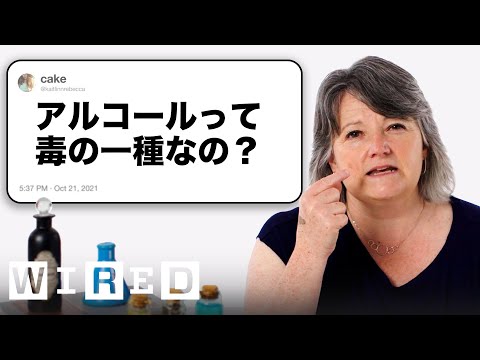
林宜悉 posted on 2025/03/24Ever wondered what makes a poison poisonous? This video dives deep into toxicology with a real expert, covering everything from deadly mushrooms to mercury spills and even botulism! You'll pick up some seriously advanced vocabulary and learn practical tips for dealing with dangerous substances, all while enjoying a fascinating Q&A.
Learn this video on the APP!
The VoiceTube App has more in-depth practice for videos!