
account for
US /əˈkaʊnt fɔr/
UK /əˈkaunt fɔ:/
- Phrasal Verb
- To explain the cause or reason for something
- To form a particular amount or part of something.
- Verb (Transitive/Intransitive)
- To supply a reason or explanation for something.
- To form a particular amount or proportion of something.
A1Moreactual
US /ˈæktʃuəl/
UK /ˈæktʃuəl/
- Adjective
- Real or existing in fact, not imagined; real
- Current; existing at the present time.
A2TOEICMoreailment
US /ˈelmənt/
UK /ˈeɪlmənt/
- Noun (Countable/Uncountable)
- An illness, especially a minor one
B2Morealong with
US /əˈlɔŋ wɪð/
UK /əˈlɔŋ wið/
- Preposition
- In addition to; together with.
- Adverb
- In company or together with someone or something.
- Including; in addition to.
A2Morealter
US /ˈɔltɚ/
UK /ˈɔ:ltə(r)/
- Transitive Verb
- To change so (clothing) fits better
- Verb (Transitive/Intransitive)
- To change or modify something.
- To become different; to change.
A2TOEICMoreas a rule
US /æz e rul/
UK /æz ə ru:l/
- Phrase
- Generally; usually
B1Moreas opposed to
US
UK
- Preposition
- In contrast to; rather than.
- Instead of; in place of.
A1Moreaside from
US /əˈsaɪd frʌm/
UK /əˈsaid frɔm/
- Phrase
A1Moreat least
US /æt list/
UK /æt li:st/
- Adverb
- As a minimum
- Not less than
- Phrase
- No less than; at the minimum
- Used to indicate that something is positive in a bad situation.
C2Moreat the minimum
US /ət ðə ˈmɪnəməm/
UK /ət ðə ˈminiməm/
- other
- Not less than the smallest amount or number.
B1Moreautism
US /ˈɔˌtɪzəm/
UK /ˈɔ:tɪzəm/
- Uncountable Noun
- Disorder that prevents normal communication
B2Moreavoid
US /əˈvɔɪd/
UK /ə'vɔɪd/
- Transitive Verb
- To prevent from happening
- To stay away from
A2TOEICMorebacteria
US /bækˈtɪriə/
UK /bæk'tɪərɪə/
- Noun (plural)
- The very small creatures that can cause disease
B2Morebased on
US
UK
- Phrasal Verb
- To use something as the foundation or starting point for something else.
- Preposition
- Using something as the main idea or foundation.
- Relying on something as evidence or justification.
A1Morebenefit
US /ˈbɛnəfɪt/
UK /'benɪfɪt/
- Noun (Countable/Uncountable)
- Good result or effect, something advantageous
- A payment made by the state or an insurance policy to someone
- Verb (Transitive/Intransitive)
- To have a good effect or be helpful
- To receive an advantage; to be helped
A2TOEICMorebladder
US /ˈblædɚ/
UK /ˈblædə(r)/
- Noun
- Soft bag which holds liquid or air
- Part of the body that holds urine
B1Morebreak it to
US
UK
- Phrasal Verb
- To tell someone bad news.
A2Moreclaim
US /klem/
UK /kleɪm/
- Noun (Countable/Uncountable)
- To say that something is true, often without proof.
- A statement that something is true.
- Transitive Verb
- To demand or ask for something that you believe is rightfully yours.
- To take or cause the loss of (e.g., a life, property).
A2Moreconsume
US /kənˈsum/
UK /kən'sju:m/
- Transitive Verb
- To eat, drink, buy or use up something
- To take all your energy; focus the attention
A2TOEICMoreconventional
US /kənˈvɛnʃənəl/
UK /kən'venʃənl/
- Adjective
- Following the common attitudes and practices
- Non-nuclear
B2Morecure
US /kjʊr/
UK /kjʊə(r)/
- Noun
- Something that solves a problem or makes it better
- Medical treatment making a sick person healthy
- Transitive Verb
- To fix or improve a problem
- To make someone healthy or make a disease go away
B1Moredemonstrate
US /ˈdɛmənˌstret/
UK /'demənstreɪt/
- Verb (Transitive/Intransitive)
- To display a feeling or ability openly
- To protest about something often as a group
A2TOEICMoredilute
US /daɪˈlut, dɪ-/
UK /daɪˈlu:t/
- Transitive Verb
- To make something weaker or less efficient
B2Moredirect to
US
UK
- Transitive Verb
- To show or tell someone how to get to a place.
- To send something to a particular person or place.
B1Moredisease
US /dɪˈziz/
UK /dɪˈzi:z/
- Noun (Countable/Uncountable)
- Illness that affects a person, animal, or plant
- A disorder of structure or function in a plant, especially one caused by a pathogen.
- Transitive Verb
- To affect with disease; to corrupt or sicken.
A2TOEICMoredisorder
US /dɪsˈɔrdɚ/
UK /dɪs'ɔ:də(r)/
- Uncountable Noun
- State of confusion or a lack of organization
- Illness when the body is not functioning well
- Transitive Verb
- To disrupt the order or arrangement of something.
B2Moredna
US
UK
- Noun (Countable/Uncountable)
- Chemical in living cells with genetic information
B2Moredosage
US /ˈdosɪdʒ/
UK /ˈdəʊsɪdʒ/
- Noun
- Measured amount of medicine or drug
B2Moreenergy level
US
UK
- Noun (Countable/Uncountable)
- A measure of a person's physical or mental vitality.
- A person's overall state of mind and enthusiasm.
B1Moreevidence of
US
UK
- Phrase
- Facts, objects, or signs that make you believe that something is true.
- Something that shows that something else exists or is true.
A1Moreexpert
US /ˈɛkˌspɚt/
UK /'ekspɜ:t/
- Countable Noun
- Skillful person with special knowledge
- Adjective
- Having special knowledge or skill
A2TOEICMorefeed on
US /fid ɑn/
UK /fi:d ɔn/
- Phrasal Verb
- To eat a particular food.
- To increase or become stronger because of something.
A1Morefeel like
US
UK
- Intransitive Verb
- To have a desire or inclination for something.
- To have a particular quality or sensation; resemble.
A1Morefluoride
US
UK
- Noun (Countable/Uncountable)
- Chemical added to water to improve tooth health
- The addition of a fluoride compound to drinking water or dental products to reduce tooth decay.
C1Morefold over
US
UK
- Phrasal Verb
- To bend something so that one part covers the other.
A2Morefor certain
US /fɔr ˈsɚtn/
UK /fɔ: ˈsə:tn/
- Idiom
- Definitely; without a doubt.
- Phrase
- Without any doubt; definitely.
for example
US
UK
- Phrase
- As an illustration or instance.
frequency
US /ˈfrikwənsi/
UK /'fri:kwənsɪ/
- Uncountable Noun
- Number of repetitions of (radio or sound) wave
- How often something happens
B1TOEICMoregluten
US /ˈɡlutn/
UK /ˈglu:tn/
- Uncountable Noun
- Mix of sticky plant proteins found in wheat flour
C1Morehave to
US /hæv tu/
UK /ˈhæv tə/
- Auxiliary Verb
- Must do
A1Moreimmune
US /ɪˈmjoon/
UK /ɪˈmju:n/
- Adjective
- Having a special protection from, e.g. the law
- Protected against a particular disease or condition because of antibodies or vaccination.
B1Morein order to
US /ɪn ˈɔrdɚ tu/
UK /in ˈɔ:də tu:/
- Preposition
- For the purpose of; with the aim of.
- Phrase
- In a specific sequence or arrangement.
- With the aim of; for the purpose of.
C1Morein reality
US /ɪn riˈælɪti/
UK /in riˈæliti/
- Phrase
- Actually; in fact; truly.
B2Morejournal
US /ˈdʒɚnəl/
UK /ˈdʒə:nl/
- Noun (Countable/Uncountable)
- A diary; record of what you do every day
- Magazine of academic papers
B1TOEICMorelead to
US /lid tu/
UK /li:d tu:/
- Phrasal Verb
- To result in some action
- Verb (Transitive/Intransitive)
- To have something as a consequence or result.
A1Morelook for
US /lʊk fɔr/
UK /luk fɔ:/
- Phrasal Verb
- To try to find a thing or person that is lost
- To expect or anticipate something.
A1Moremisconception
US /ˌmɪskənˈsɛpʃən/
UK /ˌmɪskənˈsepʃn/
- Noun (Countable/Uncountable)
- Wrong or misunderstood idea
- A widely held but incorrect belief.
B1Moremyth
US /mɪθ/
UK /mɪθ/
- Noun (Countable/Uncountable)
- Popular belief that is false, unsupported by fact
- Famous story dealing with origins of a culture
B1Moreof interest
US /əv ˈɪntrɪst/
UK /əv ˈɪntrəst/
- other
- Relevant or important to someone or something.
B2Moreon the market
US
UK
- Phrase
- Available for sale.
- Actively seeking employment.
A2Moreon the surface
US /ɑn ði ˈsɚfəs/
UK /ɔn ðə ˈsə:fis/
- Phrase
- Appearing to be true or real until examined more closely.
- Located on the outer part or uppermost layer of something.
B2Moreon top of that
US
UK
- Phrase
- In addition to something already mentioned; furthermore.
A1Moreorgan
US /ˈɔrɡən/
UK /'ɔ:ɡən/
- Noun (Countable/Uncountable)
- Part of a person's body with a particular function
- Large institution or body
B1Moreorganic
US /ɔrˈɡænɪk/
UK /ɔ:ˈgænɪk/
- Adjective
- Developing naturally and without a set structure
- Concerning food made with few or no chemicals
B1Moreoutside of
US /aʊtˈsaɪd ʌv/
UK /ˌautˈsaid ɔv/
- Preposition
- Located or situated beyond the boundaries or confines of something.
- Beyond the scope, range, or limits of something.
A1Morepapaya
US /pəˈpɑjə/
UK /pəˈpaɪə/
- Noun (Countable/Uncountable)
- Pear-shaped tropical fruit with orange flesh
C2Moreparasite
US /ˈpærəˌsaɪt/
UK /'pærəsaɪt/
- Noun (Countable/Uncountable)
- Small animal or plant living off a bigger one
- One who depends on someone else, without working
B2Moreplacebo
US /pləˈsibo/
UK /plə'si:bəʊ/
- Noun
- Harmless pill for comparison in trial of new drug
B2Moreprestigious
US /prɛˈstidʒəs, -ˈstɪdʒəs/
UK /preˈstɪdʒəs/
- Adjective
- Respected as being important and with high status
B2Moreradiation
US /ˌrediˈeʃən/
UK /ˌreɪdiˈeɪʃn/
- Noun (Countable/Uncountable)
- Energy transmitted as rays, waves or particles
- Harmful waves of energy from nuclear activity
B1Morereality
US /riˈælɪti/
UK /rɪ'ælətɪ/
- Noun (Countable/Uncountable)
- What is true, as opposed to what is imagined
- The state of things as they actually exist, rather than as they may appear or might be imagined.
A2Morered flag
US /rɛd flæɡ/
UK /red flæɡ/
- Noun
- A warning sign or signal of danger or a problem.
- A symbol of socialism or communism.
B1Morerelate
US /rɪˈlet/
UK /rɪ'leɪt/
- Transitive Verb
- To demonstrate a logical relationship between
- To understand or sympathize with, e.g. a problem
A2TOEICMorerelationship
US /rɪˈleʃənˌʃɪp/
UK /rɪˈleɪʃnʃɪp/
- Noun (Countable/Uncountable)
- Connection between two or more people or things
- Way people interact or live with each other
A2TOEICMoreremedy
US /ˈrɛmɪdi,'rɛmədɪ/
UK /'remədɪ/
- Noun
- Way to solve or fix a problem
- Treatment that relieves pain or cures illness
- Transitive Verb
- To solve or correct a problem
- To cure or relieve (a disease or its symptoms).
B1Moreresearch
US /rɪˈsɚtʃ, ˈriˌsɚtʃ/
UK /rɪ'sɜ:tʃ/
- Verb (Transitive/Intransitive)
- To study in order to discover new ideas and facts
- To study the market relating to marketing products and services.
- Noun (Countable/Uncountable)
- Study done to discover new ideas and facts
- A particular area or topic of study.
A2TOEICMorerule of thumb
US /rul ʌv θʌm/
UK /ru:l ɔv θʌm/
- Noun (Countable/Uncountable)
- A practical and approximate way of doing or measuring something.
- A broadly accurate guide or principle, based on practice rather than theory.
A1Morescientific
US /ˌsaɪənˈtɪfɪk/
UK /ˌsaɪənˈtɪfɪk/
- Adjective
- Concerning academic study of the physical world
- Systematic and precise, following a methodology.
- Noun
- Relating to or used in science.
A2Morestay in
US /ste ɪn/
UK /stei in/
- Phrasal Verb
- To remain inside one's home.
- Intransitive Verb
- To remain as an inpatient in a hospital.
substance
US /ˈsʌbstəns/
UK /'sʌbstəns/
- Uncountable Noun
- Essence of; most basic or central qualities
- Particular type of material
A2Moresugar pill
US
UK
- Countable Noun
- A pill that contains no medicine and is given for psychological relief rather than for physiological effect.
A1Moresupplement
US /ˈsʌpləmənt/
UK /'sʌplɪmənt/
- Noun (Countable/Uncountable)
- Added extra to support or make something complete
- Vitamins, etc. added to diet for health reasons
- Transitive Verb
- To add extra to support or make something complete
B1TOEICMoresupplementation
US /ˌsʌplɪmen'teɪʃn/
UK /ˌsʌplɪmen'teɪʃn/
- Uncountable Noun
- Process of adding an extra part to something
C2Moresymptom
US /ˈsɪmtəm, ˈsɪmp-/
UK /'sɪmptəm/
- Noun
- Sign that suggests that there is a problem
B1Moretalking about
US
UK
- Phrasal Verb
- To discuss a particular topic.
- To be constantly mentioning or bringing up a subject.
A1Moreto do with
US
UK
- Phrasal Verb
- To be about something; concern
A1Moretoothpaste
US /ˈtuθˌpest/
UK /ˈtu:θpeɪst/
- Uncountable Noun
- A paste used for cleaning teeth
- A tube containing paste used for cleaning the teeth.
B2Moretummy
US /ˈtʌmi/
UK /'tʌmɪ/
- Noun
- Stomach or belly
- A child's word for stomach or abdomen.
C1Moreused to
US /juzd tu/
UK /ˈju:st tə/
- Adjective
- Did regularly before, but don't do now
- Auxiliary Verb
- Have done before, but do not do now
A1Morevaccine
US /vækˈsin,ˈvækˌsin/
UK /'væksi:n/
- Noun (Countable/Uncountable)
- Shot using weak disease cells to stop same disease
- A preparation of weakened or killed microorganisms, or of antigenic proteins derived from them, used to induce protective immunity in animals.
B2Morevery top
US
UK
- Noun
- The highest point or part of something.
- Adjective
- The most important or successful.
visible
US /ˈvɪzəbəl/
UK /ˈvɪzəbl/
- Adjective
- Can see, easily seen or understood
B1TOEICMorewatery eyes
US
UK
- Noun
- Eyes that are producing more tears than usual, often due to irritation, allergies, or infection.
- Eyes that appear to be filled with tears, often indicating sadness or sentimentality.
A1Morewheat
US /hwit, wit/
UK /wi:t/
- Uncountable Noun
- A kind of grain that is used to make flour
B1More
Vocabulary
- based on: To use something as the foundation or starting point for something else.
- in order to: For the purpose of; with the aim of.
- have to: Must do
- feel like: To have a desire or inclination for something.
- at least: As a minimum
- break it to: To tell someone bad news.
- on top of that: In addition to something already mentioned; furthermore.
- look for: To try to find a thing or person that is lost
- outside of: Located or situated beyond the boundaries or confines of something.
- watery eyes: Eyes that are producing more tears than usual, often due to irritation, allergies, or infection.
- lead to: To result in some action
- used to: Did regularly before, but don't do now
- to do with: To be about something; concern
- on the surface: Appearing to be true or real until examined more closely.
- as opposed to: In contrast to; rather than.
- stay in: To remain inside one's home.
- for certain: Definitely; without a doubt.
- on the market: Available for sale.
- of interest: Relevant or important to someone or something.
- red flag: A warning sign or signal of danger or a problem.
- along with: In addition to; together with.
- fold over: To bend something so that one part covers the other.
- for example: As an illustration or instance.
- sugar pill: A pill that contains no medicine and is given for psychological relief rather than for physiological effect.
- energy level: A measure of a person's physical or mental vitality.
- talking about: To discuss a particular topic.
- aside from
- feed on: To eat a particular food.
- direct to: To show or tell someone how to get to a place.
- in reality: Actually; in fact; truly.
- very top: The highest point or part of something.
- at the minimum: Not less than the smallest amount or number.
- rule of thumb: A practical and approximate way of doing or measuring something.
- as a rule: Generally; usually
- evidence of: Facts, objects, or signs that make you believe that something is true.
- account for: To explain the cause or reason for something
- immune: Having a special protection from, e.g. the law
- demonstrate: To display a feeling or ability openly
- evidence: Factual proof that helps to establish the truth
- improve: To make, or become, something better
- disorder: State of confusion or a lack of organization
- develop: To explain something in steps and in detail
- consume: To eat, drink, buy or use up something
- claim: To say that something is true, often without proof.
- bacteria: The very small creatures that can cause disease
- disease: Illness that affects a person, animal, or plant
- substance: Essence of; most basic or central qualities
- symptom: Sign that suggests that there is a problem
- research: To study in order to discover new ideas and facts
- reality: What is true, as opposed to what is imagined
- relationship: Connection between two or more people or things
- myth: Popular belief that is false, unsupported by fact
- conventional: Following the common attitudes and practices
- expert: Skillful person with special knowledge
- avoid: To prevent from happening
- mean: Average of a set of numbers
- alter: To change so (clothing) fits better
- remedy: Way to solve or fix a problem
- misconception: Wrong or misunderstood idea
- journal: A diary; record of what you do every day
- prestigious: Respected as being important and with high status
- benefit: Good result or effect, something advantageous
- vaccine: Shot using weak disease cells to stop same disease
- effect: An advantage, benefit
- scientific: Concerning academic study of the physical world
- organ: Part of a person's body with a particular function
- actual: Real or existing in fact, not imagined; real
- risk: To do something potentially dangerous or foolish
- relate: To demonstrate a logical relationship between
- organic: Developing naturally and without a set structure
- produce: Fresh foods such as fruits and vegetables
- radiation: Energy transmitted as rays, waves or particles
- cure: Something that solves a problem or makes it better
- autism: Disorder that prevents normal communication
- supplement: Added extra to support or make something complete
- belief: Being sure that something exists or is true
- receive: To get something someone has given or sent to you
- placebo: Harmless pill for comparison in trial of new drug
- frequency: Number of repetitions of (radio or sound) wave
- bladder: Soft bag which holds liquid or air
- lot: What happens to a person in life from chance; fate
- visible: Can see, easily seen or understood
- order: Religious or social group, as of nuns
- wheat: A kind of grain that is used to make flour
- parasite: Small animal or plant living off a bigger one
- tummy: Stomach or belly
- dilute: To make something weaker or less efficient
- gluten: Mix of sticky plant proteins found in wheat flour
- ailment: An illness, especially a minor one
- fast: In a way that is difficult to move or change
- toothpaste: A paste used for cleaning teeth
- happen: To take place or occur
- people: Persons sharing culture, country, background, etc.
- dosage: Measured amount of medicine or drug
- health: (Person, company) being in a good condition; well
- supplementation: Process of adding an extra part to something
- fluoride: Chemical added to water to improve tooth health
- papaya: Pear-shaped tropical fruit with orange flesh
- dna: Chemical in living cells with genetic information
Get the full experience in the app
Learn anywhere with detailed sentence and usage analysis
01:03
She took a brave step forward, leaving behind her comfort zone to chase her dreams.
Vocabulary
- brave
adj. Having courage
- comfort zone
phr. A familiar situation where one feels safe
Explanation
a brave step is a noun phrase, where brave is an adjective modifying the noun step, meaning "a courageous step".
forward is an adverb modifying step, meaning "ahead".
The whole phrase serves as the object, answering the "what" of took (verb) — she took a brave step forward.
Get the full experience in the app
Look up words anytime with pronunciation, part of speech, and usage
brave
US/brev/
UK/breɪv/
adj.Brave
v.t.To bravely face
A2 Elementary
Get the full experience in the app
Practice speaking anytime and get instant pronunciation feedback
Try this speaking exercise.
Try practicing with this sentence.
80
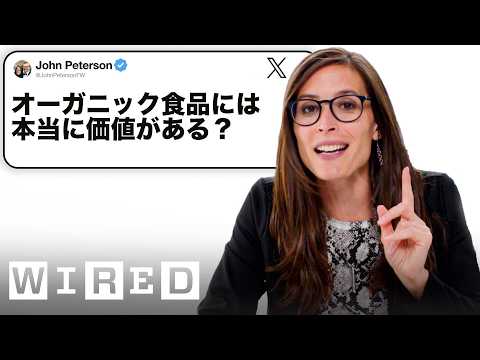
生物科学者だけど「誤った健康情報」について質問ある? | Tech Support | WIRED Japan
0
林宜悉 posted on 2025/02/18Ever wondered if that popular health trend is actually legit? This video dives into common health myths, like detoxes and homeopathy, with a biomedical scientist to help you spot misinformation and boost your critical thinking skills! You'll pick up advanced vocabulary related to pseudoscience and fact-checking that's super practical for everyday life.
Learn this video on the APP!
The VoiceTube App has more in-depth practice for videos!