
abstract
US /ˈæbˌstrækt/
UK /'æbstrækt/
- Noun (Countable/Uncountable)
- Passage of text from an article or book
- Something that doesn't exist physically
- Adjective
- Concerning something that doesn't exist physically
- Relating to abstract art.
B1Moreacid
US /ˈæsɪd/
UK /ˈæsɪd/
- Noun (Countable/Uncountable)
- Sour substance that reacts with metals e.g. lemon
A2Moreacidic
US /əˈsɪdɪk/
UK /əˈsɪdɪk/
- Adjective
- Containing acid
B1Morealcohol
US /ˈælkəˌhɔl,-ˌhɑl/
UK /'ælkəhɒl/
- Uncountable Noun
- A colorless liquid that can catch fire (C2H5OH)
- Drinks such as wine, whiskey, beer
B1Moreanti
US /ˈæntaɪ, -ti/
UK /'æntɪ/
- Adjective
- A prefix meaning 'against' or 'opposed'
B2Moreatom
US /ˈætəm/
UK /'ætəm/
- Noun
- Smallest bit that matter can be broken down into
B1Moreattach
US /əˈtætʃ/
UK /ə'tætʃ/
- Verb (Transitive/Intransitive)
- To be associated or connected with
A2TOEICMoreautomatically
US /ˌɔtəˈmætɪkl:ɪ/
UK /ˌɔ:tə'mætɪklɪ/
- Adverb
- In a way not requiring control by a person
B1Morebased on
US
UK
- Phrasal Verb
- To use something as the foundation or starting point for something else.
- Preposition
- Using something as the main idea or foundation.
- Relying on something as evidence or justification.
A1Morebasically
US /ˈbesɪkəli,-kli/
UK /ˈbeɪsɪkli/
- Adverb
- Used before you explain something simply, clearly
- In essence; when you consider the most important aspects of something.
A2Morebond
US /bɑnd/
UK /bɒnd/
- Noun (Countable/Uncountable)
- Rope, chain or other thing used to tie someone up
- Closeness that is shared between people or groups
- Verb (Transitive/Intransitive)
- To develop a close relationship with
- To become joined or connected, e.g. using glue
A2TOEICMoreby itself
US /baɪ ɪtˈsɛlf/
UK /bai itˈself/
- Adverb
- Alone; without help or assistance.
- Without any external influence or aid.
A2Morecarbon
US /ˈkɑrbən/
UK /'kɑ:bən/
- Uncountable Noun
- Chemical element with an atomic number of 6
B1Moreconfiguration
US /kənˌfɪɡjəˈreʃən/
UK /kənˌfɪgəˈreɪʃn/
- Noun
- A shape or outline; a method of arrangement
B2Moredetermine
US /dɪˈtɚmɪn/
UK /dɪ'tɜ:mɪn/
- Transitive Verb
- To control exactly how something will be or act
- To establish the facts about; discover
A2TOEICMoredue to
US /du tu/
UK /dju: tu:/
- Preposition
- Because of; owing to
- Adjective
- Attributable to; caused by.
A1Moreequivalent
US /ɪˈkwɪvələnt/
UK /ɪˈkwɪvələnt/
- Adjective
- Equal to something in value, use or meaning
- Having the same meaning or significance.
- Noun
- Thing like another in quality, quantity or degree
B1TOEICMorefor the most part
US
UK
- Phrase
- Generally; mostly; on the whole.
- Mostly; generally; in most cases.
A1Moregenerally
US /ˈdʒɛnərəli/
UK /ˈdʒenrəli/
- Adverb
- Usually; as a rule; by, to or for most people
A2Morego on
US /ɡo ɑn/
UK /ɡəu ɔn/
- Phrasal Verb
- To continue doing something
- To happen (usually negative)
- Interjection
- Used to encourage someone
A1Morehydrogen
US /ˈhaɪdrədʒən/
UK /ˈhaɪdrədʒən/
- Uncountable Noun
- Lightest of all chemical elements
B1Moreintermediate
US /ˌɪntɚˈmidiɪt/
UK /ˌɪntəˈmi:diət/
- Adjective
- Between; in the middle; moderate
- Having some knowledge but not advanced
- Noun (Countable/Uncountable)
- Person with some knowledge but not advanced
- Something that comes between two things in time, place, character, etc.
B1Moreinvolve
US /ɪnˈvɑlv/
UK /ɪn'vɒlv/
- Transitive Verb
- To have or be included as a part of something
- To cause (a person or group) to take part in an event or activity.
A2TOEICMoreion
US /ˈaɪən/
UK /'aɪən/
- Noun (Countable/Uncountable)
- Atoms with either a positive or negative charge
B2Morelead to
US /lid tu/
UK /li:d tu:/
- Phrasal Verb
- To result in some action
- Verb (Transitive/Intransitive)
- To have something as a consequence or result.
A1Moremajor
US /ˈmedʒɚ/
UK /'meɪdʒə(r)/
- Countable Noun
- High-ranking officer in the army
- Main subject you study at university
- Adjective
- Main league; esp. referring to American baseball
- Important, serious, or large in scope, size
A2TOEICMoremechanism
US /ˈmɛkəˌnɪzəm/
UK /'mekənɪzəm/
- Noun (Countable/Uncountable)
- Part of a machine that performs a certain function
- System or process for achieving a certain result
B1Moreminor
US /ˈmaɪnɚ/
UK /'maɪnə(r)/
- Adjective
- Not so large in size; not important or valuable
- An interval a half tone smaller than its major
- Noun
- Subject studied in college, but not the main one
- Someone too young to be legally responsible
B1Moremixture
US /ˈmɪkstʃɚ/
UK /ˈmɪkstʃə(r)/
- Noun (Countable/Uncountable)
- Something made by combining two or more things
B1Moremolecule
US /ˈmɑlɪˌkjul/
UK /ˈmɒlɪkju:l/
- Noun
- Two or more atoms chemically combined
B2Moreoccur
US /əˈkɚ/
UK /əˈkɜ:(r)/
- Intransitive Verb
- To come to pass or to happen
- To be found to exist; to be present.
A2TOEICMoreoxidation
US /ˌɑksɪˈdeʃən/
UK /ˌɒksɪ'deɪʃn/
- Uncountable Noun
- Process of combining with oxygen
C1Moreperspective
US /pɚˈspɛktɪv/
UK /pə'spektɪv/
- Noun (Countable/Uncountable)
- Artistic method of creating a sense of distance
- Ability to understand what is important in life
B1TOEICMoreprevious
US /ˈpriviəs/
UK /ˈpri:viəs/
- Adjective
- Existing or happening before the present time
- Existing or occurring immediately before in time or order.
- Noun
- A button or link that allows navigation to a preceding item or page.
A2TOEICMoreprimary
US /ˈpraɪˌmɛri, -məri/
UK /'praɪmərɪ/
- Adjective
- Most important, most basic or essential
- Happening first; earliest
B2Moreproceed
US /proʊˈsi:d/
UK /prəˈsi:d/
- Verb (Transitive/Intransitive)
- To continue to do something; carry on
- To go forward in a certain direction
A2TOEICMoreproton
US /ˈproʊtɑ:n/
UK /ˈprəʊtɒn/
- Countable Noun
- Tiny part of atom with positive electrical charge
B2Morereact
US /riˈækt/
UK /rɪ'ækt/
- Intransitive Verb
- To change when mixing with other chemicals
- To behave or make a change in a particular way
A2Morereaction
US /riˈækʃən/
UK /rɪ'ækʃn/
- Noun
- Bodily response to a drug or something eaten
- Feeling or action in response to something
A2Morerearrange
US /ˌriəˈrendʒ/
UK /ˌri:ə'reɪndʒ/
- Verb (Transitive/Intransitive)
- To rethink a plan, event for a time and place
- To put into a new order for something to happen
B1Moreresult
US /rɪˈzʌlt/
UK /rɪ'zʌlt/
- Noun
- Something produced through tests or experiments
- Final score of a competition, election or game
- Intransitive Verb
- To be the outcome of other causes and effects
- To happen or exist as a consequence of something.
A2Moreshift
US /ʃɪft/
UK /ʃɪft/
- Verb (Transitive/Intransitive)
- To change in position or direction
- To move something from one place to another
- Noun (Countable/Uncountable)
- A change in a persons plans, opinions or beliefs
- Period of work starting at a certain time
A2Moresodium
US /ˈsodiəm/
UK /'səʊdɪəm/
- Uncountable Noun
- A soft, white chemical element
B2Moresubstitute
US /ˈsʌbstɪˌtut, -ˌtjut/
UK /'sʌbstɪtju:t/
- Transitive Verb
- To perform the tasks instead of someone else
- To replace one person or thing for another
- Noun
- A person or thing acting in place of another
B2TOEICMorethe following
US
UK
- Adjective
- Next in order or sequence.
- Uncountable Noun
- What is about to be said or written.
B1Morevicinity
US /vɪˈsɪnɪti/
UK /vəˈsɪnəti/
- Noun
- Surrounding or nearby region; proximity
- An approximate amount or range.
B2Morewanna
US /ˈwɑnə/
UK /'wɒnə/
- Verb (Transitive/Intransitive)
- Shortened form of 'want to'. Used only in speaking
B2More
Vocabulary
- go on: To continue doing something
- due to: Because of; owing to
- based on: To use something as the foundation or starting point for something else.
- lead to: To result in some action
- the following: Next in order or sequence.
- by itself: Alone; without help or assistance.
- for the most part: Generally; mostly; on the whole.
- perspective: Artistic method of creating a sense of distance
- equivalent: Equal to something in value, use or meaning
- basically: Used before you explain something simply, clearly
- determine: To control exactly how something will be or act
- force: Group of persons trained for military action; army
- previous: Existing or happening before the present time
- abstract: Passage of text from an article or book
- molecule: Two or more atoms chemically combined
- bit: Device put in a horse's mouth to control it
- shift: To change in position or direction
- bond: Rope, chain or other thing used to tie someone up
- substitute: To perform the tasks instead of someone else
- automatically: In a way not requiring control by a person
- mechanism: Part of a machine that performs a certain function
- occur: To come to pass or to happen
- similar: Nearly the same; alike
- generally: Usually; as a rule; by, to or for most people
- vicinity: Surrounding or nearby region; proximity
- primary: Most important, most basic or essential
- form: Sports team or person's current winning record
- effect: An advantage, benefit
- reaction: Bodily response to a drug or something eaten
- apply: To spread a substance or liquid over a surface
- compare: To consider how similar and different things are
- involve: To have or be included as a part of something
- result: Something produced through tests or experiments
- reason: To think and make conclusions in a logical manner
- subject: The person, thing, or idea that is being discussed, described, or studied.
- due: When something is required or expected
- lead: Wire for electricity, computer, etc.; cable
- alcohol: A colorless liquid that can catch fire (C2H5OH)
- wanna: Shortened form of 'want to'. Used only in speaking
- major: High-ranking officer in the army
- intermediate: Between; in the middle; moderate
- minor: Not so large in size; not important or valuable
- sodium: A soft, white chemical element
- react: To change when mixing with other chemicals
- proceed: To continue to do something; carry on
- carbon: Chemical element with an atomic number of 6
- important: Having power or authority
- fact: Something that is known or proved to be true
- acid: Sour substance that reacts with metals e.g. lemon
- attach: To be associated or connected with
- hydrogen: Lightest of all chemical elements
- mixture: Something made by combining two or more things
- drive: A person's ambition and motivation to do something
- great: Very good; better than before
- configuration: A shape or outline; a method of arrangement
- atom: Smallest bit that matter can be broken down into
- acidic: Containing acid
- anti: A prefix meaning 'against' or 'opposed'
- rearrange: To rethink a plan, event for a time and place
- oxidation: Process of combining with oxygen
- proton: Tiny part of atom with positive electrical charge
- ion: Atoms with either a positive or negative charge
Get the full experience in the app
Learn anywhere with detailed sentence and usage analysis
01:03
She took a brave step forward, leaving behind her comfort zone to chase her dreams.
Vocabulary
- brave
adj. Having courage
- comfort zone
phr. A familiar situation where one feels safe
Explanation
a brave step is a noun phrase, where brave is an adjective modifying the noun step, meaning "a courageous step".
forward is an adverb modifying step, meaning "ahead".
The whole phrase serves as the object, answering the "what" of took (verb) — she took a brave step forward.
Get the full experience in the app
Look up words anytime with pronunciation, part of speech, and usage
brave
US/brev/
UK/breɪv/
adj.Brave
v.t.To bravely face
A2 Elementary
Get the full experience in the app
Practice speaking anytime and get instant pronunciation feedback
Try this speaking exercise.
Try practicing with this sentence.
80
0
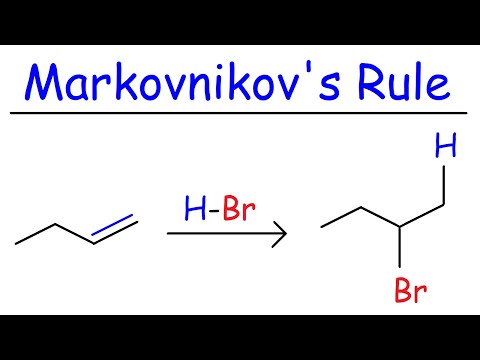
Collared owlet posted on 2025/04/18Ever wondered how chemists predict the outcome of reactions? This video dives deep into Markovnikov's Rule, explaining regioselectivity and carbocation rearrangements step-by-step! You'll pick up some awesome advanced vocabulary and really boost your understanding of organic chemistry.
Learn this video on the APP!
The VoiceTube App has more in-depth practice for videos!