
account for
US /əˈkaʊnt fɔr/
UK /əˈkaunt fɔ:/
- Phrasal Verb
- To explain the cause or reason for something
- To form a particular amount or part of something.
- Verb (Transitive/Intransitive)
- To supply a reason or explanation for something.
- To form a particular amount or proportion of something.
A1Moreacross the board
US
UK
- Phrase
- Broad in scope or content
- Adverb
- Applying to all; comprehensive; universal.
- Involving all sectors, categories, or items.
A1Moreadministration
US / ædˌmɪnɪˈstreʃən/
UK /ədˌmɪnɪˈstreɪʃn/
- Uncountable Noun
- Act of giving e.g. medicine to a patient
- The work of running something, e.g. a business
B1TOEICMoreadvanced stage
US
UK
- Noun
- A late point in the progression or development of something, often implying seriousness or difficulty.
- A point in a project or process where significant progress has been made and completion is near.
A2Moreall along
US /ɔl əˈlɔŋ/
UK /ɔ:l əˈlɔŋ/
- Adverb
- From the beginning; all the time.
- Phrase
- In a line parallel to something long.
A2Moreapart from
US /əˈpɑrt frʌm/
UK /əˈpɑ:t frɔm/
- Preposition
- Except for; not considering
- In addition to; as well as
around the world
US /əˈraʊnd ði wɜrld/
UK /əˈraund ðə wɜː(r)ld/
- Phrase
- In or to many countries.
- In various places throughout the world.
A2Moreas a result of
US
UK
- Phrase
- Because of something; owing to.
A1Moreas long as
US /æz lɔŋ æz/
UK /æz lɔŋ æz/
- Conjunction
- For the period that; provided that.
- For the length of time that
- Preposition
- On the condition that; providing that.
- Having the same length as.
A1Moreat least
US /æt list/
UK /æt li:st/
- Adverb
- As a minimum
- Not less than
- Phrase
- No less than; at the minimum
- Used to indicate that something is positive in a bad situation.
C2Moreat the moment
US
UK
- Adverb
- At this time; now
A1Moreat times
US /æt taɪmz/
UK /æt taɪmz/
- Phrase
- Sometimes; occasionally.
A1Moreaverage
US /ˈævərɪdʒ, ˈævrɪdʒ/
UK /'ævərɪdʒ/
- Noun (Countable/Uncountable)
- Total of numbers divided by the number of items
- Transitive Verb
- To add numbers then divide by the number of items
A2TOEICMorebase
US /bes/
UK /beɪs/
- Noun (Countable/Uncountable)
- Place military personnel live, train, and operate
- Bottom part of an object that touches a surface
- Transitive Verb
- To use as the starting point or origin for
- To have as the main location for (company, etc.)
A2TOEICMorebased on
US
UK
- Phrasal Verb
- To use something as the foundation or starting point for something else.
- Preposition
- Using something as the main idea or foundation.
- Relying on something as evidence or justification.
A1Morebehind the scenes
US
UK
- Phrase
- Secretly or without being known to the public.
- In a position to influence events without any public knowledge.
A1Morebond
US /bɑnd/
UK /bɒnd/
- Noun (Countable/Uncountable)
- Rope, chain or other thing used to tie someone up
- Closeness that is shared between people or groups
- Verb (Transitive/Intransitive)
- To develop a close relationship with
- To become joined or connected, e.g. using glue
A2TOEICMoreboys will be boys
US /bɔɪz wɪl bi bɔɪz/
UK /bɔɪz wɪl bi: bɔɪz/
- other
- An expression excusing typical male behavior, especially mischievous.
B2Morebring down
US /brɪŋ daʊn/
UK /briŋ daun/
- Phrasal Verb
- To destroy (government, etc.) forcefully
- To kill someone, often with a gun
A1Morebuild up
US /bɪld ʌp/
UK /bild ʌp/
- Phrasal Verb
- To increase the amount; collect something
- To develop or increase something in stages
- Verb (Transitive/Intransitive)
- To increase or develop something gradually.
- To praise or encourage someone.
A1Morebust up
US
UK
- Phrasal Verb
- To end a relationship.
- To break something, often violently.
A1Morecabinet
US /ˈkæbənɪt/
UK /ˈkæbɪnət/
- Noun (Countable/Uncountable)
- Piece of furniture resembling a cupboard
- Group of advisors to a leader of a government
- Adjective
- Relating to the group of senior government ministers.
B1Morecame into effect
US
UK
- Phrase
- To become operative or valid
A1Morecave in
US /kev ɪn/
UK /keiv in/
- Intransitive Verb
- To give in to pressure
- To collapse inwards.
- Phrasal Verb
- To collapse or fall inward.
- To yield or give way under pressure.
B1Moreclimb down
US
UK
- Phrasal Verb
- To descend, especially from a height, using your hands and feet.
- To back down or retreat from a previously held position or statement.
A1Moreconcern
US /kənˈsɚn/
UK /kənˈsɜ:n/
- Verb (Transitive/Intransitive)
- To be about a particular topic
- To have a direct impact on someone
- Noun (Countable/Uncountable)
- Company, firm or business
- Feeling of worry or anxiety
A2TOEICMoreconcrete
US /kɑnˈkrit, kɑŋ-, ˈkɑnˌkrit, ˈkɑŋ-/
UK /'kɒŋkri:t/
- Uncountable Noun
- Hard building material made of cement, sand, water
- Transitive Verb
- To cover or make with a hard grey building material
- To lay or cover with concrete.
B1Moreconsumer
US /kənˈsumɚ/
UK /kənˈsju:mə(r)/
- Countable Noun
- Person who buys goods or services
- An economic agent who uses goods and services.
- Adjective
- Relating to people who buy goods and services.
A2Morecool off
US /kul ɔf/
UK /ku:l ɔf/
- Phrasal Verb
- To become cooler.
- To become calm after being angry or excited.
A2Morecorrespondent
US /ˌkɔrɪˈspɑndənt, ˌkɑr-/
UK /ˌkɒrəˈspɒndənt/
- Countable Noun
- Journalist, as one reporting from other countries
B1Moredatum
US /ˈdetəm, ˈdætəm, ˈdɑtəm/
UK /ˈdeɪtəm/
- Noun
- Item of factual information
B1Moredeal with
US /dil wɪð/
UK /di:l wið/
- Verb (Transitive/Intransitive)
- To buy or sell goods or services.
- Phrasal Verb
- To take action to solve a problem or manage a situation.
- To be about; concern.
A1Moredeputy
US /ˈdɛpjəti/
UK /ˈdepjuti/
- Noun
- Assistant to a leader who acts on his, her behalf
B1Moredown the line
US /daʊn ði laɪn/
UK /daun ðə lain/
- Phrase
- At a later time; in the future.
- Completely; entirely; all the way.
- Adjective
- In agreement or accordance with something.
A1Moredump on
US /dʌmp ɑn/
UK /dʌmp ɒn/
- other
- To criticize or blame someone heavily or unfairly.
B2Moreeconomic
US /ˌɛkəˈnɑmɪk, ˌikə-/
UK /ˌi:kəˈnɒmɪk/
- Adjective
- Concerning trade, industry, and money
- Financially worthwhile; profitable.
- Noun
- A system relating to economics
- A factor relating to economics
A2Morefigure out
US /ˈfɪɡjɚ aʊt/
UK /ˈfiɡə aut/
- Phrasal Verb
- To understand the behavior of someone
- To think through logically to find a solution
- Verb (Transitive/Intransitive)
- To understand or find an answer to something.
- To find a solution to a problem or understand something.
A1Morefinancial
US /faɪˈnænʃ(ə)l/
UK /faɪˈnænʃl/
- Adjective
- Involving money
- Relating to investments.
- Countable Noun
- A person who provides advice on financial matters.
A2TOEICMorefor example
US
UK
- Phrase
- As an illustration or instance.
for instance
US /fɔr ˈɪnstəns/
UK /fɔ: ˈinstəns/
- Adverb
- As an example.
- Phrase
- As an example.
- As an illustration or case in point
B1Morefor long
US
UK
- Phrase
- For a considerable period of time.
- For a significant duration in the future.
A1Morefor now
US /fɔr naʊ/
UK /fɔ: nau/
- Phrase
- Temporarily; for the present time.
- In the short term; for the immediate future.
A1Morefor the rest
US /fɔr ði rɛst/
UK /fɔ: ðə rest/
- Phrase
- Concerning the remaining people or things.
- During the remaining part of a period of time.
A1Morefor the world
US /fɚ ðə wɝld/
UK /fə ðə wɜ:ld/
- other
- Used to emphasize something would never happen.
B2Morefrankly
US /ˈfræŋkli/
UK /ˈfræŋkli/
- Adverb
- Speaking honestly and directly
- Used to express disagreement or mild disapproval.
B2Moreget out of
US /ɡɛt aʊt ʌv/
UK /ɡet aut ɔv/
- Phrasal Verb
- To leave or escape responsibilities, troubles
- To leave a small, enclosed vehicle
A1Morego around
US /ɡo əˈraʊnd/
UK /ɡəu əˈraund/
- Phrasal Verb
- (Of news, gossip) to be known; circulate
- To go here and there, from place to place; wander
A1Morego back to
US /ɡo bæk tu/
UK /ɡəu bæk tu:/
- Phrasal Verb
- To return to a starting point
A1Moregoing on
US /ˈɡoɪŋ ɑn/
UK /ˈgəʊɪŋ ɔn/
- Phrasal Verb
- To continue doing something
- To happen (usually negative)
A1Moregot to
US /ɡɑt tu/
UK /gɔt tu:/
- Verb (Transitive/Intransitive)
- To arrive at some place
- To have the opportunity or permission to do something
- Phrasal Verb
- To appeal to the emotions of; move
- To finally begin to start something after a delay
A1Morehave to
US /hæv tu/
UK /ˈhæv tə/
- Auxiliary Verb
- Must do
A1Morehigh and dry
US /haɪ ənd draɪ/
UK /hai ænd drai/
- Adjective
- In a helpless situation; stranded or abandoned.
- Out of the water; beached.
- Adverb
- Without help or resources; in a difficult situation.
A2Moreimpact
US /ˈɪmˌpækt/
UK /'ɪmpækt/
- Noun
- A striking effect or result to hit with force
- Act or force of one thing hitting something else
- Verb (Transitive/Intransitive)
- To hit or strike someone or something with force
- To have a strong effect on someone or something.
A2TOEICMorein a word
US /ɪn e wɚd/
UK /in ə wə:d/
- Phrase
- Briefly; in short.
A1Morein fact
US /ɪn fækt/
UK /in fækt/
- Adverb
- Used to emphasize the truth of a statement, especially one that contrasts with or contradicts something else.
- Used to introduce a more detailed or surprising piece of information.
- Phrase
- Used to emphasize the truth of a statement, especially one that is surprising or contrary to what might be expected.
C1Morein favor of
US /ɪn ˈfevɚ ʌv/
UK /in ˈfeivə ɔv/
- Phrase
- Expressing support or approval for someone or something.
- To the advantage of; benefiting.
- Preposition
- Supporting or approving of something.
- To the advantage of; to the benefit of.
A1Morein half
US /ɪn hæf/
UK /in hɑ:f/
- Adverb
- Divided into two equal parts.
- Partially; to some extent.
A1Morein other words
US
UK
- Phrase
- Stating something in a different way, often to make it clearer or more understandable.
in particular
US /ɪn pɚˈtɪkjəlɚ/
UK /in pəˈtikjulə/
- Phrase
- Specifically; especially.
- Detailed or precise.
A1Morein return
US /ɪn rɪˈtɚn/
UK /in riˈtə:n/
- Adverb
- As a reciprocal action or gesture; in exchange or repayment.
- Phrase
- As compensation or consideration for something.
- As a reaction or response to something.
A1Morein the end
US /ɪn ði ɛnd/
UK /in ðə end/
- Phrase
- Finally; after a period of time or series of events.
- Ultimately; as the final result or consequence.
A1Morein the field
US
UK
- Phrase
- Working or doing research in a real-world environment, not in a classroom or laboratory.
- Located on the playing area of a sports ground.
A1Morein the middle of
US
UK
- Phrase
- In the central part or point of something.
- Engaged or occupied with something.
A2Morein the way
US /ɪn ði we/
UK /in ðə wei/
- Phrase
- Obstructing someone or something; hindering progress.
- Stored or placed so as to be available or ready when needed.
A1Morein the world
US /ɪn ði wɜrld/
UK /in ðə wɜː(r)ld/
- Phrase
- Used to emphasize a question expressing surprise, confusion, or disbelief.
- Used to indicate the extent or degree of something, often in a superlative sense.
A1Morein times
US
UK
- Phrase
- During periods or moments of.
- During a particular era or period in history.
A1Moreinflation
US /ɪnˈfleʃən/
UK /ɪn'fleɪʃn/
- Noun (Countable/Uncountable)
- Act of filling something with air or gas
- Continual rise in the prices of products
B1TOEICMorelook at
US /lʊk æt/
UK /luk æt/
- Phrasal Verb
- To use your eyes to focus on something
- To focus your eyes on something carefully
A1Moremove on
US /muv ɑn/
UK /mu:v ɔn/
- Phrasal Verb
- To decide to change or go to a different place
- To start talking about something different.
A1Moremusk
US /mʌsk/
UK /mʌsk/
- Uncountable Noun
- Strong sweet-smelling substance used in perfume
C1Morenegotiate
US /nɪˈgoʊʃieɪt/
UK /nɪˈgəʊʃieɪt/
- Verb (Transitive/Intransitive)
- To have a formal discussion to reach an agreement
- To manage a difficult task or path successfully
B1TOEICMorenick
US /nɪk/
UK /nɪk/
- Noun
- Person's name
- Scratches caused by accidentally knocking
- Transitive Verb
- To make a scratch in
- To steal
B2Moreof course
US /ʌv kɔː(r)s/
UK /ɔv kɔː(r)s/
- Adverb
- Sure ; Certainly
- Phrase
- For sure; certainly
A2Moreon hold
US /ɑn hold/
UK /ɔn həuld/
- Adjective
- Temporarily delayed or suspended.
- Adverb
- Waiting to be connected on a telephone call.
A2Moreon pins and needles
US /ɑn pɪnz ənd ˈnidəlz/
UK /ɔn pins ənd ˈni:dlz/
- other
- Feeling very anxious or nervous while waiting.
B2Moreon the line
US /ɑn ði laɪn/
UK /ɔn ðə lain/
- Phrase
- At risk; in a situation where something could be lost.
- Having a great deal of responsibility.
A1Moreon the upside
US
UK
- Phrase
- Considering the positive aspects or advantages of a situation.
- Used to introduce a positive development or improvement.
on to
US /ɑn tu/
UK /ɔn tu:/
- Preposition
- Toward something; forward
- Aware of someone's activities.
- Adjective
- Aware of someone's deception or illegal activities.
A1Moreother than
US
UK
- Preposition
- Except for; apart from.
- Conjunction
- Different from.
A1Moreout of the question
US
UK
- Phrase
- Impossible; not worth discussing.
- Idiom
- Impossible; not to be considered.
A1Moreout there
US /aʊt ðɛr/
UK /aut ðɛə/
- Adverb
- In or to a place that is far away
- Existing in the universe
- Adjective
- Unconventional; strange; avant-garde
- Existing or available.
A1Moreover to
US
UK
- Preposition
- Used to hand over to someone else to speak
- The responsibility is now yours
pause
US /pɔz/
UK /pɔ:z/
- Verb (Transitive/Intransitive)
- To stop doing for a while before continuing
- To temporarily interrupt the execution of a program or process.
- Noun (Countable/Uncountable)
- A temporary break before continuing
- Function on a device to stop and restart it
A2Morepoint out
US /pɔɪnt aʊt/
UK /pɔint aut/
- Phrasal Verb
- To make others aware of an idea
- To draw attention to something or someone
A1Morepolicy
US /ˈpɑlɪsi/
UK /'pɒləsɪ/
- Noun
- Document stating terms of an insurance agreement
- Course of action proposed by an organization, etc.
A2TOEICMorepresident
US /ˈprɛzɪdənt,-ˌdɛnt/
UK /ˈprezɪdənt/
- Noun
- Person in charge of a country, or organization
- The highest-ranking executive in a corporation or organization.
A2TOEICMoreput out
US /pʊt aʊt/
UK /put aut/
- Phrasal Verb
- To publish, e.g. a book
- To cause someone to be troubled or inconvenienced
A1Morerate as
US
UK
- Phrasal Verb
- To consider someone or something to be of a particular quality or standard.
B1Moreroll over
US
UK
- Phrasal Verb
- To make a payment later than planned
- To turn your body when lying down
A2Moresession
US /ˈsɛʃən/
UK /ˈseʃn/
- Noun (Countable/Uncountable)
- Period of time used for a specific activity
- Series of meetings for e.g. a court, legislature
A2TOEICMorestay in
US /ste ɪn/
UK /stei in/
- Phrasal Verb
- To remain inside one's home.
- Intransitive Verb
- To remain as an inpatient in a hospital.
step back
US /stɛp bæk/
UK /step bæk/
- Phrasal Verb
- To move backwards; to move away from something.
- To take a break from something; to gain perspective.
A1Morestock
US /stɑk/
UK /stɒk/
- Noun (Countable/Uncountable)
- Animals such as cattle kept for breeding
- Merchandise; goods kept by a business for sale
- Uncountable Noun
- Tasty liquid added to stews, soups etc.
B2TOEICMorestrategy
US /ˈstrætədʒi/
UK /'strætədʒɪ/
- Noun (Countable/Uncountable)
- Careful plan or method for achieving a goal
- Branch of military dealing with command
A2TOEICMoresuppose
US /səˈpoʊz/
UK /sə'pəʊz/
- Verb (Transitive/Intransitive)
- To imagine or guess what might happen
- Conjunction
- What if
A2TOEICMoretake away from
US /tek əˈwe frʌm/
UK /teik əˈwei frɔm/
- Phrasal Verb
- To reduce the positive effect or value of something.
- To remove or detract from a particular quality or fact.
A1Moretake stock
US
UK
- Verb (Transitive/Intransitive)
- To review or assess a situation.
A1Moretalking about
US
UK
- Phrasal Verb
- To discuss a particular topic.
- To be constantly mentioning or bringing up a subject.
A1Moretariff
US /ˈtærɪf/
UK /'tærɪf/
- Noun (Countable/Uncountable)
- List of fixed prices at hotel
- Tax that a government collects on imported goods
B2Morethink of
US /θɪŋk ʌv/
UK /θiŋk ɔv/
- Phrasal Verb
- To look on as (being something specific); consider
- To consider or remember something.
- Verb (Transitive/Intransitive)
- To imagine or call something to mind
A1Moreto date
US /tu det/
UK /tu: deit/
- Phrase
- Up to the present time; until now.
- Verb (Transitive/Intransitive)
- To go out on romantic dates with someone.
C2Moretrade
US /treid/
UK /treɪd/
- Noun (Countable/Uncountable)
- A specific industry, e.g. shoe making
- Action of buying and selling things in business
- Transitive Verb
- To buy, sell and exchange goods in business
- To give something in return for something else
A2TOEICMoretransition
US /trænˈzɪʃən, -ˈsɪʃ-/
UK /trænˈzɪʃn/
- Noun
- Change from one state, movement, place to another
- Intransitive Verb
- To change state, movement, place, or subject
B1Moreturn on
US /tɚn ɑn/
UK /tə:n ɔn/
- Phrasal Verb
- To cause someone to be interested or excited
- Transitive Verb
- To activate or switch on a device or appliance.
- To suddenly attack or criticize someone.
A1Moreuncertainty
US /ʌnˈsə:tn:ti/
UK /ʌn'sɜ:tntɪ/
- Uncountable Noun
- Feeling of not really knowing what will happen
- Lack of confidence; doubt.
B2TOEICMore
Vocabulary
- have to: Must do
- for example: As an illustration or instance.
- in the world: Used to emphasize a question expressing surprise, confusion, or disbelief.
- look at: To use your eyes to focus on something
- account for: To explain the cause or reason for something
- around the world: In or to many countries.
- at the moment: At this time; now
- go back to: To return to a starting point
- based on: To use something as the foundation or starting point for something else.
- for the rest: Concerning the remaining people or things.
- take stock: To review or assess a situation.
- in return: As a reciprocal action or gesture; in exchange or repayment.
- figure out: To understand the behavior of someone
- in the middle of: In the central part or point of something.
- at least: As a minimum
- take away from: To reduce the positive effect or value of something.
- talking about: To discuss a particular topic.
- came into effect: To become operative or valid
- all along: From the beginning; all the time.
- in fact: Used to emphasize the truth of a statement, especially one that contrasts with or contradicts something else.
- on hold: Temporarily delayed or suspended.
- turn on
- of course: Sure ; Certainly
- in times: During periods or moments of.
- down the line: At a later time; in the future.
- out there: In or to a place that is far away
- in the way: Obstructing someone or something; hindering progress.
- in a word: Briefly; in short.
- as a result of: Because of something; owing to.
- at times: Sometimes; occasionally.
- other than: Except for; apart from.
- in half: Divided into two equal parts.
- point out: To make others aware of an idea
- on pins and needles: Feeling very anxious or nervous while waiting.
- for now: Temporarily; for the present time.
- on the upside: Considering the positive aspects or advantages of a situation.
- bring down: To destroy (government, etc.) forcefully
- got to: To arrive at some place
- boys will be boys: An expression excusing typical male behavior, especially mischievous.
- in favor of: Expressing support or approval for someone or something.
- across the board: Broad in scope or content
- step back: To move backwards; to move away from something.
- cool off: To become cooler.
- climb down: To descend, especially from a height, using your hands and feet.
- for instance: As an example.
- high and dry: In a helpless situation; stranded or abandoned.
- to date: Up to the present time; until now.
- think of: To look on as (being something specific); consider
- in the field: Working or doing research in a real-world environment, not in a classroom or laboratory.
- move on: To decide to change or go to a different place
- in particular: Specifically; especially.
- advanced stage: A late point in the progression or development of something, often implying seriousness or difficulty.
- in the end: Finally; after a period of time or series of events.
- deal with
- apart from: Except for; not considering
- go around: (Of news, gossip) to be known; circulate
- bust up: To end a relationship.
- behind the scenes: Secretly or without being known to the public.
- for the world: Used to emphasize something would never happen.
- going on: To continue doing something
- roll over: To make a payment later than planned
- over to: Used to hand over to someone else to speak
- out of the question: Impossible; not worth discussing.
- on the line: At risk; in a situation where something could be lost.
- cave in: To give in to pressure
- in other words: Stating something in a different way, often to make it clearer or more understandable.
- as long as: For the period that; provided that.
- dump on: To criticize or blame someone heavily or unfairly.
- build up: To increase the amount; collect something
- rate as: To consider someone or something to be of a particular quality or standard.
- put out: To publish, e.g. a book
- get out of: To leave or escape responsibilities, troubles
- on to: Toward something; forward
- for long: For a considerable period of time.
- stay in: To remain inside one's home.
- sort: To organize things by putting them into groups
- figure: To appear in a game, play or event
- strategy: Careful plan or method for achieving a goal
- term: Conditions applying to an agreement, contract
- average: Total of numbers divided by the number of items
- impact: A striking effect or result to hit with force
- force: Group of persons trained for military action; army
- sense: Certain mental feeling or emotion
- fear: Unpleasant feeling caused by being aware of danger
- frankly: Speaking honestly and directly
- suppose: To imagine or guess what might happen
- concrete: Hard building material made of cement, sand, water
- bit: Device put in a horse's mouth to control it
- financial: Involving money
- bond: Rope, chain or other thing used to tie someone up
- concern: To be about a particular topic
- deal: To cope with something - usually troubles
- inflation: Act of filling something with air or gas
- session: Period of time used for a specific activity
- cabinet: Piece of furniture resembling a cupboard
- decision: Choice made after thinking; final judgment
- pause: To stop doing for a while before continuing
- stock: Animals such as cattle kept for breeding
- account: An advantage
- administration: Act of giving e.g. medicine to a patient
- pretty: Being attractive to the eye in a simple way
- transition: Change from one state, movement, place to another
- rate: To assess something or consider its qualities
- trade: A specific industry, e.g. shoe making
- correspondent: Journalist, as one reporting from other countries
- tariff: List of fixed prices at hotel
- moment: Very short or brief period of time
- lot: What happens to a person in life from chance; fate
- policy: Document stating terms of an insurance agreement
- uncertainty: Feeling of not really knowing what will happen
- president: Person in charge of a country, or organization
- economic: Concerning trade, industry, and money
- consumer: Person who buys goods or services
- middle: Place that is halfway between two things
- negotiate: To have a formal discussion to reach an agreement
- base: Place military personnel live, train, and operate
- deputy: Assistant to a leader who acts on his, her behalf
- datum: Item of factual information
- nick: Person's name
- musk: Strong sweet-smelling substance used in perfume
Get the full experience in the app
Learn anywhere with detailed sentence and usage analysis
01:03
She took a brave step forward, leaving behind her comfort zone to chase her dreams.
Vocabulary
- brave
adj. Having courage
- comfort zone
phr. A familiar situation where one feels safe
Explanation
a brave step is a noun phrase, where brave is an adjective modifying the noun step, meaning "a courageous step".
forward is an adverb modifying step, meaning "ahead".
The whole phrase serves as the object, answering the "what" of took (verb) — she took a brave step forward.
Get the full experience in the app
Look up words anytime with pronunciation, part of speech, and usage
brave
US/brev/
UK/breɪv/
adj.Brave
v.t.To bravely face
A2 Elementary
Get the full experience in the app
Practice speaking anytime and get instant pronunciation feedback
Try this speaking exercise.
Try practicing with this sentence.
80
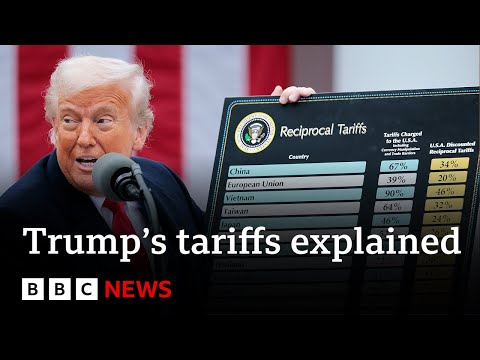
What are Trump’s tariffs and is the US in a trade war with China? | BBC News
0
大家早安 posted on 2025/04/12Ever wondered what Trump's tariffs are all about and if the US is really in a trade war with China? This BBC News explainer breaks down the complex world of trade policy, market volatility, and supply chain disruptions. You'll pick up advanced vocabulary and gain a deeper understanding of current global economics!
Learn this video on the APP!
The VoiceTube App has more in-depth practice for videos!