
accidentally
US /ˌæksɪ'dentəlɪ/
UK /ˌæksɪ'dentəlɪ/
- Adverb
- Unexpectedly; by mistake
A2Moreawesome
US /ˈɔsəm/
UK /'ɔ:səm/
- Adjective
- Great; wonderful; stupendous
B2TOEICMoreawkward
US /ˈɔkwəd/
UK /ˈɔ:kwəd/
- Adjective
- Lacking smooth movement
- Causing embarrassment or trouble
B1Morebarely
US /ˈbɛrli/
UK /ˈbɛəli/
- Adverb
- Only just; just possible
A2TOEICMorebased on
US
UK
- Phrasal Verb
- To use something as the foundation or starting point for something else.
- Preposition
- Using something as the main idea or foundation.
- Relying on something as evidence or justification.
A1Morebeat
US /bit/
UK /bi:t/
- Intransitive Verb
- To move in regular motions in order to push blood
- Transitive Verb
- To strike or hit repeatedly and with great force
- To mix ingredients together with a fork or machine
A2Morebias
US /ˈbaɪəs/
UK /'baɪəs/
- Noun (Countable/Uncountable)
- Preference to believe things even if incorrect
- A systematic error in a statistical result
- Transitive Verb
- To unfairly favor one view over another
- To cause someone to have prejudice
B1TOEICMorebreak down
US /brek daʊn/
UK /breik daun/
- Phrasal Verb
- To forcibly break, destroy or make collapse
- (Machine) to stop working or become weaker
A1Morechannel
US /ˈtʃænəl/
UK /'tʃænl/
- Noun (Countable/Uncountable)
- Long hole dug in the ground, e.g. to move water
- TV or radio station or its programs
- Transitive Verb
- To dig a long hole for carrying water
- To send (e.g. money) to a certain place or person
B1Morechuckle
US /ˈtʃʌkəl/
UK /ˈtʃʌkl/
- Intransitive Verb
- To laugh quietly, as when amused
- Noun
- Quiet amused laugh
B2Moreconversation
US /ˌkɑnvɚˈseʃən/
UK /ˌkɒnvəˈseɪʃn/
- Uncountable Noun
- Talking with other people; discussion or chat
- General communication or interaction.
A2Morecringe
US /krɪndʒ/
UK /krɪndʒ/
- Intransitive Verb
- To crouch or move back suddenly, as in fear
- To behave in a servile or submissive way.
- Transitive Verb
- To cause someone to feel embarrassed or uncomfortable.
C1Moredatum
US /ˈdetəm, ˈdætəm, ˈdɑtəm/
UK /ˈdeɪtəm/
- Noun
- Item of factual information
B1Moredeserve
US /dɪˈzɚv/
UK /dɪ'zɜ:v/
- Transitive Verb
- To be worthy of, e.g. getting praise or attention
A2TOEICMoredumb
US /dʌm/
UK /dʌm/
- Adjective
- Senseless; stupid
B1Moredwell
US /dwɛl/
UK /dwel/
- Intransitive Verb
- To live in a certain place
- To think or talk a lot about something, especially something unpleasant.
B1TOEICMoreembarrassment
US /ɛmˈbærəsmənt/
UK /ɪmˈbærəsmənt/
- Uncountable Noun
- Shame you feel when you did something wrong
- A person, thing, or situation that causes someone to feel ashamed, self-conscious, or uncomfortable.
B1Moreenergy
US /ˈɛnədʒi/
UK /'enədʒɪ/
- Noun (Countable/Uncountable)
- Physical or mental strength
- Enthusiasm and determination.
A2Moreexercise
US /ˈɛksɚˌsaɪz/
UK /'eksəsaɪz/
- Verb (Transitive/Intransitive)
- To work out to become stronger and healthier
- To retain your ability or practice your skills
- Noun (Countable/Uncountable)
- Physical activity to increase health and strength
- Set of questions in a text book
A2Morefeel like
US
UK
- Intransitive Verb
- To have a desire or inclination for something.
- To have a particular quality or sensation; resemble.
A1Moreforget about
US /fɚˈɡɛt əˈbaʊt/
UK /fəˈɡet əˈbaut/
- Phrasal Verb
- To stop thinking about something; to ignore something.
A1Moregadget
US /ˈɡædʒɪt/
UK /ˈgædʒɪt/
- Countable Noun
- Interesting or unusual tool with a practical use
B2Morego out
US /ɡo aʊt/
UK /ɡəu aut/
- Phrase
- To leave a building (e.g. a house)
- Phrasal Verb
- (Of a fire) to burn out; be extinguished
- Go out of fashion to stop being fashionable
A1Morehindsight
US /ˈhaɪndˌsaɪt/
UK /'haɪndsaɪt/
- Uncountable Noun
- Understanding the nature of an event afterwards
C1Moreidiot
US /ˈɪdiət/
UK /'ɪdɪət/
- Noun
- A person who is foolish or not very smart
B2Morein reality
US /ɪn riˈælɪti/
UK /in riˈæliti/
- Phrase
- Actually; in fact; truly.
B2Morein the future
US /ɪn ði ˈfjutʃɚ/
UK /in ðə ˈfju:tʃə/
- Phrase
- At a later time; in times to come.
A1Moreinstead of
US /ɪnˈstɛd ʌv/
UK /inˈsted ɔv/
- Preposition
- When one thing is replaced by another
- Adverb
- As a substitute or alternative.
A1Moreloathe
US /loð/
UK /ləʊð/
- Transitive Verb
- To dislike someone or something greatly; detest
B2Moreminor
US /ˈmaɪnɚ/
UK /'maɪnə(r)/
- Adjective
- Not so large in size; not important or valuable
- An interval a half tone smaller than its major
- Noun
- Subject studied in college, but not the main one
- Someone too young to be legally responsible
B1Moremove on
US /muv ɑn/
UK /mu:v ɔn/
- Phrasal Verb
- To decide to change or go to a different place
- To start talking about something different.
A1Morenegative
US /ˈnɛɡətɪv/
UK /'neɡətɪv/
- Noun
- The opposite to a positive electrical charge
- In grammar, containing words such as 'no' or 'not'
- Adjective
- Being harmful, unwanted or unhelpful
- In mathematics, being less than zero
A2Morenegativity
US /ˌneɡəˈtɪvəti/
UK /ˌnegəˈtɪvəti/
- Uncountable Noun
- Tendency to deny or resist suggestions or commands
B1Moreout of nowhere
US
UK
- Phrase
- Suddenly and unexpectedly; from an unknown place or source.
out there
US /aʊt ðɛr/
UK /aut ðɛə/
- Adverb
- In or to a place that is far away
- Existing in the universe
- Adjective
- Unconventional; strange; avant-garde
- Existing or available.
A1Moreoverprice
US
UK
- Transitive Verb
- To price something excessively high
C2Morepause
US /pɔz/
UK /pɔ:z/
- Verb (Transitive/Intransitive)
- To stop doing for a while before continuing
- To temporarily interrupt the execution of a program or process.
- Noun (Countable/Uncountable)
- A temporary break before continuing
- Function on a device to stop and restart it
A2Moreproductive
US /prəˈdʌktɪv, pro-/
UK /prəˈdʌktɪv/
- Adjective
- Producing things in large quantities; fertile
- Doing a lot of work and achieving a lot
B1Morereact
US /riˈækt/
UK /rɪ'ækt/
- Intransitive Verb
- To change when mixing with other chemicals
- To behave or make a change in a particular way
A2Morereality
US /riˈælɪti/
UK /rɪ'ælətɪ/
- Noun (Countable/Uncountable)
- What is true, as opposed to what is imagined
- The state of things as they actually exist, rather than as they may appear or might be imagined.
A2Moreregret
US /rɪˈɡrɛt/
UK /rɪ'ɡret/
- Uncountable Noun
- Feeling of being sorry, as for what you didn't do
- Verb (Transitive/Intransitive)
- To feel sorrow or guilt, as for what you didn't do
- Used to express apology or sadness.
B1Morerelive
US /riˈlɪv/
UK /ˌri:'lɪv/
- Verb (Transitive/Intransitive)
- To remember a past time or event
C1Morerewrite history
US /ˌriˈraɪt ˈhɪstəri/
UK /ˌriːˈraɪt ˈhɪstəri/
- other
- To change the commonly accepted facts or perception of past events.
B2Moreshortcut
US /ˈʃɔrtˌkʌt/
UK /'ʃɔ:tkʌt/
- Noun
- A route that is shorter than the normal
B2Moresnap
US /snæp/
UK /snæp/
- Verb (Transitive/Intransitive)
- To close your mouth quickly like biting something
- To break something dry and thin, e.g. a branch
- Countable Noun
- An informal word for a photograph
B1Morespecific
US /spɪˈsɪfɪk/
UK /spəˈsɪfɪk/
- Adjective
- Precise; particular; just about that thing
- Concerning one particular thing or kind of thing
A2Morespiral
US /ˈspaɪrəl/
UK /'spaɪrəl/
- Noun
- A continuous curve round a central point
- Intransitive Verb
- To move in a continuous curve round a point
B2Morestumble
US /ˈstʌmbəl/
UK /'stʌmbl/
- Noun
- Failing to do something well, e.g. giving a speech
- Act of tripping and almost falling
- Intransitive Verb
- To fail to perform, e.g. when giving a speech
- To trip and almost fall
B1Morethink about
US /θɪŋk əˈbaʊt/
UK /θiŋk əˈbaut/
- Phrasal Verb
- To consider something carefully.
- To remember or call to mind.
A1Moretiny
US /ˈtaɪni/
UK /'taɪnɪ/
- Adjective
- Very, very small
A2Moreversion
US /ˈvɚʒən, -ʃən/
UK /ˈvə:ʃən/
- Noun
- Different way that someone interprets something
- New or different form of something
A2TOEICMorewaste
US /west/
UK /weɪst/
- Transitive Verb
- To kill or severely harm someone
- To use valuable things ineffectively
- Uncountable Noun
- Materials left over after a process has finished
A2TOEICMore
Vocabulary
- think about: To consider something carefully.
- move on: To decide to change or go to a different place
- feel like: To have a desire or inclination for something.
- break down: To forcibly break, destroy or make collapse
- out of nowhere: Suddenly and unexpectedly; from an unknown place or source.
- in reality: Actually; in fact; truly.
- based on: To use something as the foundation or starting point for something else.
- in the future: At a later time; in times to come.
- forget about: To stop thinking about something; to ignore something.
- rewrite history: To change the commonly accepted facts or perception of past events.
- instead of: When one thing is replaced by another
- go out: To leave a building (e.g. a house)
- out there: In or to a place that is far away
- awkward: Lacking smooth movement
- specific: Precise; particular; just about that thing
- awesome: Great; wonderful; stupendous
- deserve: To be worthy of, e.g. getting praise or attention
- regret: Feeling of being sorry, as for what you didn't do
- realize: To become aware of or understand mentally
- immediately: Without any delay; straight away
- negative: The opposite to a positive electrical charge
- barely: Only just; just possible
- bias: Preference to believe things even if incorrect
- conversation: Talking with other people; discussion or chat
- productive: Producing things in large quantities; fertile
- dumb: Senseless; stupid
- version: Different way that someone interprets something
- reality: What is true, as opposed to what is imagined
- exist: To be present, alive or real
- exercise: To work out to become stronger and healthier
- brain: To strike someone forcefully on the head
- tiny: Very, very small
- stumble: Failing to do something well, e.g. giving a speech
- decision: Choice made after thinking; final judgment
- pause: To stop doing for a while before continuing
- snap: To close your mouth quickly like biting something
- complete: To finish or reach the end of doing something
- suddenly: In an unexpected or very quick manner
- reason: To think and make conclusions in a logical manner
- beat: To move in regular motions in order to push blood
- break: To create a new record e.g. running the 100m dash
- dwell: To live in a certain place
- energy: Physical or mental strength
- minor: Not so large in size; not important or valuable
- react: To change when mixing with other chemicals
- accidentally: Unexpectedly; by mistake
- spiral: A continuous curve round a central point
- waste: To kill or severely harm someone
- secret: Kept hidden from others; Known only to a few people
- idiot: A person who is foolish or not very smart
- moment: Very short or brief period of time
- channel: Long hole dug in the ground, e.g. to move water
- sound: Sensible, dependable and reliable
- cringe: To crouch or move back suddenly, as in fear
- gadget: Interesting or unusual tool with a practical use
- control: A device designed to operate a machine
- head: To hit a ball with your head in a game
- turn: To become (a particular age)
- hindsight: Understanding the nature of an event afterwards
- loathe: To dislike someone or something greatly; detest
- shortcut: A route that is shorter than the normal
- chuckle: To laugh quietly, as when amused
- embarrassment: Shame you feel when you did something wrong
- negativity: Tendency to deny or resist suggestions or commands
- datum: Item of factual information
- relive: To remember a past time or event
- overprice: To price something excessively high
Get the full experience in the app
Learn anywhere with detailed sentence and usage analysis
01:03
She took a brave step forward, leaving behind her comfort zone to chase her dreams.
Vocabulary
- brave
adj. Having courage
- comfort zone
phr. A familiar situation where one feels safe
Explanation
a brave step is a noun phrase, where brave is an adjective modifying the noun step, meaning "a courageous step".
forward is an adverb modifying step, meaning "ahead".
The whole phrase serves as the object, answering the "what" of took (verb) — she took a brave step forward.
Get the full experience in the app
Look up words anytime with pronunciation, part of speech, and usage
brave
US/brev/
UK/breɪv/
adj.Brave
v.t.To bravely face
A2 Elementary
Get the full experience in the app
Practice speaking anytime and get instant pronunciation feedback
Try this speaking exercise.
Try practicing with this sentence.
80
0
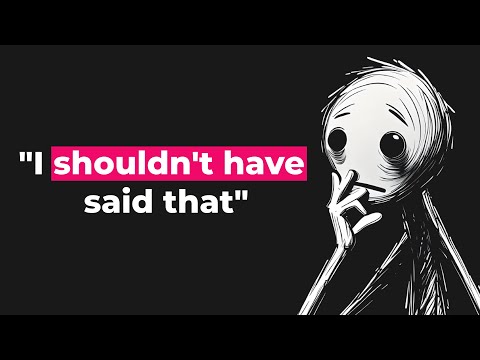
VoiceTube posted on 2025/03/01Do you ever get stuck in a regret spiral, replaying cringy moments from the past? This video dives into the negativity bias and offers super practical ways to let go of overthinking and embrace self-compassion. You'll pick up simple sentence structures and daily tips to shift your mindset and stop those late-night anxieties!
Learn this video on the APP!
The VoiceTube App has more in-depth practice for videos!