
abide
US /əˈbaɪd/
UK /ə'baɪd/
- Intransitive Verb
- To live somewhere (formal, old-fashioned)
B2TOEICMoreaffect
US /əˈfɛkt/
UK /ə'fekt/
- Transitive Verb
- To cause a change in something else
- To pretend to have or feel (something).
- Noun
- (Psychology) Emotion or feeling.
A2TOEICMoreafter all
US /ˈæftɚ ɔl/
UK /ˈɑ:ftə ɔ:l/
- Adverb
- In spite of what was expected; used to introduce a statement that supports a previous statement or explains why it was made
- Considering everything; used to indicate that something is happening or is true despite some difficulty or obstacle
- Phrase
- Despite what was expected or thought; in spite of everything.
- Taking everything into consideration; considering that.
B1Moreas for
US /æz fɔr/
UK /æz fɔ:/
- Preposition
- Concerning; regarding.
- Phrase
- Used to introduce a new topic or aspect of a subject.
A1Moreas long as
US /æz lɔŋ æz/
UK /æz lɔŋ æz/
- Conjunction
- For the period that; provided that.
- For the length of time that
- Preposition
- On the condition that; providing that.
- Having the same length as.
A1Moreat night
US /æt naɪt/
UK /æt nait/
- Phrase
- During the night; in the nighttime.
A1Morebeat up
US /bit ʌp/
UK /bi:t ʌp/
- Phrasal Verb
- To hurt someone badly by hitting and punching
- Transitive Verb
- To assault or physically harm someone.
A2Morebucket
US /ˈbʌkɪt/
UK /'bʌkɪt/
- Countable Noun
- Open container with a handle used to carry liquids
- A scoop-like container attached to machinery, used for digging or lifting materials.
- Uncountable Noun
- The amount held by a bucket.
B1Moreburst
US /bɚst/
UK /bɜ:st/
- Verb (Transitive/Intransitive)
- To move (arrive, exit, etc.) suddenly or hurriedly
- To break apart/open in a sudden and violent way
- Noun
- Brief time period when something happens and ends
- A sudden outbreak or display of something.
A2Moreburst into
US
UK
- Phrasal Verb
- To enter a place suddenly and forcefully.
- To suddenly express an emotion.
B1Morebystander
US /ˈbaɪˌstændɚ/
UK /ˈbaɪstændə(r)/
- Countable Noun
- Someone who happens to see an event
C2Morechairman
US /ˈtʃɛrmən/
UK /'tʃeəmən/
- Countable Noun
- A man in charge of a meeting
- The person who leads a company or organization
B1Morecigarette
US /ˈsɪgəret/
UK /ˌsɪgəˈret/
- Noun (Countable/Uncountable)
- White paper tube filled with tobacco
- The act of smoking a cigarette.
B1Morecommander
US /kəˈmændə(r)/
UK /kəˈmɑ:ndə(r)/
- Countable Noun
- Person with authority who commands or controls
B1Morecommittee
US /kəˈmɪti/
UK /kəˈmɪti/
- Countable Noun
- Group of people who do or decide something
- A body of people formally appointed to consider or take action on a particular matter.
A2Morecorruption
US /kəˈrʌpʃən/
UK /kəˈrʌpʃn/
- Uncountable Noun
- State of being damaged or spoiled
- Illegal, immoral dishonesty
B1Morecrowd
US /kraʊd/
UK /kraʊd/
- Verb (Transitive/Intransitive)
- To force too many things, people into
- (Lots of people) to meet together in one place
- Noun (Countable/Uncountable)
- Large group of people together in one place
A2Moreculture
US /ˈkʌltʃɚ/
UK /'kʌltʃə(r)/
- Noun (Countable/Uncountable)
- Beliefs and customs of a particular group
- The customs, beliefs, art, and all the other things that a group of people share and consider important.
- Transitive Verb
- To grow cells, tissues, bacteria, etc. in a controlled environment.
A2Moredude
US /dud, djud/
UK /du:d/
- Noun
- Form of address for a man
- (informal) A man; a fellow.
- Interjection
- (informal) Used as a term of address, often between men.
B2Moreever since
US /ˈɛvɚ sɪns/
UK /ˈevə sins/
- Adverb
- Continuously from a past time until now.
- Conjunction
- From the time that; because.
B2Moreexecutive
US /ɪɡˈzɛkjətɪv/
UK /ɪɡ'zekjətɪv/
- Noun (Countable/Uncountable)
- A senior manager in a business or organization
- The branch of government responsible for enforcing laws.
- Adjective
- Of a high ranking job in a company
- Relating to the management of a business or organization.
A2TOEICMorefor example
US
UK
- Phrase
- As an illustration or instance.
gather
US /ˈɡæðɚ/
UK /ˈgæðə(r)/
- Transitive Verb
- To bring objects together into one place
- To collect foods such as wild berries or crops
- Noun
- Fold in cloth, as in a full skirt
A2TOEICMoregoofy
US /ˈɡufi/
UK /'ɡu:fɪ/
- Adjective
- Silly or stupid; crazy
C1Morehand out
US /hænd aʊt/
UK /hænd aut/
- Phrasal Verb
- To distribute papers (often in class)
A1Morehold on
US /hold ɑn/
UK /həuld ɔn/
- Phrasal Verb
- To wait for someone (e.g. on a phone call)
- To wait for a short time.
A1Morein charge
US /ɪn tʃɑrdʒ/
UK /in tʃɑ:dʒ/
- Adverb
- To be responsible for
A1Morein fact
US /ɪn fækt/
UK /in fækt/
- Adverb
- Used to emphasize the truth of a statement, especially one that contrasts with or contradicts something else.
- Used to introduce a more detailed or surprising piece of information.
- Phrase
- Used to emphasize the truth of a statement, especially one that is surprising or contrary to what might be expected.
C1Morein school
US /ɪn skul/
UK /ɪn sku:l/
- other
- Attending an educational institution.
A1Morein terms of
US
UK
- Phrase
- With regard to; concerning a particular aspect.
A1Moreincident
US / ˈɪnsɪdənt/
UK /ˈɪnsɪdənt/
- Noun (Countable/Uncountable)
- Event, usually unusual or important; accident
- A political event that causes difficulties.
A2Moreinnocent
US /ˈɪnəsənt/
UK /'ɪnəsnt/
- Adjective
- Free from guilt or responsibility for a crime
- (Accidentally being harmed) without deserving it
- Noun
- Person with little experience of the world
A2TOEICMoreinvincible
US /ɪnˈvɪnsəbəl/
UK /ɪn'vɪnsəbl/
- Adjective
- That cannot be defeated; unbeatable
C1TOEICMorekick the bucket
US
UK
- Idiom
- To die; pass away.
A1Morelast straw
US /læst strɔ/
UK /lɑ:st strɔ:/
- Noun
- The final problem in a series of problems that causes someone to lose patience or give up.
C1Moremess
US /mɛs/
UK /mes/
- Noun (Countable/Uncountable)
- Something that is untidy, dirty or unclean
- A difficult or confused situation.
- Transitive Verb
- To make something untidy or dirty
A2Moremilitary
US /ˈmɪlɪˌtɛri/
UK /'mɪlətrɪ/
- Noun
- Army or armed forces
- Adjective
- Concerning the army or navy
B1Moremotherland
US /ˈmʌðɚlænd/
UK /ˈmʌðəlænd/
- Noun
- Country where you were born
C2Moreno can do
US /no kən du/
UK /nəʊ kən du/
- Phrase
- Unable to do something; refusal to comply.
B1Moreof course
US /ʌv kɔː(r)s/
UK /ɔv kɔː(r)s/
- Adverb
- Sure ; Certainly
- Phrase
- For sure; certainly
A2Moreon the other hand
US
UK
- Phrase
- Considering a different aspect of the matter; alternatively.
A1Moreout of control
US /aʊt ʌv kənˈtrol/
UK /aut ɔv kənˈtrəul/
- Adjective
- Impossible to manage or control.
- Not able to be directed or steered.
A1Morepissed off
US
UK
- Adjective
- Angry or annoyed.
- Disgusted or bored
- Phrasal Verb
- To go away; leave
- To annoy someone
politic
US /ˈpɑlɪtɪk/
UK /ˈpɒlətɪk/
- Adjective
- Careful what you say; diplomatic
B2Morerage
US /reɪdʒ/
UK /reɪdʒ/
- Uncountable Noun
- Strong or violent anger
- Intransitive Verb
- To act or speak with strong or violent anger
- To move violently, like a storm
B1Morerebellion
US /rɪˈbɛljən/
UK /rɪ'beljən/
- Uncountable Noun
- Act of conflicting with someone in authority
- Resisting and fighting against existing authority
B1Morereformation
US /ˌrefərˈmeɪʃn/
UK /ˌrefəˈmeɪʃn/
- Noun
- Religious movement to reform the Catholic Church
B2Moreremain
US /rɪˈmen/
UK /rɪˈmeɪn/
- Intransitive Verb
- To be left behind; to continue to exist
- To stay in a place when other people have gone
A2TOEICMoreremind
US /rɪˈmaɪnd/
UK /rɪ'maɪnd/
- Transitive Verb
- To cause someone to remember what they forgot
- To cause someone to think of something similar or related.
A2TOEICMoreremote
US /rɪˈmot/
UK /rɪ'məʊt/
- Adjective
- Being far away from people, towns, etc.
- (Of a possibility) being small or not likely
- Noun
- Radio device designed to operate TV, etc.
A2TOEICMoreresident
US /ˈrɛzɪdənt, -ˌdɛnt/
UK /ˈrezɪdənt/
- Noun (Countable/Uncountable)
- Trainee doctor who works/lives in a hospital
- A person who lives in a particular place.
- Adjective
- Someone who lives in a particular place
- (of a computer program) remaining in memory.
B1TOEICMoreslave
US /slev/
UK /sleɪv/
- Countable Noun
- Someone who is legally owned by another person
- A person who is controlled by something.
- Intransitive Verb
- To work very hard.
B1Moresmash
US /smæʃ/
UK /smæʃ/
- Noun
- Accident involving vehicles
- Sound when something breaks into pieces loudly
- Verb (Transitive/Intransitive)
- To break into pieces
- To defeat someone completely
B1Morespread
US /sprɛd/
UK /spred/
- Noun (Countable/Uncountable)
- A big meal, often laid out as a buffet
- The distance between two things
- Verb (Transitive/Intransitive)
- To place over a large area; to cover a large area
- (Of ideas, gossip) to pass to and affect others
A2TOEICMorespread all over
US /sprɛd ɔl ˈovɚ/
UK /spred ɔ:l ˈəuvə/
- Phrasal Verb
- To become known or distributed widely throughout an area or group of people.
- To apply something thinly and evenly across a surface.
B2Morespread out
US /sprɛd aʊt/
UK /spred aut/
- Phrasal Verb
- To extend or stretch over a large area.
- To arrange things so that they cover a large area.
B2Moresuppression
US /səˈprɛʃən/
UK /səˈpreʃn/
- Uncountable Noun
- Act of preventing the display of emotion, feeling
- Forceful acts preventing something from happening
B1Moretakeover
US /ˈtekˌovɚ/
UK /ˈteɪkəʊvə(r)/
- Noun
- Change of ownership of a corporation
C2TOEICMoretalking about
US
UK
- Phrasal Verb
- To discuss a particular topic.
- To be constantly mentioning or bringing up a subject.
A1Morethirsty
US /ˈθɚsti/
UK /'θɜ:stɪ/
- Adjective
- Having a powerful desire or need for something
- Needing to drink something
B1Moreto do with
US
UK
- Phrasal Verb
- To be about something; concern
A1Moreto hand
US
UK
- Transitive Verb
- To give or pass something to someone using your hand.
- To offer assistance or help.
A1Moretoss
US /tɔ:s/
UK /tɒs/
- Transitive Verb
- To throw something into the air, e.g. casually
- To mix ingredients lightly.
- Intransitive Verb
- To move about restlessly; to writhe or fidget.
- To be thrown about violently.
B1Moretragedy
US /ˈtrædʒɪdi/
UK /'trædʒədɪ/
- Noun
- Play that has a sad ending with many deaths
- Very sad event that usually involves death
B1Moreturn in
US /tɚn ɪn/
UK /tə:n in/
- Phrasal Verb
- To produce or achieve a good performance
- To go to bed
A1Moreturned out
US
UK
- Phrasal Verb
- To arrive for a public event or entertainment
- To happen to be in the end
- Transitive Verb
- To extinguish or switch off lights.
A1Moreunder control
US /ˈʌndɚ kənˈtrol/
UK /ˈʌndə kənˈtrəul/
- Adjective
- Being managed or restrained; not out of hand.
- Having one's emotions or impulses restrained.
- Phrase
- A situation that is being managed effectively.
C1Morewound
US /waʊnd/
UK /waʊnd/
- Transitive Verb
- To rotate a part of say a watch to make it work
- To hurt someone emotionally
- Noun (Countable/Uncountable)
- Sadness or displeasure caused by a bad memory
- Physical injury, especially that suffered in war
A2More
Vocabulary
- burst into: To enter a place suddenly and forcefully.
- of course: Sure ; Certainly
- to do with: To be about something; concern
- in school: Attending an educational institution.
- turned out: To arrive for a public event or entertainment
- turn in: To produce or achieve a good performance
- talking about: To discuss a particular topic.
- no can do: Unable to do something; refusal to comply.
- on the other hand : Considering a different aspect of the matter; alternatively.
- in fact: Used to emphasize the truth of a statement, especially one that contrasts with or contradicts something else.
- as long as: For the period that; provided that.
- in terms of
- in charge: To be responsible for
- pissed off: Angry or annoyed.
- as for: Concerning; regarding.
- last straw: The final problem in a series of problems that causes someone to lose patience or give up.
- beat up: To hurt someone badly by hitting and punching
- hand out: To distribute papers (often in class)
- to hand: To give or pass something to someone using your hand.
- spread all over: To become known or distributed widely throughout an area or group of people.
- hold on: To wait for someone (e.g. on a phone call)
- ever since: Continuously from a past time until now.
- out of control: Impossible to manage or control.
- spread out: To extend or stretch over a large area.
- under control: Being managed or restrained; not out of hand.
- for example: As an illustration or instance.
- at night: During the night; in the nighttime.
- kick the bucket: To die; pass away.
- after all: In spite of what was expected; used to introduce a statement that supports a previous statement or explains why it was made
- situation: Place, position or area that something is in
- executive: A senior manager in a business or organization
- mess: Something that is untidy, dirty or unclean
- dude: Form of address for a man
- spread: A big meal, often laid out as a buffet
- military: Army or armed forces
- affect: To cause a change in something else
- rage: Strong or violent anger
- innocent: Free from guilt or responsibility for a crime
- crowd: To force too many things, people into
- remain: To be left behind; to continue to exist
- toss: To throw something into the air, e.g. casually
- remote: Being far away from people, towns, etc.
- compare: To consider how similar and different things are
- burst: To move (arrive, exit, etc.) suddenly or hurriedly
- create: To make, cause, or bring into existence
- tragedy: Play that has a sad ending with many deaths
- incident: Event, usually unusual or important; accident
- break: To create a new record e.g. running the 100m dash
- corruption: State of being damaged or spoiled
- economy: Using money, resources in a careful, effective way
- leave: To go away from; depart
- wound: To rotate a part of say a watch to make it work
- haven: Place where people can feel safe and happy
- culture: Beliefs and customs of a particular group
- smash: Accident involving vehicles
- arrest: To attract someone's attention and hold interest
- control: A device designed to operate a machine
- committee: Group of people who do or decide something
- system: Set of organized, planned ideas that work together
- gather: To bring objects together into one place
- remind: To cause someone to remember what they forgot
- act: To behave in a certain way
- catch: Amount of something that has been caught
- abide: To live somewhere (formal, old-fashioned)
- public: Owned by the government
- invincible: That cannot be defeated; unbeatable
- government: Group of people and system that rule a nation
- bucket: Open container with a handle used to carry liquids
- resident: Trainee doctor who works/lives in a hospital
- turn: To become (a particular age)
- goofy: Silly or stupid; crazy
- rebellion: Act of conflicting with someone in authority
- cigarette: White paper tube filled with tobacco
- slave: Someone who is legally owned by another person
- commander: Person with authority who commands or controls
- thirsty: Having a powerful desire or need for something
- politic: Careful what you say; diplomatic
- suppression: Act of preventing the display of emotion, feeling
- takeover: Change of ownership of a corporation
- bystander: Someone who happens to see an event
- chairman: A man in charge of a meeting
- reformation: Religious movement to reform the Catholic Church
- motherland: Country where you were born
Get the full experience in the app
Learn anywhere with detailed sentence and usage analysis
01:03
She took a brave step forward, leaving behind her comfort zone to chase her dreams.
Vocabulary
- brave
adj. Having courage
- comfort zone
phr. A familiar situation where one feels safe
Explanation
a brave step is a noun phrase, where brave is an adjective modifying the noun step, meaning "a courageous step".
forward is an adverb modifying step, meaning "ahead".
The whole phrase serves as the object, answering the "what" of took (verb) — she took a brave step forward.
Get the full experience in the app
Look up words anytime with pronunciation, part of speech, and usage
brave
US/brev/
UK/breɪv/
adj.Brave
v.t.To bravely face
A2 Elementary
Get the full experience in the app
Practice speaking anytime and get instant pronunciation feedback
Try this speaking exercise.
Try practicing with this sentence.
80
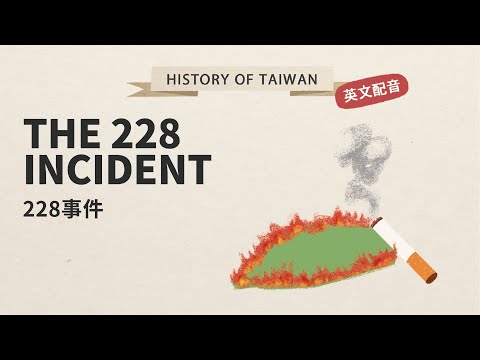
民主臺灣曾經歷血腥鎮壓!A Massacre before Democracy: the history of the 228 incident in Taiwan | 臺灣吧 Taiwan Bar
0
VoiceTube posted on 2025/02/27Ever wondered about the hidden history of Taiwan? This video dives into the dramatic 228 Incident, a crucial moment before democracy, and you'll pick up some advanced vocabulary while learning about this significant event. It's a fantastic way to deepen your cultural understanding and practice listening to fast-paced explanations!
Learn this video on the APP!
The VoiceTube App has more in-depth practice for videos!