
a few moments
US
UK
- Phrase
- A short period of time
A2Morealgorithm
US /ˈælɡəˌrɪðəm/
UK /'ælɡərɪðəm/
- Noun
- A step-by-step problem-solving feature
B2Morearab
US
UK
- Noun
- Citizen of an Arabic speaking nation
C2Moreauthoritarian
US /əˌθɔ:rəˈteriən/
UK /ɔ:ˌθɒrɪˈteəriən/
- Noun
- Person expecting complete obedience
- Adjective
- Expecting complete obedience to your rules
- Favoring or enforcing strict obedience to authority, especially that of the government, at the expense of personal freedom.
B2Morecause
US /kɔz/
UK /kɔ:z/
- Noun
- Belief, goal or organization that people support
- Reason for
- Transitive Verb
- To make something happen; create effect or result
A2Morechart
US /tʃɑ:rt/
UK /tʃɑ:t/
- Noun (Countable/Uncountable)
- Drawing showing information in a clear way
- Map of the sea or stars
- Transitive Verb
- To make a plan for future action
- To make a map of
B1Morecivil
US /ˈsɪvəl/
UK /ˈsɪvl/
- Adjective
- Of citizens of a country; not military, criminal
- Acting in a polite, but not truly friendly manner
B1Morecome back
US /kʌm bæk/
UK /kʌm bæk/
- Phrasal Verb
- To reply to someone, often forcefully
- To be remembered
A1Moreconfiscate
US /ˈkɑnfɪˌsket/
UK /'kɒnfɪskeɪt/
- Transitive Verb
- To take something away from someone as punishment
C1Moreconflict
US /ˈkɑnˌflɪkt/
UK /'kɒnflɪkt/
- Noun (Countable/Uncountable)
- Argument or struggle between two or more parties
- A serious disagreement or argument.
- Verb (Transitive/Intransitive)
- To have opposite ideas; to disagree; To not match
A2Moreconstitution
US /ˌkɑnstɪˈtuʃən, -ˈtju-/
UK /ˌkɔnstiˈtju:ʃən/
- Noun (Countable/Uncountable)
- Statement of fundamental principles of a country
- Condition of your health
B1Morecorruption
US /kəˈrʌpʃən/
UK /kəˈrʌpʃn/
- Uncountable Noun
- State of being damaged or spoiled
- Illegal, immoral dishonesty
B1Moredemand
US /dɪˈmænd/
UK /dɪ'mɑ:nd/
- Noun (Countable/Uncountable)
- Desire customers have to buy product, service
- A strong request for someone to do something
- Transitive Verb
- To strongly request someone to do something
- To need something.
A2TOEICMoredemocracy
US /dɪˈmɑkrəsi/
UK /dɪ'mɒkrəsɪ/
- Noun (Countable/Uncountable)
- System of government in which everyone is equal
- Principles of social equality and respect for the individual within a society.
B1Moredemocratic
US /ˌdɛməˈkrætɪk/
UK /ˌdeməˈkrætɪk/
- Adjective
- (Of government) giving the people power, a vote
- Based on the principle that all members have equal rights.
B2Moredictator
US /ˈdɪkteɪtər/
UK /dɪkˈteɪtə(r)/
- Countable Noun
- Ruler who decides everything, and enforces it
B1Moredissent
US /dɪˈsɛnt/
UK /dɪ'sent/
- Uncountable Noun
- Difference of opinion; a disagreement
- Intransitive Verb
- To differ in opinion
B2TOEICMoredissolve
US /dɪˈzɑ:lv/
UK /dɪˈzɒlv/
- Verb (Transitive/Intransitive)
- To cause something to end
- To dismiss, e.g. a law-making body
B2Moreescalate
US /ˈɛskəˌlet/
UK /ˈeskəleɪt/
- Verb (Transitive/Intransitive)
- To increase in size, intensity, or scope
- To become much worse or more severe
B2Moreever since
US /ˈɛvɚ sɪns/
UK /ˈevə sins/
- Adverb
- Continuously from a past time until now.
- Conjunction
- From the time that; because.
B2Moreextreme
US /ɪkˈstrim/
UK /ɪk'stri:m/
- Adjective
- Very great in degree
- Farthest from a center
- Noun
- Effort that is thought more than is necessary
- The furthest point or limit of something.
B1Morefamiliar
US /fəˈmɪljɚ/
UK /fəˈmɪliə(r)/
- Adjective
- Well-known or easily recognized
- Having a good knowledge of something.
- Noun
- A close friend or associate.
- (In folklore) a spirit, often in animal form, believed to attend and serve a witch.
A2TOEICMorefund
US /fʌnd/
UK /fʌnd/
- Transitive Verb
- To supply money for something
- Noun (Countable/Uncountable)
- Money collected, saved, or provided for a purpose
- A specific account into which you put money
A2TOEICMorehand over
US /hænd ˈovɚ/
UK /hænd ˈəuvə/
- Phrasal Verb
- To give into the possession or control of another
A1Morehandful
US /ˈhændˌfʊl/
UK /'hændfʊl/
- Noun (Countable/Uncountable)
- an amount of something that can be held in one hand; small quantity or amount of people or things
- A thing requiring great effort to control, manage
B1Morehindsight
US /ˈhaɪndˌsaɪt/
UK /'haɪndsaɪt/
- Uncountable Noun
- Understanding the nature of an event afterwards
C1Morein charge
US /ɪn tʃɑrdʒ/
UK /in tʃɑ:dʒ/
- Adverb
- To be responsible for
A1Morein power
US /ɪn ˈpaʊɚ/
UK /in ˈpauə/
- Adjective
- Having control of a country or organization.
- Phrase
- During a period of holding authority or control.
B1Morein return
US /ɪn rɪˈtɚn/
UK /in riˈtə:n/
- Adverb
- As a reciprocal action or gesture; in exchange or repayment.
- Phrase
- As compensation or consideration for something.
- As a reaction or response to something.
A1Morein the end
US /ɪn ði ɛnd/
UK /in ðə end/
- Phrase
- Finally; after a period of time or series of events.
- Ultimately; as the final result or consequence.
A1Morein the face of
US //ɪn ðə feɪs ɑv//
UK
- Phrase
- When confronted with something difficult or challenging.
- Despite; in defiance of; when confronted with.
A1Moreinstead of
US /ɪnˈstɛd ʌv/
UK /inˈsted ɔv/
- Preposition
- When one thing is replaced by another
- Adverb
- As a substitute or alternative.
A1Moremassive
US /ˈmæsɪv/
UK /ˈmæsɪv/
- Adjective
- Very big; large; too big
- Large or imposing in scale or scope.
B1Moremilitary
US /ˈmɪlɪˌtɛri/
UK /'mɪlətrɪ/
- Noun
- Army or armed forces
- Adjective
- Concerning the army or navy
B1Moreminority
US /məˈnɔrɪti, -ˈnɑr-, maɪ-/
UK /maɪ'nɒrətɪ/
- Noun (Countable/Uncountable)
- Group that is smaller and different from the rest
- Part that is less than half the whole; small part
- Adjective
- Being part of a smaller group within a larger one.
B1TOEICMoreon fire
US /ɑn faɪr/
UK /ɔn ˈfaiə/
- Adjective
- Very successful or popular
- Burning
A2Moreon the streets
US /ɑn ðə strits/
UK /ɒn ðə stri:ts/
- other
- Without a home; homeless or exposed outdoors.
B2Moreopposition
US /ˌɑ:pəˈzɪʃn/
UK /ˌɒpəˈzɪʃn/
- Uncountable Noun
- Act of disagreeing or trying to stop something
- Group that you are fighting or competing against
B1Moreparliament
US /ˈpɑrləmənt/
UK /ˈpɑ:ləmənt/
- Noun
- Elected officials who govern a country (in the UK)
- Period when the Uk government is in session
A2Morepassed by
US
UK
- Phrasal Verb
- Went past someone or something.
- Elasped; time went by.
C2Morepay off
US /pe ɔf/
UK /pei ɔf/
- Phrasal Verb
- To give money to get person to do something; bribe
- To give money to settle a debt
- Transitive Verb
- To bribe someone.
- To pay a debt in full.
A1Morepresidency
US /ˈprɛzɪdənsi, -ˌdɛn-/
UK /ˈprezɪdənsi/
- Uncountable Noun
- Fact or period of time of being a president
B2Morepresident
US /ˈprɛzɪdənt,-ˌdɛnt/
UK /ˈprezɪdənt/
- Noun
- Person in charge of a country, or organization
- The highest-ranking executive in a corporation or organization.
A2TOEICMoreprocess
US /ˈprɑsˌɛs, ˈproˌsɛs/
UK /prə'ses/
- Transitive Verb
- To organize and use data in a computer
- To deal with official forms in the way required
- Noun (Countable/Uncountable)
- Dealing with official forms in the way required
- Set of changes that occur slowly and naturally
A2TOEICMoreprotest
US /ˈproʊtɛst/
UK /'prəʊtest/
- Verb (Transitive/Intransitive)
- To argue against something in a forceful way
- To express a strong objection or dislike
- Noun
- Forceful argument against something
- Objection to something
A2Moreregard
US /rɪˈɡɑrd/
UK /rɪ'ɡɑ:d/
- Uncountable Noun
- Admiration or respect for a person or thing
- Careful thought or attention.
- Transitive Verb
- To think about a person, thing in a particular way
- To look at a person or thing in a particular way
A2TOEICMoreresign
US /rɪ'zaɪn/
UK /rɪ'zaɪn/
- Intransitive Verb
- To leave a job because you want to
- Verb (Transitive/Intransitive)
- To accept something unpleasant that one cannot do anything about.
B1TOEICMorerevolt
US /rɪˈvolt/
UK /rɪ'vəʊlt/
- Noun
- Protest against authority; fight to take control
- Intransitive Verb
- To refuse to obey someone's authority or wishes
B2Morerule
US /ruːl/
UK /ruːl/
- Noun (Countable/Uncountable)
- Something that is normal and usually happens
- Governmental control or power over a region
- Verb (Transitive/Intransitive)
- To decide legally, especially in court
- To have control or influence
A2TOEICMoreshake
US /ʃek/
UK /ʃeɪk/
- Verb (Transitive/Intransitive)
- To cause someone to be surprised or upset
- To cause a belief, idea, or feeling to weaken
- Countable Noun
- Drink made by shaking milk with fruit or flavors
A2Morestandard
US /ˈstændəd/
UK /'stændəd/
- Noun
- Official unit of measuring something
- Principle of behaving in a moral way
- Adjective
- Being the accepted normal level of quality
- (Of a language) being the most accepted in a place
A2TOEICMorestep down
US /stɛp daʊn/
UK /step daun/
- Phrasal Verb
- To reduce the amount of something
- To resign
- Transitive Verb
- To reduce the voltage of an electrical current.
A1Moresuffer
US / ˈsʌfɚ/
UK /'sʌfə(r)/
- Verb (Transitive/Intransitive)
- To experience pain, illness, or injury
- To allow or permit something, especially something unpleasant.
A2Morethe following
US
UK
- Adjective
- Next in order or sequence.
- Uncountable Noun
- What is about to be said or written.
B1Moreto hand
US
UK
- Transitive Verb
- To give or pass something to someone using your hand.
- To offer assistance or help.
A1Moreto the core
US
UK
- Phrase
- Completely; fundamentally; in every aspect.
- To the innermost part; to the very essence or center.
A1Moretolerate
US /ˈtɑ:ləreɪt/
UK /ˈtɒləreɪt/
- Transitive Verb
- To be able to adjust to changes of various kinds
- To be able to survive under specific conditions
B1Moretorture
US /ˈtɔrtʃɚ/
UK /'tɔ:tʃə(r)/
- Noun (Countable/Uncountable)
- Hurting someone to force them to give information
- Painful suffering or distress
- Transitive Verb
- To painfully hurt someone to get information
- To cause someone to suffer greatly; torment
B2Morevacuum
US /ˈvækjuəm, -jum, -jəm/
UK /'vækjʊəm/
- Noun (Countable/Uncountable)
- Space with absolutely no air in it
- Cleaning machine with engine that sucks up dirt
- Transitive Verb
- To clean (a floor) using a sucking machine
- To seal something in a vacuum.
B1Morewealth
US /wɛlθ/
UK /welθ/
- Uncountable Noun
- Amount of money or possessions you own, e.g. large
A2TOEICMore
Vocabulary
- step down: To reduce the amount of something
- pay off: To give money to get person to do something; bribe
- in the end: Finally; after a period of time or series of events.
- in power: Having control of a country or organization.
- on the streets: Without a home; homeless or exposed outdoors.
- ever since: Continuously from a past time until now.
- a few moments: A short period of time
- on fire: Very successful or popular
- to the core: Completely; fundamentally; in every aspect.
- in the face of: When confronted with something difficult or challenging.
- come back: To reply to someone, often forcefully
- in charge: To be responsible for
- passed by: Went past someone or something.
- in return: As a reciprocal action or gesture; in exchange or repayment.
- instead of: When one thing is replaced by another
- hand over: To give into the possession or control of another
- to hand: To give or pass something to someone using your hand.
- the following: Next in order or sequence.
- massive: Very big; large; too big
- process: To organize and use data in a computer
- conflict: Argument or struggle between two or more parties
- extreme: Very great in degree
- familiar: Well-known or easily recognized
- demand: Desire customers have to buy product, service
- parliament: Elected officials who govern a country (in the UK)
- algorithm: A step-by-step problem-solving feature
- military: Army or armed forces
- tolerate: To be able to adjust to changes of various kinds
- suffer: To experience pain, illness, or injury
- handful: an amount of something that can be held in one hand; small quantity or amount of people or things
- cause: Belief, goal or organization that people support
- democracy: System of government in which everyone is equal
- democratic: (Of government) giving the people power, a vote
- protest: To argue against something in a forceful way
- standard: Official unit of measuring something
- torture: Hurting someone to force them to give information
- minority: Group that is smaller and different from the rest
- corruption: State of being damaged or spoiled
- vacuum: Space with absolutely no air in it
- dissolve: To cause something to end
- civil: Of citizens of a country; not military, criminal
- wealth: Amount of money or possessions you own, e.g. large
- leave: To go away from; depart
- constitution: Statement of fundamental principles of a country
- authoritarian: Person expecting complete obedience
- escalate: To increase in size, intensity, or scope
- arrest: To attract someone's attention and hold interest
- president: Person in charge of a country, or organization
- build: Your physical shape; physique
- regard: Admiration or respect for a person or thing
- government: Group of people and system that rule a nation
- resign: To leave a job because you want to
- dissent: Difference of opinion; a disagreement
- step: Movement done as part of a particular dance
- perfect: So good it cannot be improved
- change: To exchange one set of clothes for another
- hindsight: Understanding the nature of an event afterwards
- rule: Something that is normal and usually happens
- opposition: Act of disagreeing or trying to stop something
- deep: Complex and important
- revolt: Protest against authority; fight to take control
- dictator: Ruler who decides everything, and enforces it
- confiscate: To take something away from someone as punishment
- chart: Drawing showing information in a clear way
- popular: Liked or enjoyed by many people
- start: First time or place that a thing exists; beginning
- world: All the humans, events, activities on the earth
- return: To hit something back to the other player or team
- know: To be familiar with a person or place, thing
- spring: Coil of metal that lessens impact, e.g. on cars
- fund: To supply money for something
- country: An area of land that is controlled by a government
- shake: To cause someone to be surprised or upset
- presidency: Fact or period of time of being a president
- arab: Citizen of an Arabic speaking nation
Get the full experience in the app
Learn anywhere with detailed sentence and usage analysis
01:03
She took a brave step forward, leaving behind her comfort zone to chase her dreams.
Vocabulary
- brave
adj. Having courage
- comfort zone
phr. A familiar situation where one feels safe
Explanation
a brave step is a noun phrase, where brave is an adjective modifying the noun step, meaning "a courageous step".
forward is an adverb modifying step, meaning "ahead".
The whole phrase serves as the object, answering the "what" of took (verb) — she took a brave step forward.
Get the full experience in the app
Look up words anytime with pronunciation, part of speech, and usage
brave
US/brev/
UK/breɪv/
adj.Brave
v.t.To bravely face
A2 Elementary
Get the full experience in the app
Practice speaking anytime and get instant pronunciation feedback
Try this speaking exercise.
Try practicing with this sentence.
80
0
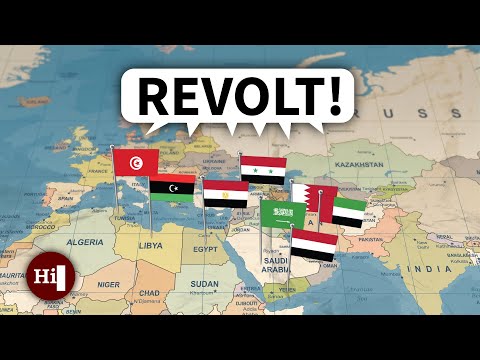
danny posted on 2025/02/25Ever wondered what happened after the Arab Spring protests? This video dives deep into the Middle East's political shifts, exploring the fight against authoritarianism and the path toward democracy. You'll pick up advanced vocabulary related to political change and gain a richer understanding of this pivotal historical moment!
Learn this video on the APP!
The VoiceTube App has more in-depth practice for videos!