
after all
US /ˈæftɚ ɔl/
UK /ˈɑ:ftə ɔ:l/
- Adverb
- In spite of what was expected; used to introduce a statement that supports a previous statement or explains why it was made
- Considering everything; used to indicate that something is happening or is true despite some difficulty or obstacle
- Phrase
- Despite what was expected or thought; in spite of everything.
- Taking everything into consideration; considering that.
B1Morebad idea
US
UK
- Phrase
- An unwise or imprudent course of action.
A2Moreby now
US /baɪ naʊ/
UK /bai nau/
- Phrase
- At the present time or already; before the present.
A2Morecortex
US /ˈkɔrˌteks/
UK /'kɔ:teks/
- Noun (Countable/Uncountable)
- The outer part of an organ/structure, e.g. brain
- The outer layer of the cerebrum (the cerebral cortex), other organs, or a plant.
C1Moredecide
US /dɪˈsaɪd/
UK /dɪ'saɪd/
- Verb (Transitive/Intransitive)
- To make a choice or choose after thinking about it
- To make a legal judgment in court
A2TOEICMoreemotion
US /ɪˈmoʃən/
UK /iˈməuʃən/
- Noun (Countable/Uncountable)
- A feeling such as sadness, anger or love
- A mental state that arises spontaneously rather than through conscious effort
A2Moreepisode
US /ˈɛpɪˌsod/
UK /'epɪsəʊd/
- Noun
- One separate event in a series of events
- Show which is part of a larger story
B1TOEICMoreescape
US /ɪˈskep/
UK /ɪ'skeɪp/
- Noun (Countable/Uncountable)
- Act to briefly ignoring boring or bad things
- The 'esc key' on a keyboard
- Verb (Transitive/Intransitive)
- To avoid something undesirable, dangerous or bad
- To get away from a place where you are being kept
A2Morefamiliar
US /fəˈmɪljɚ/
UK /fəˈmɪliə(r)/
- Adjective
- Well-known or easily recognized
- Having a good knowledge of something.
- Noun
- A close friend or associate.
- (In folklore) a spirit, often in animal form, believed to attend and serve a witch.
A2TOEICMorefuture self
US
UK
- Noun
- The person you will become in the future, often used in the context of making decisions that will benefit your future well-being.
- An idealized version of oneself that one aspires to become in the future.
A2Moreinstant
US /ˈɪnstənt/
UK /ˈɪnstənt/
- Adjective
- (Food) requiring very little preparation
- Occurring immediately
- Noun
- A very short period of time
A2TOEICMoreinstead of
US /ɪnˈstɛd ʌv/
UK /inˈsted ɔv/
- Preposition
- When one thing is replaced by another
- Adverb
- As a substitute or alternative.
A1Moremanagement
US /ˈmænɪdʒmənt/
UK /'mænɪdʒmənt/
- Noun (Countable/Uncountable)
- People who are in control of a business or group
- Uncountable Noun
- The process of dealing with or controlling things or people.
- The skill of organizing and controlling resources.
A2TOEICMoremidnight
US /ˈmɪdˌnaɪt/
UK /ˈmɪdnaɪt/
- Noun
- 12 o'clock at night; the middle of the night
B1Moreoverwhelming
US /ˌovɚˈhwɛlmɪŋ, -ˈwɛl-/
UK /ˌəʊvəˈwelmɪŋ/
- Transitive Verb
- To defeat something or someone completely
- To affect someone emotionally in a strong way
- Adjective
- Having too much to handle (e.g. work)
- Very great or very strong; so powerful that you cannot resist or decide how to react
B2Morepainful
US /ˈpenfəl/
UK /ˈpeɪnfl/
- Adjective
- Causing or feeling physical pain or hurt
- Causing distress or unhappiness.
A2Morepanic
US /ˈpænɪk/
UK /'pænɪk/
- Uncountable Noun
- Overwhelming feeling of fear and anxiety
- Intransitive Verb
- To feel sudden anxiety and fear and cannot think
B1Morepleasure
US /ˈplɛʒɚ/
UK /'pleʒə(r)/
- Noun (Countable/Uncountable)
- Feeling of happiness, enjoyment, or satisfaction
- A thing that causes enjoyment or delight.
- Transitive Verb
- To give someone pleasure or satisfaction.
A2TOEICMoreprocrastinate
US /proˈkræstəˌnet, prə-/
UK /prəʊ'kræstɪneɪt/
- Intransitive Verb
- To delay doing something that you ought to do
C2Moreprocrastination
US /proʊˌkræstɪ'neɪʃn/
UK /prəʊˌkræstɪ'neɪʃn/
- Uncountable Noun
- Act of putting off something you ought to do
C2TOEICMorerandom
US /ˈrændəm/
UK /'rændəm/
- Adjective
- Chosen, done without a particular plan or pattern
B1Moreremind
US /rɪˈmaɪnd/
UK /rɪ'maɪnd/
- Transitive Verb
- To cause someone to remember what they forgot
- To cause someone to think of something similar or related.
A2TOEICMoreresist
US /rɪˈzɪst/
UK /rɪ'zɪst/
- Verb (Transitive/Intransitive)
- To not be affected by e.g. a force or an effect
- To fight or prevent something from happening
A2TOEICMoreresponsible
US / rɪˈspɑnsəbəl/
UK /rɪ'spɒnsəbl/
- Adjective
- Being the cause of something that has occurred
- Having the duty of dealing with something
A2TOEICMorescroll
US /skroʊl/
UK /skrəʊl/
- Intransitive Verb
- To move up and down a computer screen
- Verb (Transitive/Intransitive)
- To move up, down, or across a computer screen
B2Morestruggle
US /ˈstrʌɡəl/
UK /'strʌɡl/
- Verb (Transitive/Intransitive)
- To try very hard to do something difficult
- To fight or struggle violently
- Noun (Countable/Uncountable)
- Strong efforts made to do something difficult
- A difficult or challenging situation or task
A2Moresubscribe
US /səbˈskraɪb/
UK /səb'skraɪb/
- Verb (Transitive/Intransitive)
- To regularly pay to receive a service
B1TOEICMoresuppose
US /səˈpoʊz/
UK /sə'pəʊz/
- Verb (Transitive/Intransitive)
- To imagine or guess what might happen
- Conjunction
- What if
A2TOEICMoretake back
US /tek bæk/
UK /teik bæk/
- Phrasal Verb
- To say you no longer agree with an opinion you had
- To return something you bought to the store
- Transitive Verb
- To retract or withdraw a statement or claim.
- To regain possession of something.
A1Moretechnique
US /tɛkˈnik/
UK /tekˈni:k/
- Noun (Countable/Uncountable)
- Way of doing by using special knowledge or skill
- The skill or ability to do something well.
A2TOEICMoretrick
US /trɪk/
UK /trɪk/
- Transitive Verb
- To fool someone in order to obtain a result
- To playfully tease or fool to make someone laugh
- Noun (Countable/Uncountable)
- Act of trying to fool someone
- Quick or skillful way of doing something
A2More
Vocabulary
- instead of: When one thing is replaced by another
- bad idea: An unwise or imprudent course of action.
- by now: At the present time or already; before the present.
- future self: The person you will become in the future, often used in the context of making decisions that will benefit your future well-being.
- take back: To say you no longer agree with an opinion you had
- after all: In spite of what was expected; used to introduce a statement that supports a previous statement or explains why it was made
- subscribe: To regularly pay to receive a service
- episode: One separate event in a series of events
- sort: To organize things by putting them into groups
- struggle: To try very hard to do something difficult
- overwhelming: To defeat something or someone completely
- procrastinate: To delay doing something that you ought to do
- technique: Way of doing by using special knowledge or skill
- panic: Overwhelming feeling of fear and anxiety
- term: Conditions applying to an agreement, contract
- trick: To fool someone in order to obtain a result
- dopamine: Drug used to treat shock and hypotension
- procrastination: Act of putting off something you ought to do
- cortex: The outer part of an organ/structure, e.g. brain
- familiar: Well-known or easily recognized
- random: Chosen, done without a particular plan or pattern
- imagine: To think creatively about; form mental picture of
- instant: (Food) requiring very little preparation
- suppose: To imagine or guess what might happen
- brain: To strike someone forcefully on the head
- escape: Act to briefly ignoring boring or bad things
- resist: To not be affected by e.g. a force or an effect
- prefrontal: Anterior to a frontal structure
- responsible: Being the cause of something that has occurred
- guess: To give an answer without knowing if it is correct
- due: When something is required or expected
- pleasure: Feeling of happiness, enjoyment, or satisfaction
- break: To create a new record e.g. running the 100m dash
- project: To predict what will happen in the future
- scroll: To move up and down a computer screen
- social: Involving activity with people, e.g. in free time
- favorite: A thing that someone likes best or enjoys most
- emotion: A feeling such as sadness, anger or love
- sound: Sensible, dependable and reliable
- control: A device designed to operate a machine
- system: Set of organized, planned ideas that work together
- remind: To cause someone to remember what they forgot
- decide: To make a choice or choose after thinking about it
- painful: Causing or feeling physical pain or hurt
- management: People who are in control of a business or group
- midnight: 12 o'clock at night; the middle of the night
Get the full experience in the app
Learn anywhere with detailed sentence and usage analysis
01:03
She took a brave step forward, leaving behind her comfort zone to chase her dreams.
Vocabulary
- brave
adj. Having courage
- comfort zone
phr. A familiar situation where one feels safe
Explanation
a brave step is a noun phrase, where brave is an adjective modifying the noun step, meaning "a courageous step".
forward is an adverb modifying step, meaning "ahead".
The whole phrase serves as the object, answering the "what" of took (verb) — she took a brave step forward.
Get the full experience in the app
Look up words anytime with pronunciation, part of speech, and usage
brave
US/brev/
UK/breɪv/
adj.Brave
v.t.To bravely face
A2 Elementary
Get the full experience in the app
Practice speaking anytime and get instant pronunciation feedback
Try this speaking exercise.
Try practicing with this sentence.
80
Why We Procrastinate & The Best Productivity System – Sorta Simple
0
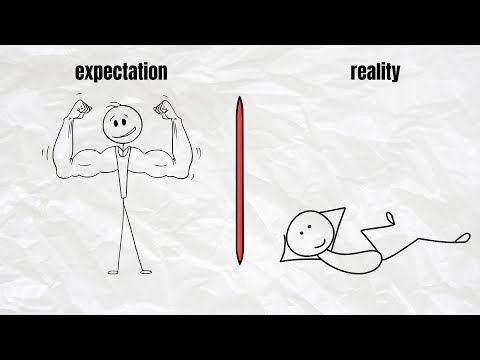
Kent posted on 2025/02/15Ever wonder why you put things off? This video dives into the brain science behind procrastination and shares super practical hacks like the 5-minute rule and Pomodoro Technique to help you get things done! You'll pick up useful phrases for managing your emotions and boosting productivity in everyday situations.
Learn this video on the APP!
The VoiceTube App has more in-depth practice for videos!