
also known as
US
UK
- Phrase
- Also called; alternatively named.
- Identified by another term; synonymous with.
A1Moreanalysis
US /əˈnælɪsɪs/
UK /əˈnæləsɪs/
- Uncountable Noun
- Careful study to better understand something
B1TOEICMoreasset
US /ˈæsˌɛt/
UK /'æset/
- Noun (Countable/Uncountable)
- Thing that has value to you
A2TOEICMoreassume
US /əˈsum/
UK /ə'sju:m/
- Transitive Verb
- To act in a false manner to mislead others
- To believe, based on the evidence; suppose
A2TOEICMorebasically
US /ˈbesɪkəli,-kli/
UK /ˈbeɪsɪkli/
- Adverb
- Used before you explain something simply, clearly
- In essence; when you consider the most important aspects of something.
A2Morebiological
US /ˌbaɪəˈlɑdʒɪkəl/
UK /ˌbaɪəˈlɒdʒɪkl/
- Adjective
- Being related to life and living things
- A substance, such as a detergent, that contains enzymes.
B1Morebreed
US /brid/
UK /bri:d/
- Noun
- Kind of / sort of
- Particular kind of animal, e.g. a Labrador dog
- Verb (Transitive/Intransitive)
- To create situations for a (bad) thing to happen
- To produce baby animals of specific kinds
A2Morebuildup
US /'bɪldˌʌp/
UK /'bɪldˌʌp/
- Noun
- Making people feel excited about some new event
C2Morecalcium
US /ˈkælsiəm/
UK /'kælsɪəm/
- Uncountable Noun
- A substance important for making bones and teeth
- A substance containing calcium, taken to improve health.
C2Morecanine
US /ˈkenaɪn/
UK /ˈkeɪnaɪn/
- Countable Noun
- Long, pointed tooth
- a dog
- Adjective
- of or relating to dogs
- Relating to or resembling a dog or dogs.
C1Morecap on
US /kæp ɑn/
UK /kæp ɒn/
- other
- An upper limit or restriction on something, such as spending or quantity.
C1Morecare of
US /kɛr ʌv/
UK /kɛə ɔv/
- Preposition
- Used in an address to indicate the person who will receive the mail for someone else.
A2Morecause
US /kɔz/
UK /kɔ:z/
- Noun
- Belief, goal or organization that people support
- Reason for
- Transitive Verb
- To make something happen; create effect or result
A2Morechannel
US /ˈtʃænəl/
UK /'tʃænl/
- Noun (Countable/Uncountable)
- Long hole dug in the ground, e.g. to move water
- TV or radio station or its programs
- Transitive Verb
- To dig a long hole for carrying water
- To send (e.g. money) to a certain place or person
B1Morechip
US /tʃɪp/
UK /tʃɪp/
- Transitive Verb
- To break a small piece off something such as a cup
- To break into small pieces, often with a tool
- Noun (Countable/Uncountable)
- Small piece that has broken off (e.g. from cup)
- Piece of computer hardware that does calculations
B1Moreclip
US /klɪp/
UK /klɪp/
- Countable Noun
- A metal holder used for keeping things together
- Brief part of a television show or movie
- Transitive Verb
- To attach things together using a metal pin
- To cut a small section or piece out from something
B1Morecrack
US /kræk/
UK /kræk/
- Noun (Countable/Uncountable)
- Attempt to achieve a goal or objective
- Unexpected and hard hit to the body
- Verb (Transitive/Intransitive)
- To attempt to achieve a goal or objective
- To hit someone or something hard and unexpectedly
B1Morecringe
US /krɪndʒ/
UK /krɪndʒ/
- Intransitive Verb
- To crouch or move back suddenly, as in fear
- To behave in a servile or submissive way.
- Transitive Verb
- To cause someone to feel embarrassed or uncomfortable.
C1Morecut off
US /kʌt ɔf/
UK /kʌt ɔf/
- Phrasal Verb
- To end a process, e.g. a phone call
- To cut the end of something
- Transitive Verb
- To isolate or prevent access to a place or person.
- To interrupt someone while they are speaking.
A1Morecute
US /kjut/
UK /kju:t/
- Adjective
- Attractive in a pretty or endearing way
B2Moredecade
US /ˈdɛkˌed, dɛˈked/
UK /ˈdekeɪd/
- Countable Noun
- Period of 10 years
B1TOEICMoredetermine
US /dɪˈtɚmɪn/
UK /dɪ'tɜ:mɪn/
- Transitive Verb
- To control exactly how something will be or act
- To establish the facts about; discover
A2TOEICMoreenormous
US /ɪˈnɔrməs/
UK /iˈnɔ:məs/
- Adjective
- Huge; very big; very important
- Very great in size, amount, or degree.
A2Morefeel around
US
UK
- Phrasal Verb
- To try to find something by touching things with your hands, especially when you cannot see.
- To try to discover people's opinions or intentions without asking them directly.
flat
US /flæt/
UK /flæt/
- Noun (Countable/Uncountable)
- Apartment; set of rooms for living in
- The smooth or level part of something
- Verb (Transitive/Intransitive)
- To share an apartment with someone
- To fail to produce the intended effect; to be unsuccessful or uninteresting.
A2Morefor now
US /fɔr naʊ/
UK /fɔ: nau/
- Phrase
- Temporarily; for the present time.
- In the short term; for the immediate future.
A1Morefunction
US /ˈfʌŋkʃən/
UK /'fʌŋkʃn/
- Noun
- Social event, or party such as a wedding
- Mathematical operation used in calculations
- Intransitive Verb
- To serve a certain purpose or role
- To be operating, working or achieving its purpose
A2TOEICMorego on
US /ɡo ɑn/
UK /ɡəu ɔn/
- Phrasal Verb
- To continue doing something
- To happen (usually negative)
- Interjection
- Used to encourage someone
A1Morehelix
US /ˈhilɪks/
UK /'hi:lɪks/
- Noun
- Three-dimensional shape of a cone-like object
C1Moreimpressive
US /ɪmˈprɛsɪv/
UK /ɪmˈpresɪv/
- Adjective
- Causing admiration or respect; grand or expensive
- Having a strong effect, commanding attention.
B1TOEICMorein length
US /ɪn lɛŋkθ/
UK /in leŋθ/
- Phrase
- Relating to the measurement of something from end to end.
- Relating to the duration or extent of something.
A1Morein the first place
US
UK
- Phrase
- To begin with; as the first point or consideration.
- From the beginning; initially.
A1Morein the world
US /ɪn ði wɜrld/
UK /in ðə wɜː(r)ld/
- Phrase
- Used to emphasize a question expressing surprise, confusion, disbelief
- Used to indicate the extent or degree of something, often in a superlative sense
A1Moreinfection
US /ɪnˈfɛkʃən/
UK /ɪnˈfekʃn/
- Noun
- (Computers) Having a computer virus
- Making or becoming sick with a bacteria/virus
A2Moreinstead of
US /ɪnˈstɛd ʌv/
UK /inˈsted ɔv/
- Preposition
- When one thing is replaced by another
- Adverb
- As a substitute or alternative.
A1Moreknow about
US /noʊ əˈbaʊt/
UK /nəʊ əˈbaut/
- Phrasal Verb
- To have information or understanding of a subject or situation.
marine
US /məˈrin/
UK /mə'ri:n/
- Countable Noun
- Soldier trained to serve on land and sea
- Adjective
- Of the ocean or ocean plants and animals
- Concerning sailing or doing business by sea
B1Moremate
US /met/
UK /meɪt/
- Noun (Countable/Uncountable)
- A friend who you work, live, or go to school with
- Partner in a (sexual) relationship
- Verb (Transitive/Intransitive)
- To pair a male and female so they have children
- To join or fit two things together
B1Moremention
US /ˈmɛnʃən/
UK /'menʃn/
- Transitive Verb
- To refer to or talk or write about something
- Uncountable Noun
- Act of referring to or talking about something
- A formal acknowledgement of something
A2TOEICMorenerve
US /nɚv/
UK /nə:v/
- Noun (Countable/Uncountable)
- Fibers in the body that enable feeling, movement
- Courage to do something that is difficult or risky
- Verb (Transitive/Intransitive)
- To summon one's courage; brace oneself.
A2Moreniche
US /ni:ʃ/
UK /nɪtʃ/
- Noun
- Small part of a market representing an opportunity
- Area with all specific plant/animal needs to live
- Intransitive Verb
- To specialize in a particular market segment or area.
B2Moreof all time
US /ʌv ɔl taɪm/
UK /ɔv ɔ:l taim/
- Adjective
- The best or most significant in history.
- Phrase
- Ever; in all of history.
A1Moreof course
US /ʌv kɔː(r)s/
UK /ɔv kɔː(r)s/
- Adverb
- Sure ; Certainly
- Phrase
- For sure; certainly
A2Moreon a daily basis
US
UK
- Phrase
- Happening every day.
A1Moreotter
US /ˈɑtɚ/
UK /'ɒtə(r)/
- Noun (Countable/Uncountable)
- Aquatic, carnivorous mammal of the weasel family
- The fur of an otter, used for clothing.
C1Moreover to
US
UK
- Preposition
- Used to hand over to someone else to speak
- The responsibility is now yours
plaque
US /plæk/
UK /plæk/
- Noun (Countable/Uncountable)
- Sign on building as a reminder of an event/person
- Hard matter that can build up on your teeth
B2TOEICMorepoop
US /pup/
UK /pu:p/
- Uncountable Noun
- Feces
- Intransitive Verb
- To defecate
C2Morepotentially
US /pəˈtɛnʃəlɪ/
UK /pə'tenʃəlɪ/
- Adverb
- That could happen or become reality
B1Moreprey
US /pre/
UK /preɪ/
- Intransitive Verb
- To hunt (other animals) in order to eat them
- Noun (Countable/Uncountable)
- The victim of another person's aggression
- The victim of another person's aggression
B1Moreprey on
US /pre ɑn/
UK /prei ɔn/
- Phrasal Verb
- To victimize or exploit someone, especially someone vulnerable.
A1Moreroot
US /rut, rʊt/
UK /ru:t/
- Noun (Countable/Uncountable)
- Emotional connection with a place, history etc.
- The origin or starting place of something
- Transitive Verb
- To cause a plant to develop or grow roots
- (Animals) to search for e.g. food in earth
A2Moreseal
US /sil/
UK /si:l/
- Transitive Verb
- To close tightly to protect it from leaking
- To close an envelop or package
- Noun
- Large fish-eating animal that lives on sea or land
- Official mark made in hot wax to close a document
B1Moresensory
US /ˈsɛnsəri/
UK /ˈsensəri/
- Adjective
- Referring to the physical senses
B2Moreshrimp
US /ʃrɪmp/
UK /ʃrɪmp/
- Countable Noun
- Small edible salt-water shellfish with many legs
- Someone who is small and weak
B1Moresinus
US /ˈsaɪnəs/
UK /ˈsaɪnəs/
- Noun
- Space in the skull that connects with the nostrils
C1Moretusk
US /tʌsk/
UK /tʌsk/
- Countable Noun
- Long curved pointed tooth, e.g. like an elephant
C1Moretwitch
US /twɪtʃ/
UK /twɪtʃ/
- Verb (Transitive/Intransitive)
- To draw, pull, or move suddenly and sharply; jerk
- Noun (plural)
- A sudden and sharp movement often involuntary
B2Moretypically
US /ˈtɪpɪklɪ/
UK /ˈtɪpɪkli/
- Adverb
- In a normal or usual way
B1Moreunique
US /juˈnik/
UK /jʊ'ni:k/
- Adjective
- Unlike other things; being the only one like it
- Remarkably special or unusual.
A2TOEICMorewalrus
US /ˈwɔlrəs, ˈwɑl-/
UK /ˈwɔ:lrəs/
- Countable Noun
- Arctic sea-animal like seal but with 2 long tusks
C1Morewild
US /waɪld/
UK /waɪld/
- Adverb
- In a manner which lacks control
- Adjective
- Living in nature; not tame
- (Of land) not developed by people
A2More
Vocabulary
- know about: To have information or understanding of a subject or situation.
- prey on: To victimize or exploit someone, especially someone vulnerable.
- instead of: When one thing is replaced by another
- also known as: Also called; alternatively named.
- feel around: To try to find something by touching things with your hands, especially when you cannot see.
- in the world: Used to emphasize a question expressing surprise, confusion, disbelief
- of all time: The best or most significant in history.
- in length: Relating to the measurement of something from end to end.
- care of: Used in an address to indicate the person who will receive the mail for someone else.
- on a daily basis: Happening every day.
- of course: Sure ; Certainly
- cap on: An upper limit or restriction on something, such as spending or quantity.
- in the first place: To begin with; as the first point or consideration.
- go on: To continue doing something
- over to: Used to hand over to someone else to speak
- for now: Temporarily; for the present time.
- cut off: To end a process, e.g. a phone call
- assume: To act in a false manner to mislead others
- present: Being in attendance; being there; having turned up
- enormous: Huge; very big; very important
- basically: Used before you explain something simply, clearly
- determine: To control exactly how something will be or act
- potentially: That could happen or become reality
- typically: In a normal or usual way
- treat: To pay for the food or enjoyment of someone else
- impressive: Causing admiration or respect; grand or expensive
- unique: Unlike other things; being the only one like it
- crack: Attempt to achieve a goal or objective
- decade: Period of 10 years
- function: Social event, or party such as a wedding
- flat: Apartment; set of rooms for living in
- mention: To refer to or talk or write about something
- cause: Belief, goal or organization that people support
- prey: To hunt (other animals) in order to eat them
- asset: Thing that has value to you
- breed: Kind of / sort of
- seal: To close tightly to protect it from leaking
- break: To create a new record e.g. running the 100m dash
- nerve: Fibers in the body that enable feeling, movement
- clip: A metal holder used for keeping things together
- calcium: A substance important for making bones and teeth
- infection: (Computers) Having a computer virus
- sensory: Referring to the physical senses
- leave: To go away from; depart
- suggest: To mention something that could be done; propose
- appear: To be seen, become visible; come into sight
- favorite: A thing that someone likes best or enjoys most
- secret: Kept hidden from others; Known only to a few people
- root: Emotional connection with a place, history etc.
- marine: Soldier trained to serve on land and sea
- biological: Being related to life and living things
- wild: In a manner which lacks control
- niche: Small part of a market representing an opportunity
- analysis: Careful study to better understand something
- channel: Long hole dug in the ground, e.g. to move water
- important: Having power or authority
- cringe: To crouch or move back suddenly, as in fear
- canine: Long, pointed tooth
- mate: A friend who you work, live, or go to school with
- shrimp: Small edible salt-water shellfish with many legs
- chip: To break a small piece off something such as a cup
- head: To hit a ball with your head in a game
- basic: At the most important or easiest (beginner) level
- pull: Act of breathing in smoke, as from a pipe
- poop: Feces
- hard: Difficult to do; difficult to understand
- include: To make someone, something part of a group
- plaque: Sign on building as a reminder of an event/person
- world: All the humans, events, activities on the earth
- twitch: To draw, pull, or move suddenly and sharply; jerk
- buildup: Making people feel excited about some new event
- otter: Aquatic, carnivorous mammal of the weasel family
- walrus: Arctic sea-animal like seal but with 2 long tusks
- cute: Attractive in a pretty or endearing way
- tusk: Long curved pointed tooth, e.g. like an elephant
- sinus: Space in the skull that connects with the nostrils
- helix: Three-dimensional shape of a cone-like object
Get the full experience in the app
Learn anywhere with detailed sentence and usage analysis
01:03
She took a brave step forward, leaving behind her comfort zone to chase her dreams.
Vocabulary
- brave
adj. Having courage
- comfort zone
phr. A familiar situation where one feels safe
Explanation
a brave step is a noun phrase, where brave is an adjective modifying the noun step, meaning "a courageous step".
forward is an adverb modifying step, meaning "ahead".
The whole phrase serves as the object, answering the "what" of took (verb) — she took a brave step forward.
Get the full experience in the app
Look up words anytime with pronunciation, part of speech, and usage
brave
US/brev/
UK/breɪv/
adj.Brave
v.t.To bravely face
A2 Elementary
Get the full experience in the app
Practice speaking anytime and get instant pronunciation feedback
Try this speaking exercise.
Try practicing with this sentence.
80
0
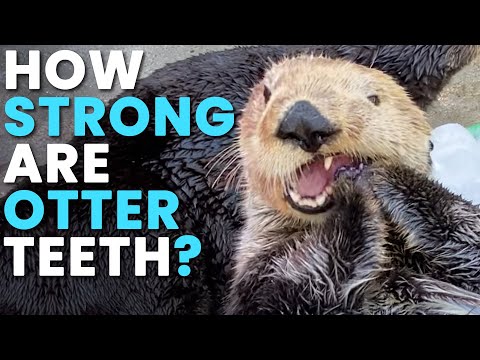
rakko posted on 2025/02/08Ever wondered why sea otters LOVE ice? Dive into this fascinating video where a marine biologist explains their unique feeding adaptations and even touches on tool use! You'll pick up some awesome advanced vocabulary related to marine dentition and animal care that's perfect for B2 learners.
Learn this video on the APP!
The VoiceTube App has more in-depth practice for videos!