
ability
US /əˈbɪlɪti/
UK /ə'bɪlətɪ/
- Noun (Countable/Uncountable)
- The power, resources or skill to do something
- A particular skill or talent.
A2TOEICMoreabsorb
US /əbˈsɔrb, -ˈzɔrb/
UK /əb'sɔ:b/
- Transitive Verb
- To take up all attention / energy of something
- To take in a liquid; soak up
B1TOEICMoreachieve
US /əˈtʃiv/
UK /ə'tʃi:v/
- Transitive Verb
- To succeed in doing good, usually by working hard
- To succeed in reaching a particular goal, status, or standard, often after effort or perseverance.
A2TOEICMorebeneficial
US /ˌbɛnəˈfɪʃəl/
UK /ˌbenɪˈfɪʃl/
- Adjective
- Giving an advantage, having a helpful effect
- Promoting or contributing to physical or mental well-being.
B1TOEICMorebook on
US
UK
- Noun
- A book about a particular subject.
- Verb (Transitive/Intransitive)
- To place a bet on something.
A1Morecognitive
US /ˈkɑɡnɪtɪv/
UK /ˈkɒgnətɪv/
- Adjective
- The process of knowing and remembering
- Relating to the ability to think and reason.
C1Morecome from
US /kʌm frʌm/
UK /kʌm frɔm/
- Phrasal Verb
- To have as your native country or city
A1Morecome up with
US /kʌm ʌp wɪð/
UK /kʌm ʌp wið/
- Phrasal Verb
- To think of an idea or solution; produce
A1Morecomplex
US /kəmˈplɛks, ˈkɑmˌplɛks/
UK /'kɒmpleks/
- Countable Noun
- Group of buildings all used for the same purpose
- Adjective
- Not being simple; having many parts or aspects
A2Morecomprehension
US /ˌkɑmprɪˈhɛnʃən/
UK /ˌkɒmprɪˈhenʃn/
- Uncountable Noun
- Act of understanding, e.g. a reading text
- The scope or range of something.
B1Moreconfine
US /kənˈfaɪn/
UK /kənˈfaɪn/
- Transitive Verb
- To hold or imprison someone in a place
- Limit to your movements or behavior s
B1Morecritical
US /ˈkrɪtɪkəl/
UK /ˈkrɪtɪkl/
- Adjective
- Making a negative judgment of something
- Being important or serious; vital; dangerous
A2Morecuriosity
US /ˌkjʊriˈɑsɪti/
UK /ˌkjʊərɪ'ɒsətɪ/
- Noun (Countable/Uncountable)
- Something unusual and perhaps worthy of collecting
- Eager desire to learn more about something
B1Moredeal with
US /dil wɪð/
UK /di:l wið/
- Verb (Transitive/Intransitive)
- To buy or sell goods or services.
- Phrasal Verb
- To take action to solve a problem or manage a situation.
- To be about; concern.
A1Morediverse
US /dɪˈvɚs, daɪ-, ˈdaɪˌvɚs/
UK /daɪˈvɜ:s/
- Adjective
- Being varied or different from each other
- Very different from each other
B1TOEICMoredue to
US /du tu/
UK /dju: tu:/
- Preposition
- Because of; owing to
- Adjective
- Attributable to; caused by.
A1Moreencourage
US /ɛnˈkɚrɪdʒ, -ˈkʌr-/
UK /ɪn'kʌrɪdʒ/
- Transitive Verb
- To increase the chance of something happening
- To make someone more determined or confident
A2TOEICMoreengage
US /ɪn'gedʒ/
UK /ɪn'ɡeɪdʒ/
- Transitive Verb
- To start to fight with an enemy
- To hire someone for a task or job
A2TOEICMoreenhance
US /ɛnˈhæns/
UK /ɪn'hɑ:ns/
- Transitive Verb
- To improve; make bigger or better
B1TOEICMoreescape
US /ɪˈskep/
UK /ɪ'skeɪp/
- Noun (Countable/Uncountable)
- Act to briefly ignoring boring or bad things
- The 'esc key' on a keyboard
- Verb (Transitive/Intransitive)
- To avoid something undesirable, dangerous or bad
- To get away from a place where you are being kept
A2Moreexperience in
US
UK
- Phrase
- Knowledge or skill gained from doing something for a period of time.
- Exposure to or involvement in a particular activity or situation.
B1Morefiction
US /ˈfɪkʃən/
UK /ˈfɪkʃn/
- Uncountable Noun
- Made-up stories; imagined events
- False statement or account about something
B1Morefor example
US
UK
- Phrase
- As an illustration or instance.
for instance
US /fɔr ˈɪnstəns/
UK /fɔ: ˈinstəns/
- Adverb
- As an example.
- Phrase
- As an example.
- As an illustration or case in point
B1Morefunction
US /ˈfʌŋkʃən/
UK /'fʌŋkʃn/
- Noun
- Social event, or party such as a wedding
- Mathematical operation used in calculations
- Intransitive Verb
- To serve a certain purpose or role
- To be operating, working or achieving its purpose
A2TOEICMorehave on
US /hæv ɑn/
UK /hæv ɔn/
- Phrasal Verb
- To be wearing something.
- To deceive or trick someone, often in a playful way.
A1Morehave to
US /hæv tu/
UK /ˈhæv tə/
- Auxiliary Verb
- Must do
A1Morein real life
US /ɪn ˈriəl laɪf/
UK /in riəl laif/
- Phrase
- In the physical world; not online or in a fictional setting.
- Actually; genuinely; not made up or fictional.
A2Morein use
US /ɪn juz/
UK /in ju:z/
- Adjective
- Being used at the present time.
A2Moreinnovative
US /ˈɪnəˌvetɪv/
UK /'ɪnəveɪtɪv/
- Adjective
- Having or using new methods or ideas
B1Moreinstance
US /ˈɪnstəns/
UK /'ɪnstəns/
- Noun (Countable/Uncountable)
- An example of something; case
- An occurrence of something.
- Transitive Verb
- To give as an example of something else
A2TOEICMoreintellectual
US /ˌɪntlˈɛktʃuəl/
UK /ˌɪntəˈlektʃuəl/
- Noun (Countable/Uncountable)
- connected with or using a person’s ability to think in a logical way and understand things
- a person who is well educated and enjoys activities in which they have to think seriously about things
- Adjective
- Relating to the intellect or mental understanding.
- Appealing to or requiring the use of the intellect.
B1Moreinteraction
US /ˌɪntɚˈækʃən/
UK /ˌɪntər'ækʃn/
- Noun (Countable/Uncountable)
- Process of people or things affecting each other
- The activity of talking to other people, working together etc
A2Morelead to
US /lid tu/
UK /li:d tu:/
- Phrasal Verb
- To result in some action
- Verb (Transitive/Intransitive)
- To have something as a consequence or result.
A1Morelifelong
US /ˈlaɪflɔ:ŋ/
UK /ˈlaɪflɒŋ/
- Adjective
- Continuing through life; lasting a long time
- Uncountable Noun
- The process of continuing to learn throughout one's life.
B2Moremental
US /ˈmɛntl/
UK /ˈmentl/
- Adjective
- Concerning the mind
A2TOEICMoreno matter
US
UK
- Conjunction
- Regardless of; it does not matter.
- Adverb
- Regardless of; it is not important
A1Moreon the other hand
US
UK
- Phrase
- Considering a different aspect of the matter; alternatively.
A1Moreoutside the box
US
UK
- Phrase
- Thinking in a new and creative way.
- Adjective
- Innovative or unconventional.
A1Moreover time
US /ˈovɚ taɪm/
UK /ˈəuvə taim/
- Phrase
- Gradually; as time passes.
- During a long period.
- Adverb
- Gradually; as time passes.
B1Moreparticipate
US /pɑ:rˈtɪsɪpeɪt/
UK /pɑ:ˈtɪsɪpeɪt/
- Intransitive Verb
- To take part with others in doing something
- To be involved in a discussion or conversation.
B1TOEICMorephilosopher
US /fɪˈlɑsəfɚ/
UK /fəˈlɒsəfə(r)/
- Noun (Countable/Uncountable)
- Person studying the meaning of truth and life
- A person who is calm and wise; someone who lives by philosophical principles.
C1Morephysical
US /ˈfɪzɪkəl/
UK /ˈfɪzɪkl/
- Countable Noun
- Health check at the doctors' or hospital
- Adjective
- Concerning the body of a person
- Concerning things that can be seen or touched
A2Morepiece together
US /pis təˈɡɛðɚ/
UK /pi:s təˈɡeðə/
- Transitive Verb
- To assemble or put together from fragments or parts.
- Phrasal Verb
- To assemble or construct something from individual parts or pieces.
- To try to understand something by considering all the separate facts or pieces of information that you have.
A1Moreprocess
US /ˈprɑsˌɛs, ˈproˌsɛs/
UK /prə'ses/
- Transitive Verb
- To organize and use data in a computer
- To deal with official forms in the way required
- Noun (Countable/Uncountable)
- Dealing with official forms in the way required
- Set of changes that occur slowly and naturally
A2TOEICMoreregularly
US /ˈregjələrli/
UK /ˈregjələli/
- Adverb
- At the usual time each day, week, or month
- In a normal or customary way.
B1TOEICMoreresearch
US /rɪˈsɚtʃ, ˈriˌsɚtʃ/
UK /rɪ'sɜ:tʃ/
- Verb (Transitive/Intransitive)
- To study in order to discover new ideas and facts
- To study the market relating to marketing products and services.
- Noun (Countable/Uncountable)
- Study done to discover new ideas and facts
- A particular area or topic of study.
A2TOEICMoresocietal
US /səˈsaɪɪtl/
UK /səˈsaɪətl/
- Adjective
- Concerning society or a society
B1Morestimulate
US /ˈstɪmjəˌlet/
UK /'stɪmjʊleɪt/
- Transitive Verb
- To arouse or excite emotionally
B1Morestress
US / strɛs/
UK /stres/
- Transitive Verb
- To emphasize one or more parts of a word, sentence
- To put pressure on something or someone
- Noun (Countable/Uncountable)
- Emphasis on part of a word or sentence
- Pressure on something or someone
A2TOEICMoretangle
US /ˈtæŋɡəl/
UK /ˈtæŋgl/
- Transitive Verb
- To involve in troubles that are hard to escape
- Intransitive Verb
- (Of string, etc.) to be knotted up and hard to undo
B2Morethink outside the box
US /θɪŋk aʊtˈsaɪd ðə bɑks/
UK /θɪŋk aʊtˈsaɪd ðə bɒks/
- other
- To think creatively and differently from usual ideas.
B2Morevocabulary
US /voˈkæbjəˌlɛri/
UK /və'kæbjələrɪ/
- Uncountable Noun
- Words that have to do with a particular subject
- The words that a person knows
B1TOEICMore
Vocabulary
- for example: As an illustration or instance.
- for instance: As an example.
- experience in: Knowledge or skill gained from doing something for a period of time.
- on the other hand : Considering a different aspect of the matter; alternatively.
- due to: Because of; owing to
- in use: Being used at the present time.
- come from: To have as your native country or city
- have to: Must do
- think outside the box: To think creatively and differently from usual ideas.
- outside the box: Thinking in a new and creative way.
- come up with: To think of an idea or solution; produce
- no matter: Regardless of; it does not matter.
- over time: Gradually; as time passes.
- lead to: To result in some action
- have on: To be wearing something.
- in real life: In the physical world; not online or in a fictional setting.
- deal with
- piece together: To assemble or put together from fragments or parts.
- book on: A book about a particular subject.
- cognitive: The process of knowing and remembering
- process: To organize and use data in a computer
- mental: Concerning the mind
- engage: To start to fight with an enemy
- critical: Making a negative judgment of something
- physical: Health check at the doctors' or hospital
- improve: To make, or become, something better
- vocabulary: Words that have to do with a particular subject
- experience: Thing a person has done or that happened to them
- instance: An example of something; case
- effective: Working efficiently to produce a desired result
- comprehension: Act of understanding, e.g. a reading text
- achieve: To succeed in doing good, usually by working hard
- intellectual: connected with or using a person’s ability to think in a logical way and understand things
- complex: Group of buildings all used for the same purpose
- stress: To emphasize one or more parts of a word, sentence
- research: To study in order to discover new ideas and facts
- diverse: Being varied or different from each other
- ability: The power, resources or skill to do something
- encourage: To increase the chance of something happening
- stimulate: To arouse or excite emotionally
- absorb: To take up all attention / energy of something
- function: Social event, or party such as a wedding
- interaction: Process of people or things affecting each other
- escape: Act to briefly ignoring boring or bad things
- brain: To strike someone forcefully on the head
- decision: Choice made after thinking; final judgment
- curiosity: Something unusual and perhaps worthy of collecting
- effect: An advantage, benefit
- apply: To spread a substance or liquid over a surface
- innovative: Having or using new methods or ideas
- fiction: Made-up stories; imagined events
- mood: Emotion or a state of mind; how you feel
- enhance: To improve; make bigger or better
- mind: To be bothered or upset by something
- participate: To take part with others in doing something
- regularly: At the usual time each day, week, or month
- philosopher: Person studying the meaning of truth and life
- beneficial: Giving an advantage, having a helpful effect
- learn: To get knowledge or skills by study or experience
- simple: Not hard to understand or do; not complex
- information: Collection of facts and details about something
- modern: Of the present time; up to date; contemporary
- active: Moving around a lot or doing many things
- great: Very good; better than before
- societal: Concerning society or a society
- confine: To hold or imprison someone in a place
- lifelong: Continuing through life; lasting a long time
- tangle: To involve in troubles that are hard to escape
Get the full experience in the app
Learn anywhere with detailed sentence and usage analysis
01:03
She took a brave step forward, leaving behind her comfort zone to chase her dreams.
Vocabulary
- brave
adj. Having courage
- comfort zone
phr. A familiar situation where one feels safe
Explanation
a brave step is a noun phrase, where brave is an adjective modifying the noun step, meaning "a courageous step".
forward is an adverb modifying step, meaning "ahead".
The whole phrase serves as the object, answering the "what" of took (verb) — she took a brave step forward.
Get the full experience in the app
Look up words anytime with pronunciation, part of speech, and usage
brave
US/brev/
UK/breɪv/
adj.Brave
v.t.To bravely face
A2 Elementary
Get the full experience in the app
Practice speaking anytime and get instant pronunciation feedback
Try this speaking exercise.
Try practicing with this sentence.
80
Let me explain how reading changes your brain.
0
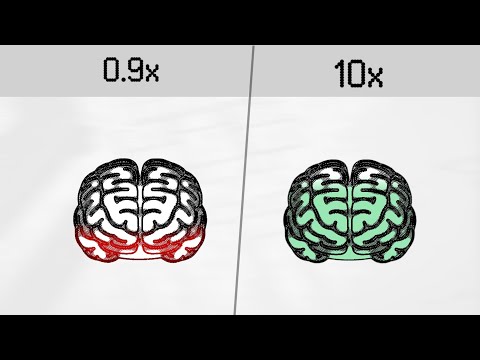
Zephaniah Kevin posted on 2025/01/11Ever wondered how diving into a good book actually rewires your brain? This video breaks down the amazing science behind neuroplasticity and how reading can boost your empathy and lifelong learning skills! You'll pick up some advanced vocabulary and see how simple sentence structures can explain complex ideas.
Learn this video on the APP!
The VoiceTube App has more in-depth practice for videos!