
annex
US /əˈnɛks, ˈænˌɛks/
UK /əˈneks/
- Countable Noun
- An extension to a main building
- Transitive Verb
- To take land from others to own or control it
B2Moreas time goes by
US /əz taɪm ɡoʊz baɪ/
UK /əz taɪm gəuz baɪ/
- other
- Over the course of time; as time passes.
B2Morebeing blamed
US
UK
- Verb (Transitive/Intransitive)
- To be in the process of receiving responsibility or fault for something negative.
B1Moreblame
US /blem/
UK /bleɪm/
- Transitive Verb
- To say someone is responsible for something bad
- Noun (Countable/Uncountable)
- Act of saying someone did something bad
A2TOEICMorebudget
US /ˈbʌdʒɪt/
UK /'bʌdʒɪt/
- Noun (Countable/Uncountable)
- Amount of money planned to be spent
- Verb (Transitive/Intransitive)
- To make a plan for how to spend your money
A2TOEICMorecharge
US /tʃɑrdʒ/
UK /tʃɑ:dʒ/
- Verb (Transitive/Intransitive)
- To run quickly toward someone to attack them
- To ask for money as a price for a service or goods
- Noun (Countable/Uncountable)
- An attack by running quickly toward someone
- A price for a service or goods
A2Moreclimate
US /ˈklaɪmɪt/
UK /ˈklaɪmət/
- Noun (Countable/Uncountable)
- Typical weather conditions in a particular place
- The general attitudes, feelings, or opinions that people have at a particular time.
A2Morecrisis
US /ˈkraɪsɪs/
UK /'kraɪsɪs/
- Noun (Countable/Uncountable)
- Unstable situation of extreme danger or difficulty
- A turning point in a disease.
B1Morecurrent
US /ˈkɚrənt, ˈkʌr-/
UK /'kʌrənt/
- Uncountable Noun
- Electricity flowing through wires
- Movement of water in a river, or air in the sky
- Adjective
- Happening or being in the present time
- In general use or accepted by most people.
A2Moredebt
US /dɛt/
UK /det/
- Noun (Countable/Uncountable)
- Sum of money owed to someone that is not yet paid
- A moral or social obligation.
A2TOEICMoredefence
US /dɪˈfɛns/
UK /dɪˈfens/
- Uncountable Noun
- The process of protecting something from attack
B1Moredependence
US /dɪˈpɛndəns/
UK /dɪˈpendəns/
- Uncountable Noun
- Relying on someone for (e.g. financial) support
- The state of being addicted to a substance or activity.
B1Moreenforcement
US /ɪn'fɔ:smənt/
UK /ɪn'fɔ:smənt/
- Uncountable Noun
- Process of making sure that rules are followed
- The act of compelling observance of or compliance with a law, rule, or obligation.
B1Moreera
US /'ɪrə/
UK /'ɪərə/
- Noun
- Period characterized by particular events, people
- A major division of geological time, usually divided into periods.
B1Moreexpand
US /ɪkˈspænd/
UK /ɪk'spænd/
- Verb (Transitive/Intransitive)
- To make something larger in size, number, amount
A2TOEICMoreflee
US /fli/
UK /fli:/
- Intransitive Verb
- To leave somewhere urgently, to avoid danger
B1Moregiant
US /ˈdʒaɪənt/
UK /'dʒaɪənt/
- Countable Noun
- Tall, large, and powerful human-like creatures
- Very successful, powerful person or organization
- Adjective
- Very large, or much bigger than other things
A2Morego back to
US /ɡo bæk tu/
UK /ɡəu bæk tu:/
- Phrasal Verb
- To return to a starting point
A1Morehave to
US /hæv tu/
UK /ˈhæv tə/
- Auxiliary Verb
- Must do
A1Moreimmigrant
US /ˈɪmɪɡrənt/
UK /ˈɪmɪgrənt/
- Countable Noun
- Person moving to another country to live there
B1Moreimpact
US /ˈɪmˌpækt/
UK /'ɪmpækt/
- Noun
- A striking effect or result to hit with force
- Act or force of one thing hitting something else
- Verb (Transitive/Intransitive)
- To hit or strike someone or something with force
- To have a strong effect on someone or something.
A2TOEICMorein areas
US
UK
- Phrase
- Located or occurring within specific regions or locations.
- Relating to specific fields, subjects, or disciplines.
A1Morein charge
US /ɪn tʃɑrdʒ/
UK /in tʃɑ:dʒ/
- Adverb
- To be responsible for
A1Morein fact
US /ɪn fækt/
UK /in fækt/
- Adverb
- Used to emphasize the truth of a statement, especially one that contrasts with or contradicts something else.
- Used to introduce a more detailed or surprising piece of information.
- Phrase
- Used to emphasize the truth of a statement, especially one that is surprising or contrary to what might be expected.
C1Morein terms of
US
UK
- Phrase
- With regard to; concerning a particular aspect.
A1Morein turn
US
UK
- Adverb
- One after the other in a sequence or rotation.
A1Moreinfrastructure
US /ˈɪnfrəˌstrʌktʃɚ/
UK /'ɪnfrəstrʌktʃə(r)/
- Uncountable Noun
- Basic necessary equipment for a country or region
- The underlying framework or system of an organization.
B1Moreinstead of
US /ɪnˈstɛd ʌv/
UK /inˈsted ɔv/
- Preposition
- When one thing is replaced by another
- Adverb
- As a substitute or alternative.
A1Morelegacy
US /ˈlɛɡəsi/
UK /'leɡəsɪ/
- Noun (Countable/Uncountable)
- Literature, arts etc. from previous generations
- Something left or given by a person who has died
- Adjective
- Relating to old or outdated computer systems or software.
B2TOEICMorelook back
US /lʊk bæk/
UK /luk bæk/
- Phrasal Verb
- To think about past events
A1Moremake ends meet
US
UK
- Verb (Transitive/Intransitive)
- To manage to live on the money you have.
- Phrase
- To earn just enough money to be able to pay for the things you need
A1Morememoir
US /ˈmɛmˌwɑr, -ˌwɔr/
UK /ˈmemwɑ:(r)/
- Noun
- Written collection of memories someone has
B2Moremigration
US /maɪˈɡreʃən/
UK /maɪˈgreɪʃn/
- Noun (Countable/Uncountable)
- Process of moving to live in another place
- Movement from one part of something to another.
B1Moreon the table
US /ɑn ði ˈtebəl/
UK /ɔn ðə ˈteibl/
- Phrase
- Located on the surface of a table.
- Available for consideration or discussion.
A1Moreon time
US /ɑn taɪm/
UK /ɔn taim/
- Phrase
- Adjective
- Arriving at or done by the required time
- Meeting a deadline; punctual in fulfilling obligations.
A1Moreon to
US /ɑn tu/
UK /ɔn tu:/
- Preposition
- Toward something; forward
- Aware of someone's activities.
- Adjective
- Aware of someone's deception or illegal activities.
A1Moreout of control
US /aʊt ʌv kənˈtrol/
UK /aut ɔv kənˈtrəul/
- Adjective
- Impossible to manage or control.
- Not able to be directed or steered.
A1Moreover time
US /ˈovɚ taɪm/
UK /ˈəuvə taim/
- Phrase
- Gradually; as time passes.
- During a long period.
- Adverb
- Gradually; as time passes.
B1Morepandemic
US /pænˈdɛmɪk/
UK /pæn'demɪk/
- Adjective
- (of a disease) existing in almost all of an area or in almost all of a group of people, animals, or plants
- Noun
- a pandemic disease
C2Morephase out
US /fez aʊt/
UK /feiz aut/
- Phrasal Verb
- To gradually end a task, or sell a product
- Phrase
A2Morepipeline
US /ˈpaɪpˌlaɪn/
UK /ˈpaɪplaɪn/
- Noun
- Line of pipes used for carrying gases or liquids
- Transitive Verb
- To send through a series of pipes
B2Moreprior to
US /ˈpraɪɚ tu/
UK /ˈpraiə tu:/
- Preposition
- Before a particular time or event.
C1Moreradical
US /ˈrædɪkəl,'rædɪkḷ/
UK /ˈrædɪkl/
- Noun (Countable/Uncountable)
- Person who believes in extreme political change
- A group of atoms behaving as a unit in a chemical compound.
- Adjective
- Very new and different from what is traditional
- Concerning something's most basic part or form
B1Morerage
US /reɪdʒ/
UK /reɪdʒ/
- Uncountable Noun
- Strong or violent anger
- Intransitive Verb
- To act or speak with strong or violent anger
- To move violently, like a storm
B1Morerail
US /rel/
UK /reɪl/
- Intransitive Verb
- To complain or object forcefully
- Noun (Countable/Uncountable)
- Long thin piece of metal, wood as part of a fence
- One of two metal tracks along which a train runs
B1TOEICMorerather than
US
UK
- Adverb
- More exactly; more correctly
- Preferably; instead
- Preposition
- Instead of
A1Morerelationship
US /rɪˈleʃənˌʃɪp/
UK /rɪˈleɪʃnʃɪp/
- Noun (Countable/Uncountable)
- Connection between two or more people or things
- Way people interact or live with each other
A2TOEICMoreresponse
US /rɪˈspɑns/
UK /riˈspɔns/
- Noun
- Something said/written as an answer to something
- Reaction to something that has occurred
A2TOEICMoresabotage
US /ˈsæbəˌtɑʒ/
UK /'sæbətɑ:ʒ/
- Transitive Verb
- To destroy or damage, often secretly, to weaken
- Noun (Countable/Uncountable)
- Destroying or damaging so as to weaken enemy, etc.
B2Moresecurity
US /sɪˈkjʊrɪti/sə'kjurətɪ/
UK /sɪ'kjʊərətɪ/
- Noun
- Department in a company in charge of protection
- Financial document, like stocks, bonds and notes
A2TOEICMoreseemingly
US /ˈsiːmɪŋli/
UK /ˈsi:mɪŋli/
- Adverb
- Appearing to be but may not actually be; probably
B1Moreshut down
US /ʃʌt daʊn/
UK /ʃʌt daun/
- Phrasal Verb
- To close an operating system, e.g. on a computer
- To stop a factory/machine from operating
- Transitive Verb
- To deactivate a nuclear reactor.
- To turn off a computer or other electronic device.
A2Morestrict
US /strɪkt/
UK /strɪkt/
- Adjective
- Tending to enforce rules; severe
- (Of orders) that must be obeyed
A2Morestruggle
US /ˈstrʌɡəl/
UK /'strʌɡl/
- Verb (Transitive/Intransitive)
- To try very hard to do something difficult
- To fight or struggle violently
- Noun (Countable/Uncountable)
- Strong efforts made to do something difficult
- A difficult or challenging situation or task
A2Moresurvey
US /ˈsɜː(r)veɪ/
UK /'sɜ:veɪ/
- Noun (Countable/Uncountable)
- Broad view or general description of something
- Act of measuring land or property to make a map
- Transitive Verb
- To offer a broad view or general description
- To measure an area of land to make a map of it
A2TOEICMoretalking about
US
UK
- Phrasal Verb
- To discuss a particular topic.
- To be constantly mentioning or bringing up a subject.
A1Morethanks to
US /θæŋks tu/
UK /θæŋks tu:/
- Preposition
- Because of; as a result of.
A1Moreturned out
US
UK
- Phrasal Verb
- To arrive for a public event or entertainment
- To happen to be in the end
- Transitive Verb
- To extinguish or switch off lights.
A1Moreunemployment
US /ˌʌnɛmˈplɔɪmənt,-ɪm-/
UK /ˌʌnɪmˈplɔɪmənt/
- Uncountable Noun
- Number of people without jobs in a country
- State of not having a job
B1More
Vocabulary
- in charge: To be responsible for
- go back to: To return to a starting point
- being blamed: To be in the process of receiving responsibility or fault for something negative.
- turned out: To arrive for a public event or entertainment
- over time: Gradually; as time passes.
- on to: Toward something; forward
- in turn: One after the other in a sequence or rotation.
- make ends meet: To manage to live on the money you have.
- have to: Must do
- prior to: Before a particular time or event.
- in fact: Used to emphasize the truth of a statement, especially one that contrasts with or contradicts something else.
- phase out: To gradually end a task, or sell a product
- in terms of
- on the table: Located on the surface of a table.
- talking about: To discuss a particular topic.
- out of control: Impossible to manage or control.
- thanks to: Because of; as a result of.
- as time goes by: Over the course of time; as time passes.
- instead of: When one thing is replaced by another
- shut down: To close an operating system, e.g. on a computer
- in areas: Located or occurring within specific regions or locations.
- on time
- look back: To think about past events
- rather than: More exactly; more correctly
- struggle: To try very hard to do something difficult
- pandemic: (of a disease) existing in almost all of an area or in almost all of a group of people, animals, or plants
- term: Conditions applying to an agreement, contract
- crisis: Unstable situation of extreme danger or difficulty
- infrastructure: Basic necessary equipment for a country or region
- impact: A striking effect or result to hit with force
- current: Electricity flowing through wires
- legacy: Literature, arts etc. from previous generations
- climate: Typical weather conditions in a particular place
- relationship: Connection between two or more people or things
- blame: To say someone is responsible for something bad
- industry: Hard work; being busy working
- strict: Tending to enforce rules; severe
- debt: Sum of money owed to someone that is not yet paid
- rage: Strong or violent anger
- sabotage: To destroy or damage, often secretly, to weaken
- response: Something said/written as an answer to something
- radical: Person who believes in extreme political change
- seemingly: Appearing to be but may not actually be; probably
- charge: To run quickly toward someone to attack them
- decision: Choice made after thinking; final judgment
- security: Department in a company in charge of protection
- expand: To make something larger in size, number, amount
- giant: Tall, large, and powerful human-like creatures
- budget: Amount of money planned to be spent
- survey: Broad view or general description of something
- reason: To think and make conclusions in a logical manner
- rate: To assess something or consider its qualities
- lead: Wire for electricity, computer, etc.; cable
- break: To create a new record e.g. running the 100m dash
- ground: To break (coffee, etc.) into tiny bits with machine
- economy: Using money, resources in a careful, effective way
- flee: To leave somewhere urgently, to avoid danger
- project: To predict what will happen in the future
- era: Period characterized by particular events, people
- haven: Place where people can feel safe and happy
- offer: Price you say you are willing to pay for something
- immigrant: Person moving to another country to live there
- enforcement: Process of making sure that rules are followed
- support: To give assistance or advice to someone
- public: Owned by the government
- government: Group of people and system that rule a nation
- migration: Process of moving to live in another place
- unemployment: Number of people without jobs in a country
- rail: To complain or object forcefully
- pipeline: Line of pipes used for carrying gases or liquids
- annex: An extension to a main building
- memoir: Written collection of memories someone has
- dependence: Relying on someone for (e.g. financial) support
- defence: The process of protecting something from attack
Get the full experience in the app
Learn anywhere with detailed sentence and usage analysis
01:03
She took a brave step forward, leaving behind her comfort zone to chase her dreams.
Vocabulary
- brave
adj. Having courage
- comfort zone
phr. A familiar situation where one feels safe
Explanation
a brave step is a noun phrase, where brave is an adjective modifying the noun step, meaning "a courageous step".
forward is an adverb modifying step, meaning "ahead".
The whole phrase serves as the object, answering the "what" of took (verb) — she took a brave step forward.
Get the full experience in the app
Look up words anytime with pronunciation, part of speech, and usage
brave
US/brev/
UK/breɪv/
adj.Brave
v.t.To bravely face
A2 Elementary
Get the full experience in the app
Practice speaking anytime and get instant pronunciation feedback
Try this speaking exercise.
Try practicing with this sentence.
80
0
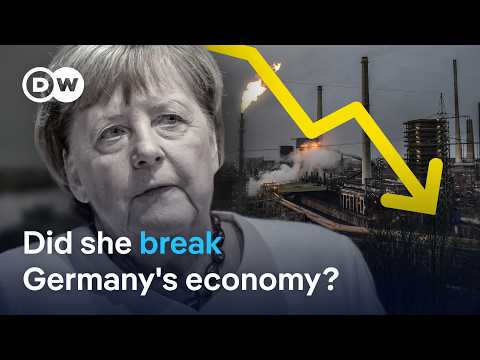
VoiceTube posted on 2024/12/28Ever wondered how Germany's economy went from boom to bust and back again? This video dives deep into the "Merkelnomics" era, exploring how decisions about Russian gas, migration, and the "debt brake" shaped its fortunes. You'll pick up tons of advanced vocabulary related to economics and international relations, perfect for understanding complex global news!
Learn this video on the APP!
The VoiceTube App has more in-depth practice for videos!