
apex
US /ˈepɛks/
UK /'eɪpeks/
- Noun
- Highest point (of something); peak
C1Moreauthor
US /ˈɔθɚ/
UK /'ɔ:θə(r)/
- Noun (Countable/Uncountable)
- Person who writes books, plays, poems etc.
- Transitive Verb
- To write book or articles
B1Morebacteria
US /bækˈtɪriə/
UK /bæk'tɪərɪə/
- Noun (plural)
- The very small creatures that can cause disease
B2Morebeing with
US
UK
- Phrasal Verb
- Accompanying someone; being in someone's presence.
- Supporting someone's opinion or cause.
- Verb (Transitive/Intransitive)
- Accompanying someone; spending time with someone.
- Supporting someone; agreeing with someone.
A1Moreclimate
US /ˈklaɪmɪt/
UK /ˈklaɪmət/
- Noun (Countable/Uncountable)
- Typical weather conditions in a particular place
- The general attitudes, feelings, or opinions that people have at a particular time.
A2Moreconcern
US /kənˈsɚn/
UK /kənˈsɜ:n/
- Verb (Transitive/Intransitive)
- To be about a particular topic
- To have a direct impact on someone
- Noun (Countable/Uncountable)
- Company, firm or business
- Feeling of worry or anxiety
A2TOEICMoreconsistent
US /kənˈsɪstənt/
UK /kənˈsɪstənt/
- Adjective
- Agreeing with or being similar to another part
- In agreement; reliable
A2Moredecline
US /dɪˈklaɪn/
UK /dɪ'klaɪn/
- Intransitive Verb
- To bend towards the ground
- To slope downward.
- Verb (Transitive/Intransitive)
- To lessen in quality or value
A2TOEICMoredisease
US /dɪˈziz/
UK /dɪˈzi:z/
- Noun (Countable/Uncountable)
- Illness that affects a person, animal, or plant
- A disorder of structure or function in a plant, especially one caused by a pathogen.
- Transitive Verb
- To affect with disease; to corrupt or sicken.
A2TOEICMoredistribution
US /ˌdɪstrəˈbjuʃən/
UK /ˌdɪstrɪˈbju:ʃn/
- Noun (Countable/Uncountable)
- Dividing or spreading out to others
- Act of sending products to stores to sell
- Adjective
- Sending products to stores to sell
B1Moreecosystem
US /ˈɛkoˌsɪstəm, ˈiko-/
UK /ˈi:kəʊsɪstəm/
- Noun (Countable/Uncountable)
- Types of plants and animals in an specific area
- A network of interconnected companies, technologies, and services that interact to create value.
B1Moreexperienced in
US
UK
- Phrase
- Having skill or knowledge as a result of experience.
B1Moreexposure
US /ɪkˈspoʒɚ/
UK /ɪk'spəʊʒə(r)/
- Noun
- Allowing light through a cameras lens onto film
- Being talked about in the media
A2TOEICMoreimpact
US /ˈɪmˌpækt/
UK /'ɪmpækt/
- Noun
- A striking effect or result to hit with force
- Act or force of one thing hitting something else
- Verb (Transitive/Intransitive)
- To hit or strike someone or something with force
- To have a strong effect on someone or something.
A2TOEICMorein terms of
US
UK
- Phrase
- With regard to; concerning a particular aspect.
A1Morein the past
US
UK
- Phrase
- During a former period of time; previously.
A1Morenecessarily
US /ˌnɛsɪˈsɛrəli, -ˈsɛr-/
UK /ˌnesəˈserəli/
- Adverb
- In a way that is needed/required/is unavoidable
A2TOEICMoreover time
US /ˈovɚ taɪm/
UK /ˈəuvə taim/
- Phrase
- Gradually; as time passes.
- During a long period.
- Adverb
- Gradually; as time passes.
B1Morepathogen
US /ˈpæθədʒən/
UK /ˈpæθədʒən/
- Noun
- Any disease-producing agent
C1Morepolar
US /ˈpolɚ/
UK /ˈpəʊlə(r)/
- Adjective
- Concerning the areas near the North or South poles
B1Morepotential
US /pəˈtɛnʃəl/
UK /pəˈtenʃl/
- Adjective
- Capable of happening or becoming reality
- Having or showing the capacity to develop into something in the future.
- Uncountable Noun
- someone's or something's ability to develop, achieve, or succeed
A2TOEICMorepredator
US /ˈprɛdətɚ, -ˌtɔr/
UK /'predətə(r)/
- Countable Noun
- An animal that hunts and kills other animals
- Person preying on the weak to gain advantage
B1Moreprevious
US /ˈpriviəs/
UK /ˈpri:viəs/
- Adjective
- Existing or happening before the present time
- Existing or occurring immediately before in time or order.
- Noun
- A button or link that allows navigation to a preceding item or page.
A2TOEICMoreprey
US /pre/
UK /preɪ/
- Intransitive Verb
- To hunt (other animals) in order to eat them
- Noun (Countable/Uncountable)
- The victim of another person's aggression
- The victim of another person's aggression
B1Moreresearch
US /rɪˈsɚtʃ, ˈriˌsɚtʃ/
UK /rɪ'sɜ:tʃ/
- Verb (Transitive/Intransitive)
- To study in order to discover new ideas and facts
- To study the market relating to marketing products and services.
- Noun (Countable/Uncountable)
- Study done to discover new ideas and facts
- A particular area or topic of study.
A2TOEICMoreresponse
US /rɪˈspɑns/
UK /riˈspɔns/
- Noun
- Something said/written as an answer to something
- Reaction to something that has occurred
A2TOEICMoreserum
US /ˈsɪrəm/
UK /ˈsɪərəm/
- Uncountable Noun
- Blood that contains substances that fight diseases
B2Moresignificantly
US /sɪɡˈnɪfəkəntlɪ/
UK /sɪgˈnɪfɪkəntli/
- Adverb
- In a way that is important or noticeable
- In a way that is meaningful
A2Morespecifically
US /spəˈsɪfɪkli/
UK /spəˈsɪfɪkli/
- Adverb
- As regards a particular thing; closely related to
- In a definite and clear manner.
A2Moresuffer
US / ˈsʌfɚ/
UK /'sʌfə(r)/
- Verb (Transitive/Intransitive)
- To experience pain, illness, or injury
- To allow or permit something, especially something unpleasant.
A2Moresurveillance
US /sɚˈveləns/
UK /sɜ:'veɪləns/
- Uncountable Noun
- Careful watching of a person/place, e.g. by police
B2TOEICMoretransmit
US /trænsˈmɪt, trænz-/
UK /trænsˈmɪt/
- Transitive Verb
- To broadcast by using signals to a radio/TV
- To broadcast by using signals to a radio/TV
B1Morewildlife
US /ˈwaɪldˌlaɪf/
UK /ˈwaɪldlaɪf/
- Uncountable Noun
- All wild animals
B1More
Vocabulary
- experienced in: Having skill or knowledge as a result of experience.
- in terms of
- over time: Gradually; as time passes.
- in the past: During a former period of time; previously.
- being with: Accompanying someone; being in someone's presence.
- sort: To organize things by putting them into groups
- potential: Capable of happening or becoming reality
- evidence: Factual proof that helps to establish the truth
- experience: Thing a person has done or that happened to them
- impact: A striking effect or result to hit with force
- consistent: Agreeing with or being similar to another part
- specifically: As regards a particular thing; closely related to
- exposure: Allowing light through a cameras lens onto film
- necessarily: In a way that is needed/required/is unavoidable
- expect: To believe something is probably going to happen
- bacteria: The very small creatures that can cause disease
- disease: Illness that affects a person, animal, or plant
- decline: To bend towards the ground
- previous: Existing or happening before the present time
- climate: Typical weather conditions in a particular place
- environment: Natural world in which plants and animals live
- research: To study in order to discover new ideas and facts
- significantly: In a way that is important or noticeable
- increase: To make or become larger in size or amount
- surveillance: Careful watching of a person/place, e.g. by police
- contract: To become ill as a result of getting a disease
- field: Area of study, such as physics or biology
- predator: An animal that hunts and kills other animals
- concern: To be about a particular topic
- suffer: To experience pain, illness, or injury
- response: Something said/written as an answer to something
- prey: To hunt (other animals) in order to eat them
- compare: To consider how similar and different things are
- risk: To do something potentially dangerous or foolish
- lead: Wire for electricity, computer, etc.; cable
- ecosystem: Types of plants and animals in an specific area
- suggest: To mention something that could be done; propose
- pathogen: Any disease-producing agent
- author: Person who writes books, plays, poems etc.
- appear: To be seen, become visible; come into sight
- distribution: Dividing or spreading out to others
- important: Having power or authority
- continue: To do something without stopping, or after pausing
- transmit: To broadcast by using signals to a radio/TV
- polar: Concerning the areas near the North or South poles
- apex: Highest point (of something); peak
- wildlife: All wild animals
- serum: Blood that contains substances that fight diseases
Get the full experience in the app
Learn anywhere with detailed sentence and usage analysis
01:03
She took a brave step forward, leaving behind her comfort zone to chase her dreams.
Vocabulary
- brave
adj. Having courage
- comfort zone
phr. A familiar situation where one feels safe
Explanation
a brave step is a noun phrase, where brave is an adjective modifying the noun step, meaning "a courageous step".
forward is an adverb modifying step, meaning "ahead".
The whole phrase serves as the object, answering the "what" of took (verb) — she took a brave step forward.
Get the full experience in the app
Look up words anytime with pronunciation, part of speech, and usage
brave
US/brev/
UK/breɪv/
adj.Brave
v.t.To bravely face
A2 Elementary
Get the full experience in the app
Practice speaking anytime and get instant pronunciation feedback
Try this speaking exercise.
Try practicing with this sentence.
80
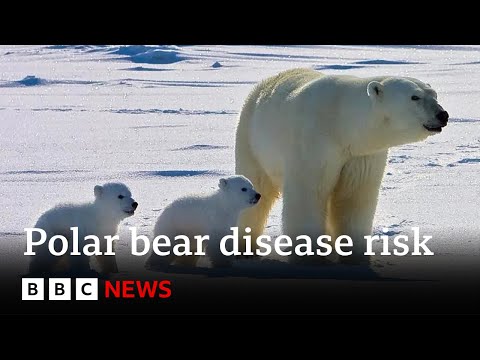
Polar bears face higher risk of disease in a warming Arctic | BBC News
0
VoiceTube posted on 2024/10/31Did you know polar bears are facing new health risks because of climate change? This fascinating BBC News report dives into how Arctic warming is increasing their exposure to pathogens, and you'll pick up some advanced vocabulary related to wildlife and environmental science along the way!
Learn this video on the APP!
The VoiceTube App has more in-depth practice for videos!