
affect
US /əˈfɛkt/
UK /ə'fekt/
- Transitive Verb
- To cause a change in something else
- To pretend to have or feel (something).
- Noun
- (Psychology) Emotion or feeling.
A2TOEICMoreaffective
US /əˈfɛktɪv/
UK /əˈfektɪv/
- Adjective
- Relating to or affecting the emotions
B1Morearticle
US /ˈɑrtɪkəl/
UK /'ɑ:tɪkl/
- Noun (Countable/Uncountable)
- Word such as 'a', 'an', or 'the' used before nouns
- Piece of writing about a particular subject
A2TOEICMoreas such
US /æz sʌtʃ/
UK /æz sʌtʃ/
- Pronoun
- Something previously stated or understood
A1Moreas well as
US /æz wɛl æz/
UK /æz wel æz/
- Adverb
- Also; in addition to
- Preposition
- In addition to; and also.
A1Morebacteria
US /bækˈtɪriə/
UK /bæk'tɪərɪə/
- Noun (plural)
- The very small creatures that can cause disease
B2Morebriefly
US /ˈbriːfli/
UK /ˈbri:fli/
- Adverb
- Using little time or resources
B1Morecause
US /kɔz/
UK /kɔ:z/
- Noun
- Belief, goal or organization that people support
- Reason for
- Transitive Verb
- To make something happen; create effect or result
A2Morecome from
US /kʌm frʌm/
UK /kʌm frɔm/
- Phrasal Verb
- To have as your native country or city
A1Morecontact
US /ˈkɑnˌtækt/
UK /'kɒntækt/
- Adjective
- Touching or feeling something
- Noun (Countable/Uncountable)
- Touching or feeling something
- Object that allows electricity to run through it
A2Morecritical
US /ˈkrɪtɪkəl/
UK /ˈkrɪtɪkl/
- Adjective
- Making a negative judgment of something
- Being important or serious; vital; dangerous
A2Moredeficient
US /dɪˈfɪʃənt/
UK /dɪˈfɪʃnt/
- Adjective
- Lacking something necessary
B2Moredepress
US /dɪˈprɛs/
UK /dɪ'pres/
- Transitive Verb
- To make someone feel sad or miserable
- To push something down
B2Moredepression
US /dɪˈprɛʃən/
UK /dɪ'preʃn/
- Noun (Countable/Uncountable)
- Medical condition of a lack of vitality
- Period of unemployment and low economic activity
B2Moredepressive
US /dɪˈprɛsɪv/
UK /dɪˈpresɪv/
- Adjective
- Suffering a psychological lack of happiness
B2Moredeserve
US /dɪˈzɚv/
UK /dɪ'zɜ:v/
- Transitive Verb
- To be worthy of, e.g. getting praise or attention
A2TOEICMoredirect
US /dɪˈrɛkt, daɪ-/
UK /də'rekt/
- Transitive Verb
- To tell someone in a very clear way to do something
- To show the way by conducting or leading
- Adverb
- Coming straight from something
A2TOEICMoredissatisfaction
US /dɪsˌsætɪsˈfækʃən/
UK /ˌdɪsˌsætɪsˈfækʃn/
- Uncountable Noun
- Feeling of unhappiness or disapproval
B1Moreecho
US /'ekoʊ/
UK /'ekəʊ/
- Intransitive Verb
- (Of a place) to be filled with repeating sounds
- (Of a sound) to be repeated
- Noun (Countable/Uncountable)
- Repetition of sounds after bouncing off something
- A repetition of events or circumstances
B1Moreelevator
US /ˈɛləˌvetɚ/
UK /'elɪveɪtə(r)/
- Noun (Countable/Uncountable)
- Machine that carries people between floors
- A building for storing grain, equipped with machinery for raising and distributing it.
B2TOEICMoreevidence of
US
UK
- Phrase
- Facts, objects, or signs that make you believe that something is true.
- Something that shows that something else exists or is true.
A1Morefor example
US
UK
- Phrase
- As an illustration or instance.
for sure
US /fɔr ʃʊr/
UK /fɔ: ʃuə/
- Adverb
- Definitely; certainly; without a doubt.
- Used to emphasize a statement.
- Interjection
- An expression of strong agreement or affirmation.
A2Morefortune
US /ˈfɔrtʃən/
UK /'fɔ:tʃu:n/
- Noun (Countable/Uncountable)
- What might happen to you in the future
- Chance or luck, particularly good luck
- Transitive Verb
- To bring good fortune to.
B1TOEICMorefunction
US /ˈfʌŋkʃən/
UK /'fʌŋkʃn/
- Noun
- Social event, or party such as a wedding
- Mathematical operation used in calculations
- Intransitive Verb
- To serve a certain purpose or role
- To be operating, working or achieving its purpose
A2TOEICMoregut
US /ɡʌt/
UK /ɡʌt/
- Transitive Verb
- To destroy the inside of a building , e.g. by fire
- To remove the internal parts of an animal or fish
- Noun (Countable/Uncountable)
- Stomach and internal organs of digestion
B1Morehumankind
US /ˈhjumənˌkaɪnd/
UK /ˌhju:mənˈkaɪnd/
- Noun (Countable/Uncountable)
- All of the living human inhabitants of the earth
- The characteristics and qualities associated with human beings.
B2Moreillness
US /ˈɪlnɪs/
UK /ˈɪlnəs/
- Uncountable Noun
- Unhealthy condition of the mind or body
- A particular instance or type of disease.
A2Moreinflammation
US /ˌɪnfləˈmeʃən/
UK /ˌɪnfləˈmeɪʃn/
- Noun (Countable/Uncountable)
- Painful swelling in the body due to illness
- A condition in which a part of the body becomes reddened, swollen, hot, and often painful, especially as a reaction to injury or infection.
B2Moreisolate
US /ˈaɪsəˌlet/
UK /ˈaɪsəleɪt/
- Transitive Verb
- To identify, consider, or deal with separately
- To keep in a place or situation apart from others
B1Moreisolation
US /ˌaɪsəˈleʃən/
UK /ˌaɪsəˈleɪʃn/
- Uncountable Noun
- Condition of being in a distinct, separate place
- Process of separating things from other things
B1Morejournal
US /ˈdʒɚnəl/
UK /ˈdʒə:nl/
- Noun (Countable/Uncountable)
- A diary; record of what you do every day
- Magazine of academic papers
B1TOEICMoreknow about
US /noʊ əˈbaʊt/
UK /nəʊ əˈbaut/
- Phrasal Verb
- To have information or understanding of a subject or situation.
lancet
US /ˈlænsɪt/
UK /ˈlɑ:nsɪt/
- Noun
- Surgical knife used e.g. for small incisions
C2TOEICMorelinger
US /ˈlɪŋɡɚ/
UK /ˈlɪŋgə(r)/
- Intransitive Verb
- To take your time doing something; hang around
B2Moreloneliness
US /ˈlonlɪnɪs/
UK /'ləʊnlɪnəs/
- Uncountable Noun
- State of feeling sad because you are alone
- A feeling of being isolated from others, even when surrounded by people.
B2Moremagnesium
US /mæɡˈniziəm,-ʒəm/
UK /mægˈni:ziəm/
- Uncountable Noun
- Silver, white metal burning with a white flame
C2Moremental
US /ˈmɛntl/
UK /ˈmentl/
- Adjective
- Concerning the mind
A2TOEICMoremineral
US /ˈmɪnərəl/
UK /'mɪnərəl/
- Noun (Countable/Uncountable)
- Substance naturally formed in the ground
B1Morenegatively
US /ˈnɛɡətɪvlɪ/
UK /'neɡətɪvlɪ/
- Adverb
- In a harmful, unwanted or unhelpful manner
B1Morepandemic
US /pænˈdɛmɪk/
UK /pæn'demɪk/
- Adjective
- (of a disease) existing in almost all of an area or in almost all of a group of people, animals, or plants
- Noun
- a pandemic disease
C2Moreperceive
US /pɚˈsiv/
UK /pə'si:v/
- Transitive Verb
- To notice or become aware of something
- To think of someone or something in a certain way
B1TOEICMorepressure
US /ˈprɛʃɚ/
UK /'preʃə(r)/
- Noun (Countable/Uncountable)
- Anxiety caused by difficult problems
- Force, weight when pressing against a thing
- Transitive Verb
- To apply force to something
- To persuade or force someone to do something
A2TOEICMorepsychiatric
US
UK
- Adjective
- Concerning the treatment of the mind
B2Morepsychiatrist
US /saɪ'kaɪətrɪst/
UK /saɪˈkaɪətrɪst/
- Countable Noun
- Doctor who treats psychological disorders
- Doctor who treats psychological disorders
B2Morepsychiatry
US /sɪˈkaɪətri, saɪ-/
UK /saɪˈkaɪətri/
- Uncountable Noun
- Study and treatment of mental illness
B2Morepsychology
US /saɪˈkɑlədʒi/
UK /saɪ'kɒlədʒɪ/
- Uncountable Noun
- The study of the mind and how it affects behavior
- Way in which a person or group thinks and behaves
C2Morequarantine
US /ˈkwɔrənˌtin, ˈkwɑr-/
UK /'kwɒrənti:n/
- Transitive Verb
- To isolate ill people to prevent disease spreading
- Noun (Countable/Uncountable)
- The place to isolate sick plants, animals
C1Morerelationship
US /rɪˈleʃənˌʃɪp/
UK /rɪˈleɪʃnʃɪp/
- Noun (Countable/Uncountable)
- Connection between two or more people or things
- Way people interact or live with each other
A2TOEICMoreresearch
US /rɪˈsɚtʃ, ˈriˌsɚtʃ/
UK /rɪ'sɜ:tʃ/
- Verb (Transitive/Intransitive)
- To study in order to discover new ideas and facts
- To study the market relating to marketing products and services.
- Noun (Countable/Uncountable)
- Study done to discover new ideas and facts
- A particular area or topic of study.
A2TOEICMoreresist
US /rɪˈzɪst/
UK /rɪ'zɪst/
- Verb (Transitive/Intransitive)
- To not be affected by e.g. a force or an effect
- To fight or prevent something from happening
A2TOEICMorerun to
US /rʌn tu/
UK /rʌn tu:/
- Phrasal Verb
- To have enough money; be able to pay; afford
- To go to some place
A1Moresolitude
US /ˈsɑlɪˌtud, -ˌtjud/
UK /'sɒlɪtju:d/
- Uncountable Noun
- State of preferring to be alone
B2Morestress
US / strɛs/
UK /stres/
- Transitive Verb
- To emphasize one or more parts of a word, sentence
- To put pressure on something or someone
- Noun (Countable/Uncountable)
- Emphasis on part of a word or sentence
- Pressure on something or someone
A2TOEICMorethink of
US /θɪŋk ʌv/
UK /θiŋk ɔv/
- Phrasal Verb
- To look on as (being something specific); consider
- To consider or remember something.
- Verb (Transitive/Intransitive)
- To imagine or call something to mind
A1Moreuntreated
US /ˌʌnˈtriːtɪd/
UK /ˌʌnˈtri:tɪd/
- Adjective
- Not given necessary medical attention
B1More
Vocabulary
- know about: To have information or understanding of a subject or situation.
- come from: To have as your native country or city
- evidence of: Facts, objects, or signs that make you believe that something is true.
- for sure: Definitely; certainly; without a doubt.
- for example: As an illustration or instance.
- as well as: Also; in addition to
- as such: Something previously stated or understood
- think of: To look on as (being something specific); consider
- run to: To have enough money; be able to pay; afford
- perceive: To notice or become aware of something
- mental: Concerning the mind
- depression: Medical condition of a lack of vitality
- pandemic: (of a disease) existing in almost all of an area or in almost all of a group of people, animals, or plants
- critical: Making a negative judgment of something
- deserve: To be worthy of, e.g. getting praise or attention
- anxious: Afraid of what may happen; worried and nervous
- describe: To tell the appearance, sound, smell of something
- bacteria: The very small creatures that can cause disease
- psychology: The study of the mind and how it affects behavior
- stress: To emphasize one or more parts of a word, sentence
- inflammation: Painful swelling in the body due to illness
- gut: To destroy the inside of a building , e.g. by fire
- research: To study in order to discover new ideas and facts
- pressure: Anxiety caused by difficult problems
- relationship: Connection between two or more people or things
- solitude: State of preferring to be alone
- quarantine: To isolate ill people to prevent disease spreading
- affect: To cause a change in something else
- function: Social event, or party such as a wedding
- brain: To strike someone forcefully on the head
- resist: To not be affected by e.g. a force or an effect
- direct: To tell someone in a very clear way to do something
- journal: A diary; record of what you do every day
- cause: Belief, goal or organization that people support
- contact: Touching or feeling something
- illness: Unhealthy condition of the mind or body
- reason: To think and make conclusions in a logical manner
- mood: Emotion or a state of mind; how you feel
- fortune: What might happen to you in the future
- linger: To take your time doing something; hang around
- isolation: Condition of being in a distinct, separate place
- article: Word such as 'a', 'an', or 'the' used before nouns
- fall: Season after summer and before winter; Autumn
- social: Involving activity with people, e.g. in free time
- briefly: Using little time or resources
- important: Having power or authority
- mineral: Substance naturally formed in the ground
- psychiatric: Concerning the treatment of the mind
- event: Any social gathering; occasion; planned activity
- point: An item to be discussed
- neuroscience: Scientific study of the nervous system
- loneliness: State of feeling sad because you are alone
- great: Very good; better than before
- change: To exchange one set of clothes for another
- make: To arrange or prepare something e.g. dinner
- isolate: To identify, consider, or deal with separately
- elevator: Machine that carries people between floors
- start: First time or place that a thing exists; beginning
- echo: (Of a place) to be filled with repeating sounds
- psychiatrist: Doctor who treats psychological disorders
- magnesium: Silver, white metal burning with a white flame
- negatively: In a harmful, unwanted or unhelpful manner
- deficient: Lacking something necessary
- depress: To make someone feel sad or miserable
- dissatisfaction: Feeling of unhappiness or disapproval
- affective: Relating to or affecting the emotions
- depressive: Suffering a psychological lack of happiness
- psychiatry: Study and treatment of mental illness
- humankind: All of the living human inhabitants of the earth
- untreated: Not given necessary medical attention
- lancet: Surgical knife used e.g. for small incisions
Get the full experience in the app
Learn anywhere with detailed sentence and usage analysis
01:03
She took a brave step forward, leaving behind her comfort zone to chase her dreams.
Vocabulary
- brave
adj. Having courage
- comfort zone
phr. A familiar situation where one feels safe
Explanation
a brave step is a noun phrase, where brave is an adjective modifying the noun step, meaning "a courageous step".
forward is an adverb modifying step, meaning "ahead".
The whole phrase serves as the object, answering the "what" of took (verb) — she took a brave step forward.
Get the full experience in the app
Look up words anytime with pronunciation, part of speech, and usage
brave
US/brev/
UK/breɪv/
adj.Brave
v.t.To bravely face
A2 Elementary
Get the full experience in the app
Practice speaking anytime and get instant pronunciation feedback
Try this speaking exercise.
Try practicing with this sentence.
80
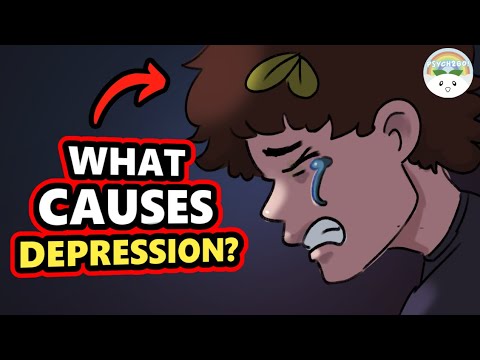
4 Surprising Causes Of Depression
0
VoiceTube posted on 2024/10/18Ever wondered what really causes depression? This video dives into surprising factors like social isolation and magnesium deficiency, even touching on the fascinating gut-brain axis! You'll pick up advanced vocabulary and practical knowledge that can make a real difference.
Learn this video on the APP!
The VoiceTube App has more in-depth practice for videos!