
absolutely
US /ˈæbsəˌlutli, ˌæbsəˈlutli/
UK /ˈæbsəlu:tli/
- Adverb
- Completely; totally; very
- Considered independently and without relation to other things; viewed abstractly; as, quantity absolutely considered.
A2Moreaccuracy
US /ˈækjərəsi/
UK /ˈækjərəsi/
- Uncountable Noun
- Being exactly right; correctness
- The degree to which something is close to the true value.
A2TOEICMoreactual
US /ˈæktʃuəl/
UK /ˈæktʃuəl/
- Adjective
- Real or existing in fact, not imagined; real
- Current; existing at the present time.
A2TOEICMoreas long as
US /æz lɔŋ æz/
UK /æz lɔŋ æz/
- Conjunction
- For the period that; provided that.
- For the length of time that
- Preposition
- On the condition that; providing that.
- Having the same length as.
A1Moreat night
US /æt naɪt/
UK /æt nait/
- Phrase
- During the night; in the nighttime.
A1Moreat times
US /æt taɪmz/
UK /æt taɪmz/
- Phrase
- Sometimes; occasionally.
A1Morebased on
US
UK
- Phrasal Verb
- To use something as the foundation or starting point for something else.
- Preposition
- Using something as the main idea or foundation.
- Relying on something as evidence or justification.
A1Morebe with
US /bi wɪð/
UK /bi: wið/
- Phrasal Verb
- To accompany someone; to be in someone's presence.
- To support someone's opinion or cause.
A1Morecandidate
US /ˈkændɪˌdet, -dɪt/
UK /ˈkændɪdət/
- Noun (Countable/Uncountable)
- Politician who is running for public office
B1Morecare of
US /kɛr ʌv/
UK /kɛə ɔv/
- Preposition
- Used in an address to indicate the person who will receive the mail for someone else.
A2Morecoherence
US /koˈhɪrəns, -ˈhɛr-/
UK /kəʊˈhɪərəns/
- Uncountable Noun
- State in which all of the parts are connected
B2Morecomplex
US /kəmˈplɛks, ˈkɑmˌplɛks/
UK /'kɒmpleks/
- Countable Noun
- Group of buildings all used for the same purpose
- Adjective
- Not being simple; having many parts or aspects
A2Morecorrect
US /kəˈrɛkt/
UK /kə'rekt/
- Adjective
- Being suitable and appropriate for an occasion
- True or accurate
- Transitive Verb
- To fix a problem
- To write marks on a piece of work to show mistakes
A2Moreculture
US /ˈkʌltʃɚ/
UK /'kʌltʃə(r)/
- Noun (Countable/Uncountable)
- Beliefs and customs of a particular group
- The customs, beliefs, art, and all the other things that a group of people share and consider important.
- Transitive Verb
- To grow cells, tissues, bacteria, etc. in a controlled environment.
A2Moredepending on
US
UK
- Phrasal Verb
- To rely on for support (financial or emotional)
- Influenced or determined by.
- Preposition
- Subject to; contingent on
- Relying on someone or something for support or assistance.
A2Moredo in
US
UK
- Phrasal Verb
- To make completely tired out and exhausted
- To destroy or cause damage to someone
A1Moredue to
US /du tu/
UK /dju: tu:/
- Preposition
- Because of; owing to
- Adjective
- Attributable to; caused by.
A1Moreencourage
US /ɛnˈkɚrɪdʒ, -ˈkʌr-/
UK /ɪn'kʌrɪdʒ/
- Transitive Verb
- To increase the chance of something happening
- To make someone more determined or confident
A2TOEICMoreenglish speaker
US
UK
- Noun
- A person who speaks English.
- A person with fluency in English.
A2Moreexaminer
US /ɪɡˈzæmɪnər/
UK /ɪgˈzæmɪnə(r)/
- Countable Noun
- Someone who gives a test
B1TOEICMoreextraordinary
US /ɪkˈstrɔ:rdəneri/
UK /ɪkˈstrɔ:dnri/
- Adjective
- Beyond what is ordinary; very unusual; remarkable
- Additional to or different from what is usual or regular.
B1TOEICMorefeedback
US /ˈfidˌbæk/
UK /ˈfi:dbæk/
- Noun (Countable/Uncountable)
- A response or opinion, about a service, etc.
- Information about reactions to a product, a person's performance of a task, etc. which is used as a basis for improvement.
- Verb (Transitive/Intransitive)
- To give information or opinions about something to someone, especially in order to improve it.
B1TOEICMorefigure out
US /ˈfɪɡjɚ aʊt/
UK /ˈfiɡə aut/
- Phrasal Verb
- To understand the behavior of someone
- To think through logically to find a solution
- Verb (Transitive/Intransitive)
- To understand or find an answer to something.
- To find a solution to a problem or understand something.
A1Morefluency
US /ˈfluːənsi/
UK /ˈflu:ənsi/
- Uncountable Noun
- Ability to do something well and with ease
- Ability to speak or write a language easily
B1TOEICMorefor myself
US /fɚ maɪˈsɛlf/
UK /fə maɪˈself/
- other
- Done for one's own benefit or use.
A1Morefree up
US
UK
- Phrasal Verb
- To make something available for a particular use.
- To make time or resources available.
A1Morefrom time to time
US
UK
- Phrase
- Occasionally; sometimes but not regularly.
- At intervals; now and then.
A1Moregenerally
US /ˈdʒɛnərəli/
UK /ˈdʒenrəli/
- Adverb
- Usually; as a rule; by, to or for most people
A2Moregive out
US /ɡɪv aʊt/
UK /ɡiv aut/
- Phrasal Verb
- To be used up; have nothing left; fail
- To publicly state something
A1Morego ahead
US /ɡo əˈhɛd/
UK /ɡəu əˈhed/
- Phrasal Verb
- To start an activity; start doing, working etc.
- To give permission to do something
- Intransitive Verb
- To start or proceed with something
- To proceed despite potential obstacles or doubts.
A1Morego on
US /ɡo ɑn/
UK /ɡəu ɔn/
- Phrasal Verb
- To continue doing something
- To happen (usually negative)
- Interjection
- Used to encourage someone
A1Moregrammar
US /ˈɡræmɚ/
UK /ˈgræmə(r)/
- Uncountable Noun
- Book describing the syntactic rules of a language
- Rules explaining how words are used in a language
B1Morehang out
US /hæŋ aʊt/
UK /hæŋ aut/
- Phrasal Verb
- To spend time with your friends
- To spend times with friends or relax doing nothing
A2Morehave to
US /hæv tu/
UK /ˈhæv tə/
- Auxiliary Verb
- Must do
A1Morehectic
US /ˈhɛktɪk/
UK /ˈhektɪk/
- Adjective
- (Of time, activity) very busy; full of activity
- Affected by a fever.
- Noun
- A state of great activity and agitation.
B2Morehonest
US /ˈɑnɪst/
UK /ˈɒnɪst/
- Adjective
- Good, truthful, sincere, or faithful; trustworthy
A2TOEICMorein control
US /ɪn kənˈtrol/
UK /in kənˈtrəul/
- Adjective
- Having the power to direct or regulate something; able to manage or direct a situation or person.
- Possessing self-restraint and the ability to manage one's own behavior and emotions.
- Phrase
- Having command or authority; managing effectively.
C1Morein fact
US /ɪn fækt/
UK /in fækt/
- Adverb
- Used to emphasize the truth of a statement, especially one that contrasts with or contradicts something else.
- Used to introduce a more detailed or surprising piece of information.
- Phrase
- Used to emphasize the truth of a statement, especially one that is surprising or contrary to what might be expected.
C1Morein part
US /ɪn pɑrt/
UK /in pɑ:t/
- Adverb
- To some extent; partially.
A1Morein the future
US /ɪn ði ˈfjutʃɚ/
UK /in ðə ˈfju:tʃə/
- Phrase
- At a later time; in times to come.
A1Morein the past
US
UK
- Phrase
- During a former period of time; previously.
A1Morein the way
US /ɪn ði we/
UK /in ðə wei/
- Phrase
- Obstructing someone or something; hindering progress.
- Stored or placed so as to be available or ready when needed.
A1Morein the world
US /ɪn ði wɜrld/
UK /in ðə wɜː(r)ld/
- Phrase
- Used to emphasize a question expressing surprise, confusion, disbelief
- Used to indicate the extent or degree of something, often in a superlative sense
A1Morekill off
US /kɪl ɔf/
UK /kil ɔf/
- Phrasal Verb
- To eliminate or destroy completely; to cause to die.
know about
US /noʊ əˈbaʊt/
UK /nəʊ əˈbaut/
- Phrasal Verb
- To have information or understanding of a subject or situation.
leisure
US /ˈli:ʒər/
UK /ˈleʒə(r)/
- Uncountable Noun
- Time when you have no work to do and can relax
- Activities done for enjoyment during one's free time.
- Adjective
- Relating to or used for relaxation and enjoyment.
B1TOEICMorelook at
US /lʊk æt/
UK /luk æt/
- Phrasal Verb
- To use your eyes to focus on something
- To focus your eyes on something carefully
A1Moremention
US /ˈmɛnʃən/
UK /'menʃn/
- Transitive Verb
- To refer to or talk or write about something
- Uncountable Noun
- Act of referring to or talking about something
- A formal acknowledgement of something
A2TOEICMoremove on
US /muv ɑn/
UK /mu:v ɔn/
- Phrasal Verb
- To decide to change or go to a different place
- To start talking about something different.
A1Moremuch about
US /mʌtʃ əˈbaʊt/
UK /mʌtʃ əˈbaut/
- Phrase
- A lot of information or knowledge concerning something.
- To a great extent or degree regarding something; caring.
A1Moreon the brink of
US /ɑːn ðiː brɪŋk ɑːv/
UK
- Phrase
- Very near to experiencing something, usually something unpleasant.
- About to happen; imminent.
A1Moreon the other hand
US
UK
- Phrase
- Considering a different aspect of the matter; alternatively.
A1Moreon to
US /ɑn tu/
UK /ɔn tu:/
- Preposition
- Toward something; forward
- Aware of someone's activities.
- Adjective
- Aware of someone's deception or illegal activities.
A1Moreopinion
US /əˈpɪnjən/
UK /əˈpɪnjən/
- Noun
- Court judge's statement why a decision was made
- A person's thoughts on a topic
A2TOEICMoreperformance
US / pɚˈfɔrməns/
UK /pə'fɔ:məns/
- Noun
- Act of doing something
- Activity done to entertain an audience
A2TOEICMorepose
US /poʊz/
UK /pəʊz/
- Verb (Transitive/Intransitive)
- To be or exist as (a problem, threat etc.)
- To suggest an idea, question or solution
- Noun
- False behavior to gain respect or liking
B1TOEICMoreprepare yourself
US
UK
- Verb (Transitive/Intransitive)
- To get yourself ready for something.
A2Morepull yourself together
US
UK
- Phrasal Verb
- To calm down and regain control of your emotions
A1Morereference
US /ˈrɛfərəns, ˈrɛfrəns/
UK /'refrəns/
- Noun
- A letter of recommendation, e.g. for a job
- Note in a book, etc. giving source of information
- Transitive Verb
- To cite a piece of research in speech or writing
- Mention or refer to.
A2TOEICMoreresult in
US /rɪˈzʌlt ɪn/
UK /riˈzʌlt in/
- Phrasal Verb
- To cause or produce as a consequence.
spot on
US
UK
- Adjective
- Exactly right; perfectly accurate.
- Adverb
- Exactly at the expected or scheduled time.
- Perfect; excellent.
B1Morestuff
US /stʌf/
UK /stʌf/
- Uncountable Noun
- Generic description for things, materials, objects
- Transitive Verb
- To push material inside something, with force
B1Moretalking about
US
UK
- Phrasal Verb
- To discuss a particular topic.
- To be constantly mentioning or bringing up a subject.
A1Morethink about
US /θɪŋk əˈbaʊt/
UK /θiŋk əˈbaut/
- Phrasal Verb
- To consider something carefully.
- To remember or call to mind.
A1Morethis day and age
US /ðɪs deɪ ənd eɪdʒ/
UK /ðɪs deɪ ənd eɪdʒ/
- other
- The present period or modern times.
B1Morethreat to
US
UK
- Phrase
- A person or thing likely to cause damage or danger.
- A statement of an intention to inflict pain, injury, damage, or other hostile action on someone in retribution for or opposition to something done or not done.
B2Moretopic
US /ˈtɑpɪk/
UK /'tɒpɪk/
- Noun (Countable/Uncountable)
- Subject or issue people talk or write about
A2TOEICMoreused to
US /juzd tu/
UK /ˈju:st tə/
- Adjective
- Did regularly before, but don't do now
- Auxiliary Verb
- Have done before, but do not do now
A1Morevocabulary
US /voˈkæbjəˌlɛri/
UK /və'kæbjələrɪ/
- Uncountable Noun
- Words that have to do with a particular subject
- The words that a person knows
B1TOEICMorewild
US /waɪld/
UK /waɪld/
- Adverb
- In a manner which lacks control
- Adjective
- Living in nature; not tame
- (Of land) not developed by people
A2More
Vocabulary
- have to: Must do
- look at: To use your eyes to focus on something
- care of: Used in an address to indicate the person who will receive the mail for someone else.
- in fact: Used to emphasize the truth of a statement, especially one that contrasts with or contradicts something else.
- do in: To make completely tired out and exhausted
- on to: Toward something; forward
- on the other hand : Considering a different aspect of the matter; alternatively.
- in the future: At a later time; in times to come.
- for myself: Done for one's own benefit or use.
- talking about: To discuss a particular topic.
- in part: To some extent; partially.
- go ahead: To start an activity; start doing, working etc.
- due to: Because of; owing to
- know about: To have information or understanding of a subject or situation.
- at night: During the night; in the nighttime.
- at times: Sometimes; occasionally.
- free up: To make something available for a particular use.
- be with: To accompany someone; to be in someone's presence.
- figure out: To understand the behavior of someone
- hang out: To spend time with your friends
- move on: To decide to change or go to a different place
- from time to time: Occasionally; sometimes but not regularly.
- used to: Did regularly before, but don't do now
- think about: To consider something carefully.
- on the brink of: Very near to experiencing something, usually something unpleasant.
- threat to: A person or thing likely to cause damage or danger.
- result in: To cause or produce as a consequence.
- in the past: During a former period of time; previously.
- this day and age: The present period or modern times.
- prepare yourself: To get yourself ready for something.
- in control: Having the power to direct or regulate something; able to manage or direct a situation or person.
- as long as: For the period that; provided that.
- in the way: Obstructing someone or something; hindering progress.
- depending on: To rely on for support (financial or emotional)
- english speaker: A person who speaks English.
- give out: To be used up; have nothing left; fail
- pull yourself together: To calm down and regain control of your emotions
- spot on: Exactly right; perfectly accurate.
- much about: A lot of information or knowledge concerning something.
- kill off: To eliminate or destroy completely; to cause to die.
- based on: To use something as the foundation or starting point for something else.
- in the world: Used to emphasize a question expressing surprise, confusion, disbelief
- go on: To continue doing something
- stuff: Generic description for things, materials, objects
- absolutely: Completely; totally; very
- extraordinary: Beyond what is ordinary; very unusual; remarkable
- situation: Place, position or area that something is in
- matter: To be of great importance; to count
- improve: To make, or become, something better
- vocabulary: Words that have to do with a particular subject
- experience: Thing a person has done or that happened to them
- complex: Group of buildings all used for the same purpose
- opinion: Court judge's statement why a decision was made
- bit: Device put in a horse's mouth to control it
- encourage: To increase the chance of something happening
- mention: To refer to or talk or write about something
- reference: A letter of recommendation, e.g. for a job
- generally: Usually; as a rule; by, to or for most people
- grammar: Book describing the syntactic rules of a language
- fluency: Ability to do something well and with ease
- candidate: Politician who is running for public office
- hectic: (Of time, activity) very busy; full of activity
- performance: Act of doing something
- reason: To think and make conclusions in a logical manner
- actual: Real or existing in fact, not imagined; real
- due: When something is required or expected
- interest: Best or most advantageous thing for someone
- honest: Good, truthful, sincere, or faithful; trustworthy
- topic: Subject or issue people talk or write about
- accuracy: Being exactly right; correctness
- correct: Being suitable and appropriate for an occasion
- feedback: A response or opinion, about a service, etc.
- culture: Beliefs and customs of a particular group
- wild: In a manner which lacks control
- leisure: Time when you have no work to do and can relax
- fact: Something that is known or proved to be true
- allow: To admit the validity or truth of something
- simple: Not hard to understand or do; not complex
- prefer: To like something better than something else
- information: Collection of facts and details about something
- government: Group of people and system that rule a nation
- language: Words or signs used to communicate messages
- pose: To be or exist as (a problem, threat etc.)
- examiner: Someone who gives a test
- coherence: State in which all of the parts are connected
Get the full experience in the app
Learn anywhere with detailed sentence and usage analysis
01:03
She took a brave step forward, leaving behind her comfort zone to chase her dreams.
Vocabulary
- brave
adj. Having courage
- comfort zone
phr. A familiar situation where one feels safe
Explanation
a brave step is a noun phrase, where brave is an adjective modifying the noun step, meaning "a courageous step".
forward is an adverb modifying step, meaning "ahead".
The whole phrase serves as the object, answering the "what" of took (verb) — she took a brave step forward.
Get the full experience in the app
Look up words anytime with pronunciation, part of speech, and usage
brave
US/brev/
UK/breɪv/
adj.Brave
v.t.To bravely face
A2 Elementary
Get the full experience in the app
Practice speaking anytime and get instant pronunciation feedback
Try this speaking exercise.
Try practicing with this sentence.
80
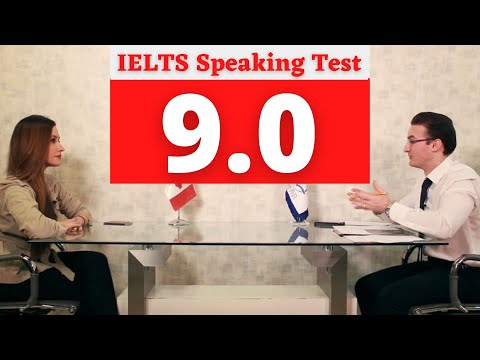
IELTS Speaking test band score 9 with feedback 2022
0
joey joey posted on 2024/07/21Dreaming of a Band 9 on your IELTS Speaking test? This video gives you a fantastic look at a real Part 2 cue card section with expert examiner feedback, perfect for boosting your fluency and pronunciation! You'll pick up advanced vocabulary and practical speaking strategies that will help you ace your exam.
Learn this video on the APP!
The VoiceTube App has more in-depth practice for videos!