
absolutely
US /ˈæbsəˌlutli, ˌæbsəˈlutli/
UK /ˈæbsəlu:tli/
- Adverb
- Completely; totally; very
- Considered independently and without relation to other things; viewed abstractly; as, quantity absolutely considered.
A2Moreat least
US /æt list/
UK /æt li:st/
- Adverb
- As a minimum
- Not less than
- Phrase
- No less than; at the minimum
- Used to indicate that something is positive in a bad situation.
C2Moreat the same time
US
UK
- Phrase
- Simultaneously; at the identical moment.
- Nevertheless; however; used to introduce a contrasting or qualifying statement.
A1Morebarbaric
US /bɑrˈbærɪk/
UK /bɑ:'bærɪk/
- Adjective
- Uncivilized; cruel and wild
C1Moreboost
US /bust/
UK /bu:st/
- Transitive Verb
- To increase something; to make something better
- To push someone or something up from beneath them
- Noun (Countable/Uncountable)
- An increase in something
B1TOEICMorecome up
US /kʌm ʌp/
UK /kʌm ʌp/
- Phrasal Verb
- To come closer to someone; approach
- (Of sun) to rise into the sky in the morning
A1Morecounterintuitive
US /ˌkaʊntərɪn'tju:ɪtɪv/
UK /kaʊntərɪn'tju:ɪtɪv/
- Adjective
- Contrary to what common sense would suggest
C2Morecredible
US /ˈkrɛdəbəl/
UK /ˈkredəbl/
- Adjective
- Believable; that can be believed or trusted
B2TOEICMorecrisis
US /ˈkraɪsɪs/
UK /'kraɪsɪs/
- Noun (Countable/Uncountable)
- Unstable situation of extreme danger or difficulty
- A turning point in a disease.
B1Morecritical
US /ˈkrɪtɪkəl/
UK /ˈkrɪtɪkl/
- Adjective
- Making a negative judgment of something
- Being important or serious; vital; dangerous
A2Moredecade
US /ˈdɛkˌed, dɛˈked/
UK /ˈdekeɪd/
- Countable Noun
- Period of 10 years
B1TOEICMoredecline
US /dɪˈklaɪn/
UK /dɪ'klaɪn/
- Intransitive Verb
- To bend towards the ground
- To slope downward.
- Verb (Transitive/Intransitive)
- To lessen in quality or value
A2TOEICMoredecrease
US /dɪˈkris/
UK /dɪˈkri:s/
- Verb (Transitive/Intransitive)
- To reduce the size, amount or number of something
- Uncountable Noun
- Amount by which something has been reduced
B1TOEICMoreeffectively
US /ɪˈfɛktɪvli/
UK /ɪˈfektɪvli/
- Adverb
- In a way that produces the desired result
B1Moreexacerbate
US /ɪɡˈzæsɚˌbet/
UK /ɪɡ'zæsəbeɪt/
- Transitive Verb
- To increase the severity or bitterness of
B2Moreextraordinary
US /ɪkˈstrɔ:rdəneri/
UK /ɪkˈstrɔ:dnri/
- Adjective
- Beyond what is ordinary; very unusual; remarkable
- Additional to or different from what is usual or regular.
B1TOEICMoreflee
US /fli/
UK /fli:/
- Intransitive Verb
- To leave somewhere urgently, to avoid danger
B1Morefor example
US
UK
- Phrase
- As an illustration or instance.
in fact
US /ɪn fækt/
UK /in fækt/
- Adverb
- Used to emphasize the truth of a statement, especially one that contrasts with or contradicts something else.
- Used to introduce a more detailed or surprising piece of information.
- Phrase
- Used to emphasize the truth of a statement, especially one that is surprising or contrary to what might be expected.
C1Morein the past
US
UK
- Phrase
- During a former period of time; previously.
A1Morejournalist
US /ˈdʒɚnəlɪst/
UK /ˈdʒɜ:nəlɪst/
- Noun
- Writer of news reports for newspapers etc.
A2TOEICMorelimit
US /ˈlɪmɪt/
UK /'lɪmɪt/
- Noun (Countable/Uncountable)
- Point beyond which it is not possible to go
- A line or edge marking the boundary of an area.
- Transitive Verb
- To stop or prevent an increase past a point
A2TOEICMoremassive
US /ˈmæsɪv/
UK /ˈmæsɪv/
- Adjective
- Very big; large; too big
- Large or imposing in scale or scope.
B1Moremental
US /ˈmɛntl/
UK /ˈmentl/
- Adjective
- Concerning the mind
A2TOEICMoreon paper
US /ɑn ˈpeɪpər/
UK /ɔn ˈpeipə/
- Phrase
- In theory or as a plan, but not necessarily in reality.
- Recorded in writing; documented.
A1Moreon the street
US /ɑn ði strit/
UK /ɔn ðə stri:t/
- Phrase
- Located on or along a public road in a town or city.
- Available or circulating, especially illegally or unofficially.
A1Moreoutrage
US /ˈaʊtˌredʒ/
UK /'aʊtreɪdʒ/
- Noun
- Very wrong or cruel act which causes great anger
- Transitive Verb
- To cause anger to due to wrong or cruel acts
B1Moreparadox
US /ˈpærəˌdɑks/
UK /'pærədɒks/
- Noun
- Surprising statement containing two opposing ideas
B2Morepopulation
US /ˌpɑpjəˈleʃən/
UK /ˌpɒpjuˈleɪʃn/
- Noun (Countable/Uncountable)
- Number of people who live in a country, area etc.
- A group of individuals of one species living in a particular area.
A2TOEICMoreprime
US /praɪm/
UK /praɪm/
- Transitive Verb
- To get a person ready for; prepare someone
- To coat with paint to prepare it for the main coat
- Adjective
- Concerning the highest in quality or value
- Concerning the highest level of achievement
A2TOEICMoreprioritize
US /praɪˈɔ:rətaɪz/
UK /praɪˈɒrətaɪz/
- Transitive Verb
- To rank things in importance
B1TOEICMoreproductivity
US /ˌprɑ:dʌkˈtɪvəti/
UK /ˌprɒdʌkˈtɪvəti/
- Uncountable Noun
- Rate at which people or machines produce
- A measure of the efficiency of a person, machine, factory, system, etc., in converting inputs into useful output.
B1TOEICMoreproof
US /pruf/
UK /pru:f/
- Noun (Countable/Uncountable)
- Act of showing that something exists or is true
- Special coating that protects something
- Transitive Verb
- To read a written work to check for mistakes
- To protect by painting on a special coating
A2TOEICMoreprove
US /pruv/
UK /pru:v/
- Transitive Verb
- To demonstrate truth by providing evidence
- To test the quality or worth of something.
- Intransitive Verb
- To turn out to be; be found to be.
A2TOEICMorerather than
US
UK
- Adverb
- More exactly; more correctly
- Preferably; instead
- Preposition
- Instead of
A1Moreregulation
US /ˌrɛɡjəˈleʃən/
UK /ˌregjuˈleɪʃn/
- Noun (Countable/Uncountable)
- Act of controlling something with rules or orders
- A rule or directive made and maintained by an authority.
- Noun
A2Moreridiculous
US /rɪˈdɪkjələs/
UK /rɪˈdɪkjələs/
- Adjective
- Funny or foolish; deserving to be laughed at
A2Moresame time
US
UK
- Phrase
- Occurring simultaneously or at the same point in time.
- At the identical time as before; recurring at a fixed hour.
- Noun
- An equal duration or period.
A1Morescheme
US /skim/
UK /ski:m/
- Noun
- Plan (sometimes dishonest) to get or do something
- Way something is organized, e.g. colors of a room
- Intransitive Verb
- To make secret plans to do something (often bad)
A2TOEICMoresevere
US /səˈvɪr/
UK /sɪ'vɪə(r)/
- Adjective
- Very bad; harsh
- (Of clothes, etc.) plain; simple; not decorated
A2TOEICMoreshorten
US /ˈʃɔrtn/
UK /'ʃɔ:tn/
- Transitive Verb
- To make something, e.g. a skirt, shorter
C1Moreshrink
US /ʃrɪŋk/
UK /ʃrɪŋk/
- Intransitive Verb
- To become smaller
- Noun
- A rude name for a psychiatrist
B1Morespark
US /spɑrk/
UK /spɑ:k/
- Countable Noun
- Small piece of burning material produced by fire
- Tiny, brief bit of light caused by electric energy
- Intransitive Verb
- To make tiny, brief bits of light
B1Moretake it or leave it
US /teɪk ɪt ɔr liv ɪt/
UK /teɪk ɪt ɔ: li:v ɪt/
- other
- An offer that must be accepted as is or rejected entirely.
B1Moretick
US /tɪk/
UK /tɪk/
- Intransitive Verb
- To function properly or normally
- (Clock) to make light regular timed noise
- Countable Noun
- Small blood-sucking insect that lives on the skin
- Written mark to show something is correct or done
B1Moretrade
US /treid/
UK /treɪd/
- Noun (Countable/Uncountable)
- A specific industry, e.g. shoe making
- Action of buying and selling things in business
- Transitive Verb
- To buy, sell and exchange goods in business
- To give something in return for something else
A2TOEICMoreultimately
US /ˈʌltəmɪtli/
UK /ˈʌltɪmətli/
- Adverb
- Done or considered as the final and most important
- Fundamentally; at the most basic level.
B1TOEICMorewoo
US /wu/
UK /wu:/
- Transitive Verb
- (Of a man) to try to get a woman to marry him
- To attempt to persuade to do something
C2TOEICMoreworkload
US /ˈwɜ:rkloʊd/
UK /ˈwɜ:kləʊd/
- Uncountable Noun
- Work you are expected to do in a specified time
C1More
Vocabulary
- in fact: Used to emphasize the truth of a statement, especially one that contrasts with or contradicts something else.
- for example: As an illustration or instance.
- rather than: More exactly; more correctly
- on the street: Located on or along a public road in a town or city.
- take it or leave it: An offer that must be accepted as is or rejected entirely.
- on paper: In theory or as a plan, but not necessarily in reality.
- in the past: During a former period of time; previously.
- at least: As a minimum
- come up: To come closer to someone; approach
- at the same time: Simultaneously; at the identical moment.
- same time: Occurring simultaneously or at the same point in time.
- ultimately: Done or considered as the final and most important
- absolutely: Completely; totally; very
- extraordinary: Beyond what is ordinary; very unusual; remarkable
- massive: Very big; large; too big
- mental: Concerning the mind
- ridiculous: Funny or foolish; deserving to be laughed at
- critical: Making a negative judgment of something
- prioritize: To rank things in importance
- boost: To increase something; to make something better
- crisis: Unstable situation of extreme danger or difficulty
- experience: Thing a person has done or that happened to them
- severe: Very bad; harsh
- consider: To think carefully about something
- decline: To bend towards the ground
- measure: Plan to achieve a desired result
- paradox: Surprising statement containing two opposing ideas
- decade: Period of 10 years
- prime: To get a person ready for; prepare someone
- shrink: To become smaller
- counterintuitive: Contrary to what common sense would suggest
- effectively: In a way that produces the desired result
- simply: In an easy or clear manner
- population: Number of people who live in a country, area etc.
- raise: To increase a bet above another when playing cards
- apply: To spread a substance or liquid over a surface
- productivity: Rate at which people or machines produce
- scheme: Plan (sometimes dishonest) to get or do something
- labor: To struggle to do something because it's difficult
- introduce: To open an essay to set the scene
- spark: Small piece of burning material produced by fire
- provide: To make available; to supply for use
- trade: A specific industry, e.g. shoe making
- flee: To leave somewhere urgently, to avoid danger
- prove: To demonstrate truth by providing evidence
- normal: Standard or regular way of doing something
- proof: Act of showing that something exists or is true
- limit: Point beyond which it is not possible to go
- regulation: Act of controlling something with rules or orders
- journalist: Writer of news reports for newspapers etc.
- offer: Price you say you are willing to pay for something
- decrease: To reduce the size, amount or number of something
- tick: To function properly or normally
- fact: Something that is known or proved to be true
- allow: To admit the validity or truth of something
- exacerbate: To increase the severity or bitterness of
- staff: Employees of a company
- support: To give assistance or advice to someone
- outrage: Very wrong or cruel act which causes great anger
- barbaric: Uncivilized; cruel and wild
- credible: Believable; that can be believed or trusted
- workload: Work you are expected to do in a specified time
- woo: (Of a man) to try to get a woman to marry him
- shorten: To make something, e.g. a skirt, shorter
Get the full experience in the app
Learn anywhere with detailed sentence and usage analysis
01:03
She took a brave step forward, leaving behind her comfort zone to chase her dreams.
Vocabulary
- brave
adj. Having courage
- comfort zone
phr. A familiar situation where one feels safe
Explanation
a brave step is a noun phrase, where brave is an adjective modifying the noun step, meaning "a courageous step".
forward is an adverb modifying step, meaning "ahead".
The whole phrase serves as the object, answering the "what" of took (verb) — she took a brave step forward.
Get the full experience in the app
Look up words anytime with pronunciation, part of speech, and usage
brave
US/brev/
UK/breɪv/
adj.Brave
v.t.To bravely face
A2 Elementary
Get the full experience in the app
Practice speaking anytime and get instant pronunciation feedback
Try this speaking exercise.
Try practicing with this sentence.
80
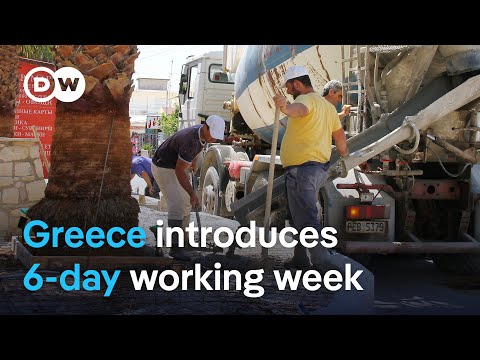
How does Greece's government justify a 6-day working week? | DW News
0
VoiceTube posted on 2024/07/12Ever wondered why Greece is considering a six-day work week? This DW News report dives deep into the economic and demographic reasons behind this controversial labor law change, and you'll pick up some fantastic advanced vocabulary related to the economy and workplace issues along the way!
Learn this video on the APP!
The VoiceTube App has more in-depth practice for videos!