
absolutely
US /ˈæbsəˌlutli, ˌæbsəˈlutli/
UK /ˈæbsəlu:tli/
- Adverb
- Completely; totally; very
- Considered independently and without relation to other things; viewed abstractly; as, quantity absolutely considered.
A2Morebumpy
US /ˈbʌmpi/
UK /'bʌmpɪ/
- Adjective
- Being rough, or not smooth
- (Of a time) having many difficulties
B1Morechain
US /tʃen/
UK /tʃeɪn/
- Transitive Verb
- To feel to be bound or tied to
- To connect or tie with a rope made of metal links
- Noun (Countable/Uncountable)
- Series of events or things that are connected
- Series of (metal) connected links or rings
A2Morechip
US /tʃɪp/
UK /tʃɪp/
- Transitive Verb
- To break a small piece off something such as a cup
- To break into small pieces, often with a tool
- Noun (Countable/Uncountable)
- Small piece that has broken off (e.g. from cup)
- Piece of computer hardware that does calculations
B1Morecog
US /kɑɡ, kɔɡ/
UK /kɒɡ/
- Noun
- Toothed wheel fitting into others to turn machines
C1Morecritical
US /ˈkrɪtɪkəl/
UK /ˈkrɪtɪkl/
- Adjective
- Making a negative judgment of something
- Being important or serious; vital; dangerous
A2Morecross
US /krɔs, krɑs/
UK /krɒs/
- Adjective
- Angry and upset
- From one side of something to the other
- Transitive Verb
- To put one thing over another e.g. arms
- To breed one type of animal or plant with another
A2Moredemocratic
US /ˌdɛməˈkrætɪk/
UK /ˌdeməˈkrætɪk/
- Adjective
- (Of government) giving the people power, a vote
- Based on the principle that all members have equal rights.
B2Moredirect
US /dɪˈrɛkt, daɪ-/
UK /də'rekt/
- Transitive Verb
- To tell someone in a very clear way to do something
- To show the way by conducting or leading
- Adverb
- Coming straight from something
A2TOEICMoredomestically
US /də'mestɪklɪ/
UK /də'mestɪklɪ/
- Adverb
- With respect to your own country
- In a way that relates to the home, household, or family affairs
B1Moreelection
US /ɪˈlɛkʃən/
UK /ɪ'lekʃn/
- Noun
- Process of choosing someone by voting
B1TOEICMoreessentially
US /ɪˈsenʃəli/
UK /ɪˈsenʃəli/
- Adverb
- Basically; (said when stating the basic facts)
- Used to emphasize the basic truth or fact of a situation.
A2Moreexception
US /ɪkˈsɛpʃən/
UK /ɪkˈsepʃn/
- Noun (Countable/Uncountable)
- Something different or not included
- An objection or feeling of disapproval.
B1TOEICMoregeopolitical
US /ˌdʒi:oʊpə'lɪtɪkl/
UK /ˌdʒi:əʊpə'lɪtɪkl/
- Adjective
- Concerning geopolitics
C1Morehighlight
US /ˈhaɪˌlaɪt/
UK /ˈhaɪlaɪt/
- Noun (Countable/Uncountable)
- Best or most interesting part of something
- Spot or section lighter than the area around it
- Transitive Verb
- To use chemicals to make some hair a lighter color
- To make people aware of a problem, subject, issue
A2Moreincumbent
US /ɪnˈkʌmbənt/
UK /ɪn'kʌmbənt/
- Countable Noun
- A person who holds a particular office or position
C1TOEICMoreindependence
US /ˌɪndɪˈpɛndəns/
UK /ˌɪndɪ'pendəns/
- Uncountable Noun
- Having the freedom to make your own decisions
- The state of not relying on others for financial support or assistance.
A2Moreissue
US /ˈɪʃu/
UK /'ɪʃu:/
- Transitive Verb
- To make something available to be used or sold
- To deliver a statement, etc. in an official manner
- Noun (Countable/Uncountable)
- Important topic discussed, debated or argued over
- Single edition of a magazine
A2TOEICMorelegislative
US /ˈlɛdʒɪˌsletɪv/
UK /ˈledʒɪslətɪv/
- Adjective
- Having the power or ability to make laws
- Relating to a legislature or legislation
- Noun
- A deliberative body of persons, usually elective, empowered to enact, change, or repeal the laws of a country or state
B1Morelegislature
US /ˈlɛdʒɪˌsletʃɚ/
UK /ˈledʒɪsleɪtʃə(r)/
- Noun
- Official group with the authority to make laws
B2Moremandate
US /ˈmænˌdet/
UK /'mændeɪt/
- Transitive Verb
- To order that something is done
- Noun (Countable/Uncountable)
- Official command or order
- The authority to carry out a policy or course of action, regarded as given by the electorate to a candidate or party that has won an election.
B2TOEICMoreopposition
US /ˌɑ:pəˈzɪʃn/
UK /ˌɒpəˈzɪʃn/
- Uncountable Noun
- Act of disagreeing or trying to stop something
- Group that you are fighting or competing against
B1Morepeaceful
US /ˈpisfəl/
UK /ˈpi:sfl/
- Adjective
- In a calm and quiet state
- Being unlikely or unwilling to act violently
B1Morepivotal
US /ˈpɪvətl/
UK /ˈpɪvətl/
- Adjective
- Having a lot of importance
B2TOEICMorepotentially
US /pəˈtɛnʃəlɪ/
UK /pə'tenʃəlɪ/
- Adverb
- That could happen or become reality
B1Morepresident
US /ˈprɛzɪdənt,-ˌdɛnt/
UK /ˈprezɪdənt/
- Noun
- Person in charge of a country, or organization
- The highest-ranking executive in a corporation or organization.
A2TOEICMorepriority
US /praɪˈɔrɪti, -ˈɑr-/
UK /praɪ'ɒrətɪ/
- Noun (Countable/Uncountable)
- Thing that is more important/urgent than others
- A level of importance assigned to a task or process in a computer system.
- Adjective
- Denoting something that constitutes a priority.
B1TOEICMoreprogressive
US /prəˈɡrɛsɪv/
UK /prəˈgresɪv/
- Adjective
- Believing in modern ideas about social change
- Increasing in extent or severity; occurring in gradual stages.
- Noun (Countable/Uncountable)
- People believing in bringing about social change
- A person advocating or implementing social reform or new, liberal ideas.
A2Moreprovince
US /ˈprɑvɪns/
UK /'prɒvɪns/
- Noun
- Subject that a person has a good knowledge of
- Area a country is divided into outside the capital
B1Morerace
US /res/
UK /reɪs/
- Noun (Countable/Uncountable)
- Speed contest between people, animals or vehicles
- People who share physical features or culture
- Intransitive Verb
- To take part in a running or swimming competition
- To move or go at a very fast pace
A2Morerenegade
US /ˈrɛnɪˌɡed/
UK /'renɪɡeɪd/
- Countable Noun
- Person who leaves one group to join an opponent
C1TOEICMorereunification
US /ˌrijunəfəˈkeʃən/
UK /ˌri:ˌju:nɪfɪ'keɪʃn/
- Uncountable Noun
- State of putting separate things together again
C2Morespeech
US /spitʃ/
UK /spi:tʃ/
- Uncountable Noun
- A formal talk to an audience
- Expression of ideas or opinions by talking
A2TOEICMorestrait
US /stret/
UK /streɪt/
- Noun
- Channel joining large bodies of water
C2Moresubordinate
US /səˈbɔ:rdɪnət/
UK /səˈbɔ:dɪnət/
- Adjective
- Grammar (of a clause) dependent on the main clause
- Being or in a position of less power or authority
- Transitive Verb
- To modify a word or phrase to its head
- To treat something as less valuable or important
B1TOEICMoresupply
US /səˈplaɪ/
UK /sə'plaɪ/
- Uncountable Noun
- Availability of products and services for use
- Transitive Verb
- To give or sell goods to others for their use
A2TOEICMoreundermine
US /ˌʌndərˈmaɪn/
UK /ˌʌndəˈmaɪn/
- Transitive Verb
- To weaken or destroy secretly and usually slowly
- To excavate the foundation or supporting material of (a building, cliff, etc.).
B2TOEICMoreunited
US /juˈnaɪtɪd/
UK /jʊ'naɪtɪd/
- Verb (Transitive/Intransitive)
- To join or come together for the same goal
- Adjective
- Joined or combined together
A2Morevice
US /ˌvaɪ.sə/
UK /ˌvaɪs/
- Noun
- used as part of the title of particular positions. The person who holds one of these positions is next below in authority to the person who holds the full position and can act for them
- Noun (Countable/Uncountable)
- a moral fault or weakness in someone's character
- illegal and immoral activities, especially involving illegal sex, drugs, etc.
B2Morevictory
US /ˈvɪktəri/
UK /'vɪktərɪ/
- Noun (Countable/Uncountable)
- Defeating or beating someone or something
- An instance of having overcome a challenge or obstacle; an achievement.
B1Moreyuan
US /juˈɑn, juɑn/
UK /jʊ'ɑ:n/
- Noun
- Unit of money in China
B2More
Vocabulary
- sort: To organize things by putting them into groups
- essentially: Basically; (said when stating the basic facts)
- absolutely: Completely; totally; very
- critical: Making a negative judgment of something
- term: Conditions applying to an agreement, contract
- potentially: That could happen or become reality
- force: Group of persons trained for military action; army
- priority: Thing that is more important/urgent than others
- position: Person's opinion or attitude about something
- bit: Device put in a horse's mouth to control it
- issue: To make something available to be used or sold
- vice: used as part of the title of particular positions. The person who holds one of these positions is next below in authority to the person who holds the full position and can act for them
- direct: To tell someone in a very clear way to do something
- undermine: To weaken or destroy secretly and usually slowly
- democratic: (Of government) giving the people power, a vote
- progressive: Believing in modern ideas about social change
- exception: Something different or not included
- race: Speed contest between people, animals or vehicles
- mandate: To order that something is done
- subordinate: Grammar (of a clause) dependent on the main clause
- pivotal: Having a lot of importance
- lot: What happens to a person in life from chance; fate
- kind: In a caring and helpful manner
- president: Person in charge of a country, or organization
- control: A device designed to operate a machine
- prefer: To like something better than something else
- chain: To feel to be bound or tied to
- election: Process of choosing someone by voting
- stand: To be a candidate in an election
- speech: A formal talk to an audience
- chip: To break a small piece off something such as a cup
- great: Very good; better than before
- province: Subject that a person has a good knowledge of
- opposition: Act of disagreeing or trying to stop something
- strait: Channel joining large bodies of water
- supply: Availability of products and services for use
- independence: Having the freedom to make your own decisions
- cross: Angry and upset
- highlight: Best or most interesting part of something
- choice: Decision between two or more possibilities
- ride: Machine at an amusement park for riding on for fun
- united: To join or come together for the same goal
- light: To cause something to burn; put a burning match to
- lose: To be unable to keep in check or control something
- incumbent: A person who holds a particular office or position
- legislative: Having the power or ability to make laws
- geopolitical: Concerning geopolitics
- bumpy: Being rough, or not smooth
- victory: Defeating or beating someone or something
- legislature: Official group with the authority to make laws
- cog: Toothed wheel fitting into others to turn machines
- reunification: State of putting separate things together again
- peaceful: In a calm and quiet state
- renegade: Person who leaves one group to join an opponent
- domestically: With respect to your own country
- yuan: Unit of money in China
Get the full experience in the app
Learn anywhere with detailed sentence and usage analysis
01:03
She took a brave step forward, leaving behind her comfort zone to chase her dreams.
Vocabulary
- brave
adj. Having courage
- comfort zone
phr. A familiar situation where one feels safe
Explanation
a brave step is a noun phrase, where brave is an adjective modifying the noun step, meaning "a courageous step".
forward is an adverb modifying step, meaning "ahead".
The whole phrase serves as the object, answering the "what" of took (verb) — she took a brave step forward.
Get the full experience in the app
Look up words anytime with pronunciation, part of speech, and usage
brave
US/brev/
UK/breɪv/
adj.Brave
v.t.To bravely face
A2 Elementary
Get the full experience in the app
Practice speaking anytime and get instant pronunciation feedback
Try this speaking exercise.
Try practicing with this sentence.
80
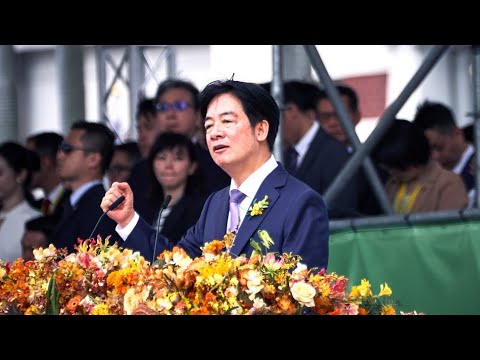
Taiwan's New President Lai Urges China to Jointly Maintain Regional Peace
0
林宜悉 posted on 2024/05/22Curious about the latest developments in Taiwan and China? This video dives into President Lai's call for regional peace and unpacks key terms like 'cross-Strait relations' and 'geopolitical tension' to boost your advanced vocabulary. You'll gain insights into Taiwan's election and its impact on global supply chains!
Learn this video on the APP!
The VoiceTube App has more in-depth practice for videos!