
capital
US /ˈkæpɪtl/
UK /'kæpɪtl/
- Noun
- Writing the first letter of a word in big letters
- Official main city of a country, province or state
- Adjective
- Main, or major
- (Of an offense) liable to the death penalty.
A2Moredaily conversation
US
UK
- Uncountable Noun
- Informal talk about matters of common interest; everyday conversation.
A1Moredisease
US /dɪˈziz/
UK /dɪˈzi:z/
- Noun (Countable/Uncountable)
- Illness that affects a person, animal, or plant
- A disorder of structure or function in a plant, especially one caused by a pathogen.
- Transitive Verb
- To affect with disease; to corrupt or sicken.
A2TOEICMorein addition to
US /ɪn əˈdɪʃən tu/
UK /in əˈdiʃən tu:/
- Preposition
- Besides; as well as
- Phrase
- Besides; as well as.
- Furthermore; moreover.
B1Morein the middle of
US
UK
- Phrase
- In the central part or point of something.
- Engaged or occupied with something.
A2Morein the midst of
US
UK
- Phrase
- Surrounded by; in the middle of.
- During; while something is happening.
A1Morein time
US /ɪn taɪm/
UK /in taim/
- Adverb
- Eventually; after a period of time.
- Not late; with enough time to spare.
- Phrase
- Eventually; before it is too late.
- According to the scheduled time; punctual.
A1Moreinfect
US /ɪnˈfɛkt/
UK /ɪn'fekt/
- Transitive Verb
- To introduce a computer virus to
- To give a disease, bacteria or virus to
B1Moreoff to the races
US /ɔf tə ðə ˈreɪsɪz/
UK /ɒf tə ðə ˈreisiz/
- other
- Starting an activity or process quickly and with enthusiasm.
B2Moreout of control
US /aʊt ʌv kənˈtrol/
UK /aut ɔv kənˈtrəul/
- Adjective
- Impossible to manage or control.
- Not able to be directed or steered.
A1Moreoutbreak
US /ˈaʊtˌbrek/
UK /ˈaʊtbreɪk/
- Noun (Countable/Uncountable)
- Sudden occurrence of illness, discontent etc.
- A sudden occurrence of something unwelcome, such as war or disease.
B2Moreoutside of
US /aʊtˈsaɪd ʌv/
UK /ˌautˈsaid ɔv/
- Preposition
- Located or situated beyond the boundaries or confines of something.
- Beyond the scope, range, or limits of something.
A1Morepopulation
US /ˌpɑpjəˈleʃən/
UK /ˌpɒpjuˈleɪʃn/
- Noun (Countable/Uncountable)
- Number of people who live in a country, area etc.
- A group of individuals of one species living in a particular area.
A2TOEICMoreresponse
US /rɪˈspɑns/
UK /riˈspɔns/
- Noun
- Something said/written as an answer to something
- Reaction to something that has occurred
A2TOEICMorespread
US /sprɛd/
UK /spred/
- Noun (Countable/Uncountable)
- A big meal, often laid out as a buffet
- The distance between two things
- Verb (Transitive/Intransitive)
- To place over a large area; to cover a large area
- (Of ideas, gossip) to pass to and affect others
A2TOEICMoreto order
US
UK
- Transitive Verb
- To give an instruction or command.
- To request something to be made, supplied, or served.
A1Moreunder control
US /ˈʌndɚ kənˈtrol/
UK /ˈʌndə kənˈtrəul/
- Adjective
- Being managed or restrained; not out of hand.
- Having one's emotions or impulses restrained.
- Phrase
- A situation that is being managed effectively.
C1Morevirus
US /ˈvaɪrəs/
UK /'vaɪrəs/
- Noun
- File secretly put on computers to cause harm
- Living organism that causes disease or sickness
B1More
Vocabulary
- in the midst of: Surrounded by; in the middle of.
- off to the races: Starting an activity or process quickly and with enthusiasm.
- under control: Being managed or restrained; not out of hand.
- out of control: Impossible to manage or control.
- to order: To give an instruction or command.
- outside of: Located or situated beyond the boundaries or confines of something.
- in addition to: Besides; as well as
- in time: Eventually; after a period of time.
- in the middle of: In the central part or point of something.
- daily conversation: Informal talk about matters of common interest; everyday conversation.
- disease: Illness that affects a person, animal, or plant
- spread: A big meal, often laid out as a buffet
- response: Something said/written as an answer to something
- population: Number of people who live in a country, area etc.
- capital: Writing the first letter of a word in big letters
- control: A device designed to operate a machine
- contract: To become ill as a result of getting a disease
- outbreak: Sudden occurrence of illness, discontent etc.
- die: Cube with dots numbering 1-6 on it used in games
- American: Person from the USA
- virus: File secretly put on computers to cause harm
- guinea: A republic in western Africa on the Atlantic; formerly a French colony; achieved independence from France in
- infect: To introduce a computer virus to
- africa: Continent between the Atlantic and Indian oceans
- lockdown: Confining prisoners to their cells after a riot
Get the full experience in the app
Learn anywhere with detailed sentence and usage analysis
01:03
She took a brave step forward, leaving behind her comfort zone to chase her dreams.
Vocabulary
- brave
adj. Having courage
- comfort zone
phr. A familiar situation where one feels safe
Explanation
a brave step is a noun phrase, where brave is an adjective modifying the noun step, meaning "a courageous step".
forward is an adverb modifying step, meaning "ahead".
The whole phrase serves as the object, answering the "what" of took (verb) — she took a brave step forward.
Get the full experience in the app
Look up words anytime with pronunciation, part of speech, and usage
brave
US/brev/
UK/breɪv/
adj.Brave
v.t.To bravely face
A2 Elementary
Get the full experience in the app
Practice speaking anytime and get instant pronunciation feedback
Try this speaking exercise.
Try practicing with this sentence.
80
0
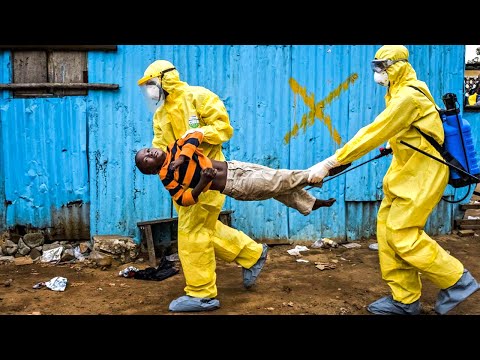
kevin posted on 2014/10/11Ever wondered about the 2014 Ebola outbreak in West Africa? This video dives deep into the epidemic, explaining everything from zoonotic transmission to the crucial responses by organizations like the WHO and CDC. You'll pick up advanced vocabulary and gain a fascinating cultural understanding of the situation, making it a compelling watch!
Learn this video on the APP!
The VoiceTube App has more in-depth practice for videos!