
affect
US /əˈfɛkt/
UK /ə'fekt/
- Transitive Verb
- To cause a change in something else
- To pretend to have or feel (something).
- Noun
- (Psychology) Emotion or feeling.
A2TOEICMorebehave
US /bɪˈhev/
UK /bɪˈheɪv/
- Intransitive Verb
- To act correctly
- To act in a particular way
- Verb (Transitive/Intransitive)
- To cause (oneself) to act in a specific way
A2Morecalculation
US /ˌkælkjəˈleʃən/
UK /ˌkælkjuˈleɪʃn/
- Noun (Countable/Uncountable)
- Process or result of using mathematics
- An educated guess about something
B2Morecognitive
US /ˈkɑɡnɪtɪv/
UK /ˈkɒgnətɪv/
- Adjective
- The process of knowing and remembering
- Relating to the ability to think and reason.
C1Moredevastating
US
UK
- Transitive Verb
- To cause extensive destruction or ruin utterly
- Adjective
- Destroying everything; very shocking
- Causing great emotional pain or shock.
B1Moredisease
US /dɪˈziz/
UK /dɪˈzi:z/
- Noun (Countable/Uncountable)
- Illness that affects a person, animal, or plant
- A disorder of structure or function in a plant, especially one caused by a pathogen.
- Transitive Verb
- To affect with disease; to corrupt or sicken.
A2TOEICMoreengage
US /ɪn'gedʒ/
UK /ɪn'ɡeɪdʒ/
- Transitive Verb
- To start to fight with an enemy
- To hire someone for a task or job
A2TOEICMorefluid
US /ˈfluɪd/
UK /'flu:ɪd/
- Noun (Countable/Uncountable)
- A material that can easily flow, e.g. water
- Liquid that flows smoothly, such as water
- Adjective
- Able to move smoothly or gracefully
- Liable to change; unstable.
B2Moremove on
US /muv ɑn/
UK /mu:v ɔn/
- Phrasal Verb
- To decide to change or go to a different place
- To start talking about something different.
A1Moreopening up
US
UK
- Phrasal Verb
- Revealing one's thoughts and feelings; becoming more communicative.
- Creating new opportunities or possibilities.
B2Morepotentially
US /pəˈtɛnʃəlɪ/
UK /pə'tenʃəlɪ/
- Adverb
- That could happen or become reality
B1Morereplace
US /rɪˈples/
UK /rɪ'pleɪs/
- Transitive Verb
- To use instead of something else
- To return an item to its original location
A2TOEICMorescan
US /skæn/
UK /skæn/
- Transitive Verb
- To look inside of the body with a special machine
- To look at something very quickly for information
- Noun
- A look inside the body with a special machine
B1TOEICMoretissue
US /ˈtɪʃu/
UK /ˈtɪʃu:/
- Noun (Countable/Uncountable)
- Substance formed by cells of living thing; flesh
- Kind of thin, light paper used to pack objects
A2More
Vocabulary
- opening up: Revealing one's thoughts and feelings; becoming more communicative.
- move on: To decide to change or go to a different place
- cognitive: The process of knowing and remembering
- sort: To organize things by putting them into groups
- engage: To start to fight with an enemy
- devastating: To cause extensive destruction or ruin utterly
- potentially: That could happen or become reality
- disease: Illness that affects a person, animal, or plant
- fluid: A material that can easily flow, e.g. water
- bit: Device put in a horse's mouth to control it
- affect: To cause a change in something else
- brain: To strike someone forcefully on the head
- series: Set of stories or articles on a particular subject
- explain: To make clear or easy to understand by describing
- raise: To increase a bet above another when playing cards
- compare: To consider how similar and different things are
- tissue: Substance formed by cells of living thing; flesh
- kind: In a caring and helpful manner
- replace: To use instead of something else
- language: Words or signs used to communicate messages
- behave: To act correctly
- change: To exchange one set of clothes for another
- remember: To give someone a gift, e.g. birthday, wedding
- space: Empty area kept for a specific reason, like a car
- start: First time or place that a thing exists; beginning
- scan: To look inside of the body with a special machine
- think: To have an idea about something without certainty
- human: A person; a man, woman or child
- calculation: Process or result of using mathematics
Get the full experience in the app
Learn anywhere with detailed sentence and usage analysis
01:03
She took a brave step forward, leaving behind her comfort zone to chase her dreams.
Vocabulary
- brave
adj. Having courage
- comfort zone
phr. A familiar situation where one feels safe
Explanation
a brave step is a noun phrase, where brave is an adjective modifying the noun step, meaning "a courageous step".
forward is an adverb modifying step, meaning "ahead".
The whole phrase serves as the object, answering the "what" of took (verb) — she took a brave step forward.
Get the full experience in the app
Look up words anytime with pronunciation, part of speech, and usage
brave
US/brev/
UK/breɪv/
adj.Brave
v.t.To bravely face
A2 Elementary
Get the full experience in the app
Practice speaking anytime and get instant pronunciation feedback
Try this speaking exercise.
Try practicing with this sentence.
80
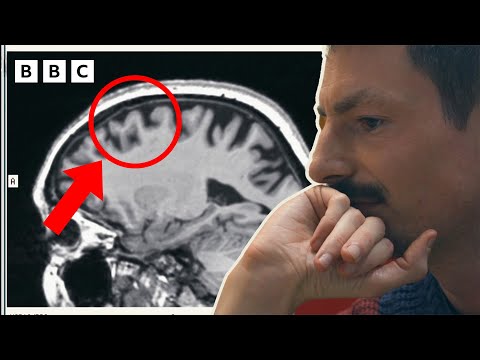
Son's sees how Alzheimer's affected his mum's brain across the years | The Jennings vs Alzheimer's
0
林宜悉 posted on 2024/03/03Ever wondered how Alzheimer's disease changes the brain over time? This video offers a powerful look at brain atrophy and cognitive decline through real MRI scans, giving you a unique caregiver perspective. You'll pick up advanced vocabulary related to memory loss and brain health while following a moving personal story.
Learn this video on the APP!
The VoiceTube App has more in-depth practice for videos!