
after all
US /ˈæftɚ ɔl/
UK /ˈɑ:ftə ɔ:l/
- Adverb
- In spite of what was expected; used to introduce a statement that supports a previous statement or explains why it was made
- Considering everything; used to indicate that something is happening or is true despite some difficulty or obstacle
- Phrase
- Despite what was expected or thought; in spite of everything.
- Taking everything into consideration; considering that.
B1Moreanemia
US /əˈnimiə/
UK /ə'ni:mi:ə/
- Uncountable Noun
- Condition of not having enough red blood cells
B2Moreaverage
US /ˈævərɪdʒ, ˈævrɪdʒ/
UK /'ævərɪdʒ/
- Noun (Countable/Uncountable)
- Total of numbers divided by the number of items
- Transitive Verb
- To add numbers then divide by the number of items
A2TOEICMorebear
US /bɛr/
UK /bɛː/
- Transitive Verb
- To accept (responsibilities or duties)
- To give birth to a child; to produce fruit
- Countable Noun
- Large brown animal with fur that lives in forests
- Someone who expects stock market to fall
A2Morecalculate
US /ˈkælkjəˌlet/
UK /'kælkjʊleɪt/
- Transitive Verb
- To find an answer using mathematics
- To make an educated guess about something
B2Morecause
US /kɔz/
UK /kɔ:z/
- Noun
- Belief, goal or organization that people support
- Reason for
- Transitive Verb
- To make something happen; create effect or result
A2Morecell
US /sɛl/
UK /sel/
- Countable Noun
- Smallest unit of living things in biology
- Group of people - often from a secret organization
A2Morecomplicate
US /ˈkɑ:mplɪkeɪt/
UK /ˈkɒmplɪkeɪt/
- Transitive Verb
- To make more difficult to do, understand or use
B1Moreconcern
US /kənˈsɚn/
UK /kənˈsɜ:n/
- Verb (Transitive/Intransitive)
- To be about a particular topic
- To have a direct impact on someone
- Noun (Countable/Uncountable)
- Company, firm or business
- Feeling of worry or anxiety
A2TOEICMorecouple
US /ˈkʌpəl/
UK /'kʌpl/
- Transitive Verb
- To join something to something else
- (Two animals) to engage in sexual relations
- Noun (Countable/Uncountable)
- Two people in a romantic relationship
- Two of something; two people; a pair
A2Morecystic
US /'sɪstɪk/
UK /'sɪstɪk/
- Adjective
- Being of the bladder
C1Moredeadly
US /ˈdɛdli/
UK /ˈdedli/
- Adjective
- Causing or capable of causing death
- Being very accurate
- Adverb
- Extremely; intensely.
A2Moredefect
US /ˈdiˌfɛkt, dɪˈfɛkt/
UK /ˈdi:fekt/
- Noun
- Fault in someone or something
- Intransitive Verb
- To move to another country for political reasons
B1TOEICMoredefective
US /dɪˈfɛktɪv/
UK /dɪˈfektɪv/
- Adjective
- Having a defect; faulty
- Noun
- A person with a mental or physical disability (offensive, archaic).
B1Moredisaster
US /dɪˈzæstɚ, -ˈsæs-/
UK /dɪ'zɑ:stə(r)/
- Noun (Countable/Uncountable)
- State of extreme ruin and misfortune
- A complete failure.
- Uncountable Noun
- A situation that has gone terribly wrong.
A2Moredisease
US /dɪˈziz/
UK /dɪˈzi:z/
- Noun (Countable/Uncountable)
- Illness that affects a person, animal, or plant
- A disorder of structure or function in a plant, especially one caused by a pathogen.
- Transitive Verb
- To affect with disease; to corrupt or sicken.
A2TOEICMoredna
US
UK
- Noun (Countable/Uncountable)
- Chemical in living cells with genetic information
B2Moreemperor
US /ˈɛmpəɚ/
UK /'empərə(r)/
- Noun
- Man who rules an empire
B1Moreextend
US /ɪkˈstɛnd/
UK /ɪkˈstend/
- Transitive Verb
- To offer something (help, friendship) to someone
- To reach from one point to another
A2TOEICMorefound out
US
UK
- Phrasal Verb
- To learn or discover something, often after some effort.
- To become known; be revealed.
B2Moregene
US /dʒin/
UK /dʒi:n/
- Noun
- Part of cell controlling development of a thing
B1Moregenetic
US /dʒəˈnɛtɪk/
UK /dʒəˈnetɪk/
- Adjective
- Of, relating to, or controlled by genes
- Relating to genes or heredity.
B1Moregenetically
US /dʒə'netɪklɪ/
UK /dʒə'netɪklɪ/
- Adverb
- Caused or controlled, or by genes
- By means of genes or genetic engineering.
B1Moregrip
US /ɡrɪp/
UK /ɡrɪp/
- Verb (Transitive/Intransitive)
- To hold someone's interest
- To hold something in your hand very firmly
- Noun (Countable/Uncountable)
- Strong understanding of an idea
- Control over something or someone
A2Morehave to
US /hæv tu/
UK /ˈhæv tə/
- Auxiliary Verb
- Must do
A1Moreifs
US
UK
- Noun (plural)
- Introducing conditions for some things to happen
B2Moreillegal
US /ɪˈliɡəl/
UK /ɪ'li:ɡl/
- Adjective
- Not allowed by the laws or rules
- Prohibited by law; illicit.
A2Morein fact
US /ɪn fækt/
UK /in fækt/
- Adverb
- Used to emphasize the truth of a statement, especially one that contrasts with or contradicts something else.
- Used to introduce a more detailed or surprising piece of information.
- Phrase
- Used to emphasize the truth of a statement, especially one that is surprising or contrary to what might be expected.
C1Morein order to
US /ɪn ˈɔrdɚ tu/
UK /in ˈɔ:də tu:/
- Preposition
- For the purpose of; with the aim of.
- Phrase
- In a specific sequence or arrangement.
- With the aim of; for the purpose of.
C1Moreinherit
US /ɪnˈhɛrɪt/
UK /ɪn'herɪt/
- Transitive Verb
- To have a quality or feature passed down at birth
- To receive property or money after someone dies
B1Moreinstead of
US /ɪnˈstɛd ʌv/
UK /inˈsted ɔv/
- Preposition
- When one thing is replaced by another
- Adverb
- As a substitute or alternative.
A1Moreknow better
US
UK
- Verb (Transitive/Intransitive)
- To be wise enough not to do something.
- To be expected to have the sense to not do something.
A1Moremate
US /met/
UK /meɪt/
- Noun (Countable/Uncountable)
- A friend who you work, live, or go to school with
- Partner in a (sexual) relationship
- Verb (Transitive/Intransitive)
- To pair a male and female so they have children
- To join or fit two things together
B1Moreodd
US /ɑd/
UK /ɒd/
- Adjective
- Being unmatched with someone or something
- Being a number not able to be divided by two
A2Morepopulation
US /ˌpɑpjəˈleʃən/
UK /ˌpɒpjuˈleɪʃn/
- Noun (Countable/Uncountable)
- Number of people who live in a country, area etc.
- A group of individuals of one species living in a particular area.
A2TOEICMorepotentially
US /pəˈtɛnʃəlɪ/
UK /pə'tenʃəlɪ/
- Adverb
- That could happen or become reality
B1Morerecipe
US /ˈrɛsəˌpi/
UK /'resəpɪ/
- Noun
- Conditions likely to create a particular result
- Directions for making a dish, with the ingredients
B1Morerelative
US /ˈrɛlətɪv/
UK /ˈrelətɪv/
- Adjective
- Measured or considered in comparison to another
- (Grammar) referring to words that appear earlier
- Countable Noun
- Members of the family
- Humans or animals sharing the same family history
A2Moresickle
US /ˈsɪkəl/
UK /ˈsɪkl/
- Noun
- Curved hand tool for cutting down grass/tall plant
C1Moresickle cell anemia
US
UK
- Noun
- A hereditary form of anemia in which abnormal hemoglobin causes red blood cells to become rigid and sickle-shaped, obstructing blood flow.
tradition
US /trəˈdɪʃən/
UK /trəˈdɪʃn/
- Noun (Countable/Uncountable)
- An event, custom or way common to a people or race
- Way of thinking or behaving used for a long time
B1TOEICMore
Vocabulary
- know better: To be wise enough not to do something.
- after all: In spite of what was expected; used to introduce a statement that supports a previous statement or explains why it was made
- in fact: Used to emphasize the truth of a statement, especially one that contrasts with or contradicts something else.
- sickle cell anemia: A hereditary form of anemia in which abnormal hemoglobin causes red blood cells to become rigid and sickle-shaped, obstructing blood flow.
- in order to: For the purpose of; with the aim of.
- have to: Must do
- instead of: When one thing is replaced by another
- found out: To learn or discover something, often after some effort.
- average: Total of numbers divided by the number of items
- potentially: That could happen or become reality
- common: Area in a city or town that is open to everyone
- general: Widespread, normal or usual
- disease: Illness that affects a person, animal, or plant
- recipe: Conditions likely to create a particular result
- odd: Being unmatched with someone or something
- mean: Average of a set of numbers
- concern: To be about a particular topic
- deal: To cope with something - usually troubles
- disaster: State of extreme ruin and misfortune
- genetic: Of, relating to, or controlled by genes
- grip: To hold someone's interest
- cause: Belief, goal or organization that people support
- population: Number of people who live in a country, area etc.
- compare: To consider how similar and different things are
- introduce: To open an essay to set the scene
- couple: To join something to something else
- risk: To do something potentially dangerous or foolish
- bear: To accept (responsibilities or duties)
- complicate: To make more difficult to do, understand or use
- defect: Fault in someone or something
- illegal: Not allowed by the laws or rules
- order: Religious or social group, as of nuns
- genetically: Caused or controlled, or by genes
- extend: To offer something (help, friendship) to someone
- fact: Something that is known or proved to be true
- catch: Amount of something that has been caught
- relative: Measured or considered in comparison to another
- mate: A friend who you work, live, or go to school with
- chance: The way something happens without planning
- great: Very good; better than before
- inherit: To have a quality or feature passed down at birth
- set: Prepared for something; ready
- cell: Smallest unit of living things in biology
- possibly: May be true or likely, but is uncertain
- hide: To go to, or put a thing where it can't be found
- anemia: Condition of not having enough red blood cells
- deadly: Causing or capable of causing death
- emperor: Man who rules an empire
- defective: Having a defect; faulty
- tradition: An event, custom or way common to a people or race
- gene: Part of cell controlling development of a thing
- calculate: To find an answer using mathematics
- cystic: Being of the bladder
- sickle: Curved hand tool for cutting down grass/tall plant
- dna: Chemical in living cells with genetic information
- ifs: Introducing conditions for some things to happen
Get the full experience in the app
Learn anywhere with detailed sentence and usage analysis
01:03
She took a brave step forward, leaving behind her comfort zone to chase her dreams.
Vocabulary
- brave
adj. Having courage
- comfort zone
phr. A familiar situation where one feels safe
Explanation
a brave step is a noun phrase, where brave is an adjective modifying the noun step, meaning "a courageous step".
forward is an adverb modifying step, meaning "ahead".
The whole phrase serves as the object, answering the "what" of took (verb) — she took a brave step forward.
Get the full experience in the app
Look up words anytime with pronunciation, part of speech, and usage
brave
US/brev/
UK/breɪv/
adj.Brave
v.t.To bravely face
A2 Elementary
Get the full experience in the app
Practice speaking anytime and get instant pronunciation feedback
Try this speaking exercise.
Try practicing with this sentence.
80
0
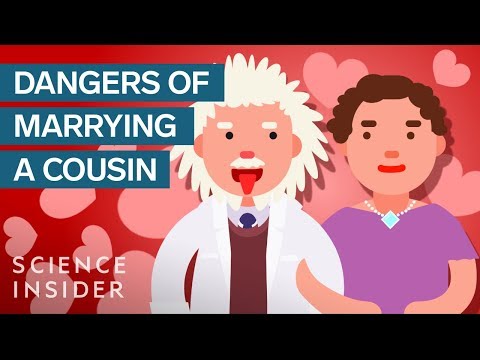
林宜悉 posted on 2024/02/01Ever wondered about marrying your cousin? This video dives into the fascinating genetics and historical context of cousin marriage, exploring the real risks and cultural perspectives. You'll pick up advanced vocabulary related to genetics and inheritance patterns while learning about this intriguing topic!
Learn this video on the APP!
The VoiceTube App has more in-depth practice for videos!